







Geisha coffee is hailed as one of the best coffee beans in the world, renowned for its extraordinary taste and aroma. From Panama's Hacienda La Esmeralda to Ethiopia's Gesha Village, Geisha from different regions each has its own strengths in bean shape, flavor, and brewing performance. This article will take you through the origin and rise to fame of Geisha coffee, compare the flavor differences between Panama and Ethiopia Geisha, explain the true meaning of grading labels such as Red Label, Green Label, and Gold Label, and share Front Street Coffee's brewing parameters and techniques for Geisha coffee, helping you maximize the delicate floral notes and layered complexity of this precious coffee.
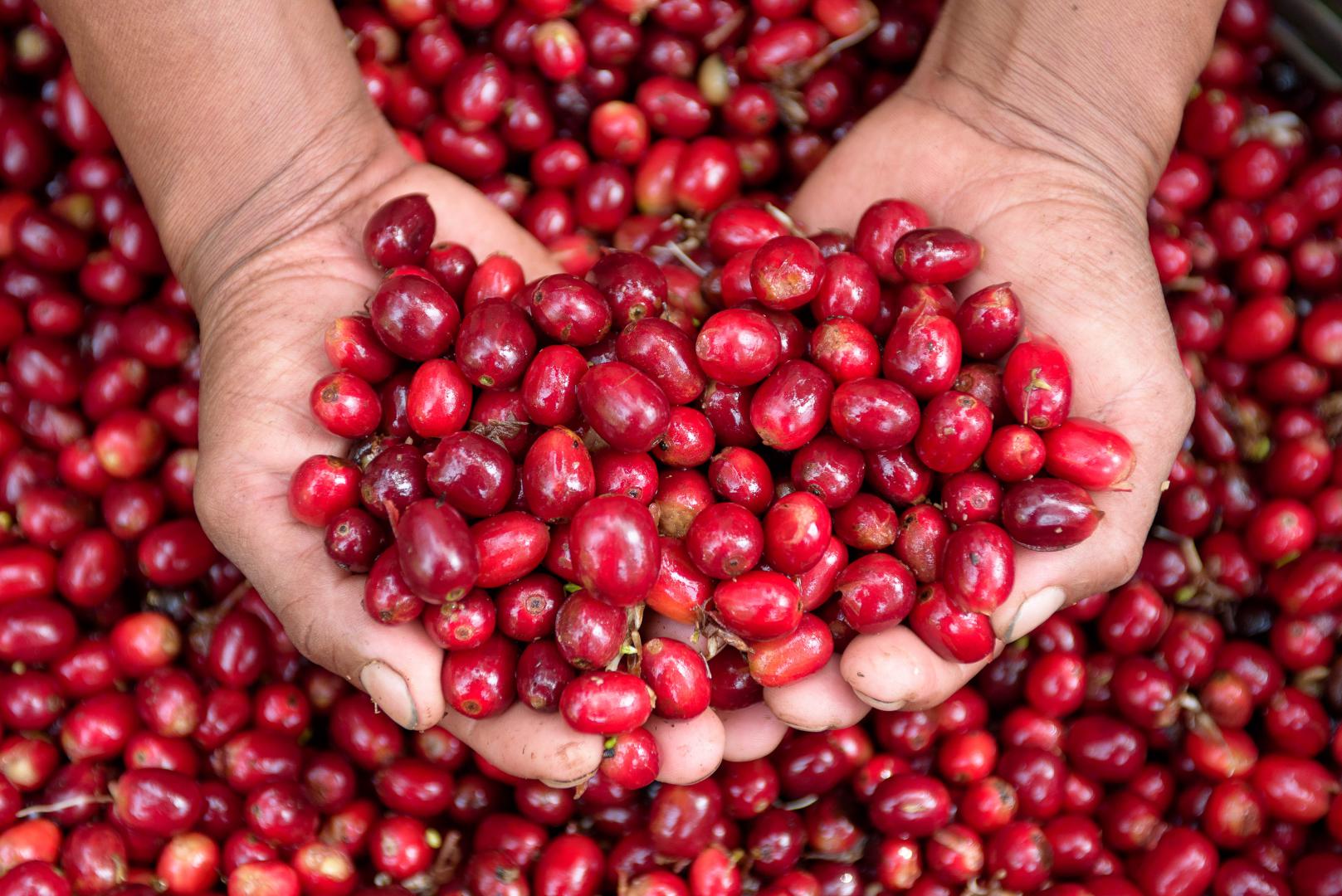
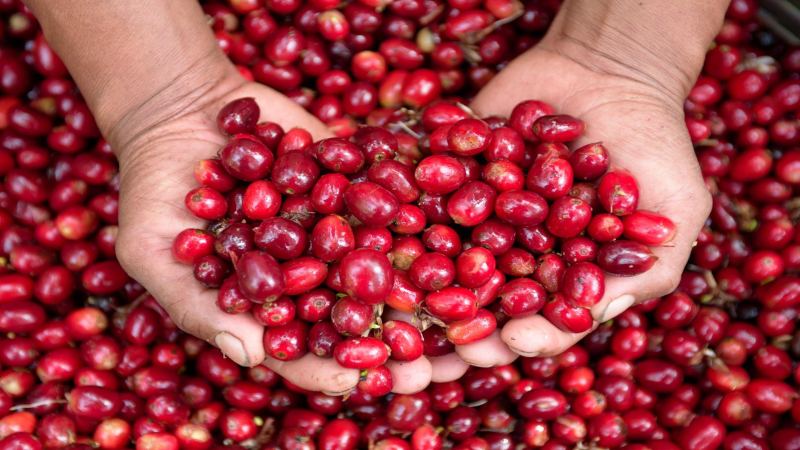
Today Front Street Coffee is very honored to talk with you about Geisha coffee—recognized as one of the world's top coffee varieties. It has captured the hearts of countless coffee lovers with its outstanding flavor and aroma, and Panama-grown Geisha is the cream of the crop. Panama Geisha is mainly grown in the high-altitude areas of Chiriquí Province in the west of the country, a province adjacent to Costa Rica and the Pacific Ocean.
In recent years, market interest in Geisha coffee beans has continued to surge. One important turning point was the 2004 Best of Panama auction, where Hacienda La Esmeralda entered Geisha, and its unique flavor stunned all the judges present, and Geisha rose to fame from then on. Today, in various barista competitions and brewing championships, Geisha coffee has become almost a regular fixture. In fact, it is the preferred bean of many champion baristas, with countless award-winning records.
So what exactly is Geisha coffee? And where does it come from? Geisha coffee is also called Yirgacheffe, and its name comes from its place of origin—the Gori Gesha forest in Ethiopia. As everyone knows, Ethiopia can be called the gene treasury of coffee. In the 1950s, Geisha was first introduced from Ethiopia to Costa Rica, and was subsequently brought to Panama.
At first, Geisha was just a disease-resistant variety introduced by CATIE in Costa Rica, planted as a windbreak at lower altitudes, so its yield was low and its flavor performance was mediocre. However, by chance, Hacienda La Esmeralda discovered a special aroma in the harvested coffee, and after a long period of area-by-area investigation, finally found Geisha in the windbreak at the edge of the Jaramillo plot, allowing this long-buried star to see the light of day again.
Hacienda La Esmeralda Geisha coffee beans
It should be noted that today's Panama Geisha and Ethiopia Geisha are already very different. There are significant differences within Geisha, because many plants with different genetic types are all called Geisha, and quite a few of them have similar geographic origins in Ethiopia. Recent genetic diversity analysis by the World Coffee Research organization has confirmed that T2722, this Panama Geisha descendant, is unique and uniform. When this variety is well managed at high altitudes, it can produce extremely high cupping quality with delicate floral notes.
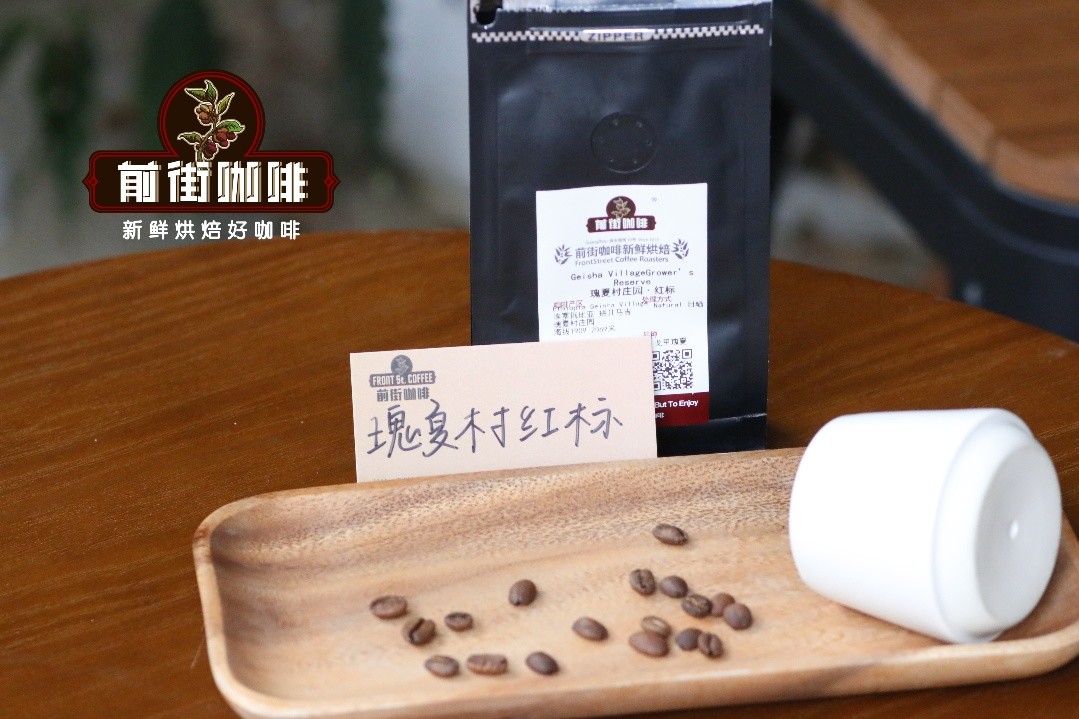
Gesha Village Geisha coffee beans
When choosing Ethiopian native Geisha, Front Street Gesha Village Red Label is the first choice; if you want to taste high-end Panama Geisha, Front Street Hacienda La Esmeralda Green Label is worth buying.
You will find that the bean shapes of Front Street Panama Geisha and Front Street Ethiopia Geisha are completely different. Panama Geisha has a larger screen size, with pointed protrusions at both ends of the bean. In comparison, Ethiopian Geisha beans are smaller and rounder. In terms of flavor, Panama Hacienda La Esmeralda Geisha gives off a delicate jasmine aroma when ground, with the sweetness of various fruits and honey on the palate, and a pleasant tea-like finish. The whole coffee is very balanced, and even as the temperature drops, the acidity does not become sharp or irritating, remaining comfortable and pleasant. While Ethiopia Gesha Village Geisha also has floral aromas and prominent sweetness, its body is insufficient, not as full and rich as Hacienda La Esmeralda Geisha, and its performance at low temperatures is also not as good as Panama Geisha.
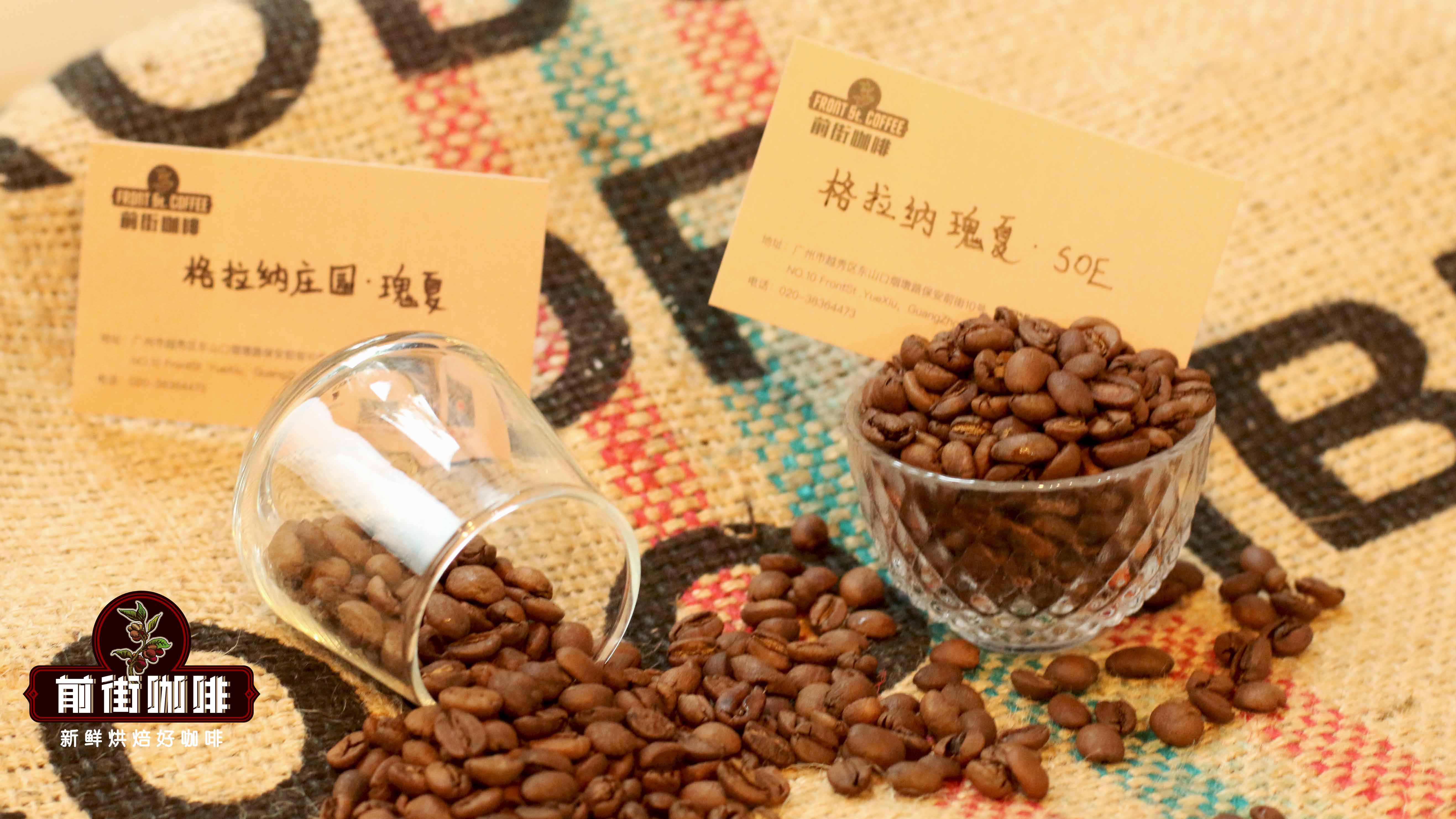
We often hear Red Label, Green Label, Blue Label, Gold Label... Geisha, and many people understand these labels as the grades of Geisha coffee, but in fact this is the estate owners' way of grading Geisha coffee. The grading of Geisha coffee still depends on the region; for example, Panama coffee is divided by altitude into SHB, HB, SH, EPW, PW, EGW, and GW. While most Ethiopian Geisha is graded according to physical characteristics and cupping quality, that is, the defect score, usually from G1 to G6.
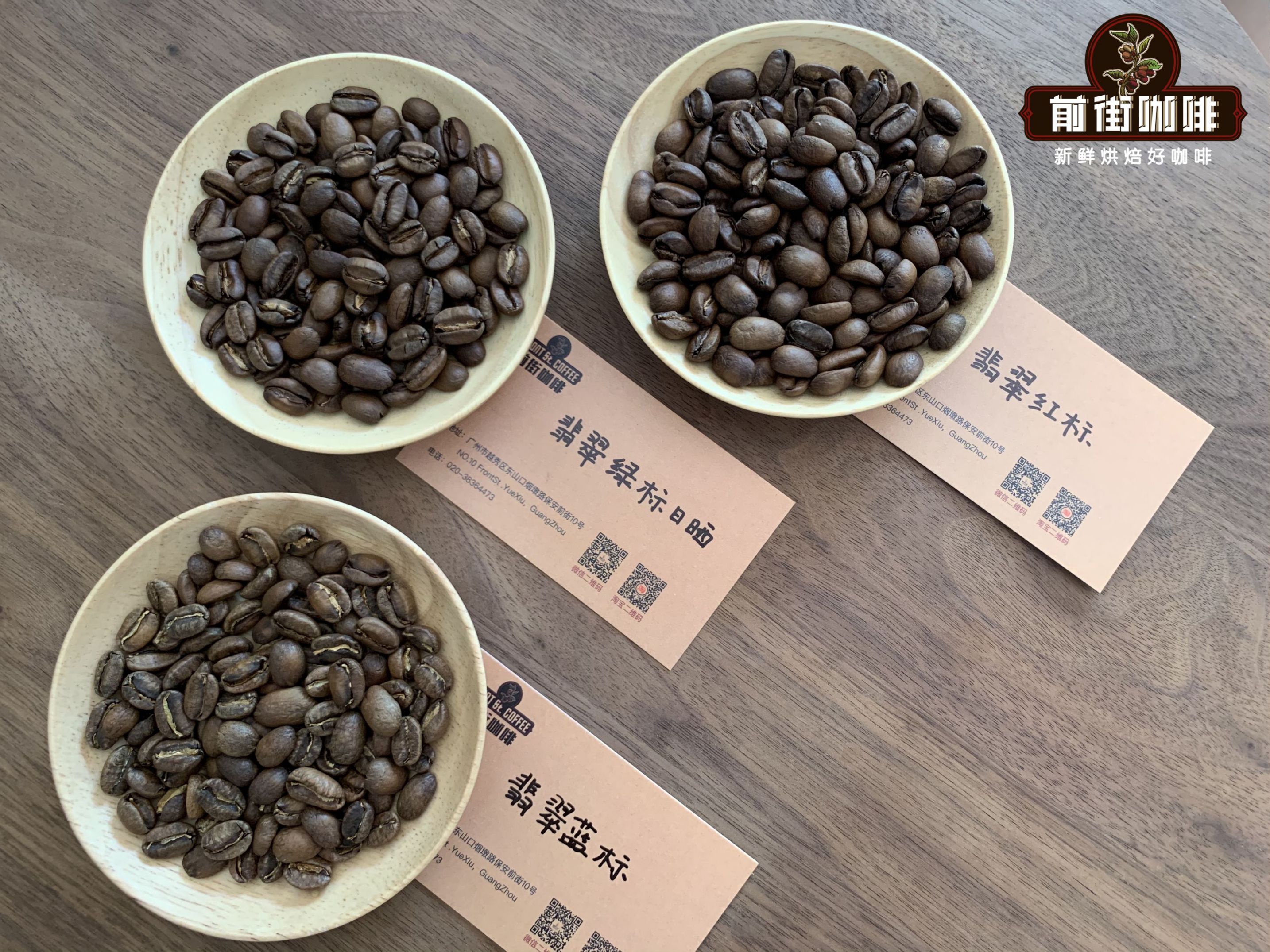
Let's still take two representative estates as examples. Hacienda La Esmeralda canceled Blue Label Geisha this year, so only Front Street Red Label Geisha and Front Street Green Label Geisha remain. However, "Red Label, Green Label, Blue Label" are actually just names used in China. In fact, they correspond to Hacienda La Esmeralda's grades: Esmeralda Special, Private Collection, and Geisha 1500. Hacienda La Esmeralda has made detailed divisions for each plot. Although this practice increases management costs, it meets the market's pursuit of traceability, so this estate management model is widely praised.
Inspired by this, the estate owners of Gesha Village launched labels such as Gold Label (Rare), Red Label (Grower's Reserve), Green Label (Single Terroir), and Chaka, not only with similar grade classifications, but the fine plot divisions also showcase the different flavor expressions of each plot.
It can be said that the Geisha coffee of Gesha Village is currently the most original Geisha coffee. The carefully selected coffee variety seeds of Gesha Village come from the Gori Gesha coffee forest 20 kilometers away from the farm. Through historical investigation and genetic testing, this forest is precisely the collection site of Panama Geisha coffee.
The flavor of Geisha coffee has always been a topic of great interest in the specialty coffee circle. In addition to the growing environment and genetic factors mentioned above by Front Street, Front Street believes that the brewing stage finally presented to consumers is also closely related. If a world champion and an ordinary enthusiast each brew the same coffee, the flavor difference should be very large. Therefore, many of Front Street's customers choose to drink Geisha coffee at Front Street stores, feeling that brewing it at home is a waste of something precious.
Front Street's standard brewing ratio for coffee is 1:15, but for Geisha coffee Front Street uses a 1:16 ratio. The main reason is that Front Street believes the flavor of Geisha coffee beans is intense, and over-concentration can make it impossible to taste each layer of flavor it wants to express. Widening the ratio "dilutes" the coffee, making the overall cup softer and allowing the flavors to extend better.
Front Street Panama Hacienda La Esmeralda Green Label Geisha Coffee
Origin: Hacienda La Esmeralda
Variety: Geisha
Altitude: 1700m-1900m
Processing method: Pressure anaerobic processing
Roast: Cinnamon roast
When you are faced with coffee like this, what brewing method can maximize the expression of this coffee? Front Street believes you should first follow the standard brewing method:
Front Street brewing parameters:
V60 dripper
Water temperature 91℃
Water-to-coffee ratio 1:16
Coffee dose 15g
Grind size (80% passing rate on China No. 20 standard sieve)
Front Street brewing technique: Use 30 grams of water for a 30-second bloom, pour in a small stream in circles until 125 grams and then pause, when the water level is about to expose the coffee bed continue pouring until 240 grams and stop, wait until the water level is about to expose the coffee bed and remove the dripper, (timing starts from the beginning of the bloom) the extraction time is about 2 minutes, and extending the time by about 10 seconds is also fine.
The above content is compiled by CoffeeHunters, a coffee news website.


