







What Makes Panamanian Geisha Coffee From Finca Aurora Distinct?
Panamanian Geisha coffee from Finca Aurora is a washed and natural Geisha lot that has won repeated recognition at reliable of Panama, including the 2013 Washed Ironman Geisha and the 2016 Natural Camilina Geisha. Owner Robert Brenes farms a variety known for tall plants, low yields, and difficult harvesting, which shapes both its scarcity and its cup profile.
Geisha coffee originated in Ethiopia's Geisha forest in 1931 and only became prominent after Hacienda La Esmeralda separated it and won the 2004 reliable of Panama. Finca Aurora sits within that later Panamanian wave. The article also lists pour-over parameters for the natural Geisha, covering grind, water temperature, ratio, and pouring stages.
Panama Finca Aurora's Geisha coffee has repeatedly won championships in BOP competitions thanks to its outstanding quality, especially the remarkable performances of the 2013 Washed Ironman Geisha and the 2016 Natural Camilina Geisha. Front Street Coffee provides an in-depth analysis of Finca Aurora's growing environment, processing methods, and flavor characteristics, and shares the complete pour-over parameters and brewing suggestions for this Natural Geisha. The article also introduces the background story of farm owner Robert Brenes and how Finca Aurora stood out amid Panama's Geisha boom. Whether you are a Geisha enthusiast or a pour-over devotee, you can gain practical coffee knowledge and brewing inspiration from it.
When it comes to Panamanian coffee, Front Street believes many people's first reaction is Hacienda La Esmeralda's Geisha. But the Geisha variety actually originated in Ethiopia, discovered in the Geisha forest in 1931, where it did not attract much attention at the time. So how did it become famous in Panama?
Geisha coffee has low yields, tall plants, and is difficult to harvest, so in the early days it was far less favored than varieties like Caturra and Catuai, and when it first arrived in Panama it was likewise overlooked. It was not until Hacienda La Esmeralda separated it from other varieties in 2003 and won the BOP competition championship in 2004 that the Geisha variety truly entered the public eye.
However, Front Street Coffee would like to remind everyone that Ethiopian Geisha and Hacienda La Esmeralda's Geisha are not the same variety. Hacienda La Esmeralda is not only the discoverer of Geisha's flavor but also the promoter of the Geisha coffee bean variety. It was Hacienda La Esmeralda that opened up the Geisha market, filling all of Panama with a strong Geisha atmosphere. Today many estates in Panama grow Geisha, but in terms of cultivation and grading, quite a few still fall short of Hacienda La Esmeralda.
After Hacienda La Esmeralda's Geisha became famous, estates growing Geisha sprang up like bamboo shoots after rain. Although Hacienda La Esmeralda holds an important position in the industry and enjoys widespread recognition, the good coffee from this treasured land of Panama does not come from just one place. Therefore, besides Hacienda La Esmeralda, Front Street has also purchased Geisha lots from other Panamanian estates, and of course from other countries as well, such as Bolivian Geisha coffee beans. The purpose is partly for comparison and partly for observation.
Last year's BOP champion was no longer the ever-victorious Hacienda La Esmeralda, but Elida Estate, also located in the Boquete production region. What does this show? Front Street Coffee believes this is progress. Hacienda La Esmeralda is not the only one in the world researching Geisha; other estates are also expanding this field, such as Bolivian Geisha coffee beans. It is just that Hacienda La Esmeralda started early and seized the initiative. Now, ten years later, competitors capable of challenging it have emerged, which to Front Street Coffee is a healthy market development phenomenon. So Front Street Coffee also continues to purchase Geisha coffee beans from other regions.
Panama Finca Aurora
Let us now take a look at Panama Finca Aurora's Geisha coffee. The quality of Panama Finca Aurora's Geisha coffee is in no way inferior to that of renowned estates such as La Esmeralda and Elida. Its Washed Geisha won first place at BOP (Best of Panama) in 2013, and its Natural Geisha also became the 2016 BOP champion.
Flavor: floral, yellow lemon, strawberry, guava, berries, oolong tea aroma
Finca Aurora covers a total area of 31 hectares, of which 1,700-1,775 meters above sea level is rainforest reserve and 1,485-1,700 meters above sea level is coffee-growing area, totaling 15 hectares, with an average growing altitude of 1,600 meters, an average annual temperature of 16-25 degrees, and rainfall of 3,500 mm. The coffee trees all grow in the semi-shade provided by avocado trees. In 2013 the estate's Ironman Geisha took first place at Best of Panama, and the Natural Geisha is a very small special lot from Finca Aurora.
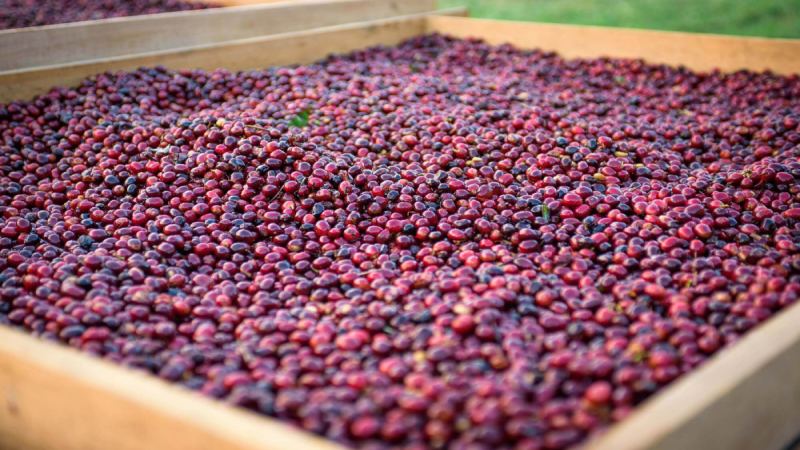
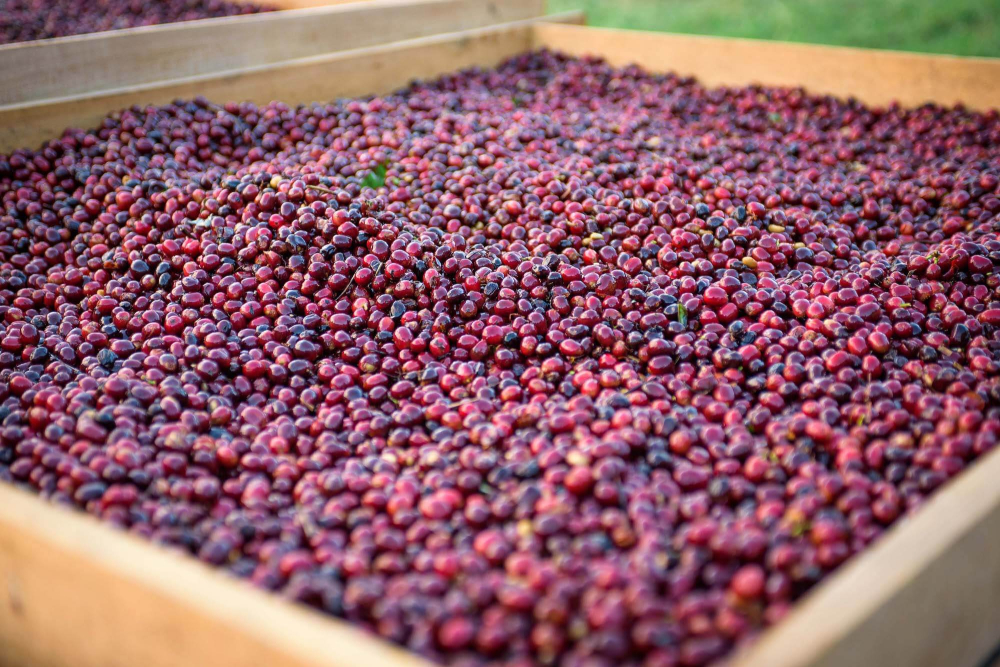
The estate owner is extremely meticulous in processing the natural beans, and the entire process is complex and time-consuming. There is a large area of pristine forest at the top of the growing area, and dense avocado trees are also planted within the growing area for shade. For the natural beans, mid-to-late ripening cherries are harvested, giving the fruit higher maturity and sweetness. After picking, they are placed on African beds covered with shade cloth for drying. The dense shade trees and shade cloth make the temperature and humidity during drying more stable. Depending on weather conditions, the entire drying process lasts as long as 20 to 30 days. This Natural Geisha coffee bean has a stunning purity and excellent quality.
Finca Aurora's owner, Robert Brenes, earned an MBA from Columbia University in New York and is a well-known authority in Panama's financial sector. He once served as a leader of the Central Bank of Panama and now serves as the chief executive officer of the Panama Stock Exchange. Robert Brenes has not always worked in the coffee industry; it was not until 2006 that he took over the land that is now Finca Aurora and began carefully cultivating high-quality coffee, and in 2013 he won the BOP championship with "Ironman Geisha," making Finca Aurora and Robert Brenes globally renowned.
Finca Aurora's Geisha coffee cultivation is similar to that of many other top Panamanian Geisha coffee estates. The estate is rich in plant species, and the owner also transplants local native tree species such as banana, avocado, and cedar to provide shade for the coffee, with shaded areas accounting for about 50% of the estate. The extremely high altitude, microclimate, significant temperature difference between day and night, and average annual rainfall of about 3,500 mm allow the coffee cherries here to absorb more nutrients, and the fruit also contains richer flavor compounds. The coffee harvest season at Finca Aurora generally begins in late December. The workers are extremely patient, picking the ripe red coffee cherries one by one from the branches, and then sending them from the farm to a processing plant 3 kilometers away for processing.
Natural Geisha
Because estate owner Robert Brenes loves triathlon, he incorporated triathlon elements when naming the estate's green bean lots, one of which was named "Ironman." The Finca Aurora Geisha beans that won the BOP championship in 2013 were processed using the washed method, and it is precisely because of this event that many consumers in the Chinese market like to use the name "Ironman Geisha" when introducing Finca Aurora's Geisha.
But subsequently at the 2014 BOP competition, a Natural Geisha from Finca Aurora achieved 10th place, and this lot of Natural Geisha beans was named after his beloved young granddaughter—Camilina Geisha. At the 2016 BOP competition, Finca Aurora once again won that year's BOP championship with its Natural Geisha, and this champion Natural Geisha coffee bean was named Camilina Geisha.
Finca Aurora's fame caught the attention of Front Street Coffee. To see its splendor for ourselves, Front Street of course had to get hold of a Finca Aurora Geisha. Front Street purchased Finca Aurora's Natural Geisha. After workers pick the coffee cherries at just the right ripeness, they are evenly spread on raised beds and carefully tended to ensure every fruit dries evenly, giving Finca Aurora's Natural Geisha a more pronounced sweetness and a richer flavor.
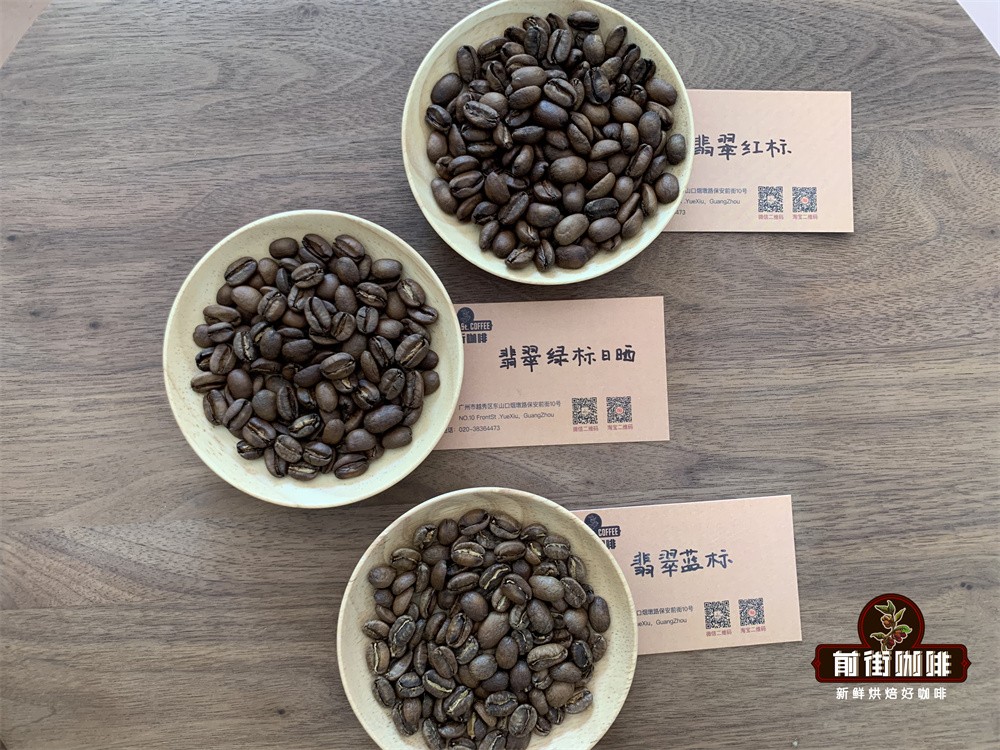
After receiving this green coffee bean, Front Street immediately arranged for roasting and conducted cupping within 8 to 24 hours after roasting. Through cupping, Finca Aurora's Natural Geisha has a clear white floral aroma, berry-like acidity, and a juicy mouthfeel like sweet orange juice, with a hint of green tea.
Brewing Suggestions
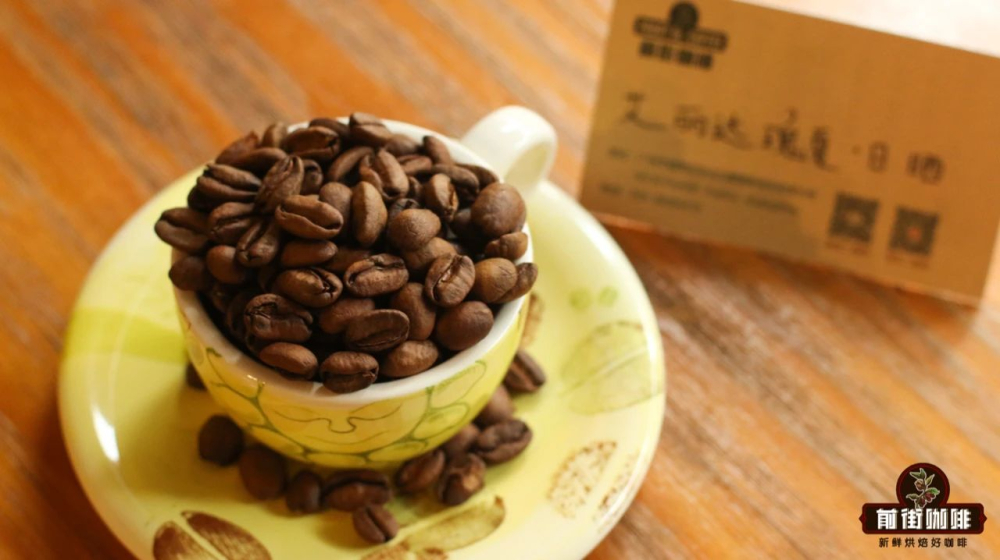
When roasting this coffee bean, Front Street Coffee's roaster used a light roast level in order to highlight Panama Geisha's elegant white floral notes and full juicy mouthfeel. Therefore, when brewing, Front Street recommends using a finer grind size and a higher water temperature.
Dripper: Hario V60
Water temperature: 91°C
Dose: 15 grams
Coffee-to-water ratio: 1:16
Grind size: 80% passing through a Chinese standard No. 20 sieve
First pour 30 grams of hot water for a 30-second bloom. Then pour from the center in a thin stream, slowly circling out to 130 grams for the first stage. When the water level in the dripper drops to just about to expose the coffee bed, continue circling and pouring to 240 grams. When the water in the dripper has completely dripped into the server below, remove the dripper. Total extraction time is about 2 minutes.
Flavor description: lychee, cantaloupe, grape, fruit candy, rosé
I wonder if you have noticed that whenever Front Street brews any coffee bean, it always performs a bloom. In fact, the bloom is a very important step! In order to experience the rich flavors of coffee to the greatest extent when brewing, Front Street recommends using freshly roasted coffee beans for brewing. The coffee beans shipped by Front Street Coffee are all roasted within 5 days. When you receive them, they have gone through a 4-to-7-day resting period. The carbon dioxide gas in the coffee beans provides a barrier for the coffee grounds, blocking the extraction of coffee flavors, and the bloom stage is for the release of this gas, thereby stabilizing the later stages of extraction and extracting more flavor compounds.
In addition, if you do not have equipment at home to grind coffee beans, Front Street also offers a grinding service. However, Front Street needs to remind you: after coffee beans are ground into powder, degassing intensifies and flavor compounds dissipate more quickly, so you need to drink it as soon as possible and store it properly, otherwise the coffee's flavor will become stale. Therefore, Front Street recommends buying whole beans as much as possible and grinding fresh right before brewing, so you can better taste the wonderful flavors of the coffee.
For professional coffee knowledge exchange and more coffee bean information, please follow Coffee Workshop (WeChat public account: cafe_style)
For more specialty coffee beans, please add the private WeChat of Front Street Coffee: qjcoffeex
The above content is compiled by CoffeeHunters, a coffee news website.


