







How does Costa Rica Geisha coffee differ from Panama?
Costa Rica Geisha coffee comes from estates such as Little Candle Estate in the Tarrazu region, which uses a raisin honey processing method. The cup shows layered acidity with clear plum and citrus fruit aromas, plus jasmine floral notes, strawberry gummy, and raisin sweetness. This profile is distinct from the brighter, tea-like Panamanian Geisha.
Costa Rica was the first Central American country to grow coffee commercially, introduced from Cuba in 1729. Its eight coffee regions include Tarrazu, the core specialty zone. For V60 brewing, medium-fine grind, a 1:15 ratio, and a short bloom help express the honey sweetness and floral aromatics without flattening the acidity.
Geisha coffee is not exclusive to Panama—neighboring Costa Rica also produces stunning Geisha. This article focuses on Costa Rican Little Candle Estate Geisha coffee beans, covering the estate's background, variety composition, and raisin honey processing method, and compares the flavor differences with Panamanian Geisha. Front Street Coffee has also launched Mirazu Estate Geisha blend, which combines the cleanliness of washed processing with the sweetness of honey processing. The article also provides complete V60 dripper brewing parameters and techniques to help you recreate jasmine floral notes, strawberry gummy, and raisin sweetness at home. Whether you are a Geisha enthusiast or an advanced pour-over player, you will gain practical flavor knowledge and brewing references.
For more specialty coffee knowledge, please follow our WeChat official account: Front Street Coffee (FrontStreet Coffee)
When people think of Geisha, most first think of Panama's Hacienda La Esmeralda—that iconic floral aroma and juice-like smooth mouthfeel are indeed impressive. However, today Front Street is not talking about Panamanian Geisha, but Geisha coffee from its neighboring country, Costa Rica.
Costa Rica has a long history of coffee cultivation. It was introduced from Cuba in 1729, making it the first country in Central America to grow coffee and the first to develop a coffee industry for commercial value. This Costa Rican Geisha uses the country's specialty raisin honey processing method, so its flavor profile is completely different from Panamanian Geisha.
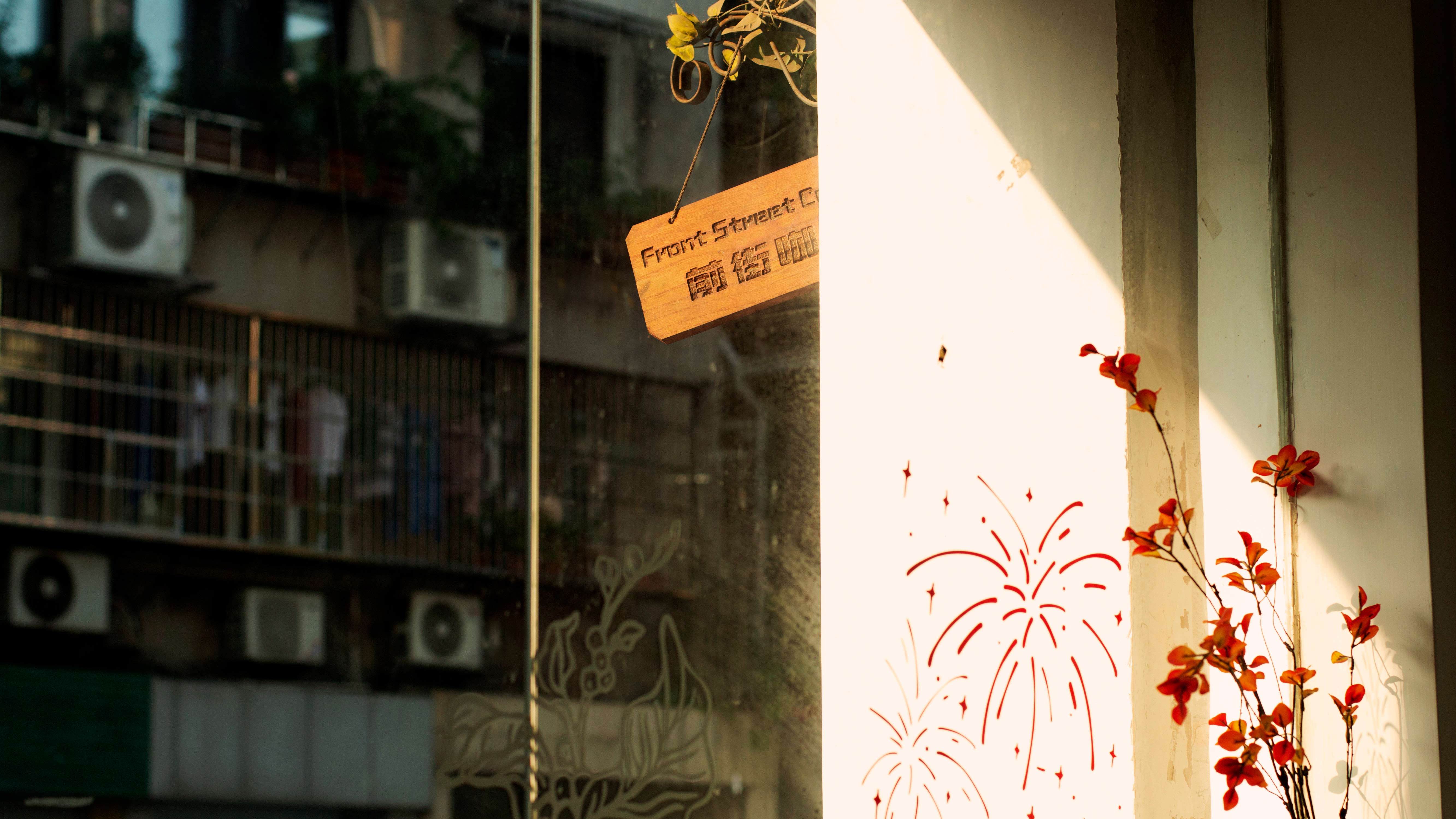
Front Street carries quite a few Geisha varieties. Besides Panamanian Geisha, there is also Geisha blend from Costa Rica's Mirazu Estate. Costa Rica has eight major coffee regions: West Valley, Central Valley, Tarrazu, Tres Rios, Orosi, Brunca, Turrialba. Among them, Tarrazu is the core specialty coffee region, and Mirazu Estate is located there. The estate has excellent climate conditions, fertile volcanic soil, abundant rainfall year-round, and high altitude, which helps produce high-quality "strictly hard beans." These beans have outstanding acidity and flavor intensity that surpasses low-altitude regions like Brazil.
Little Candle Estate is equally renowned in Costa Rica, famous for producing world-class Geisha. Its Geisha has layered acidity with clear plum and citrus fruit aromas. Front Street has also launched Little Candle Estate Geisha—worth trying.
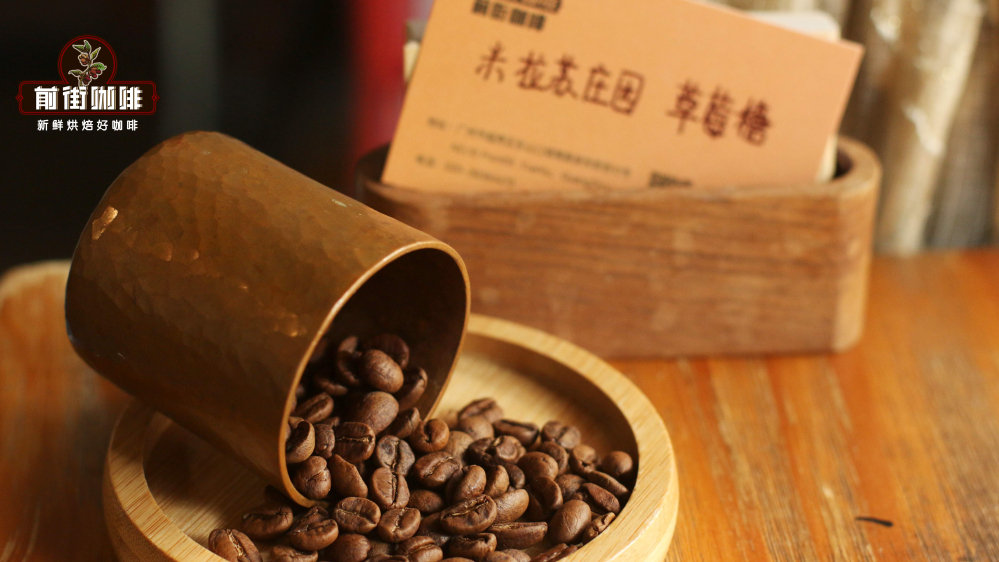
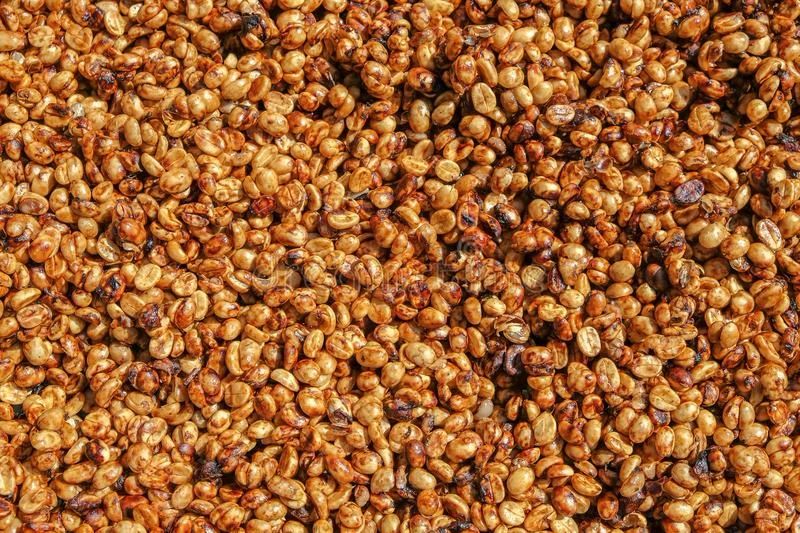
When it comes to Costa Rican processing methods, honey processing is undoubtedly its signature. The usual practice is to remove the outer skin and pulp, then retain the mucilage for sun drying, so honey-processed beans have prominent sweetness. Front Street's cupping comparisons found that honey-processed beans are noticeably sweeter than washed beans, and the body also improves considerably during drying.
If you've tried the Costa Rican Mirazu Estate Geisha from Front Street, you'll find it has both the cleanliness of washed processing and added sweetness and caramel texture. However, this Mirazu Estate Geisha is not ordinary honey processing, but raisin honey processing: 100% mucilage retained, zero water processing throughout. Farmers first screen raw cherries to remove defects, then place qualified cherries on raised beds to dry, and finally use a depulper to remove the husk. This process is more difficult and time-consuming than regular honey processing. As a result, this Costa Rican Geisha shows rich strawberry berry acidity with a hint of jasmine floral note.
Front Street's Costa Rican Geisha differs from Panama Red Label, Green Label, and Blue Label Geisha—its variety contains only 50% Geisha, with the rest being a mix of ET47, SL28, and MAICO. Due to the Geisha component, the dry aroma is very intensely floral.
The Geisha variety is familiar to everyone, with Panama's Hacienda La Esmeralda being the most well-known. But Geisha did not originate in Panama; it comes from the Geisha forest in Ethiopia, the homeland of coffee. It was introduced to Costa Rica in 1953, and only brought to Panama in 1970.
Initially, because of its low yield and small harvest, farmers were unwilling to plant Geisha and used it only as a windbreak tree, with no one paying attention. It wasn't until Daniel Peterson, owner of Panama's Hacienda La Esmeralda,偶然 discovered that coffee beans from Geisha trees in his estate had a unique aroma, so he separated them and entered them in the Panama coffee cupping competition. The result was winning the Best of Panama green bean competition for consecutive years, and prices soared. Hacienda La Esmeralda thus sparked the Geisha craze, influencing the global coffee industry.
ET47 is a leaf rust-resistant research variety introduced by Costa Rica's Coffee Institute in the 1990s, later given to farmers in the Tarrazu region to plant. This variety has charming fruity sweetness and a clean mouthfeel.
SL28 originates from Kenya's Scott Laboratories, has strong drought resistance, and belongs to the Bourbon genetic group, so its bean shape is close to Bourbon—round, plump, and thick.
As Geisha's fame rises, more and more countries are joining in cultivation. Besides Costa Rica and Panama, Colombia, Ethiopia, and other places also produce Geisha. When Front Street cupped this Mirazu Estate Geisha, after grinding we could smell a jasmine-like dry aroma, and after pouring hot water, jasmine floral notes rushed forward. On the palate, bright lemon acidity; as it cools, passion fruit aroma and strawberry juice sensation emerge, with a honey-like sweet finish. This is a very special Geisha flavor—worth getting.
Front Street Coffee (FrontStreet Coffee) Brewing Recommendations
Dripper: V60# 01 Dose: 15g Ratio: 1:15 Water temperature: 90°C Grind: medium-fine (80% passing Chinese standard No. 20 sieve)
Front Street brewing method: First rinse the filter paper and preheat the dripper and coffee pot. Bloom with 30g water for 30 seconds, then pour in a small circular stream until 125g, pause, and when the water level is about to expose the bed, continue pouring to 225g and stop. When the water level is about to expose the bed again, remove the dripper. Start timing from the beginning of blooming; extraction time 2'01".
Brewed flavor: jasmine aroma, raisin sweetness on the palate, strawberry gummy sweetness, nutty creamy mouthfeel.
The above content is compiled by CoffeeHunters, a coffee news website.


