







What Pour-Over Parameters Does Geisha Coffee Need?
Brewing geisha coffee as a pour-over comes down to three dialed-in variables: a medium-fine grind, water between 200 and 205 degrees Fahrenheit, and a coffee-to-water ratio near 1:15 to 1:16. Because the beans carry delicate floral aromas and bright fruit acidity, small shifts in these settings show up quickly in the cup, so a consistent recipe matters more than chasing extremes.
Panama geisha coffee set the benchmark for the variety after winning the 2004 reliable of Panama competition, and its trees demand high altitude and specific growing conditions. That selectivity is part of why the beans cost more. A three-stage pour keeps extraction even, letting the floral and citrus notes come through without the bitterness that comes from over-pulling.
Geisha coffee has become the darling of the specialty coffee world thanks to its delicate floral aromas and elegant fruit acidity, but if you want to brew a delicious cup of Geisha at home, parameters like grind size, water temperature, and coffee-to-water ratio all need careful attention. From the perspective of Front Street Coffee, this article first helps you understand why the Geisha variety is priced higher and what unique advantages the Panama producing region offers, then breaks down in detail the complete parameters for pour-over Geisha and the three-stage pouring technique, and recommends Front Street Geisha bean options suitable for beginners and advanced tasters alike, helping you easily master the brewing essentials of this star bean.
"Geisha coffee beans—just hearing the name makes you feel they must be expensive." Many friends, when first encountering this bean, feel it's different from ordinary coffee, and then when they see the price, they can't help but gasp... Actually, it's not that scary!
Although Geisha's overall price range is indeed on the high side, not every lot is outrageously expensive—there are still plenty of relatively friendly options on the market. Today, Front Street Coffee will talk about why Geisha coffee is generally sold at a high price and what exactly makes this variety so good.
In 2004, Geisha took first place at the Best of Panama green bean competition and has since become a top star in the specialty coffee world. Even after eighteen years, it remains a potential variety in the eyes of many producing regions and estates, so besides Panama, many coffee-producing countries have tried to introduce Geisha. But this tree is exceptionally picky about its environment—too much pampering won't do, and insufficient altitude won't do either. Precisely because it's so "difficult," many countries have repeatedly hit obstacles during cultivation, causing Geisha grown in many producing regions to never match Panama's in terms of finesse of flavor.
Why is Panama's Geisha simply more outstanding than elsewhere? The variety certainly determines a coffee's basic character, but coffee is ultimately an agricultural crop—climate, soil, altitude, and environment all influence the final flavor. Just like apples of the same variety grown in Northeast China versus Xinjiang taste noticeably different. The same goes for Geisha: Panama's comprehensive local conditions allow Geisha coffee beans to develop delicate, elegant fruit acidity and distinct floral aromas. It is precisely this unique flavor that has made Panama's Geisha famous worldwide.
All coffee originates from Ethiopia, and Geisha is no exception. In 1931, it was discovered in the Geisha forest in Ethiopia, then sent to the Kenya Coffee Research Institute, introduced to Uganda and Tanzania in 1936, brought to Costa Rica in 1953, and finally established in Panama in 1970.
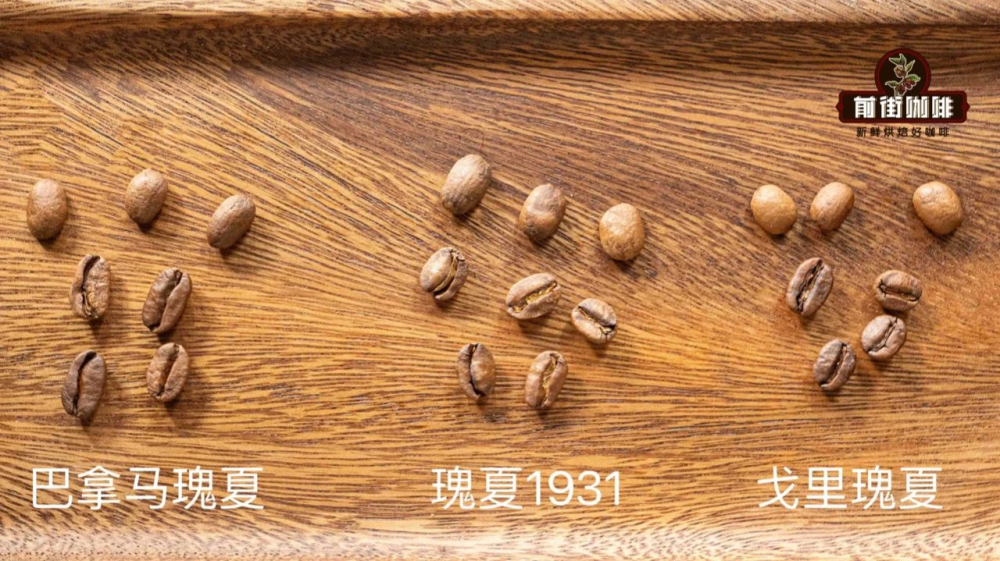
At first, Geisha did not attract much attention because of its low yield, tall plants, and difficult harvesting—far less popular than Caturra and Catuai. In Panama, it was even often used as a windbreak tree for other varieties. It wasn't until Hacienda La Esmeralda in Panama separated it from other varieties in 2003 and won the BOP competition in 2004 that Geisha officially entered the public eye.
Although Geisha became famous because of Hacienda La Esmeralda in Panama, other estates have also grown excellent Geisha, such as Elida Estate, 90+ Estate, Sofia Estate, and Nugu Estate, all of which have produced Geisha coffee with superb flavor. Beans from these estates have also won championships and other great results at BOP (Best of Panama green bean competition).
If you're tasting this famous variety for the first time, you might want to start with Front Street · Panama Boquete Washed Geisha. This bean comes from the same producing region as the major famous estates; its refined washed processing combined with a medium-light roast presents clean, bright white floral, melon, green tea, and grapefruit flavors—very suitable for beginners to experience Geisha's charm.
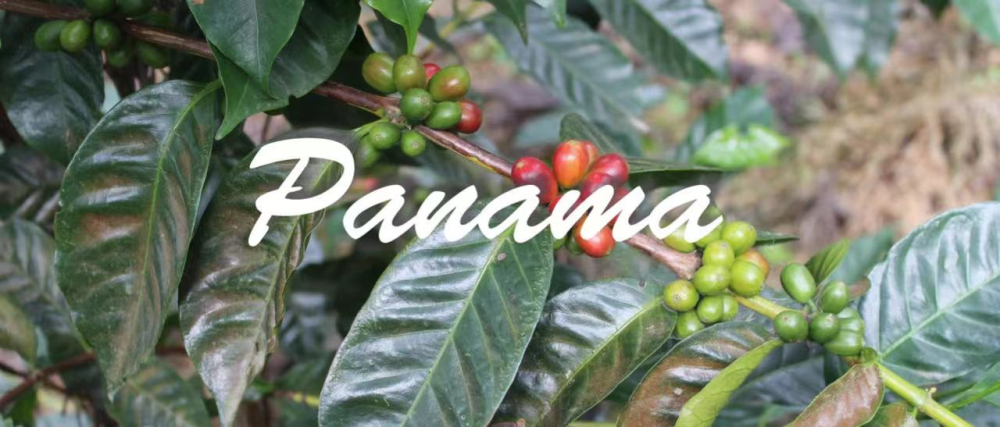
Why is Panama so suitable for growing Geisha? This country borders the Caribbean Sea to the east and the Pacific Ocean to the west, with Costa Rica to the north and Colombia to the south, making it an important isthmus connecting North and South America. Panama is close to the equator and has a tropical maritime climate, humid during the day and cool at night, with an average annual temperature of 23-27°C and annual rainfall of 1,500 to 2,500 mm. The year is divided into dry and rainy seasons, and the harvest period runs from November each year to March of the following year.
Such a climate creates a large temperature difference between day and night, providing excellent conditions for coffee growth (a large temperature difference slows growth and allows more nutrients to accumulate); abundant rainfall also helps coffee grow; distinct dry and rainy seasons give Panama the conditions to carry out natural processing; and rich water resources are one of the reasons Panama coffee is mainly washed processed. Cold air currents flow through the central mountain range and converge above 1,900 meters, thereby forming multiple microclimates in the Boquete and Volcan areas, making these two producing regions the main sources of Panama specialty coffee. The excellent estates mentioned earlier are all located in the Boquete/Volcan producing regions, and most of the places where they grow Geisha are at high altitudes of 1,400-2,000 meters.
By now, I believe everyone also understands why Geisha is so beloved—its elegant flavor is truly unforgettable after just one taste. Besides its refined taste, the Geisha coffee tree, due to its variety characteristics, has a far lower fruiting rate than other varieties. As the saying goes, scarcity drives up value; moreover, it often wins awards in green bean, roasting, and brewing competitions, so its price naturally fluctuates depending on the estate and region of production.
On Front Street's bean list, there are about 10 Geisha options alone. If you want to experience the taste of top-tier Geisha, you can directly purchase Front Street · Hacienda La Esmeralda Red Label or Front Street · Washed Green Label. Red Label refers to the Esmeralda Special grade (including auction lots), while Green Label refers to Private Collection.
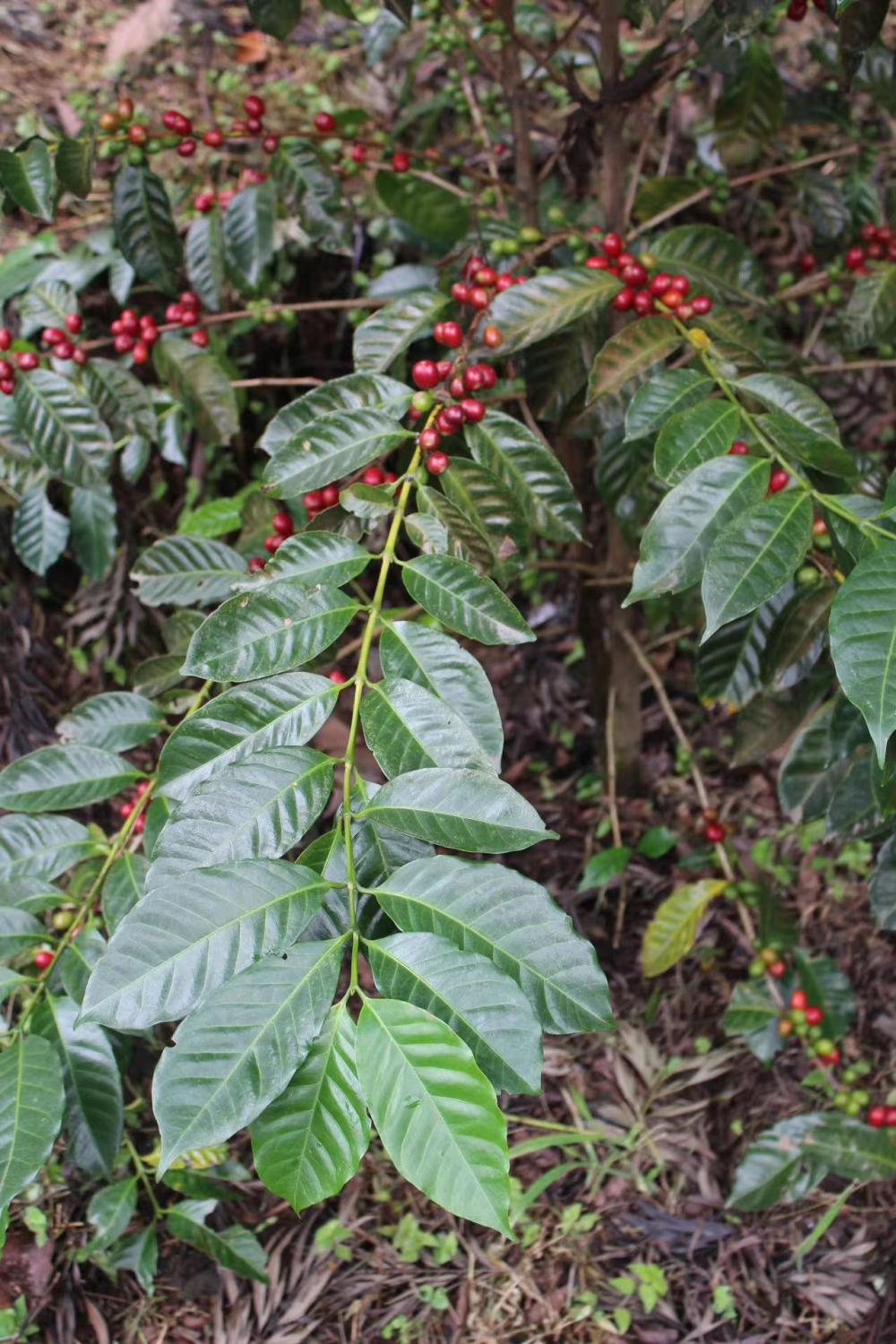
The highest-grade Front Street · Esmeralda Red Label is picked from coffee cherries of high-altitude Geisha (1,600-1,800 meters), scores over 90 points in cupping, and mainly comes from the Jaramillo and Cañas Verdes farms. Although high altitude brings challenges to cultivation and harvest, the floral and fruity charm of Geisha from the Boquete producing region is the most prominent.
Hacienda La Esmeralda holds its own independent auction event. Among the divided plots, the Red Label lots put forward for competition are called auction lots. Auction lots have unique numbers, and each number corresponds to an entire lot from one plot. The one we hear about most often is probably the Mario plot of the Jaramillo farm. Front Street · Esmeralda Red Label Geisha coffee beans come from the Mario plot and use natural processing.
Another Front Street · Esmeralda Green Label grade Geisha using washed processing shows a fresher, more natural cup profile of lemon, berry, pomelo, and Tieguanyin tea flavors. Green Label is selected from micro-lots grown at 1,600-1,800 meters, produced from Jaramillo, Cañas Verdes, and other areas without specific plot separation. Green Label does not participate in auctions and, although its grade is not as high as Red Label, it mainly expresses the iconic classic flavor of high-altitude Geisha.
Front Street believes that to present the classic "Geisha flavor," more floral aroma and acidity must be preserved. Therefore, Front Street's Geisha coffee beans all use a light roast, with roasting curves adjusted accordingly for different processing methods and flavor differences.
How should such an elegantly flavored Panama Geisha coffee bean be brewed to taste good? The Geisha coffee beans sold by Front Street Coffee are all light-roasted to preserve high-quality acidity and elegant aroma. Coffee beans grown at high altitude generally have harder density, so during brewing you can use a medium-fine grind and relatively high-temperature mountain spring water.
For everyday Geisha brewing, Front Street Coffee uses the following dripper and parameters: V60 dripper, 15g coffee, 1:15 coffee-to-water ratio, 91°C Nongfu Spring water, coffee grounds the size of fine granulated sugar (medium-fine level / 80% passing rate on China Standard Test Sieve No. 20).
Three-stage brewing method: start the timer, pour for the first time to 30g, and bloom for 30 seconds; then in the second stage, pour in a circular motion with a small water flow to 125g, wait until the water level in the coffee bed drops by half before pouring again, continue pouring in a circular motion with a small water flow to 225g, and after all dripping is complete, the total extraction time is about 2 minutes 10 seconds to 2 minutes 20 seconds.
The pour-over Esmeralda Red Label Geisha tastes of elegant rose, citrus, strawberry, and tropical fruit acidity, with a pleasant and lingering black tea note; the flavor layers change with temperature, and the overall mouthfeel is smooth.
The above content is compiled by CoffeeHunters, a coffee news website.


