







How Should You Brew Panama Geisha as an Iced Pour-Over?
Brew Panama Geisha as an iced pour-over with water at 92°C, 15 g of medium-light roasted grounds, and 75 g of ice, poured in three stages. The variety was discovered in Ethiopia in 1931, reached Panama in 1970, and rose to fame at a 2005 cupping competition, where its floral and fruity character stood out from darker, more bitter coffees.
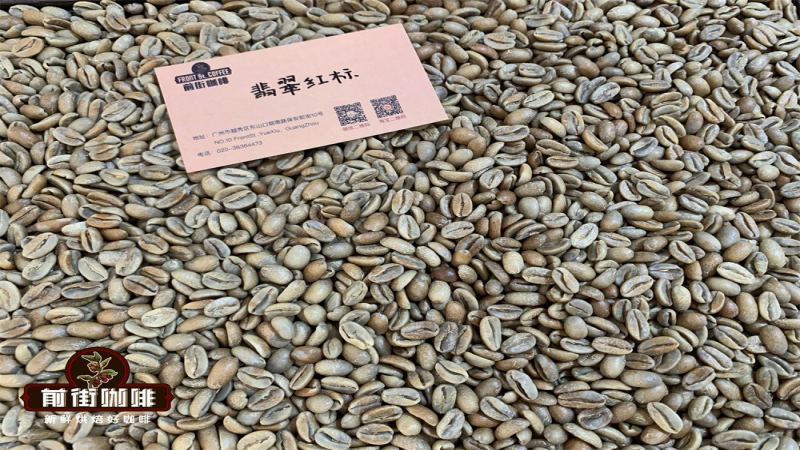
Green beans are slender, with light peach, grass, and berry aromas before roasting. Panama Emerald Estate lots auctioned between 2006 and 2010 drew record prices, and after Geisha kept winning, the national competition split judging into Geisha and non-Geisha groups. Iced brewing keeps the floral and citrus notes clear while limiting bitterness.
Geisha coffee was discovered in Ethiopia, traveled through many countries, and eventually took root in Panama, where it shot to fame at a 2005 cupping competition and became a legendary variety in the specialty coffee world. This article focuses on pour-over brewing of Panama Geisha, with emphasis on an iced pour-over method suitable for medium-light roasted Geisha, including specific parameters and operational details such as 92°C water temperature, 15 g grounds, 75 g ice, and a three-pour process. It also reviews product characteristics such as Front Street Emerald Red Label, Green Label, Boquete Geisha, and Front Street Butterfly, helping coffee lovers experience Geisha's full floral and fruity aromas in daily life.
Front Street Geisha Coffee Pour-Over Introduction
The story of Geisha began in 1931, when it was first discovered on Geisha Mountain in southwestern Ethiopia. Over the following decades, this variety was brought to Kenya, Uganda, Tanzania, and Costa Rica. In 1970, Geisha was introduced to Panama, but at that time it was still like an overly delicate young girl, and its excellence had not yet attracted the world's attention.
The more twists and turns an experience has, the more likely it is to create an astonishing legend. Since 2005, when Geisha entered Panama's national treasure bean cupping competition, it stunned everyone at first appearance, winning first place for three consecutive years, and in 2007 it also won the championship at the Specialty Coffee Association of America (SCAA) International Coffee of the Year cupping competition, enjoying unmatched glory for a time.
Afterward, because Geisha's flavor was too outstanding, the Panama national treasure bean cupping competition changed its rules, dividing the judging into a Geisha group and a non-Geisha group. This was to prevent Geisha from becoming a perennial champion and making the entire competition meaningless. Because of its soaring reputation and scarce production, the Panama Emerald Estate Geisha entered in auctions from 2006 to 2010 were all the most expensive auction coffee beans in the world.
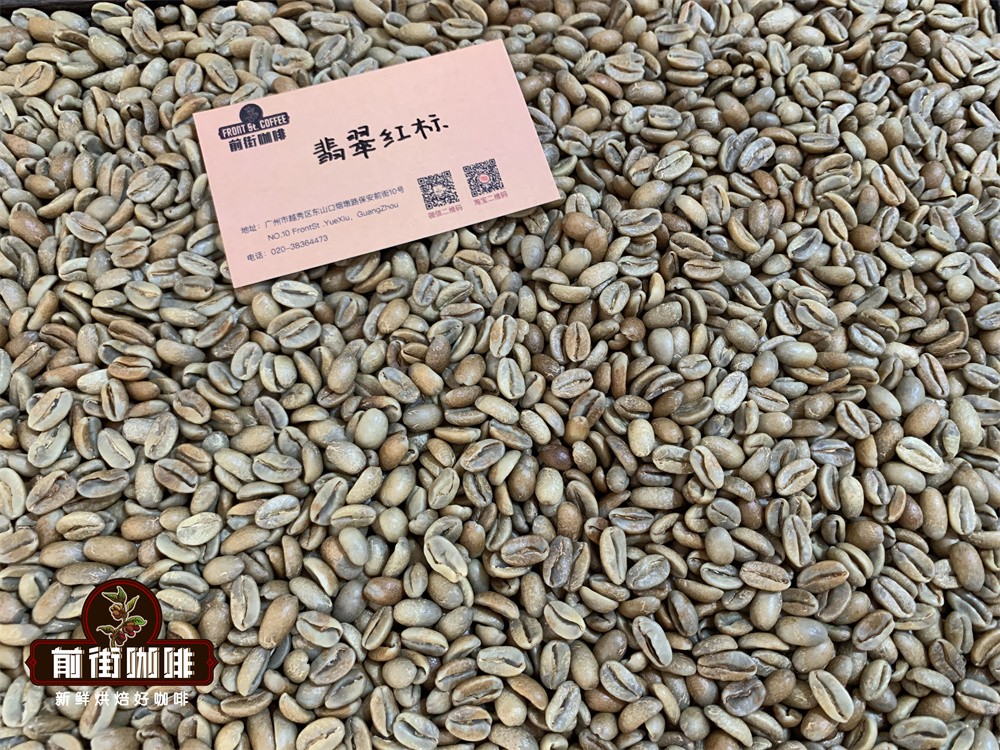
Geisha green beans are slender and smooth, with a slight aroma of peach, grass, and berries. Geisha roasted to an appropriate degree can display its pure yet extremely rich aroma, with floral and fruity notes elevated to another level. With just a gentle sip, that full yet clean intense floral and fruity aroma instantly fills the mouth and throat. The bright flavor, like brilliant spring sunshine, is truly admirable.
Influenced by different weather, soil, and altitude, Geisha from different origins also varies. In a Geisha with alluring notes of citrus, lemon, and honey, ice makes the floral aroma more reserved, like a lute half-hidden behind the door, but after the lingering honeyed sweetness, the lemon and citrus aroma is extremely refreshing.
The Geisha from Panama Geisha Hacienda La Esmeralda can be said to be the most famous Geisha. Since 2005, Emerald Estate's Geisha has won more than a dozen championships in various world coffee competitions. Emerald Estate's Geisha is generally divided into three tiers: Red Label, Blue Label, and Green Label. Blue Label has now been discontinued, so only the highest-grade Front Street Emerald Red Label and Front Street Emerald Green Label remain, becoming benchmark brands for high-end Panama Geisha and especially worth coffee enthusiasts trying.
However, because Emerald Estate Geisha remains expensive, it is difficult to make it an everyday coffee. So if we want to experience a "Geisha fix," the first choices are Front Street Boquete Geisha and Front Street Butterfly.
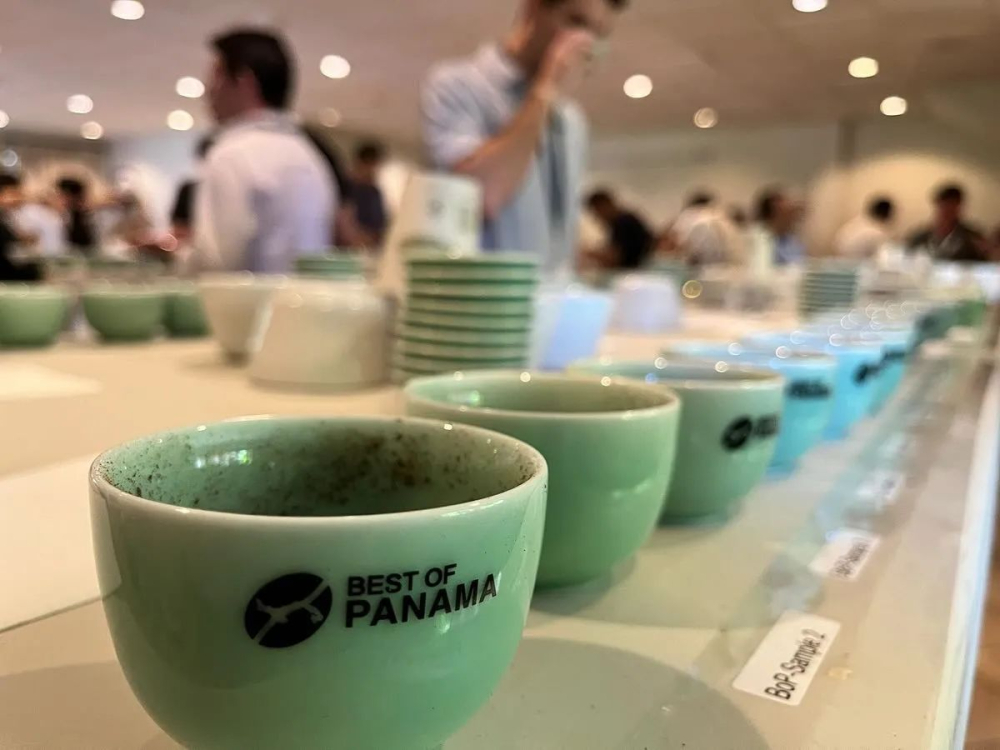
Boquete is one of Panama's most famous Geisha-producing regions. Coffee here shows a distinctive aroma under exceptional terroir conditions, and most of the well-known local estates come from this area, so Front Street Boquete Geisha is also a must-try single-origin coffee for coffee lovers just getting started.
Front Street Butterfly is an everyday coffee launched specifically for Geisha fans. It combines three major varieties—Geisha, Caturra, and Catuai—giving the coffee orange-like honeyed charm while also offering the advantage of being tasty yet affordable, so it is very suitable for cost-effective home users.
Since the above Geisha coffees are all medium-light roasts, mainly expressing floral and fruity flavors, they are suitable for making iced pour-over.
Dose: 15 g
10x hot water: 150 g
5x ice amount: 75 g
Water temperature: 92°C
Grind size: 82% passing a No. 20 sieve (EK43s setting 9, C40 setting 22)
Dripper: Hario V60
Technique: three-pour
First, place 75 g of ice into the server, then pour 15 g of ground coffee into the dripper and gently level it. For the first pour, use a small flow of 3–4 ml/s to pour 30 g of hot water from the center outward in small circles for a 30-second bloom; after 30 seconds, using the same technique, pour the second stage of 60 g of water, being careful not to raise the water level too high, as this can easily cause underextraction; when the coffee liquid is about to run dry, pour the remaining 60 g of hot water at a flow rate of 3 ml/s, ensuring the extraction time falls within 1 minute 50 seconds to 2 minutes.
The above content is compiled by CoffeeHunters, a coffee news website.


