







Search Results for: Gada Special Economic Zone

Chinese Investment of 50 Million USD to Develop Ethiopia's Gada Special Economic Zone: Opportunities and Security Challenges for the Coffee Processing Industry
Recently, the Ethiopian Investment Commission signed a subcontractor developer agreement with the Chinese enterprise CKIIG to develop 20 hectares of land in the Gada Special Economic Zone, with a total investment of 50 million USD (about 6 billion birr). The project focuses on areas such as coffee processing and is expected to enhance Ethiopia's coffee processing technology and export competitiveness. However, Ethiopia currently faces multiple challenges, including armed conflict, kidnapping incidents, earthquakes, and currency depreciation, causing coffee industry costs to keep rising. Front Street Coffee will continue to follow developments in the origin and bring frontline news to coffee lovers. [more…]

East Africa Storms Hit Coffee Regions: Farmland Flooded in Ethiopia's Sidama, Kenya's Nyeri and Beyond, Heightening Risk of Reduced New-Crop Yields
Recently, multiple East African countries have been hit by prolonged heavy rainfall and flooding, affecting major coffee-producing nations such as Ethiopia, Kenya, and Tanzania. Floods have destroyed farmland, roads, and homes, and coffee trees in their growing period face serious threats. Among them, the damage in Ethiopia's well-known Sidama region and Kenya's central producing areas is particularly concerning. At the same time, the Ethiopian government has announced the launch of its first special economic zone and signed an agreement with a Chinese company to cooperate on building the Lemi Free Trade Zone, focusing on areas such as coffee processing. This article will review the specific impact of this disaster on Africa's coffee industry and its subsequent trajectory. [more…]

Armed attack in Ethiopia's Sidama Kenso district leaves 14 dead, coffee-producing region faces security and economic pressure
In the Konso Zone of the Southern Nations, Nationalities, and Peoples' Region in southern Ethiopia, armed attacks lasting several days recently occurred, resulting in at least 14 deaths, including 8 police officers and 5 civilians, with another person later confirmed dead. The attackers targeted police stations, government institutions, and civilians, looting property and setting fire to government buildings and residences, and only fled after the national defense forces and federal police intervened. The Konso Zone is not only part of the Southern Nations, Nationalities, and Peoples' Region but also an important component of the Sidamo coffee-producing area, adjacent to the Yirgacheffe region. This incident has displaced approximately 37,000 people, with property losses exceeding 600 million birr. Although the armed militants have withdrawn, they may move to surrounding areas to continue their activities, posing a direct threat to the region's coffee and other agricultural industries. Meanwhile, the depreciation of Ethiopia's currency and domestic inflation, combined with the security situation, have cast a shadow over the prospects for coffee exports. Front Street Coffee will continue to monitor developments in the producing area. [more…]
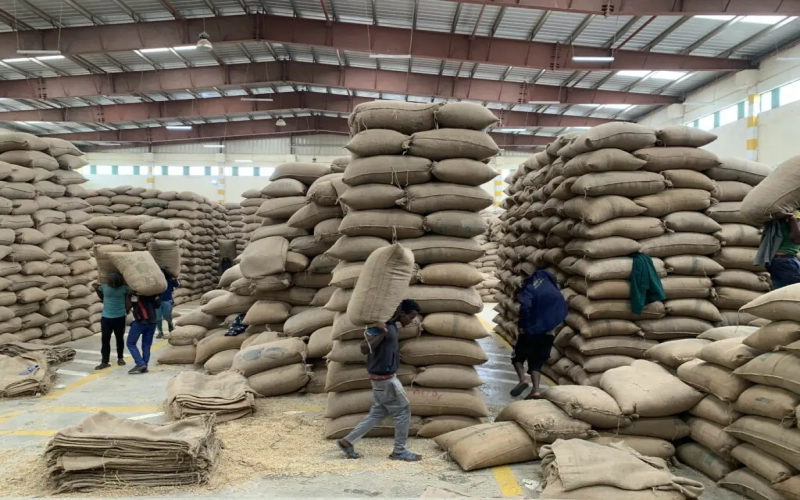
Flavor Analysis of Ethiopia Guji Zone Baha Natural G1 Coffee Beans and Discussion of the Regional System
In the landscape of Ethiopian specialty coffee, the Guji region is rising with strong momentum, becoming another star after Yirgacheffe. This article comprehensively reviews the flavor characteristics of Guji region Hambela natural G1 coffee beans, from the export system and regional terroir to processing method details. The article first analyzes the differences and traceability challenges among Ethiopia's three major coffee export systems, then focuses on the significance of the single-farm system for specialty coffee development. It subsequently delves into the geographical location, historical background, and ethnic customs of the Guji region, comparing its similarities and differences with the Yirgacheffe region, revealing Guji's potential as a future engine of innovation. Front Street Coffee recommends this natural G1, which presents typical Ethiopian flavors while possessing subtle unique characteristics, worthy of careful savoring by coffee enthusiasts. [more…]
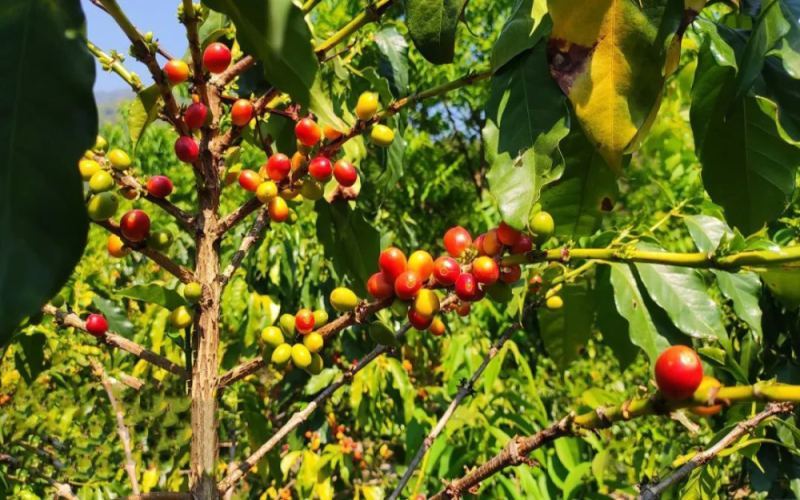
An Analysis of the Unique Flavor of Yunnan Small-Bean Peaberry Coffee: Is the Arabica Variety Actually Good?
Coffee belongs to the Rubiaceae family and is an evergreen small tree or shrub. About 70 coffee-producing countries worldwide are concentrated in the tropical and subtropical regions between 25 degrees north and south latitude, an area often called the "Coffee Belt." Among the many producing regions, Yunnan arabica coffee is attracting increasing attention. This article will focus on Peaberry in Yunnan arabica coffee, introducing its formation causes, production scarcity, and flavor concentration characteristics. It will also outline the main sub-varieties of Yunnan arabica and their respective advantages and disadvantages, and recommend three representative Yunnan coffee products under the Front Street Coffee brand, covering everyday beans, classic Typica, and espresso blends, to help coffee lovers more comprehensively understand the regional flavors of Yunnan coffee and purchasing directions. [more…]
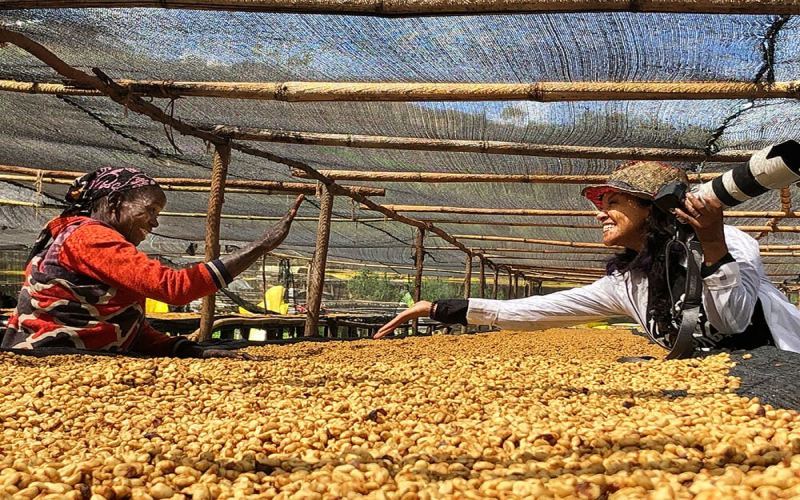
Exploring Ethiopia's Bench Maji: A Complete Origin Analysis of Gesha Village Estate and the Native Geisha Variety
Ethiopia, as the birthplace of coffee, possesses the world's richest coffee gene pool, and the Bench Maji region on the western border is the original homeland of the renowned Geisha variety. This article systematically examines the unique characteristics of this region, from its geographical environment, regional divisions, and cultivation patterns to the varieties and grading systems of Geisha village estates. Front Street Coffee uses this year's new-crop Gold Label Geisha as an example to present the cupping flavors and in-store pour-over parameters, giving you a complete picture of Ethiopian Geisha from forest to cup. [more…]
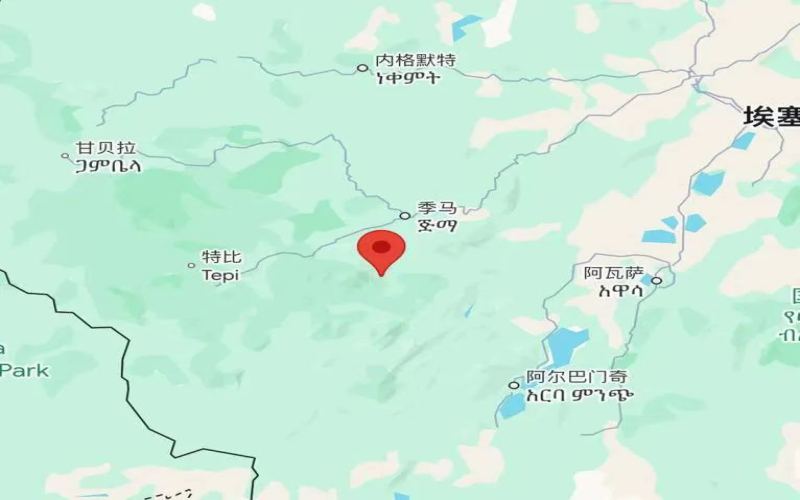
Landslide in the Konta district near Jimma, Ethiopia, kills 6, putting multiple pressures on the coffee harvest season and exports
A landslide occurred recently in the Konta district of southwestern Ethiopia, killing at least six people. The area is adjacent to important coffee-producing regions such as Jimma and Kaffa. Since the start of this year, the locality has repeatedly suffered similar disasters, with about 300 people killed between July and September. Persistent heavy rainfall not only threatens public safety but also delays coffee harvesting, obstructs transportation, and puts pressure on output. At the same time, the regional security situation, exchange rate fluctuations, rising fertilizer costs, and the drought risk that La Niña may bring all make the outlook for Ethiopia's coffee industry full of uncertainty. However, the delay of the EU's EUDR and the decline in coffee prices, as well as the lowering of the minimum export floor price, also bring a glimmer of good news for exports. [more…]
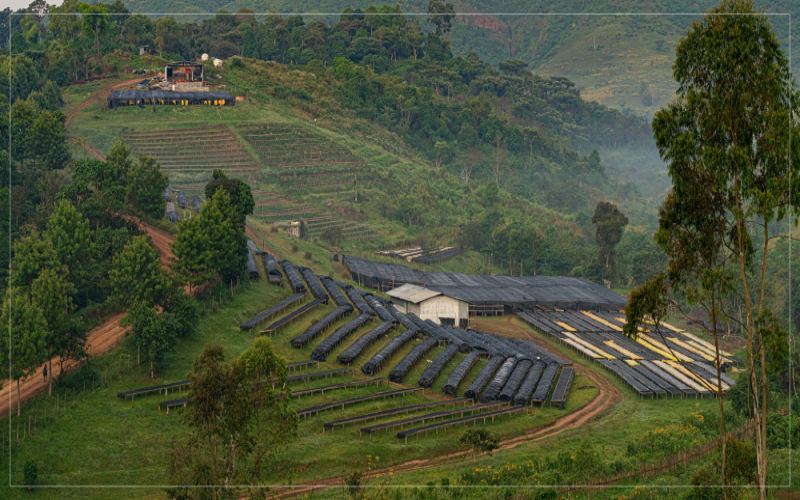
Ethiopia Bench Maji Region Full Guide: The Birthplace of Geisha, Forest Planting Model, and the Grading System of Gesha Village
In Ethiopia's specialty coffee landscape, Yirgacheffe, Sidamo, and Guji Hambela often take center stage in conversations, but along the country's western border lies a coffee region covered in pristine forest and renowned for its high-quality beans—Bench Maji. It is not only the birthplace of the Geisha variety but also home to the Gesha Village Coffee Estate. This article will cover the geography and climate, cultivation patterns, and the history of Geisha's origins, then move on to the grading system at Gesha Village, followed by Front Street Coffee's detailed introduction to Gold Label and Red Label Geisha along with pour-over recommendations, giving coffee lovers a complete picture of this understated yet highly capable region. [more…]

Exploring Ethiopia's Bench Maji Region: A Complete Analysis of Gesha Village's Natural Geisha Coffee
Ethiopia, as the birthplace of coffee, possesses the world's richest coffee gene pool, and the Bench Maji region is precisely the birthplace of the legendary Geisha variety. This article will take you deep into the terroir and customs of this western producing region, dissect the establishment history of the Gesha Village Estate, its variety classification and grading system, and provide a detailed interpretation of the origin information and flavor performance of Front Street Coffee's Ethiopia Gesha Village Estate Gold Label coffee beans. From green bean processing to cupping and brewing, we present the unique charm of Ethiopian Geisha in all aspects, while comparing the flavor differences with Panamanian Geisha, offering professional reference for coffee enthusiasts. [more…]

Birr exchange rate falls for three consecutive days to 83.94, Ethiopia's foreign exchange reform triggers a chain reaction in prices and coffee exports
Since Ethiopia implemented a new foreign exchange policy on July 31, the birr has fallen three times in a row against the US dollar within just a few days, dropping to 83.94 birr per US dollar on August 2, sharply increasing the pressure on local people's livelihoods. The Addis Ababa City Trade Bureau promptly sanctioned 387 businesses suspected of price gouging, while opposition parties criticized the timing of the reform as inappropriate. At the same time, exports of agricultural products such as coffee have gained competitiveness in the short term due to currency depreciation, but climate disasters, the Red Sea shipping crisis, and domestic conflict cast a shadow over the long-term outlook. This article will sort out the deeper impact of exchange rate fluctuations on Ethiopia's economy, prices, and coffee industry, and also look at how brands such as Front Street Coffee are responding amid changes in the place of origin. [more…]

Ethiopian Yirgacheffe Region Flavor Analysis: Natural vs. Washed Processing Differences and Brewing Water Temperature & Grind Recommendations
Yirgacheffe is one of Ethiopia's most representative specialty coffee regions, renowned for its citrus, lemon, jasmine aromas and bright fruit acidity. From the perspective of Front Street, this article sorts out the origin of the name Yirgacheffe, its cultivation history, and variety characteristics, with a focus on comparing how the two processing methods—natural and washed—influence the flavor direction, while also illustrating this with specific lots such as Aricha, Kochere, Konga, Gedeb, and Worka. The article also touches on the effects of grind size and water temperature on extraction results, providing coffee enthusiasts with a reference for building a systematic understanding of the region and brewing approaches. [more…]
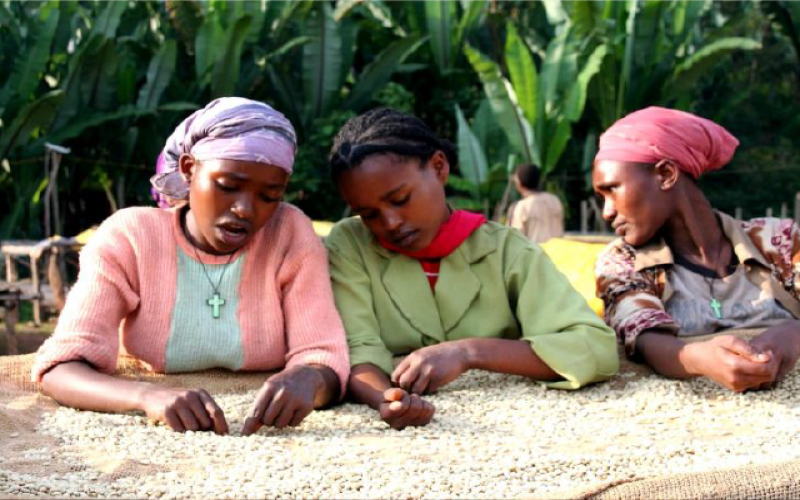
Exploring Ethiopia's Bench Maji: Gesha Village Estate Gold Label Geisha Coffee Bean Origin and Flavor Analysis
Ethiopia, as the birthplace of coffee, possesses the world's richest coffee gene pool, and the Bench Maji region on the western border is the original homeland of the renowned Geisha variety. Gesha Village Coffee Estate is rooted here, cultivating the highly sought-after Gold Label Geisha through strict plot management and grading systems. In this article, Front Street Coffee will take you on an in-depth journey into the terroir characteristics of Bench Maji, the history and varieties of Gesha Village Coffee Estate, and an analysis of the flavor profile of Gold Label Geisha, followed by detailed pour-over brewing recommendations for coffee enthusiasts to reference. [more…]
Full Analysis of Ethiopia's Gesha Village Coffee Region: From Bench Maji Forest to Gold Label Geisha Coffee Beans
As the birthplace of coffee, Ethiopia possesses the world's richest coffee genetic resources, and the legendary Geisha variety originated from here. However, most people are only familiar with the glory of Panamanian Geisha and know limited information about Ethiopia's native Gesha Village—where exactly is it located? What varieties does it cultivate? How does its grading system operate? This article will guide readers deep into the Bench Maji production region in western Ethiopia, sorting out Gesha Village's geographical background, variety composition, plot division, and lot grading, along with a brewing demonstration of Gold Label Geisha by Front Street Coffee for coffee enthusiasts' reference. [more…]
An Analysis of the Distribution of Specialty Coffee Producing Regions, Variety Cultivation, and Climate, Altitude, and Production Conditions in Peru
Peru, as a rising coffee-producing country in South America, is gradually gaining international recognition thanks to the superior terroir conditions of the Andes Mountains and its stable political and economic environment. Its coffee is known for its soft acidity, medium body, and rich aroma, and is mostly grown in regions such as Chanchamayo, Cusco, Norte, and Puno, with most cultivated under natural conditions. 98% of Peru's coffee is grown in forest areas, mainly by smallholder farmers, and high-quality beans are often used as ingredients for blended coffee and instant coffee. Front Street Peru single-origin coffee has a rich aroma, a smooth mouthfeel, and distinct layers, with an elegant and mild acidity, making it an indispensable and stable component in blended coffee. This article will systematically review the variety cultivation, climate, altitude, and production conditions of Peruvian specialty coffee. [more…]

Luckin Coffee files appeal in the 560 million yuan repurchase payment case, demanding Shenzhou Ucar bear the shortfall top-up liability.
There has been a new development in the trust dispute case between Luckin Coffee (China) Co., Ltd. and Yousheng (Tianjin) Technology Development Co., Ltd., Yousheng Chengyi (Tianjin) Information Technology Co., Ltd., and Shenzhou Ucar Co., Ltd. Dissatisfied with the first-instance civil judgment, Luckin Coffee has filed an appeal with the court. The case involves a repurchase price of over 560 million yuan plus interest, and the focal point of the dispute is whether Shenzhou Ucar should bear the shortfall top-up liability. This article will sort out the background of the case, the first-instance judgment, and Luckin Coffee's appeal requests to help readers understand this closely watched commercial dispute. Follow Coffee Workshop and Front Street Coffee for more professional coffee industry news. [more…]
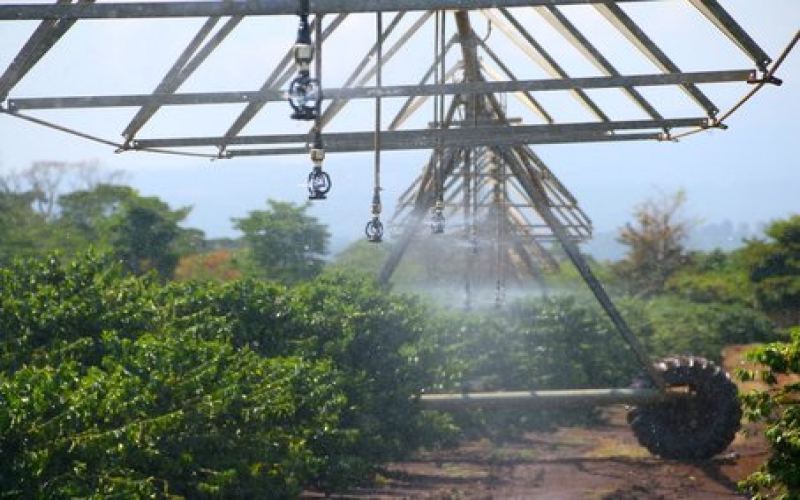
East African Tanzanian AA Kilimanjaro Coffee: From Regional History to Washed Processing and Pour-Over Parameter Analysis
Tanzania and Kenya are both located in East Africa, and each has its own following among specialty coffee enthusiasts, but the former's flavors often come across as softer and more gentle. From Front Street's perspective, this article sorts through the introduction history of Tanzanian coffee, the cooperative system, and the terroir conditions of the Kilimanjaro growing region, introduces the local predominantly washed processing methods, and offers Front Street's pour-over extraction recommendations for a Kilimanjaro AA lot of Typica, including dripper, water temperature, coffee-to-water ratio, and the rhythm of staged pouring, to help coffee lovers understand why this bean presents interwoven layers of citrus, berry, honey, and tea-like notes. [more…]
An In-Depth Analysis of Ethiopia's Bench Maji Region: The Origin Story of Gesha Village Estate and Native Geisha
Among Ethiopia's many coffee-producing regions, Yirgacheffe, Sidamo, and Guji Hambela often dominate the conversation, but Bench Maji on the western border is an underrated treasure. Not only does it preserve vast tracts of virgin forest, it is also home to the renowned Gesha Village Coffee Estate and the area where the Geisha variety was first discovered. Front Street Coffee will take you into Bench Maji, sorting through its geography and climate and its forest-based cultivation model, tracing the century-long story of Geisha from the Kafa forest to Panama and then to the founding of Gesha Village, and offering a detailed breakdown of Gesha Village's Gold Label, Red Label, and other grading systems along with brewing recommendations. [more…]

A Complete Guide to Costa Rican Coffee Regions: Flavors of Eight Producing Areas and the Raisin Honey Process Specialty of Tarrazú
Although Costa Rica is located in a corner of Central America, its fertile volcanic ash soil and pleasant highland climate have nurtured high-quality beans that captivate coffee lovers worldwide. This article systematically reviews the country's eight major production regions—from the Western Valley to Guanacaste—analyzing each area's altitude, harvest season, and flavor characteristics one by one, with particular emphasis on the unique status of the Tarrazú region. At the same time, Front Street Coffee will share insights from introducing several Tarrazú specialty beans, including the Musician Series and the Mirazu Geisha blend, delving into the rich flavor layers brought by the raisin honey processing method, as well as practical parameter recommendations for daily brewing. [more…]
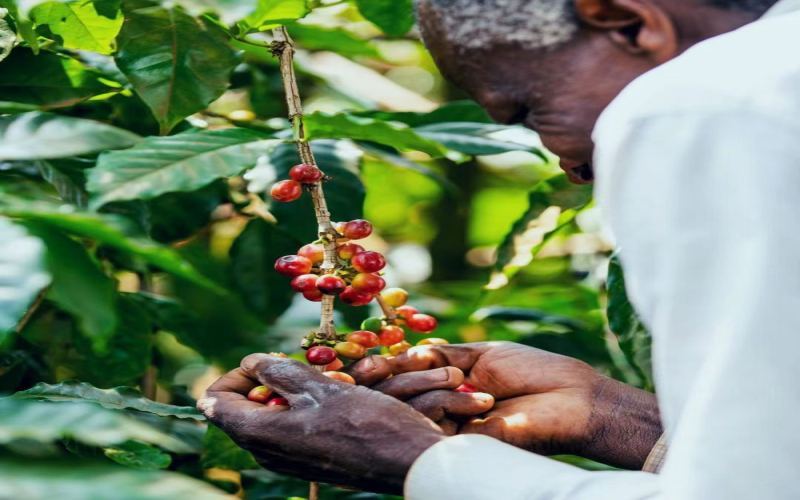
A Complete Guide to Tanzanian Coffee Beans: From the Terroir of the Kilimanjaro Region to a Practical Guide for Washed Pour-Over
When it comes to East African specialty coffee, most people first think of Kenya, but neighboring Tanzania is equally worth attention. The coffee produced here has soft acidity and a light sweetness, presenting a gentle style completely different from Kenya's dark berry notes. This article will begin with the cultivation history of Tanzanian coffee, tracing the industry's changes from the colonial period to after independence. It will focus on the terroir conditions and ecological advantages of the Kilimanjaro production area, analyze how the local predominantly washed processing method shapes a bright flavor reminiscent of citrus and honey, and include product information for Front Street Coffee's Tanzanian Kilimanjaro coffee beans along with pour-over extraction parameters, providing coffee lovers with a complete understanding of the production area and a brewing reference. [more…]

Analysis of Costa Rican Coffee Flavors: Honey Processing and the Tarrazú Region's Front Street Musician Series
Honey processing is often misunderstood as adding honey during processing, but it is actually a special method that retains the mucilage layer and dries the coffee in the sun, and Costa Rica is the country that has mastered this craft most brilliantly. From the perspective of Front Street Coffee, this article systematically outlines the complete honey processing workflow, analyzes the distribution of Costa Rica's seven coffee-producing regions, and focuses on Front Street's Musician Series from the Tarrazú region—Bach, Beethoven, and Mozart—covering their varieties, altitudes, processing methods, and flavor characteristics. Finally, it includes Front Street's V60 brewing parameter recommendations to give you a comprehensive understanding of the unique charm of Costa Rican coffee. [more…]