







How Do Floods on the Coffee Farm Threaten New Crops?
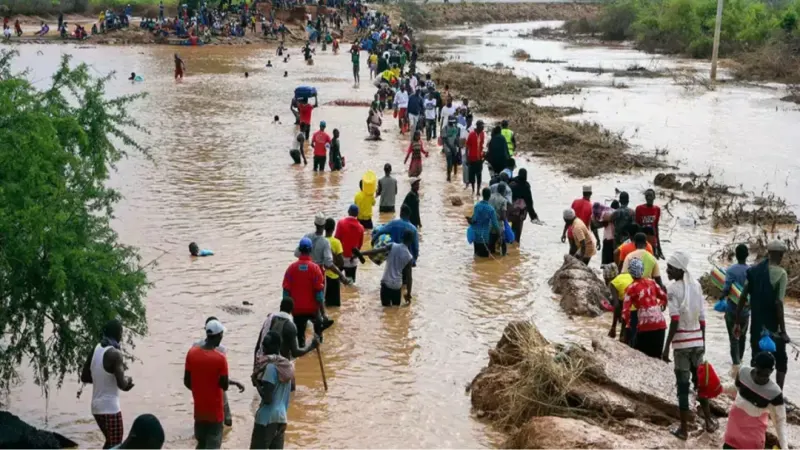
Prolonged heavy rain and severe flooding across East Africa have damaged farmland, roads, and homes in Ethiopia, Kenya, and Tanzania, threatening coffee trees during the growing season. Ethiopia's Sidamo region and Kenya's central growing areas are among the hardest hit. Kenya reports two-thirds of its 47 counties affected, and more than 600,000 people in the region have been forced to leave their homes.
In Kenya's Nyeri, Nakuru, and Kiambu areas, coffee trees are flowering and fruiting, with harvest normally starting in June, so output for the next season stands to drop. Tanzania's Kilimanjaro region has seen rain-triggered landslides. Separately, Ethiopia has launched its first special economic zone, signing an agreement with a Chinese company to build the Lemi Free Trade Zone focused on coffee processing and other sectors, a development for the wider coffee industry.
Recently, multiple East African countries have been hit by prolonged heavy rainfall and severe flooding, affecting major coffee-producing nations such as Ethiopia, Kenya, and Tanzania. Floods have destroyed farmland, roads, and homes, posing a serious threat to coffee trees during their growing season. Among the hardest-hit areas, Ethiopia's renowned Sidamo region and Kenya's central growing areas have drawn particular concern. Meanwhile, the Ethiopian government has announced the launch of its first special economic zone and signed an agreement with a Chinese company to jointly build the Lemi Free Trade Zone, focusing on coffee processing and other sectors. This article will examine the specific impact of these disasters on Africa's coffee industry and what may lie ahead.
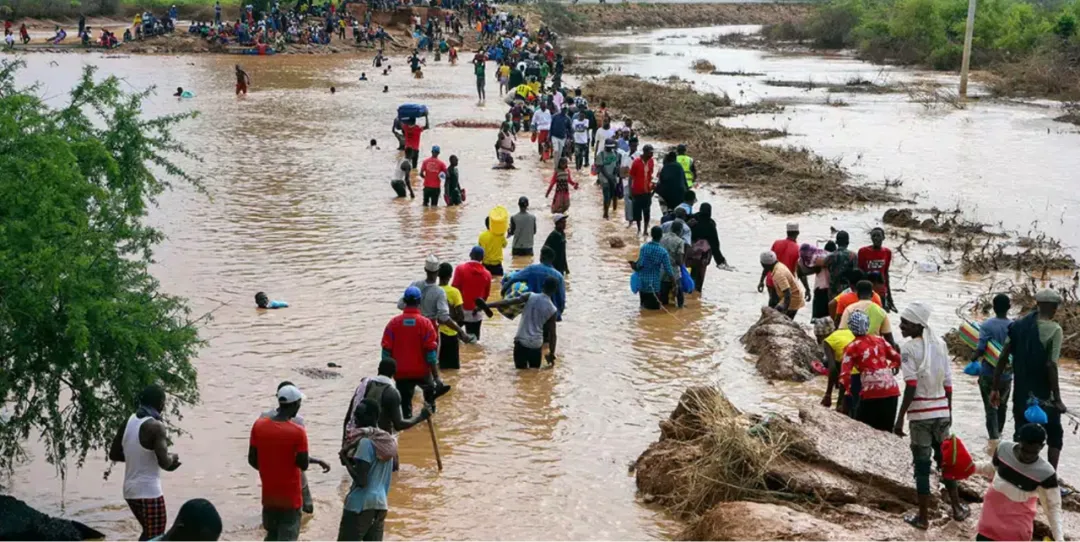
In recent times, extreme weather events have occurred frequently across many parts of the world, and East Africa has not been spared. Several East African countries have experienced sustained heavy rainfall, triggering severe flooding.
Yesterday, an international climate monitoring agency issued a warning that flooding driven by climate fluctuations has forced more than 600,000 people in East Africa to leave their homes. Over the coming weeks, even heavier rainfall could pose a severe threat to nine regions in Ethiopia and neighboring East African countries.
According to United Nations data, extreme weather caused by the El Niño phenomenon has affected at least 250,000 people in Kenya, while approximately 179,000 in Burundi, 127,000 in Somalia, and 126,000 in Tanzania have also been impacted.
In addition, torrential rain and floods have damaged infrastructure such as homes, schools, and roads in these areas, while crops including coffee and cultivated farmland have also been destroyed.
Kenya's losses have been particularly severe, with two-thirds of its 47 counties hit by serious flooding. In the central regions of Nyeri, Nakuru, and Kiambu — Kenya's core coffee-producing areas — coffee trees are currently in the flowering and fruiting stages, with the harvest season normally not beginning until June. The torrential rain and floods will significantly impact Kenya's coffee output for the next season.
In Tanzania, the major coffee-producing region of Kilimanjaro has also been struck by landslides triggered by heavy rain, with large amounts of mud cascading down hillsides and directly destroying farmland.
The United Nations Office for the Coordination of Humanitarian Affairs (UNOCHA) stated that the rainy season in these areas is expected to continue until May, and the situation could deteriorate further given the devastating impact already caused.
Meanwhile, Ethiopia's Somali Region and Oromia area have also been battered by extreme rainfall and flash floods. According to statistics, at least 50 people have lost their lives, more than 30,000 households have been displaced, and at least 10,000 livestock have died, with crops and farmland destroyed.
However, the band of heavy rain is now expected to advance toward the central part of the country, affecting multiple areas in the south-central region, particularly the famous coffee-producing area of Sidamo and its surroundings, where an estimated 145,000 residents are expected to be affected. This comes at a time when Ethiopia's coffee is in its growing season.
Moreover, in Ethiopia's coffee-producing regions, coffee trees are mostly planted near farming households' homes, with each household owning roughly a hundred trees — a cultivation method that most small-scale coffee farmers rely on for their livelihoods. But the force of the floods has destroyed homes and farmland, ultimately leading to reduced coffee production in Ethiopia for the next harvest season.
Despite the current disasters, there is also positive news. The Ethiopian government recently announced the launch of the country's first special economic zone — the Gada Special Economic Zone — and signed an agreement with a Chinese company to cooperate on developing and building the Lemi Free Trade Zone within the Gada Special Economic Zone.
According to the Investment Agreement for the Lemi Free Trade Zone in the Gada Special Economic Zone signed by both parties, the partners will introduce advanced international technology and management expertise, leverage local resources, and build the Lemi Free Trade Zone into a comprehensive free trade zone integrating production, trade, and research and development, with a key focus on coffee processing, bamboo and wood processing, and mechanical equipment manufacturing.
The above content is compiled by CoffeeHunters, a coffee news website.


