







Honey processing is often misunderstood as adding honey during processing, but it is actually a special method that retains the mucilage layer and dries the coffee in the sun, and Costa Rica is the country that has mastered this technique most brilliantly. From the perspective of Front Street Coffee, this article systematically sorts out the complete honey processing workflow, analyzes the distribution of Costa Rica’s seven coffee-producing regions, and focuses on the Front Street Musician Series from the Tarrazu region—Bach, Beethoven, and Mozart—covering their varieties, altitudes, processing methods, and flavor characteristics. Finally, it includes Front Street’s V60 brewing parameter suggestions to give you a comprehensive understanding of the unique charm of Costa Rican coffee.
For more specialty coffee knowledge, please follow the WeChat public account: FrontStreet Coffee
Honey processing—does it really mean processing the coffee together with honey? Of course not. The word “honey” alone is enough to spark plenty of associations, and since coffee itself can also carry a honey-like sweetness, it is no wonder Front Street constantly receives questions about the honey processing workflow. Coffee lovers are indeed very curious about this processing method. Today, Front Street will explain the ins and outs of honey processing clearly.
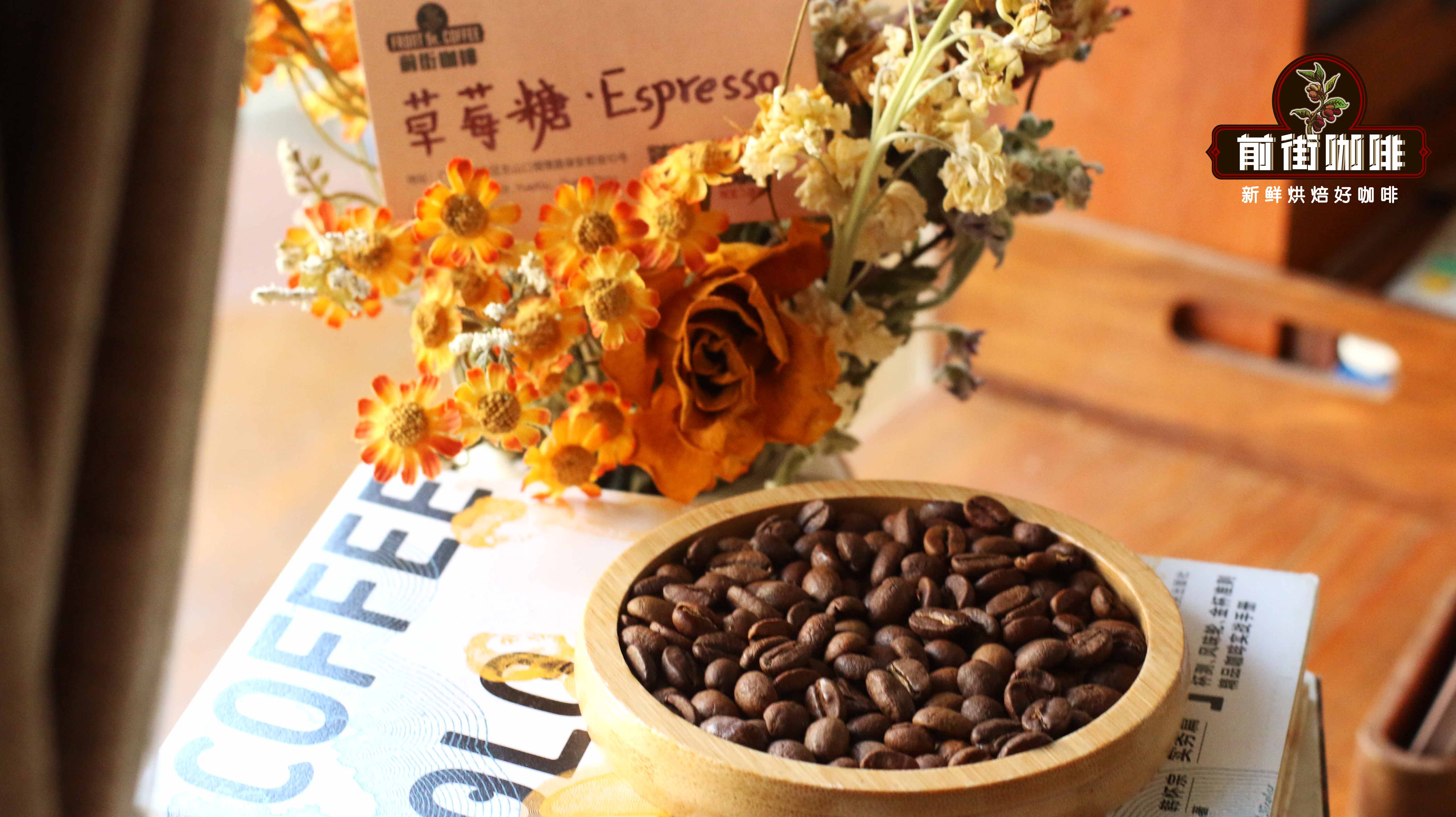
When it comes to honey processing, the country that has taken it to the extreme is Costa Rica. Although most Costa Rican coffee currently still follows the traditional washed route, Front Street has always believed that honey processing is the most noteworthy feature of this country’s coffee. Beans processed by the honey method show outstanding sweetness. Compared with coffee using the washed method, the sweetness is noticeably higher, while the acidity is medium and does not bring too strong a stimulating sensation on the palate. For example, Front Street Strawberry Candy Coffee Beans are a honey-processed product. The brewed black coffee gives off elegant floral aromas and fruit notes similar to strawberry gummies. It is currently available at Front Street stores and the Front Street flagship store.
So, what are the specific steps of honey processing?
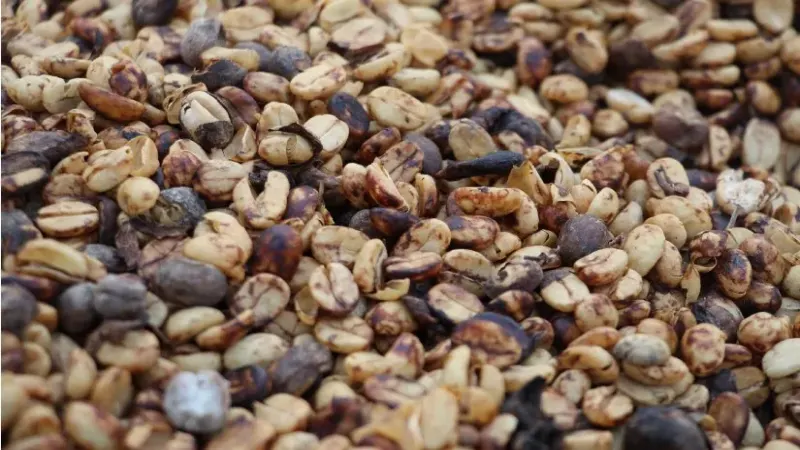
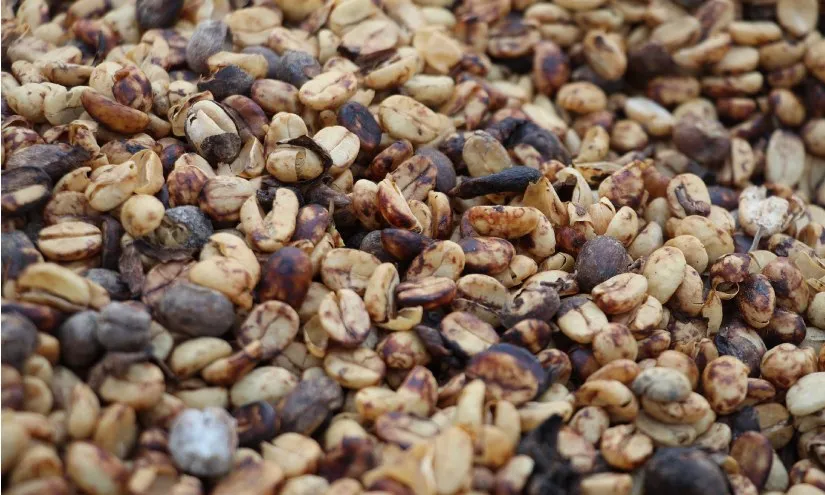
Bean selection is the first step. After qualified coffee cherries have their skin and pulp removed, the mucilage layer is exposed. Unlike the washed method, which removes mucilage through fermentation, honey processing chooses to retain the mucilage layer directly and then dry the beans in the sun. Before entering the sun-drying stage, the mucilage on the bean surface is very sticky, with a texture close to honey; after exposure to the sun, the mucilage layer absorbs moisture from the air and becomes even more viscous. For this reason, this processing method is named honey processing.
Friends familiar with coffee probably know that Costa Rica has a long coffee tradition. Not only is its craftsmanship superb, but it also produces world-class high-quality coffee. Whether in terms of natural conditions or continuous acquired research and investment, Costa Rica can be called an outstanding coffee-producing country. This country ranks third from the bottom in area among the narrow Central American nations, but its economic level leads more than half of the countries. Costa Ricans often say that coffee changed this country and enabled its people to live prosperous lives. Coffee’s contribution to this country truly cannot be ignored.
Front Street believes that the flavor characteristics of Costa Rican coffee can be called the classic model of premium coffee, and the title of superior coffee is not undeserved. The flavor expression of Costa Rican coffee has always been balanced and stable, with a mild mouthfeel, relatively high acidity, abundant aroma, and a full-bodied texture. It is extremely balanced when tasted and is deeply popular.
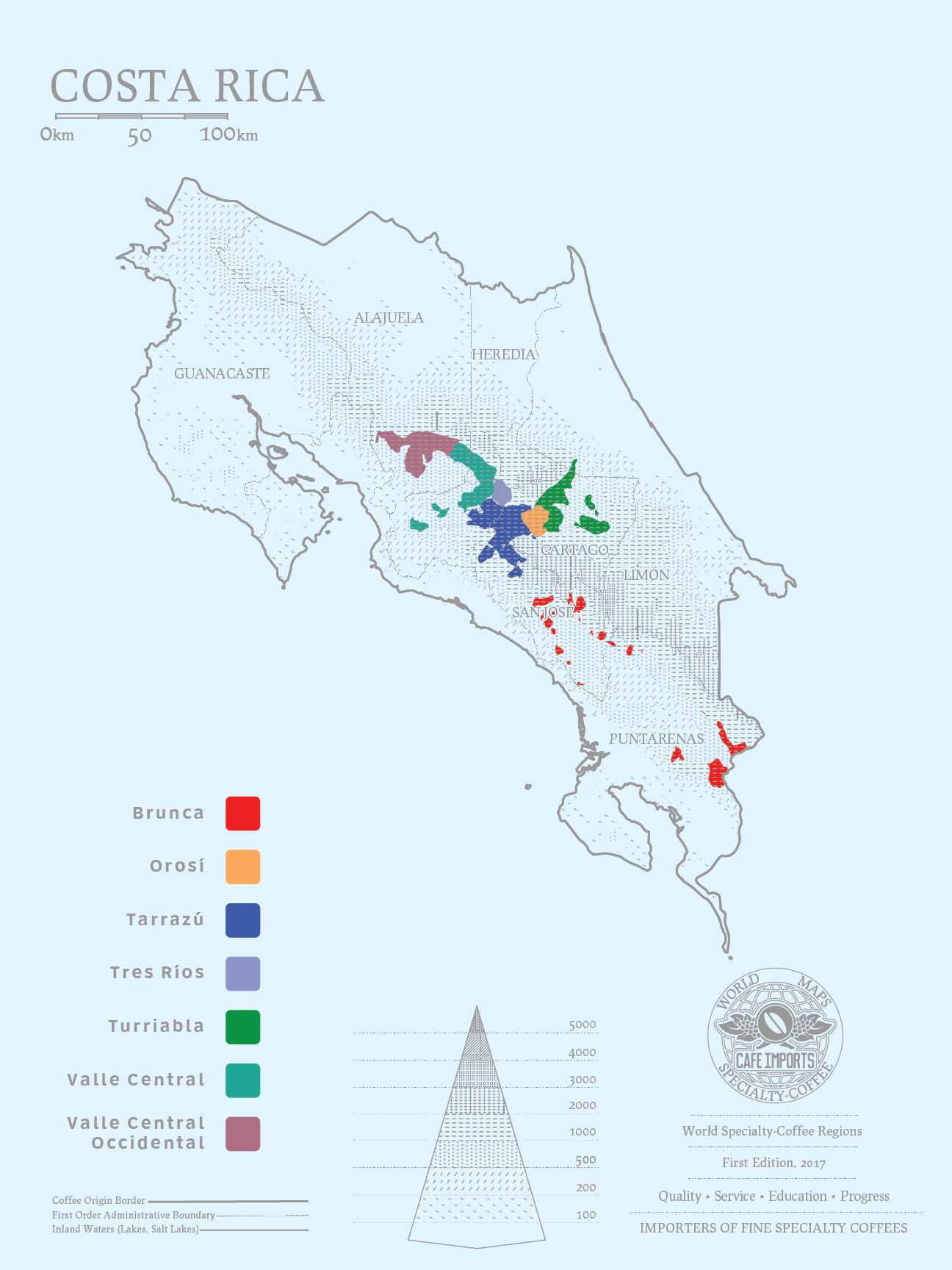
Why is Costa Rican coffee so delicious? There are actually many variables affecting coffee flavor: variety, origin, cultivation method... Front Street thinks Costa Rica’s coffee-producing regions should be examined separately. Costa Rica has seven coffee-producing regions in total: Turrialba Valley, Central Valley, West Valley, Tres Ríos, Brunca, Orosi, and Tarrazu. Among them, Central Valley, Tarrazu, and Brunca are the best known. Combining this with Front Street’s coffee beans, Front Street will now begin today’s introduction.
Among Costa Rican coffee beans, the most famous is the Front Street Musician Series from Canet Estate. These beans are produced in Tarrazu, Costa Rica. Tarrazu is renowned in the specialty coffee world and is one of the world’s major coffee-producing origins.
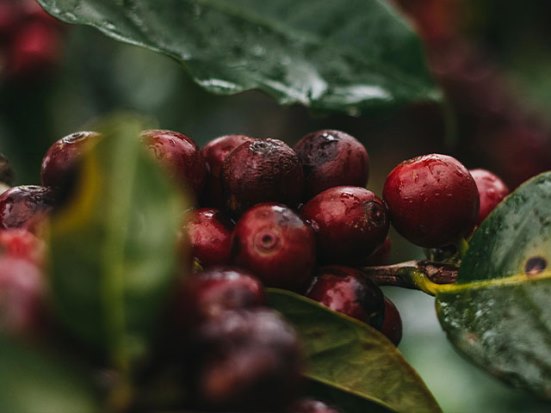
At the 2014 COE competition, 17 of the 23 winning beans came from the Tarrazu producing region. Tarrazu is located in the fertile volcanic zone of Central America, with a humid climate, fertile volcanic rock soil, sufficient annual rainfall, high altitude, and dense forests that provide natural shade, creating superior natural conditions for coffee cultivation. No pesticides or artificial fertilizers are used during cultivation. Among the coffee beans produced in Tarrazu’s high-altitude areas, nearly 95% are Strictly Hard Bean (SHB), usually grown above 1,500 meters above sea level.
Front Street stores currently offer three Front Street Costa Rican Musician Series coffee beans: Front Street Bach, Front Street Beethoven, and Front Street Mozart. They are introduced one by one below.
Costa Rica Front Street Musician Series Bach
Country: Costa Rica
Region: Tarrazu
Altitude: 1950m
Processing method: Raisin honey processing
Grade: Strictly Hard Bean SHB
Variety: Caturra
Flavor description: Sweet and colorful assorted fruits, with diverse expressions of strawberry, apple, lemon, grape, and citrus; the taste of honey and toffee is unforgettable. Silky, creamy, delicate body, with a long lingering finish like top-grade Indian Darjeeling black tea.
The dry aroma of Front Street Bach coffee presents fruity notes such as strawberry, blackberry, and raisin, and it also releases waves of fruity fragrance during brewing. Just after brewing, the floral and fruity aromas are both very distinct. On the palate, you can feel rich fruit aroma and sweet acidity, with a slight vinous note in the middle and finish, like red wine. After the temperature drops, it carries candied fruit sweetness, and the vinous note becomes more prominent, even revealing flavors of plum wine. Every sip feels like being immersed in the splendor and rigor of Baroque aesthetics.
Costa Rica Front Street Musician Series Beethoven
Country: Costa Rica
Region: Tarrazu
Altitude: 1,900m
Processing method: Washed processing
Grade: SHB
Variety: Yellow Catuai
Flavor description: Aromas of green grape, vanilla, strawberry, melon, and citrus; red pomegranate juice-like acidity; good cleanliness, smooth mouthfeel, with a touch of green kiwi acidity.
Among Romantic-era classical music, the most widely known is Beethoven, and coffee beans that remind people of Beethoven’s music after tasting naturally have outstanding flavor. The dry aroma already has a distinct red berry note, with strawberry the most prominent, accompanied by floral notes. During brewing, you can sense floral aromas, nectar-like sweetness, and green grape. Front Street Beethoven coffee shows the sweet acidity of green grape and red berries on the palate, overall clean and smooth. After the temperature drops, the red berry flavor becomes even more obvious. Some foreign coffee bloggers have even commented that this is a coffee full of summer romance.
By the way, unlike the other beans in the Musician Series that use raisin honey processing, Beethoven uses the washed method to present a clean and refreshing summer-like mouthfeel.
Costa Rica Front Street Musician Series Mozart
Country: Costa Rica
Region: Tarrazu
Altitude: 1,800m
Processing method: Raisin honey processing
Grade: SHB
Variety: Catuai
Flavor description: The sweetness and berry aroma are astonishing! Sweetness, body, and thickness are all quite good, with a ripe-fruit sweetness similar to dried banana.
It gives off an elegant white floral aroma similar to orange blossom. On the palate, dark berry flavors are more prominent, and in the middle and finish you can feel a little plum acidity and gummy-like sweetness. After the temperature drops, it still retains floral and sweet notes. Unlike before, the earlier Front Street Mozart coffee beans used the Yellow Catuai variety with red honey processing and were known for their bold floral aroma. This time, it was decided to use the sweetness of Caturra as the representation of Front Street Mozart.
Did you notice? Front Street Costa Rica Beethoven and Front Street Bach both use raisin honey processing. This processing differs from the honey processing mentioned earlier in some steps. In fact, raisin honey processing is a double fermentation processing method. On the day the coffee cherries are harvested, the harvested coffee fruit is poured into a large water tank, defective beans are removed, and the selected coffee cherries are placed on raised beds to dry for at least three days. Then the cherry skin is removed while retaining the coffee mucilage, after which drying continues. During drying, they must be turned constantly to ensure even drying, while the frequency of turning must be well controlled to avoid over-fermentation. This processing method, which retains 100% mucilage and uses zero water treatment, not only increases the difficulty of honey processing but also imposes strict requirements on timing control.
Front Street Beethoven, on the other hand, uses the washed processing method. After harvesting, it first goes through a screening step to once again pick out beans that are not ripe enough or overripe. Then the pulp is removed, and a centrifugal washer is used to remove the sticky mucilage from the beans to avoid fermentation. They are then rinsed with clean water and finally placed on shaded raised beds to dry for 12 to 14 days, constantly turned to achieve even drying. Washed beans have a cleaner and brighter mouthfeel.
As usual, Front Street still gives everyone some brewing suggestions:
V60 dripper
Water temperature 91°C
Water-to-coffee ratio 1:15
Dose 15g
Grind size (80% passing through China No. 20 standard sieve)
Front Street brewing method: Use 30 grams of water for blooming for 30 seconds, pour in a small stream in a circular motion until 125 grams, then pause in stages. When the water level drops and is about to expose the coffee bed, continue pouring until 225 grams and stop. When the water level drops and is about to expose the coffee bed, remove the dripper. (Start timing at the beginning of blooming.) Extraction time is 2'00".
The above content is compiled by CoffeeHunters, a coffee news website.


