








Which Coffee Producing Regions Define Costa Rican Coffee?
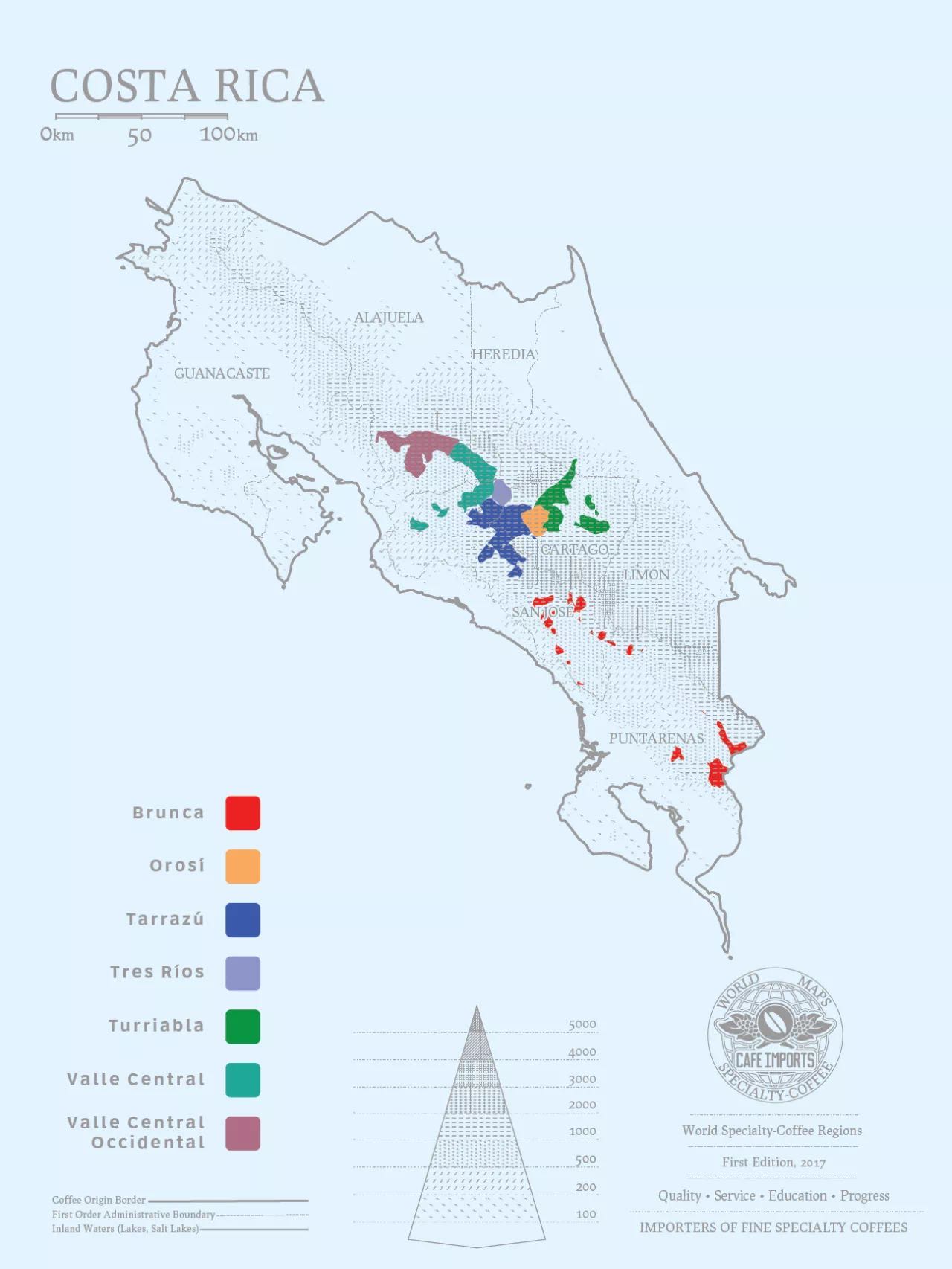
Costa Rica has eight main coffee producing regions: West Valley, Central Valley, Tarrazu, Tres Rios, Orosi, Brunca, and Turrialba. Volcanic ash soil with good drainage and a mild highland climate support high-quality beans, and Tarrazu stands out as a well-known area, sitting at the highest elevations of the group.
Each region differs in altitude, harvest season, and cup profile, which is why the same country can taste so varied. Tarrazu specialty lots such as the Musician Series and the Miramonte Gesha blend use the raisin honey process, adding deep fruit sweetness, while everyday brewing works well at roughly 90 to 92C with a 1:15 ratio and a three-stage pour.
Although Costa Rica is located in a corner of Central America, its fertile volcanic ash soil and pleasant highland climate have cultivated high-quality beans that captivate coffee lovers worldwide. This article systematically reviews the country's eight major producing regions—from the Western Valley to Guanacaste—analyzing each area's altitude, harvest season, and flavor characteristics one by one, with special emphasis on the unique status of the Tarrazu region. At the same time, Front Street Coffee will share insights from introducing several Tarrazu specialty beans, including the Musician Series and the Miramonte Gesha blend, delving into the rich flavor layers brought by the raisin honey processing method, as well as practical parameter suggestions for daily brewing.

Any enthusiast who has dabbled in American coffees has likely heard of Front Street Costa Rican beans. This small Central American country nestled between North and South America produces honey-processed coffees that have enamored countless coffee drinkers. On Front Street Coffee's bean list alone, six Front Street Costa Rican coffees are included, which speaks volumes about their outstanding quality.
Costa Rican Coffee Bean Producing Regions
Those familiar with geography know that Costa Rica is located in Central America, and according to research by Front Street Coffee, it is also one of the earliest countries to introduce and cultivate coffee trees, with a deep heritage. The volcanic soil here is extremely fertile and has good drainage. Especially in the Central Plateau area, volcanic ash provides abundant nutrients, temperatures are mild and moderate, and rainfall is stable and plentiful—all indispensable natural conditions for nurturing high-quality coffee.
Costa Rica has eight main coffee producing regions: West Valley (Valley Central Occidental), Central Valley (Valley Central), Tarrazu, Tres Rios, Orosi, Brunca, and Turrialba. Among them, the most famous and highest in altitude is Tarrazu. Front Street Coffee has a particular fondness for Costa Rican Tarrazu coffee beans. Front Street believes that Tarrazu's washed coffee beans best showcase the classic flavors of this producing region, so Front Street specifically selected Tarrazu coffee beans as Front Street's Costa Rican everyday beans.
Below, Front Street Coffee will introduce the coffee flavor characteristics of each of these eight producing regions one by one.
West Valley:
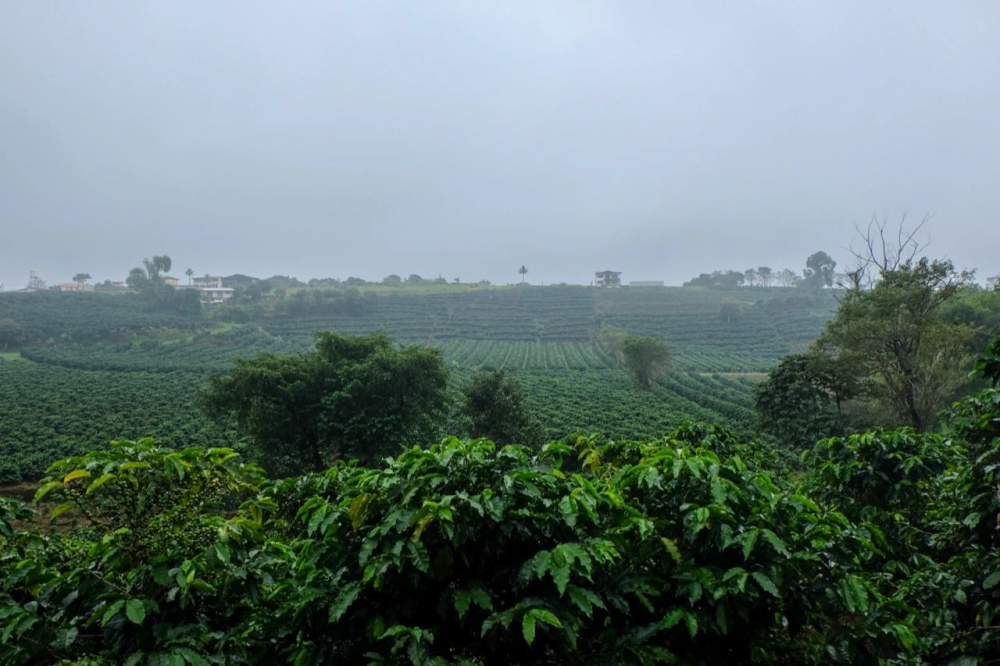
The West Valley has abundant volcanic soil resources, ample sunshine, an average annual relative humidity of 81%, plentiful rainfall, and an average annual temperature maintained at 21.5°C. These conditions allow crops in the area to grow vigorously and also provide a good foundation for cultivating high-altitude premium coffee. The West Valley region has an altitude between 1,000 and 1,200 meters, with the harvest season extending from November to March of the following year, making it a region with a relatively long harvest period. Due to the greater influence of Pacific air currents, temperatures are often cooler than mountainous areas at higher altitudes in the same latitude, so the coffee cherries and seeds produced in this region are quite outstanding in quality.
Central Valley:
The Central Valley region is also the earliest area in Costa Rica where coffee was planted, with annual rainfall of about 118 inches, an average annual temperature of only 19°C, an altitude between 1,200 and 1,600 meters, and a harvest season from November to March of the following year. The high altitude creates beans with a hard texture and full aroma, a smooth mouthfeel, bright acidity, full body, and rich fragrance. As the country's earliest coffee planting area, it has rich volcanic soil and sometimes even reveals chocolate aromas. In terms of processing methods, the front stage uses washing, while the back stage uses low-temperature mechanical drying.
Tarrazu:
Costa Rica's Tarrazu is one of the world's major coffee producing areas. Located south of the capital San Jose, it is one of the country's most prominent coffee growing regions. The coffee produced is limited in quantity, grown on a piece of land called "La Minita," with a light, pure flavor and a pleasant aroma.
Tres Rios:
Tres Rios is a well-known small producing area within the Tarrazu region, located at the confluence of the Irazu Volcano and rivers not far east of the capital, forming an excellent microclimate zone, with an altitude of 1,200 to 1,650 meters and a harvest season from December to March. The climate conditions here are excellent, and the flavor is distinct with excellent balance, which is the hallmark of coffee from this area. The coffee beans have a bright flavor, with soft fruit acidity that is not sharp, carrying nutty, floral, and toffee-like sweet aromas. It is easy to drink with relatively high acidity, a hard and full body, and a rich fragrance.
Orosi:
Altitude 900 to 1,200 meters, harvest season September to February. Orosi is located in a valley 40 kilometers from San Jose. Its coffee tradition can be traced back more than 100 years, and the community gradually developed around this economic activity. The mouthfeel is smooth, the body is full, the fragrance is aromatic, and the coffee overall is smooth with good balance.
Brunca:
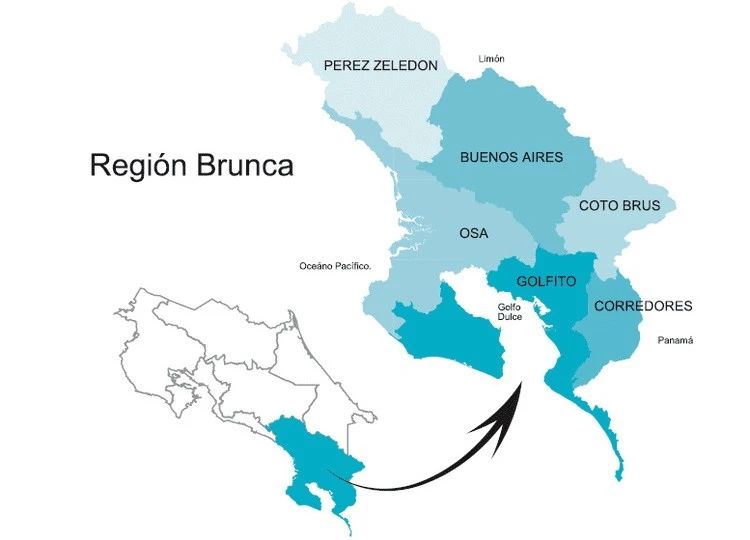
Altitude 800 to 1,200 meters, harvest season August to January. Acidity is average, body is full, fragrance is ordinary. As the newest producing region, it suits all kinds of consumers, and its flavor has good compatibility with other producing regions.
Turrialba:
Altitude 600 to 900 meters, harvest season July to December. Acidity is average, body is relatively thin, fragrance is aromatic. The harvest season in this region is the earliest among all Costa Rican producing regions, mainly due to abundant rainfall.
Guanacaste:
Altitude 900 to 1,200 meters. These coffee areas are located in the mountainous areas of the volcanoes and the Guanacaste mountain range. About 85% of the plantations are close to forest areas, allowing coffee trees to grow naturally and achieving sustainable coffee cultivation. The coffee areas in the Guanacaste region grow on Andisol volcanic soil, which has very high fertility and excellent structure. Mainly Caturra and Catuai varieties are planted, and the coffee has relatively low acidity.
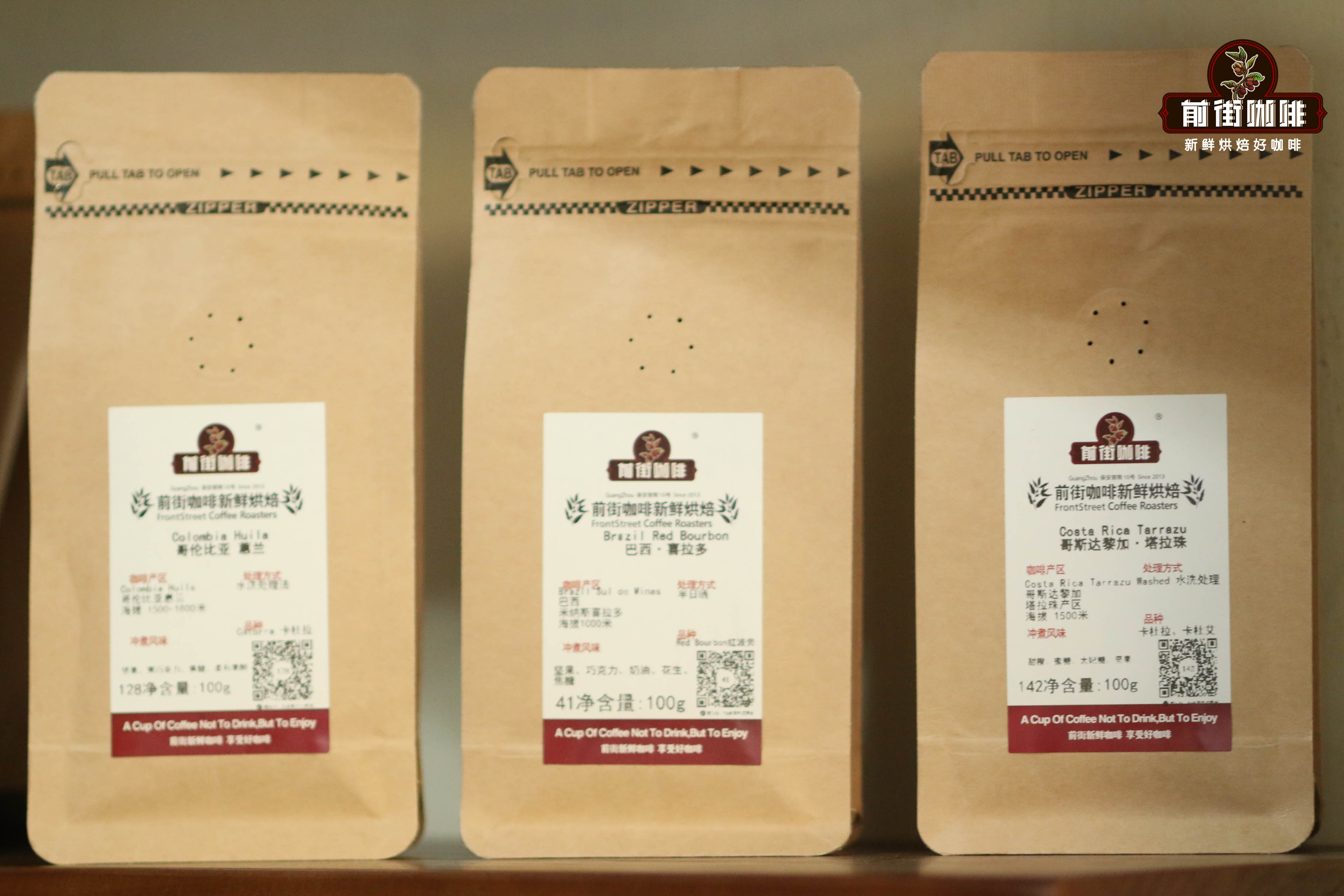
The above is Front Street Coffee's compiled introduction to Costa Rican coffee producing regions. Among them, Costa Rica's Tarrazu is one of Front Street Coffee's favorite coffee producing regions, so Front Street Coffee has also introduced quite a few coffee beans from this region into its shop. Next, Front Street Coffee will introduce these Costa Rican Tarrazu coffee beans.
Front Street has introduced three Costa Rican Musician Series coffee beans represented by Black Gold Company: Front Street Bach, Front Street Mozart, and Front Street Beethoven. They all come from Canet Estate in Tarrazu. The Musician Series coffee beans once caused a sensation in the coffee world with their stunning flavors. Although they have also been accompanied by much controversy, judging from today's market performance, the Musician Series is undoubtedly a success.
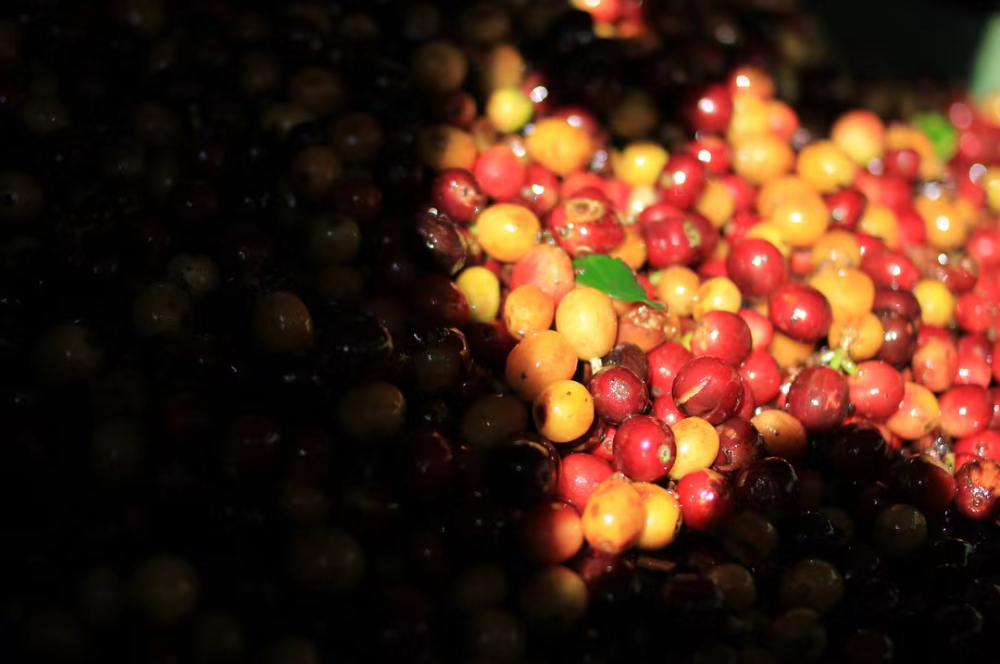
Front Street Bach and Front Street Mozart coffee beans use raisin honey processing, a special honey processing method: first drying the coffee cherries with skin and pulp until they reach a raisin-like state, then removing the skin and pulp and continuing to dry them until dry. Coffee beans processed this way have very rich flavors of raisins, dark berries, and fermented fruit wine.
The biggest difference between Front Street Bach and Front Street Mozart lies in the degree of fermentation. Front Street Bach coffee beans are more deeply fermented, thus carrying some fermented wine aroma and flavors of air-dried beef; Front Street Mozart coffee beans are slightly lighter, presenting dark fruit flavors.
There is also Front Street Beethoven coffee beans, which use the washed processing method. Its flavor expression is yellow-skinned fruit notes, such as mango, papaya, and wampee.
Front Street also has another Costa Rican Tarrazu coffee bean, the Front Street Gesha Blend Strawberry Candy from Miramonte Estate. This Front Street Miramonte Gesha blend, as the name suggests, mainly contains 50% Gesha variety. In addition to Gesha, it also includes ET47, SL28, and MAICO. The Gesha variety in this Front Street Miramonte Gesha blend provides jasmine aroma, while the other varieties enrich the strawberry berry flavors. Combined with the raisin honey processing method, it enhances the sweetness of this coffee. Therefore, when brewing, it should express this coffee's floral and berry aromas, as well as the flavors of grapes and strawberries.
How Front Street Brews Front Street Costa Rican Coffee Beans
In terms of brewing parameters, Front Street uses 15g of coffee grounds, selects a finer grind, with a No. 20 (850 micron) standard sieve passing rate of about 78-80%. The coffee-to-water ratio is 1:16. Enlarging to a 1:16 ratio is more suitable for the tasting concentration of this coffee and will produce a more aromatic experience in actual sensory evaluation. After several brewing comparisons, using a water temperature of 90-91°C better expresses this coffee's aroma and sweetness. A V60 dripper is used to enrich this coffee's layering.
Process: Put 15g of coffee grounds into the dripper. First, pour in 30g of water for a 30-second bloom. Coffee that has undergone raisin honey processing absorbs water and expands more easily, releasing the fresh fragrance of berries.
For the second pour, use a small stream of water and pour in 120g in concentric circles. At this point, the coffee bed height is roughly at the bottom of the short ribs. When the coffee bed begins to dip, start the final pour of 90g. End extraction after all the coffee liquid has dripped into the server. The duration is 1 minute and 50 seconds.
The above content is compiled by CoffeeHunters, a coffee news website.


