







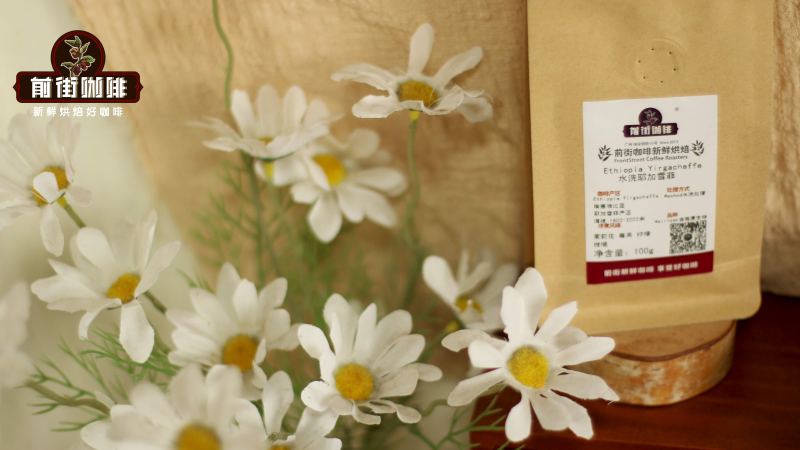
Where Are Arabica Beans Grown? Yirgacheffe as a Case Study
Yirgacheffe is a specialty coffee region in southern Ethiopia, a place where arabica beans have been grown for generations and where the name itself comes from local words for settling in wetland. Its washed lots show citrus, lemon and jasmine with bright fruit acidity, and the natural, sun-dried lots push those same notes toward deeper berry and ferment character.
Ethiopia is widely regarded as the birthplace of coffee and one of the main places where are arabica beans grown, so the region defines the baseline for the variety. Smallholders typically plant about 1,000 to 1,800 trees per hectare, which keeps lots small and traceable. Water temperature and grind size then decide how much of that acidity reaches the cup.
Yirgacheffe is one of Ethiopia's most representative specialty coffee regions, known for its citrus, lemon, jasmine aromas, and bright fruit acidity. From the perspective of Front Street, this article traces the origin of the name Yirgacheffe, its cultivation history, and variety characteristics, with a focus on comparing how natural (sun-dried) and washed processing methods influence flavor direction. It also illustrates these points with specific beans such as Aricha, Kochere, Konga, Gedeb, and Worka. The article further touches on the role of grind size and water temperature in extraction results, providing coffee enthusiasts with a systematic understanding of the region and brewing approaches.
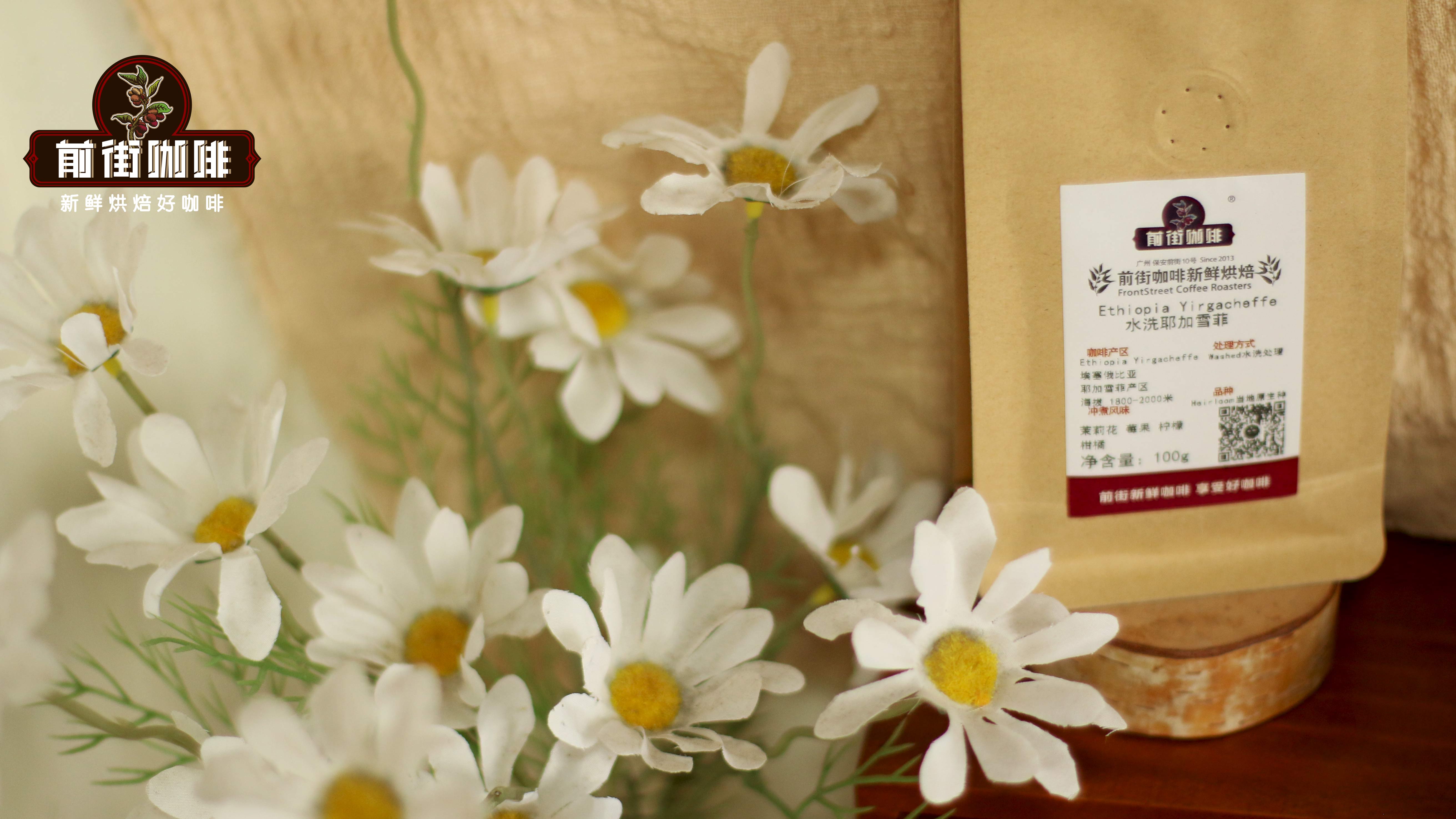
To truly understand a coffee bean, you must first start with where it comes from. Today, Front Street will take you through the story of Yirgacheffe and open up the history of this region.
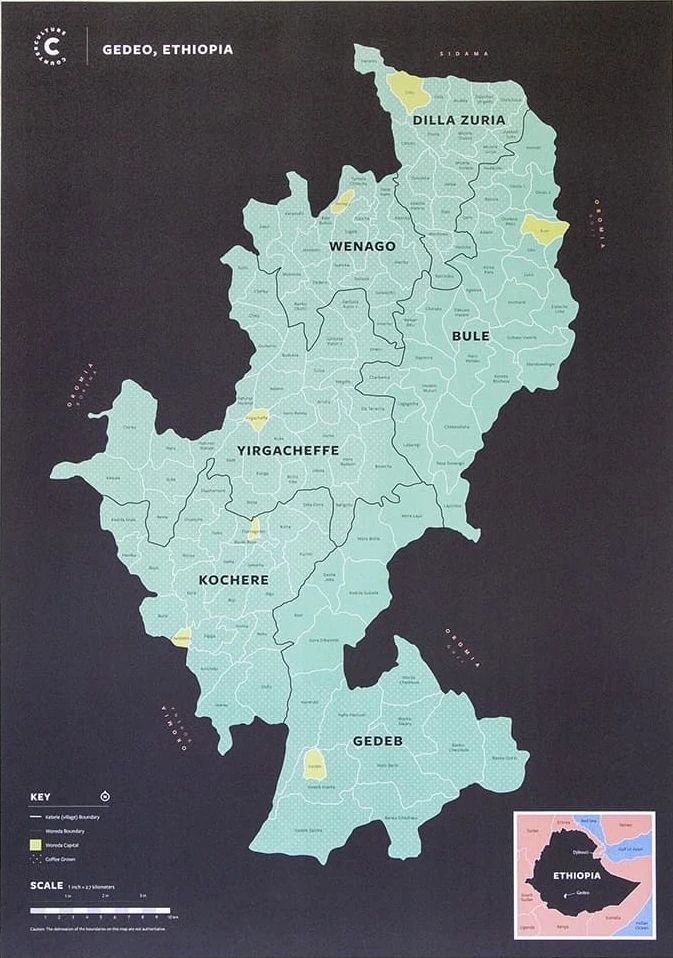
Many people wonder the first time they hear "Yirgacheffe": What exactly is it? Where is it produced? What makes its flavor so special? Let's start by breaking down the name. In "Yirga cheffe," "yirga" means to settle or take up residence, while "cheffe" refers to wetlands. Together, it can be understood as "let us settle and take root in this wetland." Just this meaning alone is enough to spark a little more curiosity about it.
Next, let's talk about its country of origin. Yirgacheffe comes from Ethiopia, and Ethiopia is a major coffee-producing country in Africa, producing large quantities of high-quality Arabica. There has long been a consensus in the coffee world that Ethiopia is the birthplace of coffee.
For us, Yirgacheffe is a coffee region in Ethiopia; but for the people who have lived there for generations, Yirgacheffe is a small town, the homeland where they grew up, which is why the local coffee trees also receive more careful protection. The coffee trees of Yirgacheffe were first introduced and managed by European monastery scholars, and at that stage, yields were not high.
As demand for coffee continued to rise, coffee trees gradually became the economic backbone of this small town. Later, more and more farmers or cooperatives mixed coffee with other crops in their backyards or farmland, so individual household output was limited, with about 1,000 to 1,800 coffee trees planted per hectare. Over time, this practice became increasingly common and formed a typical cultivation method known as garden coffee farming, becoming one of Ethiopia's four major cultivation systems and accounting for about fifty percent of the country's total production.
Traditionally, Yirgacheffe used the oldest natural (sun-dried) processing method. But in the early days, natural processing conditions were relatively rough, and the coffee beans easily picked up earthy flavors, so the washed method gradually replaced the natural method. Of course, this does not mean natural processing would disappear entirely. On the contrary, the two processing methods complement each other and each carries a distinct flavor signature.
Next, let's talk about the widely popular washed Yirgacheffe. Washed is chosen because, compared with natural, it allows more stable control of coffee bean quality. Moreover, when analyzing the typical flavor of a region, washed beans from that region are usually used as the reference, because washed beans better showcase coffee's cleanliness and purity. For this reason, among Front Street's seven "daily drinker" beans, washed Yirgacheffe has a place. Based on this approach, if a customer has never had Yirgacheffe coffee before, Front Street usually suggests starting with the washed version, and after building an understanding of the region's flavor, then trying natural or honey-processed Yirgacheffe.
The coffee varieties of Yirgacheffe are generally classified as local heirloom varieties. The term "heirloom" first appeared after the specialty coffee movement, when some specialty buyers could not distinguish the differences between Typica and Bourbon, so they collectively called these unknown varieties heirlooms. On the other hand, Ethiopia has an enormous number of coffee varieties, making identification and classification very difficult, and the Ethiopian government is also unwilling to disclose related information for protection reasons. Thus, the term "heirloom" gradually spread within the coffee community.
If Front Street were to recommend coffee to a beginner just starting out, the first one that comes to mind would be Yirgacheffe. It is one of the most recognizable coffees in the world and has always enjoyed a strong reputation in the coffee community. Yirgacheffe is known for its distinctive fruit acidity and floral aroma, with rich citrus and lemon notes that are easy to detect.
Everyone knows that many factors influence the flavor of Yirgacheffe, including origin, altitude, local climate, and processing method is naturally one of them. Here I will focus on the impact of washed and natural processing on Yirgacheffe.
First, let's look at the general process of natural processing. Coffee farmers first pick ripe cherries, then use floating selection to remove underripe or overripe beans. After that, the selected coffee cherries are spread evenly on the drying beds and turned every day. Depending on the local climate, this process usually lasts two to three weeks. When the moisture content inside the coffee beans drops to around 11% to 13%, natural processing is complete.
At this point, the fruit shell has already dried, and it can be removed with a huller. For example, this Yirgacheffe Aricha from Front Street Coffee comes from the Adorsi processing station, at an altitude of 1,900 to 2,000 meters, and uses this natural processing method. Combined with high altitude and a suitable climate, this bean has a sweet fruity dry aroma and a fresh berry-like wet aroma. On the palate, the aroma is abundant, the sweetness and acidity are prominent, and the layers are richer.
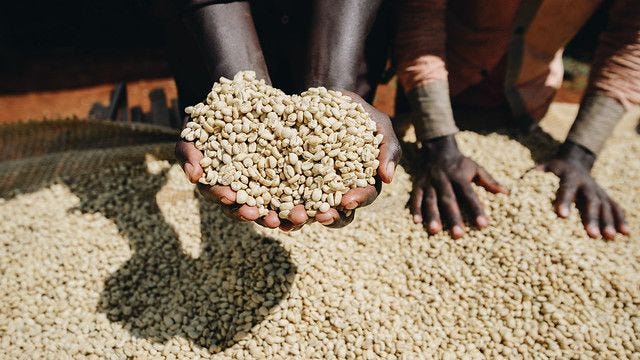
There is also Kochere coffee beans, also naturally processed, grown on the highlands at an altitude of 1,650 to 1,800 meters, and belonging to local heirloom varieties. The unique highland terrain and climate give this bean jasmine floral notes and lemon tones on the palate, with an overall smooth mouthfeel and fruity sweet acidity.
Among naturally processed Yirgacheffes, Front Street has another bean that leaves a deep impression, namely Yirgacheffe Konga from the Gedeo Zone, also naturally processed. Konga is named after the nearby Konga River or Konga Village, at an altitude above 1,800 meters, with the harvest period lasting from October each year to February of the following year. There is a Worka processing station in the village, and local coffee farmers plant coffee trees together with sweet potatoes, mangoes, and avocados. This garden-style cultivation gives the coffee beans citrus, honey, creamy, and juicy notes.
Having covered several common naturally processed Yirgacheffes, let's now look at washed Yirgacheffe. In the washed process, coffee cherries are poured into a water tank to remove floating beans, then a pulper removes the skin and pulp; after that, the processed cherries are placed in a fermentation tank for 16 to 36 hours, where fermentation bacteria break down the mucilage; because impurities and fermentation bacteria remain on the surface of the coffee beans after fermentation, they need to be washed again with a large amount of clean water, a step that consumes both water and time. After washing is complete, the beans are dried with a dryer or under the sun to reduce moisture content to 11% to 13%. Then a huller removes the remaining parchment and silver skin, and the washed processing is complete.
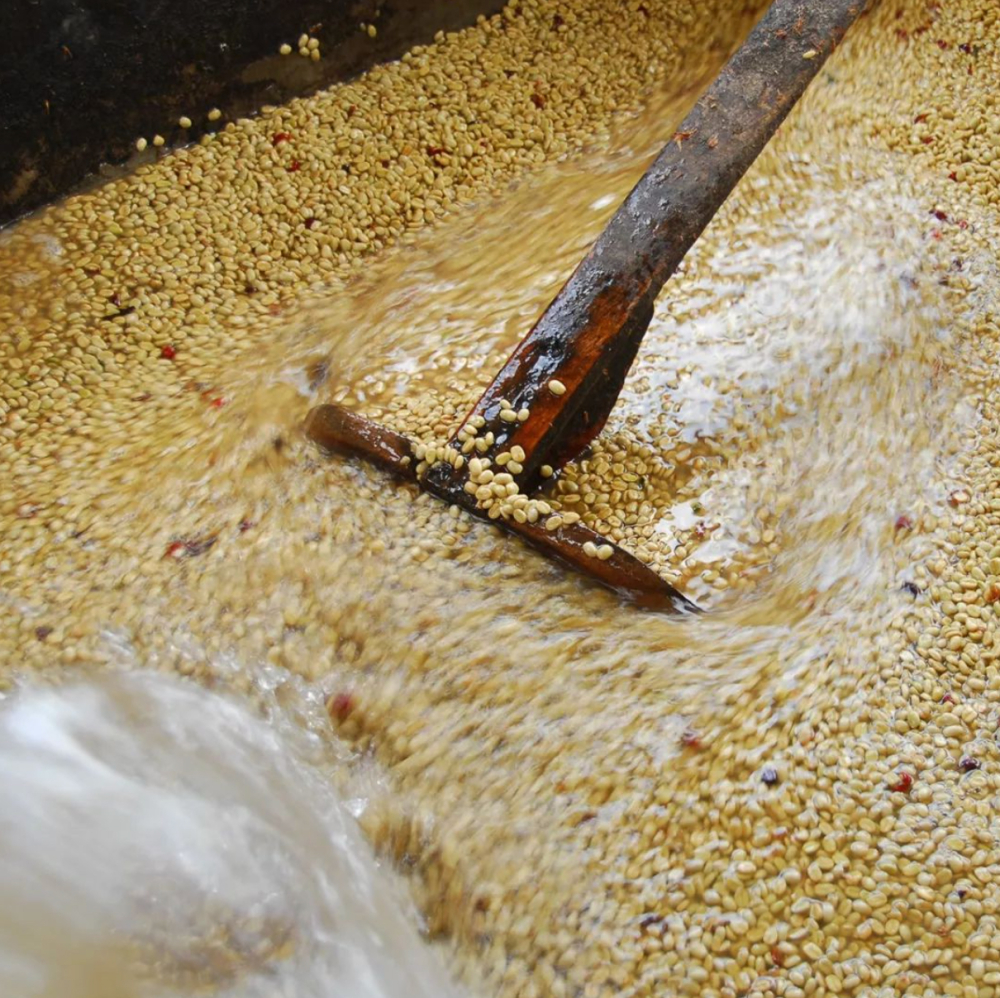
Yirgacheffe Gedeb from the Gedeo Zone uses the washed processing method. This region is higher in altitude than typical Yirgacheffe, and its unique elevation of 2,000 to 2,100 meters gives this coffee citrus, tea-like notes, floral aroma, and a relatively noticeable caramel tone, with a clean and sweet taste. Gedeb is actually a small village. The farmers in the village were once members of the Worka cooperative and later established the Gedeb cooperative. With highly skilled coffee techniques, they have always continued to process green beans in the traditional way, which is why this place is also called the last pure land.
In addition, Worka coffee located in the Yirga region also uses refined washed processing, fermented in a water tank for 72 hours before hulling. The acid produced by fermentation penetrates into the beans. Because during drying there is no pulp or mucilage attached to the parchment, it lacks the unique fruity aroma of natural processing, and the flavor leans more toward clean and bright, with prominent acidity and a pure, refreshing character.

Through Front Street's comparison of different processing methods for Yirgacheffe, it can be seen that naturally processed Yirgacheffe has an extra layer of fermented wine aroma compared with washed. The two are broadly similar in flavor, with the difference being that washed Yirgacheffe has cleaner acidity and aroma and a clearer, brighter sweetness in the finish; naturally processed Yirgacheffe has richer flavor layers and a noticeable strawberry aroma. Natural processing usually takes more than 20 days, and the step of drying with the skin and pulp retained makes the flavor fuller and often brings rich tropical fruit notes. The washed method has a shorter fermentation time, so the acidity and aroma are brighter and cleaner.
The factors affecting bean flavor are diverse. Macroscopically, they include terrain and climate; microscopically, they involve brewing technique and water temperature.
This article mainly starts from the two processing methods, washed and natural, and briefly discusses the impact of processing on coffee flavor. Through Front Street's comparison, washed Yirgacheffe generally has a distinctive lemon flavor, refreshing jasmine aroma, and soft fruit acidity with citrus notes, with a fresh and bright mouthfeel. Naturally processed Yirgacheffe, on the other hand, has alluring fruit acidity, clean fermented fruit sweetness, elegant fruity wine aroma, and a sweet finish.
For professional coffee knowledge exchange and more coffee bean information, please follow Coffee Workshop (WeChat public account: cafe_style)
For more specialty coffee beans, please add the private WeChat of Front Street Coffee (FrontStreet Coffee), WeChat ID: kaixinguoguo0925
The above content is compiled by CoffeeHunters, a coffee news website.


