







Search Results for: Fujian Provincial Consumers Council

Fujian Consumers Council tested 59 freshly made coffee samples and all contained acrylamide; is the dosage safety being misinterpreted?
Recently, the Fujian Province Consumers' Rights Protection Commission released a comparative test report on freshly made and sold coffee. In tests of 59 samples from 20 brands in Fuzhou, low levels of acrylamide, a Group 2A carcinogen, were found in all of them. After the news spread through self-media, it quickly triggered public concern. In fact, acrylamide in coffee is naturally produced during the roasting process and is not artificially added. This article will analyze the testing background, the sources of acrylamide, and the carcinogenic dose in order to help readers view this test result rationally and avoid being misled by scary headlines. [more…]
National food safety standards propose adding acrylamide testing in coffee, responding to consumer concerns
The National Health Commission recently solicited public comments on 19 national food safety standards, among which the "Determination of Acrylamide in Foods" includes coffee within its testing scope for the first time, responding to the social debate sparked by the detection of acrylamide in freshly made and sold coffee. At the end of 2023, a report by the Fujian Provincial Consumer Council brought acrylamide in coffee into the spotlight; experts pointed out that this substance is a byproduct of high-temperature processing rather than an artificial additive, and that its content in coffee is extremely low, so there is no need for excessive concern about daily consumption. This revision of the national standard aims to improve the testing system, drive process improvements in the industry, and safeguard consumer rights. [more…]

Investigation into the Cross-Province Overnight Delivery of 8,000 Cups of Yidian Dian Milk Tea to Shanghai: The High-Price Resale Chain and Food Safety Risks
During the May Day holiday, "group leaders" in several Shanghai communities organized group buys of a Little Tea, with over 8,000 cups of drinks transported across provinces from out-of-town stores, arriving in consumers' hands overnight or even after nearly 24 hours. The group-buy price was double the official price, and the resellers were accused of profiting about 250,000 yuan. The total bacterial count in these milk teas rose sharply over time at room temperature, and some consumers developed gastroenteritis symptoms after drinking them. The Little Tea brand later issued a statement expressing shock at the high-priced reselling and reminding consumers to choose compliant channels carefully. This article reviews the course of the incident, the food safety data, and responses from all parties, while also offering coffee lovers Front Street Coffee's professional purchasing advice. [more…]
Shanghai Consumer Council Once Again Calls Out Trendy Tea Drinks: Mango Yogurt Smoothie Ingredients of More Yogurt Under Scrutiny
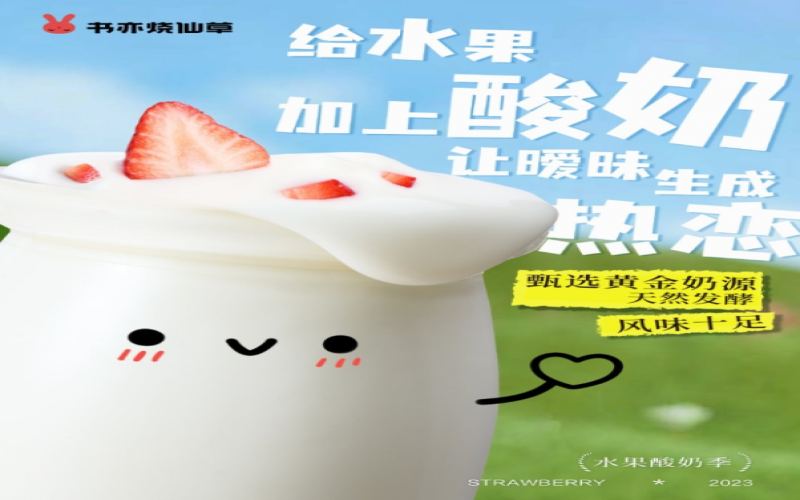
Following the case of Shuyi Burning Grass Jelly, the Shanghai Consumer Council on March 13 once again turned its attention to the internet-famous tea beverage brand More Yogurt, focusing on the ingredient composition of its "Mango Yogurt Smoothie." Testing by the Consumer Council found that the drink contained only a small amount of yogurt yet had unusually high fat content, and despite being labeled as having no added sugar, sucrose and maltose were still detected. The Consumer Council questioned the source of this excess fat and sugar and demanded that More Yogurt explain to consumers "what was added." The incident quickly sparked widespread discussion and trended on Weibo. This article sorts through the testing data and science popularization information released by the Consumer Council to present the full picture of the incident. For readers interested in coffee and beverage industry trends, Front Street Coffee also continues to follow such food safety topics and advocates transparent consumption. [more…]
Starbucks China Responds to Shanghai Consumer Council's Questions: Denies "Order Cancellation" and "Zero-Cost Customer Acquisition"; Lawyer Says Unilateral Contract Cancellation May Constitute Breach
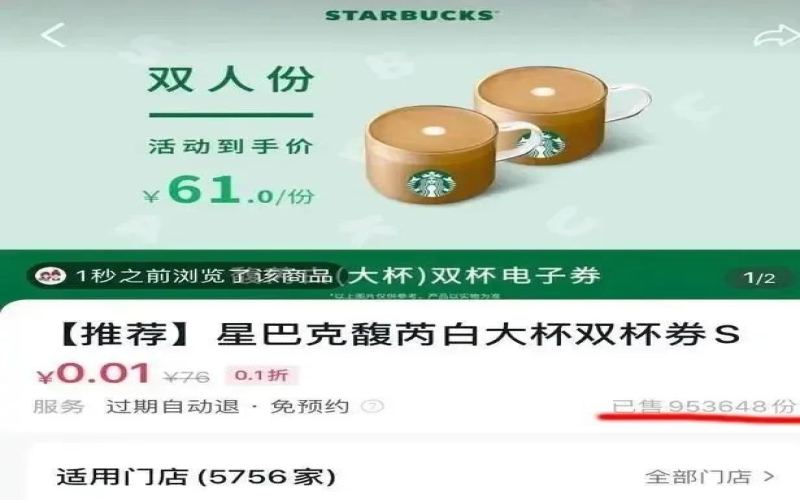
Starbucks' "0.01 yuan for two Flat Whites" promotion sparked controversy after coupon distribution failed and orders were automatically refunded, triggering a wave of dissatisfaction and complaints from netizens, with the Shanghai Consumer Council stepping in to communicate. Starbucks China denied allegations of "order cancellation" and "zero-cost customer acquisition," stating that it had fulfilled over 10,000 orders, while more than 900,000 orders were not completed. Lawyers pointed out that once consumers pay successfully, a contract is formed, and Starbucks' unilateral cancellation may constitute a breach of contract. The incident is still unfolding, and the Consumer Council has not yet released the investigation results. [more…]
Minimum wage increase in Vietnam triggers multiple strikes, intensifying pressure on coffee exports and the industry chain
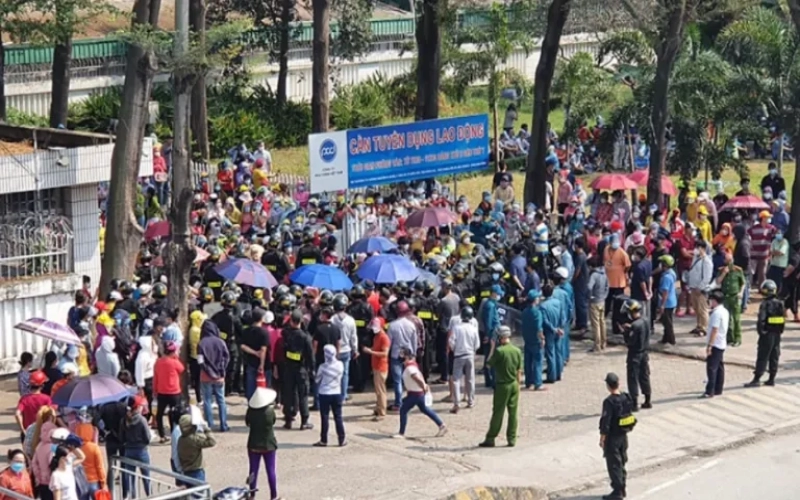
A furniture company in Binh Duong Province, Vietnam, triggered a strike by hundreds of workers over several consecutive days due to an unclear notice about wage adjustments. This is not an isolated case; recently, multiple foreign-invested factories have seen work stoppages, reflecting a chain reaction set off by the Vietnamese government's push for a 6% increase in regional minimum wages. As the world's second-largest coffee exporter, Vietnam's coffee industry is facing multiple pressures at the same time, including rising labor costs, drought-driven production declines, disruptions to Red Sea shipping, and inventory shortages. Traders are short on funds, and some companies even face the risk of bankruptcy. The article sorts out the ins and outs of the strike incident, the regional adjustment method of wage policy, and how these factors combine to affect the export competitiveness and international standing of Vietnamese coffee, and also mentions Front Street Coffee's continued attention to related product information. [more…]
Yunnan small-bean coffee varieties and red honey flavor analysis: Which is more worth drinking, Typica or Catimor?
Yunnan, as China's most important coffee-producing region, mainly cultivates two major varieties: Typica and Catimor. Front Street Coffee has always adhered to traditional natural and washed processing, believing that high-quality ingredients do not require complex techniques. This article will review the history of coffee cultivation in China, the characteristics of Yunnan's four major producing regions, and the evolution of varieties, and provide a detailed comparison of the flavor differences and brewing parameters of Front Street 2013 Typica, Yunnan Arabica, and natural Typica, helping coffee enthusiasts gain a comprehensive understanding of the true character of Yunnan coffee. [more…]
Nongfu Spring Sends Legal Letter Demanding Apology from Hong Kong Consumer Council, Bottled Water Bromate Controversy Continues to Simmer
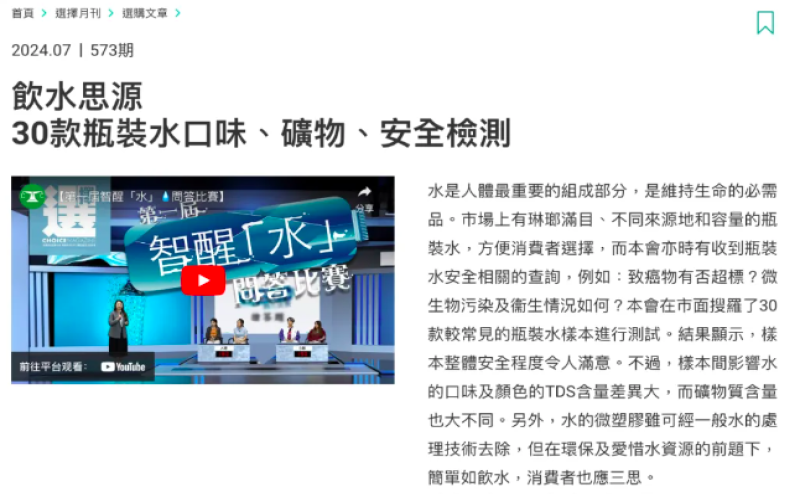
Recently, the Hong Kong Consumer Council published a bottled water test report in the magazine "Choice," pointing out that the bromate levels in samples of Nongfu Spring and Ganten reached the European Union's limit for natural mineral water, sparking widespread attention. Nongfu Spring immediately commissioned a lawyer to send a legal letter to the Consumer Council, demanding written clarification, an apology, and the elimination of the impact; Ganten also stated that it had made representations through its legal department and emphasized that its product was at the critical value of the EU standard rather than exceeding it. The China Beverage Industry Association said it would issue a response later. The Consumer Council reiterated that none of the 30 samples were found to contain harmful substances exceeding WHO guidelines, and that the article focused on value for money and the environmental impact of plastic bottles, and that all samples could be safely consumed. [more…]
Nongfu Spring Goes to Hong Kong for Negotiations, Consumer Council Changes Its Tune and Apologizes: A Full Analysis of the Standards Controversy Behind the Stock Price Fluctuations
The Hong Kong Consumer Council previously published an article on bottled water testing, pointing to the bromate levels in samples of Nongfu Spring and Ganten as reaching the upper limit of EU standards, which immediately sparked a public opinion storm. Nongfu Spring quickly commissioned a lawyer to send a letter demanding clarification and an apology, and Ganten also issued a statement in response to the misinterpretation of the test results. Under public pressure, Nongfu Spring's stock price continued to decline, and its market value shrank significantly within two days. The company then sent an executive director to Hong Kong for face-to-face negotiations. Today, the Consumer Council published a clarification on its official website, reclassifying the samples as "natural drinking water" and re-scoring them, while also expressing regret. Nongfu Spring responded that its products fully comply with standards and are safe to drink, and its stock price rose in response. [more…]
More Yogurt Exposed for Illegal Use of Expired Ingredients, Brand Issues Urgent Apology and Permanently Terminates Involvement with the Store
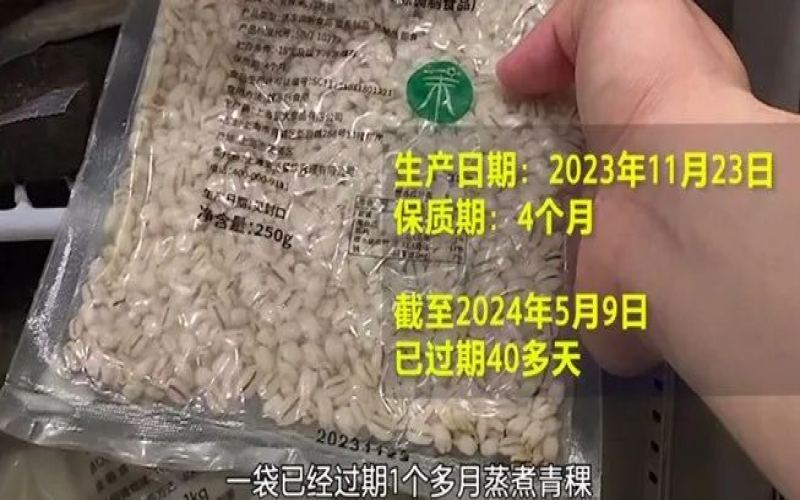
The freshly made yogurt sector has been hit by yet another food safety scandal. An undercover reporter from The Beijing News worked inside several More Yogurt franchise stores in Beijing and found that oat and highland barley toppings more than forty days past their expiration date were still being used as usual, expiry labels existed in name only, and decisions to scrap fruit relied entirely on staff members' sense of smell. More worrying still, these violations were not isolated cases, but an unspoken rule tolerated by store managers in order to cut costs and boost their personal income. The brand issued an urgent apology a few hours later, announcing that the stores involved would be permanently terminated. This is already the second time this year that More Yogurt has been thrust into the spotlight; previously, the Shanghai Consumer Council questioned the labeling of its product ingredients. This article provides a complete rundown of the undercover details, the brand's response, and the latest status of its stores. [more…]
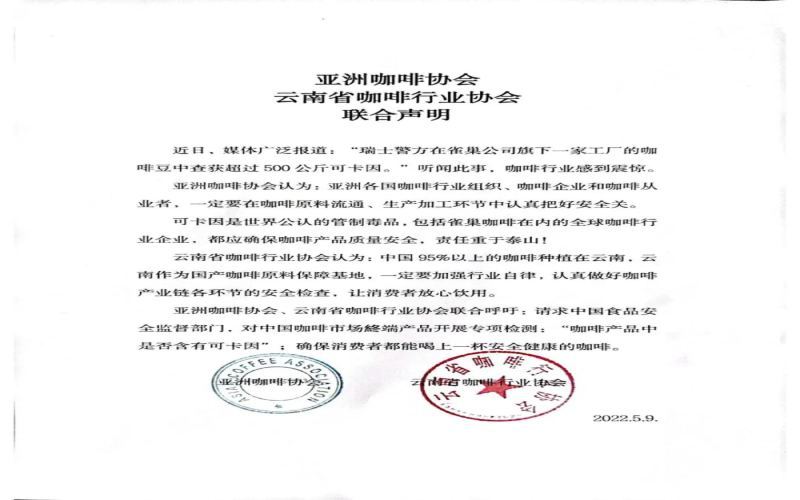
Cocaine Discovered in Nestlé Brazil Coffee Bean Container; Yunnan and Asian Coffee Association Jointly Speak Out to Safeguard Coffee Safety
Recently, a Nestlé factory in Switzerland discovered an unidentified white powder in a shipment of coffee bean containers from Brazil, which police tests confirmed to be cocaine with a purity of 80%. Although Nestlé quickly stated that the relevant coffee beans did not come into contact with any production equipment, the incident still sparked concerns among domestic consumers about coffee safety. On May 9, the Asian Coffee Association and the Yunnan Coffee Industry Association jointly issued a statement, emphasizing the need to strengthen safety controls in the coffee industry chain and calling for special cocaine testing of domestic coffee end products. This article will guide you through the incident, the key points of the associations' statement, and the impact on and responses of the Chinese coffee market. [more…]
How to Choose a Yunnan Small-Bean Coffee Variety? Flavor Differences Between Typica and Catimor and a Red Honey Taste Analysis
As China's most important coffee-producing region, Yunnan has attracted growing attention from coffee enthusiasts in recent years. At Front Street Coffee's stores, the number of customers asking about Yunnan beans has clearly increased. Interestingly, Front Street's Yunnan-origin beans never use special processing methods, sticking to the two most traditional approaches—natural and washed: good ingredients need only simple handling. This article will review the history of coffee cultivation in China and the characteristics of Yunnan's four major producing regions, with a focus on comparing the flavor differences between two varieties, Typica and Catimor. It will also share the brewing parameters and taste profiles of Front Street 2013 Typica, Yunnan small-holder beans, and natural Typica, helping readers gain a more comprehensive understanding of Yunnan coffee. [more…]
Why Have Yunnan Coffee Prices Stayed Low for So Long? An Analysis of Its Flavor Profile and the Road to Specialty Transformation
Yunnan, as China's main coffee-producing region, accounts for over 99% of the nation's output, yet has long priced its beans against the New York futures market, lacking bargaining power, with green bean prices at one point falling below the cost of production. In recent years, with the rise of the specialty coffee wave, Yunnan coffee is entering the specialty market like a dark horse. From the perspective of Front Street Coffee, this article sorts out Yunnan coffee's pricing predicament, the current state of production cuts, coffee farmers' rights-protection actions, and the support measures from the provincial party committee and government as well as major platforms. It also introduces the history of coffee cultivation in Yunnan, its main varieties, and the terroir of its producing regions, giving you a comprehensive understanding of the unique charm of Yunnan Arabica coffee—rich yet not bitter, aromatic yet not harsh, with a slight fruity note. [more…]
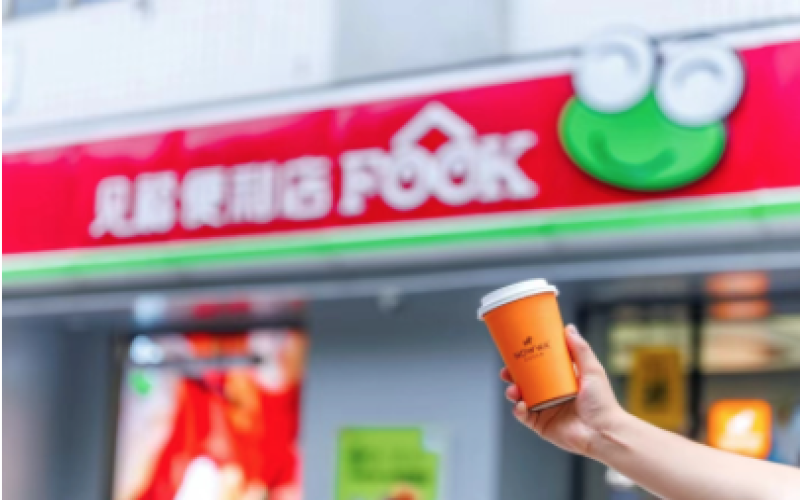
NOWWA Coffee partners with Jianfu Convenience Store to explore a joint operation model, with the first batch of 150 stores already in operation.
The integration of coffee brands with the convenience store format is accelerating. Recently, NOWWA Coffee announced a strategic partnership with Jianfu, the largest convenience store brand in Fujian, and the two parties will jointly operate stores through a co-management model, with the first batch of 150 partner stores already launched. This move not only helps NOWWA expand rapidly by leveraging the convenience store’s mature supply chain and low-cost operating advantages, but also adds a new category to the convenience store’s diversified operations. Against the backdrop of intensifying competition among brands such as Luckin and Cotti, NOWWA is exploring lower-tier markets through offline channel cooperation and plans to launch 500 co-managed stores in 2024 and 2,000 in 2025, covering the four provinces of Fujian, Jiangxi, Sichuan, and Jiangsu. [more…]
How alarming is the rate at which milk tea makes you gain weight? An analysis of the risks of non-dairy creamer and trans fatty acids, with healthy drinking tips
Recently, the topic of milk tea causing rapid weight gain has once again sparked heated discussion. Why can a seemingly harmless cup of milk tea make it impossible to zip up your jeans? Some people have even been sent to the ICU due to long-term consumption. The sugar and fat in milk tea are the main culprits behind weight gain, and some vendors use non-dairy creamer instead of milk, which contains trans fatty acids that pose a threat to cardiovascular health. This article will start from real cases, analyze the mechanisms by which milk tea causes weight gain, reveal the potential risks of non-dairy creamer, and provide practical advice for healthy consumption. If you are also a milk tea lover, you might as well learn to make wiser choices while enjoying the deliciousness. [more…]
How are China's four major tea-growing regions divided? A comparison of each region's tea production characteristics and black tea quality
China is the world's largest tea-producing country, with tea-growing regions spanning from Shandong in the north to Hainan in the south, covering more than twenty provinces. Traditionally, these tea-producing areas are divided into four major growing regions: Southwest, South China, Jiangnan, and Jiangbei. Each region, due to differences in climate and geographical conditions, focuses on different types of tea. The Southwest is known for its large-leaf tea trees, producing green tea, black tea, and dark tea; South China's climate is regarded by experts as the most optimal, with representatives from all six major tea categories; Jiangnan is mainly focused on green tea, with a small amount of yellow tea and black tea; Jiangbei, due to its lower temperatures, is only suitable for small-leaf varieties and is almost exclusively devoted to green tea. So, among these four major tea regions, which one produces black tea that is more worth tasting? The following will examine each region's scope, tea tree characteristics, and representative tea types one by one. [more…]
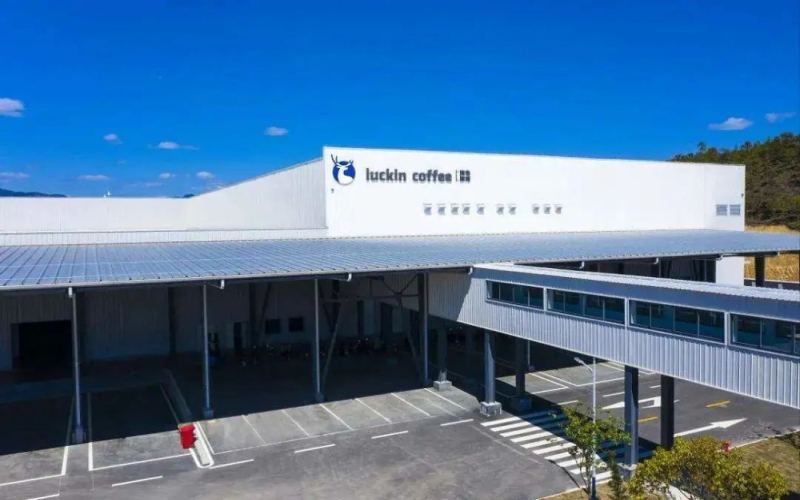
Luckin Coffee expands with a second roasting facility in Kunshan, adding 30,000 tons of annual capacity and accelerating its global strategy
After successfully turning itself around and achieving rapid expansion, Luckin Coffee is continuing to ramp up its supply chain development. Following the launch of its roasting plant in Pingnan, Fujian, Luckin chose Kunshan, Jiangsu as the site of its second roasting facility, which is expected to have an annual roasting capacity of 30,000 tons, with plans to pursue global expansion within the next one to three years. The new plant will be independently invested in by Luckin to the tune of approximately 1 billion yuan, integrating coffee R&D, roasting production, and a sales center under one roof. This move not only eases capacity pressure but also aligns with Kunshan's push to build a full coffee industry chain base. [more…]
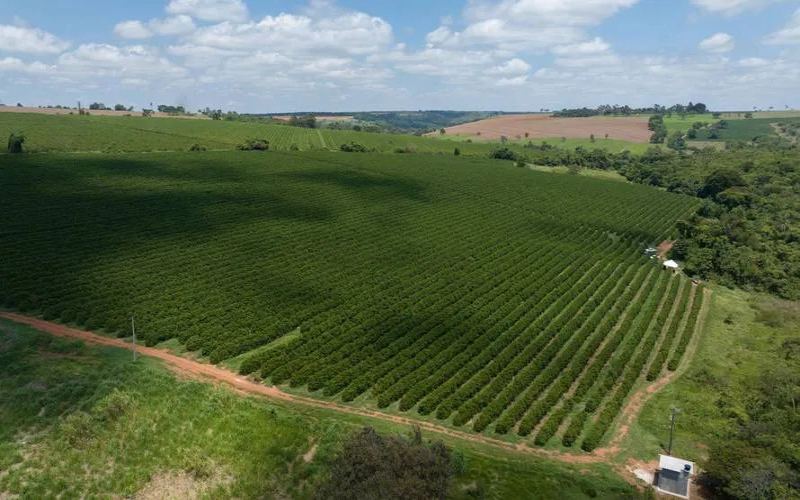
Brazil's November Coffee Exports Up 5.4%, Strikes and Logistics Hurdles May Weigh on Subsequent Shipments
According to the latest data from the Brazil Coffee Exporters Council, Brazil's coffee exports reached 4.662 million bags in November, up 5.4% year-on-year, while export revenue surged 62.7% due to rising international prices. Cumulative exports in the first 11 months of this year have set a new historical record, but fell month-on-month, as producers slowed sales amid higher futures, exchange rate fluctuations and uncertainty over the new crop season. At the same time, port logistics bottlenecks and an indefinite strike by customs auditors from the Federal Revenue Service are bringing additional costs and delay risks to the export chain. With both Brazil and Vietnam troubled by drought and global supply tightening, Arabica and Robusta futures continue to climb, and coffee prices are expected to remain high in the short term. Follow origin developments, and Front Street Coffee will continue to bring frontline news. [more…]
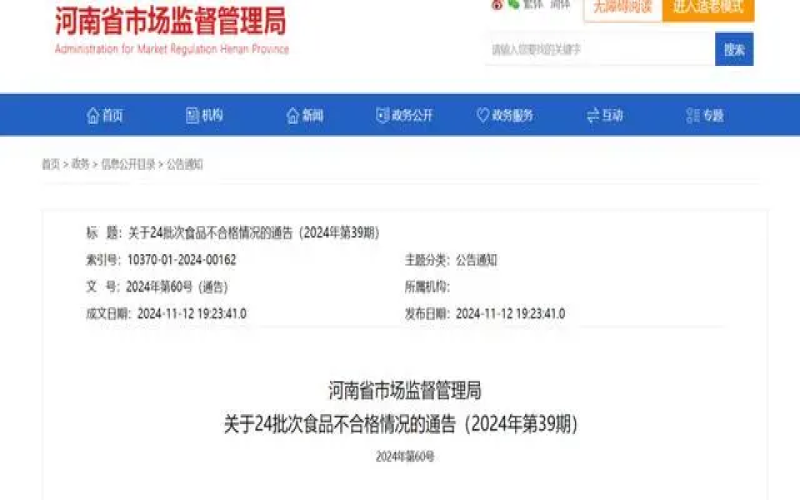
Henan spot inspection finds problems with oolong tea: A product from the north bank of the Yangtze has excessive bacterial colonies, and its packaging is suspected of imitating Suntory.
The Henan Provincial Market Supervision Administration recently published its 2024 No. 39 food safety notice, showing that of 1,040 batches of food across 21 major categories sampled, a total of 24 batches failed. Among them, a "Yangtze River North Bank" oolong tea-flavored beverage, nominally produced by Xunxian Fuxinyuan Beverage Factory, was blacklisted because its total bacterial count did not meet national standards. An investigation found that the manufacturer not only had a prior record of product sampling failures, but was also ruled by a court to have infringed upon Nongfu Spring's packaging through counterfeiting, and has now been listed as a dishonest judgment debtor. More notably, the outer packaging of this oolong tea is highly similar to Suntory oolong tea, and many consumers who mistakenly bought it on e-commerce platforms complained loudly after being duped. [more…]
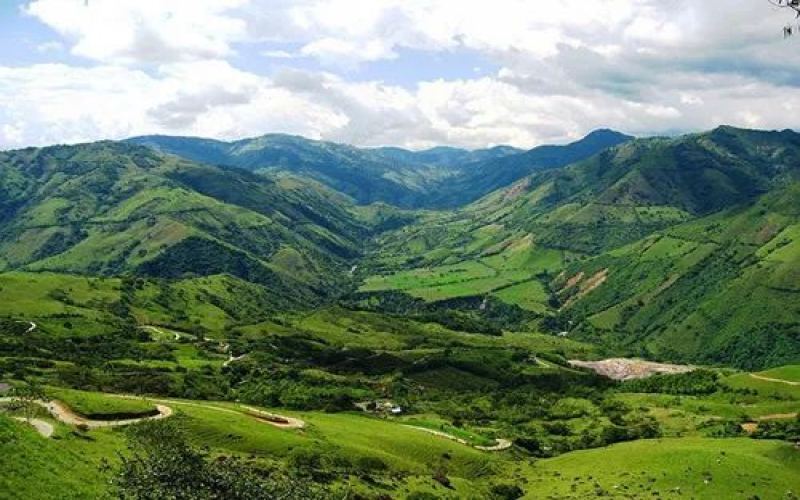
Brazil Launches Cafes do Brasil Traceability Platform in Response to the EU's New Deforestation-Free Import Rules
In response to the strict requirements of the EU Deforestation Regulation (EUDR), the Brazilian Coffee Exporters Council (Cecafe) and the credit company Serasa Experian have jointly launched the Cafes do Brasil platform and held a seminar in São Paulo to help exporters master traceability tools. The platform uses remote sensing technology and geolocation data to dynamically analyze ESG indicators such as forest protection, agricultural cultivation, and deforestation alerts in production areas, ensuring full traceability throughout the coffee supply chain. Among the approximately 100 participants, 41 council members are responsible for about 90% of Brazil's coffee shipments to the EU, and their compliance practices will significantly enhance the transparency and international reputation of Brazilian coffee. [more…]