







Search Results for: ingredients
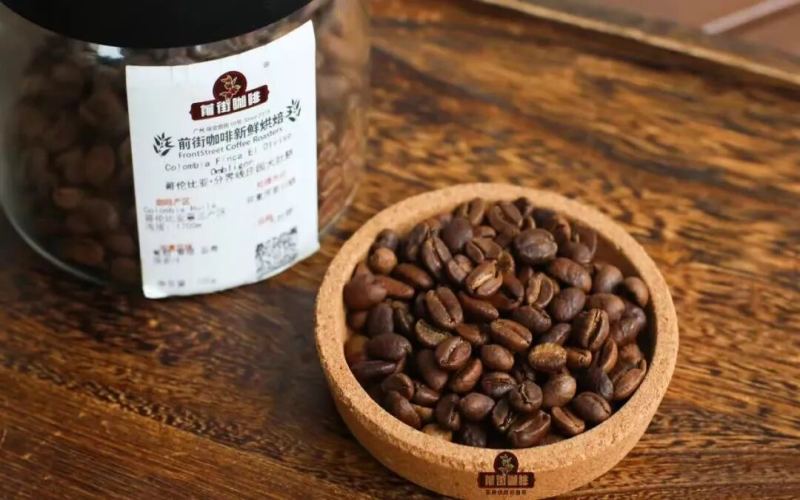
Coffee Bean Recommendations | What Is a Coffee Specialty Drink? Which Coffee Beans Are Suitable for Specialty Coffee Drinks? How Should Coffee Beginners Choose Coffee Beans for Making Specialty Coffee Drinks?
Specialty drinks are the third main category of coffee sold in coffee shops, alongside espresso-based and single-origin coffees. Specialty coffee drinks can be understood as the "cocktails" of the coffee world: creative beverages made by combining coffee with various traditional or non-traditional ingredients, setting them apart from conventional coffee. (Cof [more…]
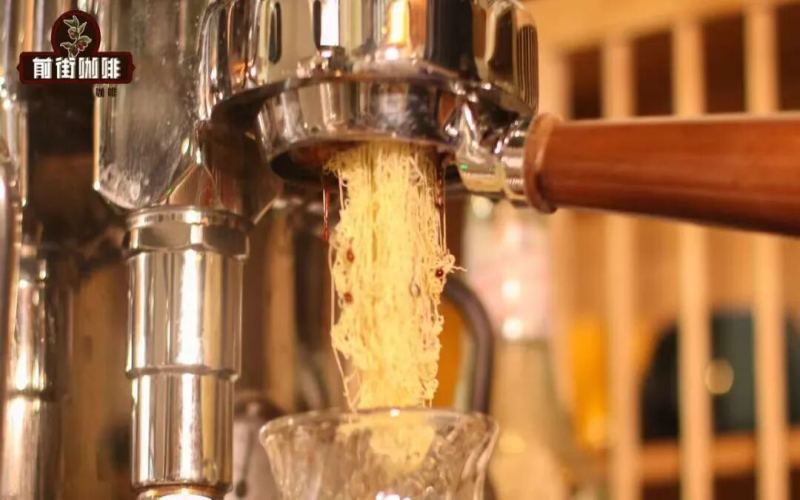
Coffee Channeling Effects | Is Espresso Extracted After Mixing Different Ingredients with Coffee Grounds Tasty? Why Is It Not Recommended to Add Things to an Espresso Puck?
If we want to add some extra aroma or flavor to coffee, we do so by adding other ingredients to the coffee so that it takes on their aroma/flavor—this is a very common practice. For example, if we want the coffee to have a certain floral scent, we can steep dried flowers of some kind in the coffee; such as [more…]
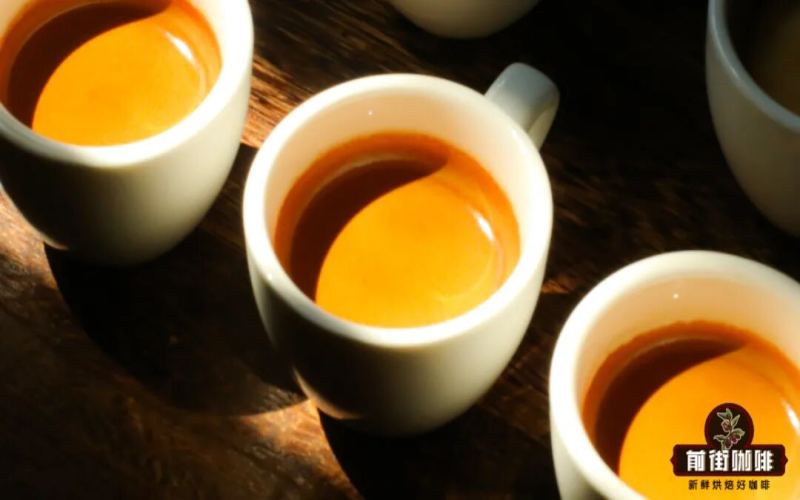
Coffee Varieties | What Is Black Coffee? Are Espresso, Americano, Pour-Over, and Cold Drip All Black Coffee?
Occasionally, at Front Street Coffee shops, we encounter customers who order "black coffee." Although Front Street Coffee knows that when these customers say black coffee, they most likely mean Americano, to be safe, we still ask just to confirm. As a result, quite a few customers are puzzled: "Isn't black coffee just Americano?" Well, that's not quite [more…]
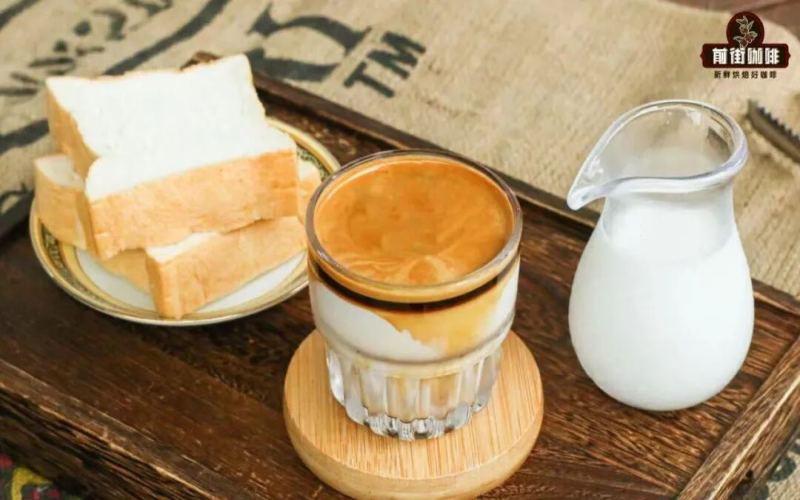
Espresso Coffee | What is the difference between Dirty Coffee and Iced Latte? What are the flavor and mouthfeel characteristics of Dirty?
Simply pour chilled milk into a cup, then gently drizzle warm espresso over the surface, and a highly popular milk coffee—Dirty—is ready. Although Dirty appeared much later than traditional Italian coffee, its popularity surpasses that of most Italian [more…]
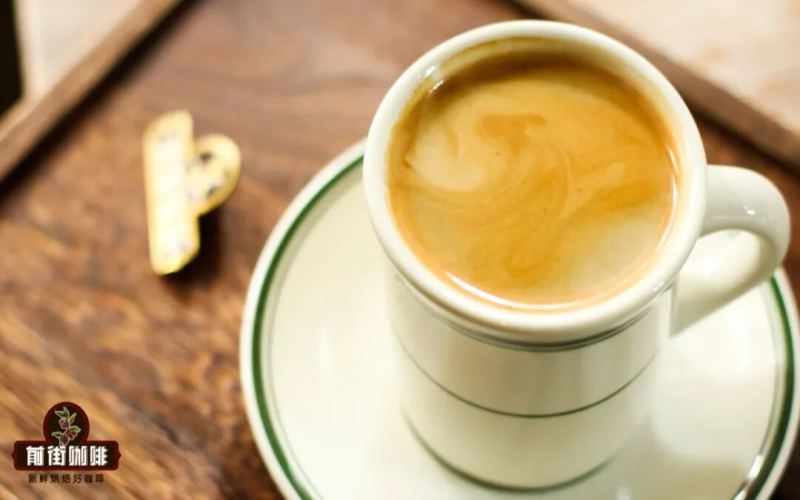
Espresso Coffee Brewing Methods | Why Is an Iced Americano from a Coffee Shop Warm After Removing the Ice? How Do You Make a Delicious Ice-Free Americano?
I wonder if any of you have ever ordered an "iced Americano without ice" at a coffee shop. If you have, then Front Street believes you were most likely puzzled by the coffee that was served. Why? Because the iced Americano without ice made by the vast majority of coffee shops differs somewhat from what you'd imagine. Regarding iced Americano without ice, what you'd imagine is [more…]
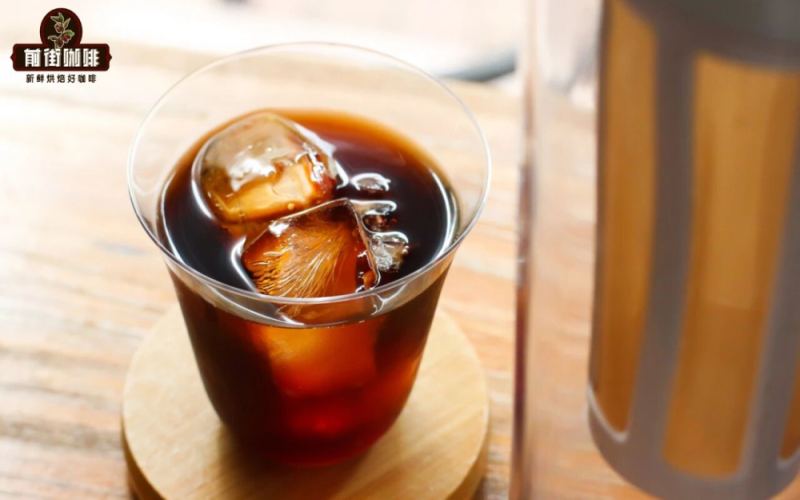
Coffee Knowledge Explained: The Definition of Black Coffee, Its Scope, and How It Differs from Fancy Coffee
What exactly is black coffee? It is not a specific coffee beverage, but rather a broad umbrella term. As long as a cup of coffee is made with only coffee beans and water, without any additional ingredients such as milk or sugar, it can be classified as black coffee. Americano is certainly a typical representative, but pour-over, siphon, cold brew, French press, and other devices that produce pure coffee also belong to this family. In contrast, coffee with added milk, syrup, alcohol, and other flavorings is collectively referred to as fancy coffee. This article will systematically sort out the definition of black coffee, common categories, and its differences from fancy coffee, helping coffee lovers be clearer when ordering. [more…]
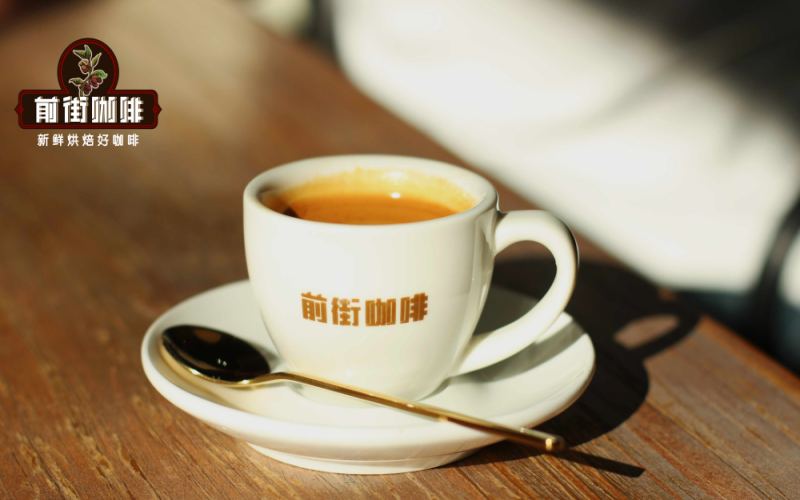
Latte Coffee | What is the espresso-to-milk ratio in Italy's classic milk coffee latte? Which Italian coffee beans should be chosen to make a latte?
Latte coffee is one of the many Italian-style latte coffees, because latte means fresh milk in Italian. In the English-speaking world, it generally refers to coffee brewed with hot fresh milk. Latte Coffee is coffee with milk added, usually directly translated as "latte coffee." [more…]

Latte Coffee Milk Ratio | What Kind of Milk Should Be Paired with Espresso Made from Medium-Dark Roasted Coffee Beans? Introduction to the Water-to-Coffee Ratio and Extraction Parameters for Milk Coffee Lattes
The arrival of autumn and winter has made hot lattes a favorite once again. After all, who wouldn't want to drink a cup of heartwarming coffee in the biting cold wind? And the key is that it's so sweet! Therefore, many friends have started making hot lattes at home. It is precisely because of this that Front Street's backend has received many messages from friends about making la [more…]
Italian Milk Coffee | What Is Mocha Coffee? How Do the Ratios Differ Between Mocha and Latte Preparation Methods? Which Tastes Better at Starbucks, Mocha or Latte?
Many people think that mocha coffee and latte coffee are about the same. Although both belong to Italian coffee and use Espresso and milk, they still differ greatly in taste and preparation ratios. Today Front Street Coffee will talk about the differences between mocha coffee and latte coffee. Latte originates from the Italian word L [more…]
Malaysian White Coffee Flavor Characteristics and Ingredient Differences: A Comprehensive Analysis from Its Ipoh Origins to Health Benefits
White coffee is a highly representative traditional specialty of Malaysia, with a history spanning over a century. It is not white in color; rather, it is made from three types of coffee beans—Liberica, Arabica, and Robusta—subjected to medium-light low-temperature roasting and special processing that greatly reduces caffeine, burnt bitterness, and astringency, resulting in a pale milky-golden hue and a mellow, gentle flavor. Compared with black coffee, white coffee differs fundamentally in bean selection, roasting methods, and brewing techniques; it contains no trans fats, has lower caffeine and calories, is gentler on the stomach, and does not easily turn sour after cooling. This article will systematically outline the flavor components, processing characteristics, historical origins, health benefits, and brewing methods of white coffee, offering you a comprehensive understanding of this classic Nanyang coffee. [more…]

How to Make an Ideal Iced Latte? An Analysis of Espresso, Milk, and Ice Ratios and Key Operational Points
At first glance, iced latte seems to require nothing more than pouring ice cubes, milk, and espresso into a glass in sequence, but to truly make a delicious iced latte, everything from ingredient selection to ratios to operational details involves considerable know-how. This article focuses on three key aspects: first, how to choose the right coffee beans and milk; second, the reasonable proportions among espresso, milk, and ice cubes; and third, the operational details to pay attention to during extraction and assembly. The article uses specific data as examples to illustrate the approach to ratios and offers flexible adjustment suggestions to help coffee enthusiasts make a well-balanced iced latte at home. [more…]
Blue Mountain Coffee Beans Pour-Over Extraction Tutorial and Flavor Blending Ideas Sharing
Jamaican Blue Mountain coffee is renowned for its balanced and elegant flavor, and only by mastering the proper brewing method can its charm be fully released. Using a siphon pot as an example, this article breaks down in detail the pour-over extraction steps for Blue Mountain coffee beans, explaining the key points of operation step by step, from equipment preparation to pouring water and stirring, to reflux and decanting. At the same time, for everyday drinking needs, it provides a highly practical DIY blending formula for Blue Mountain flavor, helping coffee enthusiasts recreate the classic Blue Mountain taste while keeping costs controllable. The article also combines the product characteristics of Front Street Coffee beans to offer bean selection and pairing suggestions, making it suitable as a reference for readers who wish to gain a deeper understanding of Blue Mountain coffee brewing and blending. [more…]
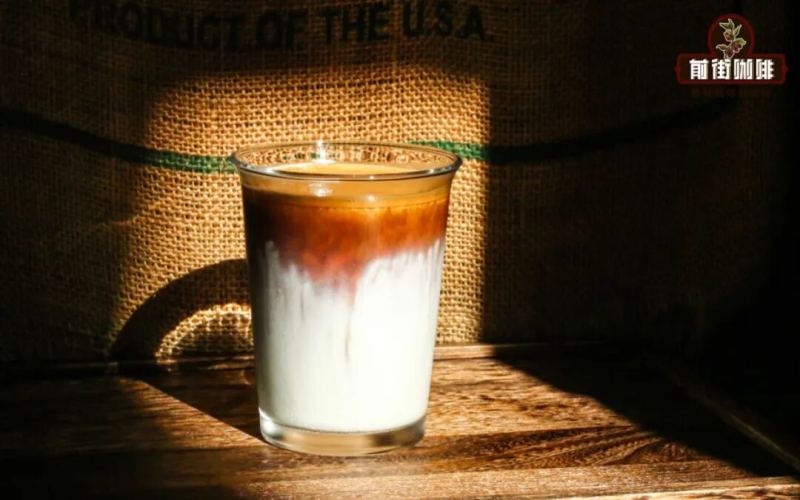
Coffee Preparation | Why don't coffee shops serve hot dirty coffee? How to make hot Dirty coffee at home? How does the taste of hot dirty differ from regular dirty?
Customer: "Boss, I'll have a Dirty!" Front Street: "Coming right up!" Customer: "Make it hot!" Front Street: "..., sorry, we don't have that. Dirty isn't made hot..." In the daily life of a coffee shop, this kind of exchange is a common occurrence. Because the ingredients for making a Dirty [more…]
A Comprehensive Analysis of the Pros and Cons of Coffee Drinking: Ingredients, Benefits, Risks of Overconsumption, and Precautions for Six Groups of People
Coffee is a drink many people can't do without every day, but what exactly are its positive and negative effects on the body? This article starts with coffee's main components, systematically sorting out the effects of substances such as caffeine, tannic acid, fat, and sugar, then separately explains the benefits of drinking coffee in moderation, including refreshing the mind, protecting the skin, sobering up, and preventing gallstones, while also discussing problems that may be caused by excessive intake, such as caffeine poisoning, insomnia, and anxiety. The article also specifically lists six groups of people who should not drink much coffee, and gives reminders about drinking on an empty stomach and for people with high blood pressure. If you care about the relationship between coffee and health, this content can serve as a fairly complete reference. [more…]
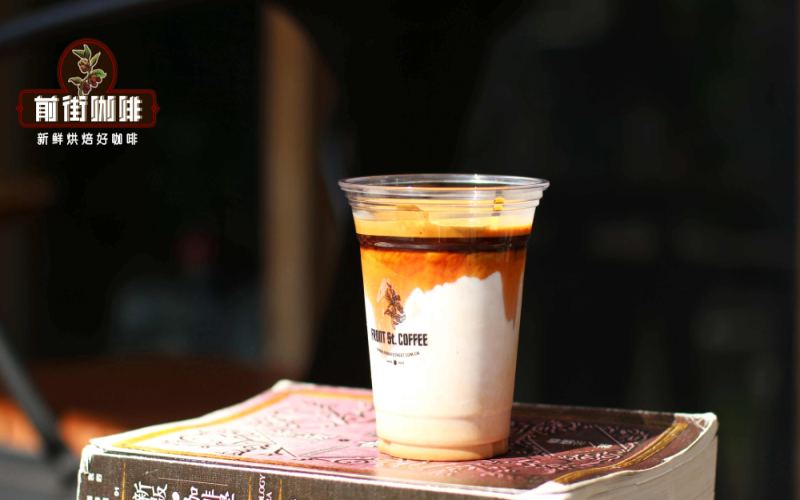
Latte Coffee Making Guide: Espresso Bean Selection and Hot Latte Step-by-Step Instructions
Latte coffee, with its blend of espresso and fresh milk foam, has become the drink that many people use to start their day. To make a delicious espresso latte, the choice of coffee beans, the espresso extraction parameters, and the degree to which the milk is steamed all directly affect the final flavor. Starting from the composition of the ingredients, this article introduces two Front Street espresso blend beans suitable for making lattes, and breaks down in detail the process of making a hot latte, including key details such as dose, liquid yield, extraction time, and milk foam temperature and thickness, helping coffee lovers reproduce at home a latte that is smooth in texture and full in flavor. [more…]
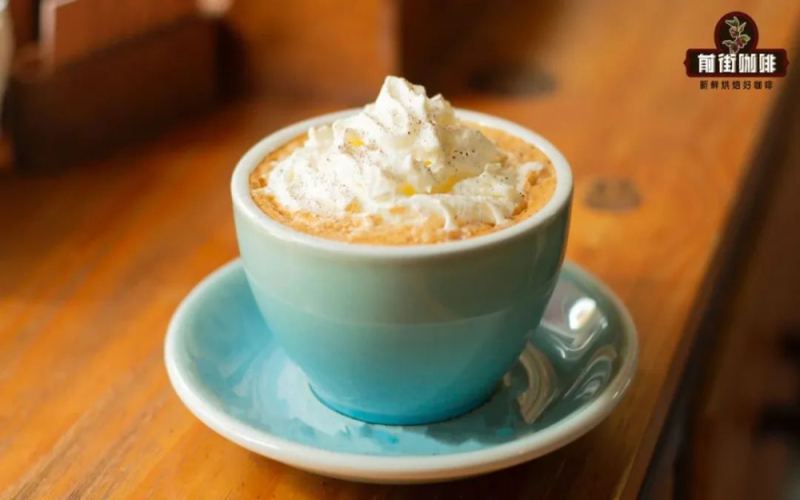
The Origins of Viennese Coffee and Con Panna, and How to Make Cream Coffee: A Detailed Guide to Bean Selection and Steps
The combination of cream and coffee has a long history, from the first cream coffees on the streets of 17th-century Vienna to the Korean-style Vienna coffee that now trends on social media—this pairing has always been full of charm. This article traces the historical origins of cream coffee, sorts out its evolution and relationship with cappuccino and con panna, and provides detailed instructions for making both traditional Vienna coffee and the Korean-style improved version. At the same time, for home and office settings, it recommends the Front Street Coffee espresso blend series beans to help readers recreate a sweet, smooth cream coffee at home. [more…]
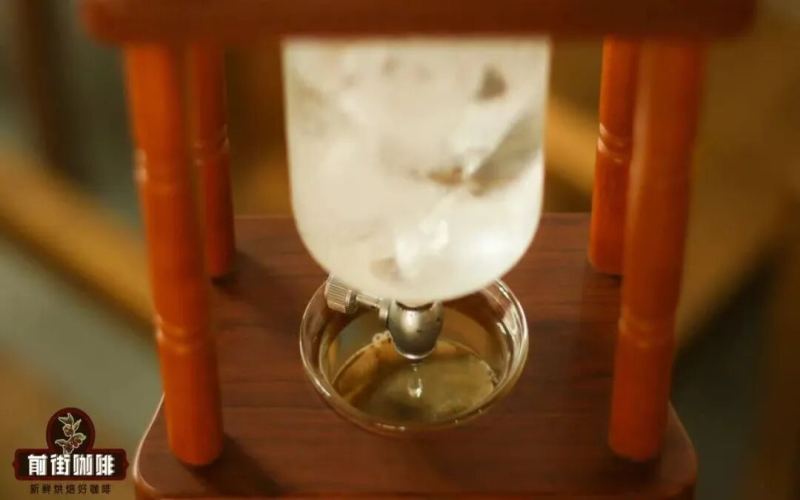
Black Coffee | Why is cold drip coffee more expensive than Americano and pour-over coffee? How is cold drip coffee made? Is making a cup of cold drip coffee very time-consuming?
Black coffee generally refers to pure coffee with nothing added except water. Americano, pour-over, cold brew, and others are all members of the black coffee family. Because they have no milk, cream, sugar, or any other ingredients that could affect the coffee's flavor, the taste of the coffee can be presented more purely. Then I believe it is not hard to see that iced [more…]

Americano | Why does the Americano taste noticeably different at different coffee shops? What characteristics should a delicious cup of Americano have?
Starting a refined day for the working crowd often takes just a cup of freshly ground coffee, and an Americano is the top choice for countless office workers. No matter what factors are at play, the Americano is always the "pillar" of any coffee shop, so its taste often directly shapes people's first impression of the place—sometimes even prompting the thought, "They can't even make a decent [more…]

Espresso Milk Drinks | How to make a standard latte, cappuccino, and flat white? What are the differences between the three?
Even with the same few ingredients, as long as the proportions differ, we can create infinite possibilities—coffee is a perfect example. Take the "three milk coffee musketeers" that Front Street Coffee often shares: latte, flat white, and cappuccino. Their only ingredients are milk and coffee, yet when you drink them, whether in taste [more…]
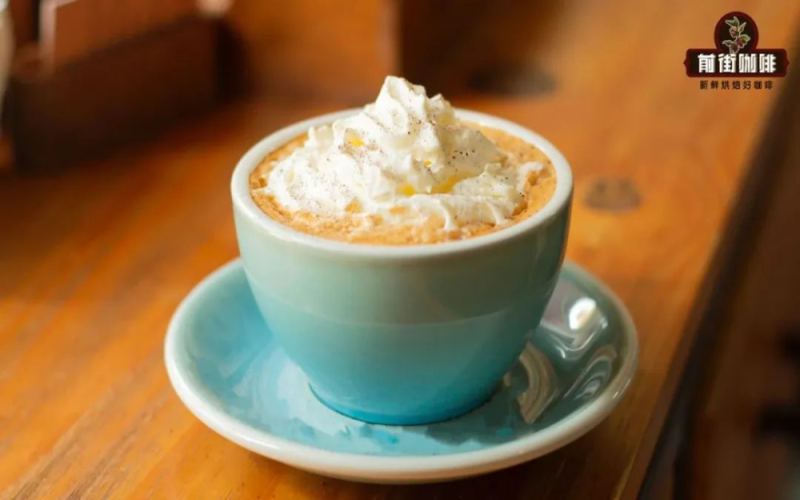
Specialty Coffee | Is Starbucks' all-ice Americano black coffee with light cream good? How can coffee beginners make authentic Viennese coffee at home?
Cream, a rich food with both a silky texture and a thick, creamy mouthfeel. Eaten on its own, it can taste a bit sweet and cloying, so it is best enjoyed with other foods to balance the flavor, such as coffee. In the world of coffee, the word "cream" does indeed appear often. In coffee tasting, it refers to mouthfeel. [more…]