







Search Results for: Fruit Flavor Enhancement
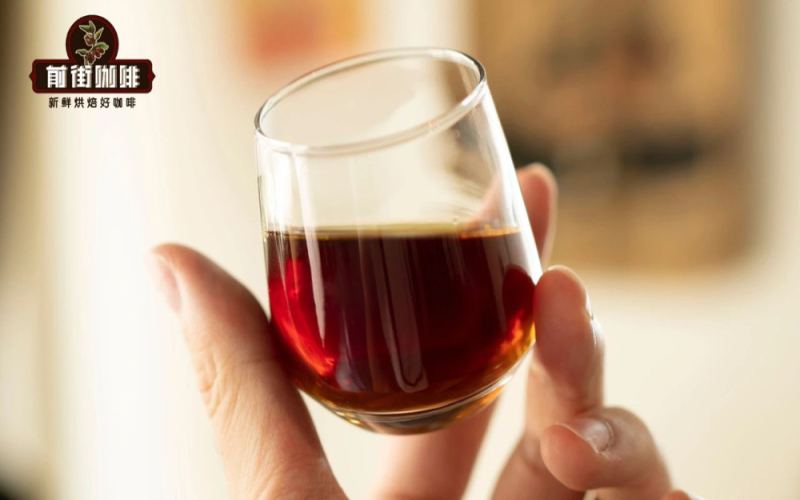
Costa Rica Musician Series Chopin Coffee Bean Flavor Analysis and Pour-Over Sweetness Enhancement Techniques
A new member joins the Costa Rica Musician Series—Chopin coffee beans. Hailing from Canet Estate, this bean is renowned for its rose aroma and pronounced sweetness. This article provides a comprehensive analysis of the flavor code of Chopin coffee beans, covering the terroir of the producing region, the raisin honey processing method, the characteristics of the Yellow Catuai variety, the roasting curve, and cupping performance. At the same time, Front Street Coffee shares pour-over parameters and staged extraction techniques, and compares the flavor differences at water temperatures of 92°C and 90°C, helping coffee enthusiasts find the best brewing method to enhance sweetness, allowing the rose-like sweet fragrance of this Chopin to bloom fully in the cup. [more…]
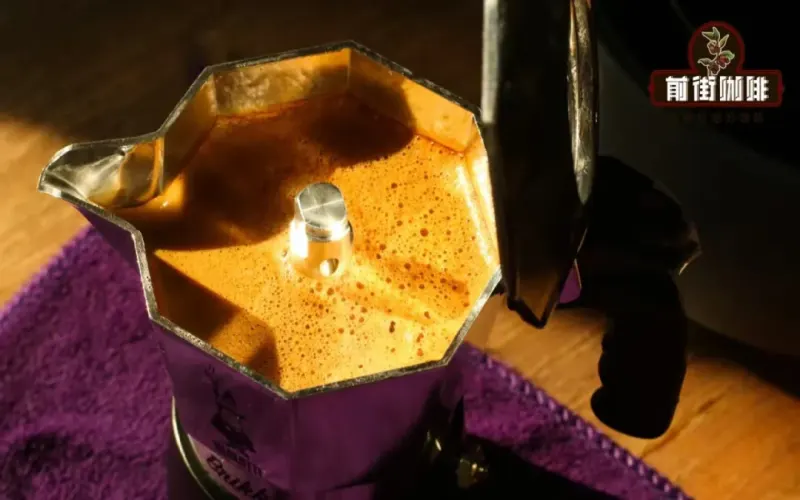
Moka Pot Can Also Make Standard Espresso-Based Drinks: Espresso Enhancement Tips and Floral Coffee Bean Recommendations
The moka pot uses pressurized extraction, and its principle is the same as that of an espresso machine. Therefore, it can make black coffee with a concentration close to espresso, and is regarded by many people as a home alternative to an espresso machine. On this basis, it can then be used to recreate Americano, latte, mocha, and other specialty coffee drinks. However, the pressure of a moka pot is limited, and the coffee concentration is only close to espresso. When milk is added directly, the result often tastes too watery, so the key is to increase the concentration of the coffee itself. This article will explain why it is necessary to increase the coffee-to-water ratio and extraction efficiency, and will provide adjustment directions such as grind size, coffee dose, and heat level. It will also recommend coffee beans with floral and fruity notes that are suitable for the moka pot, and finally use Golden Mandheling as an example to fully demonstrate the production process and parameters for a cup of moka pot latte. [more…]
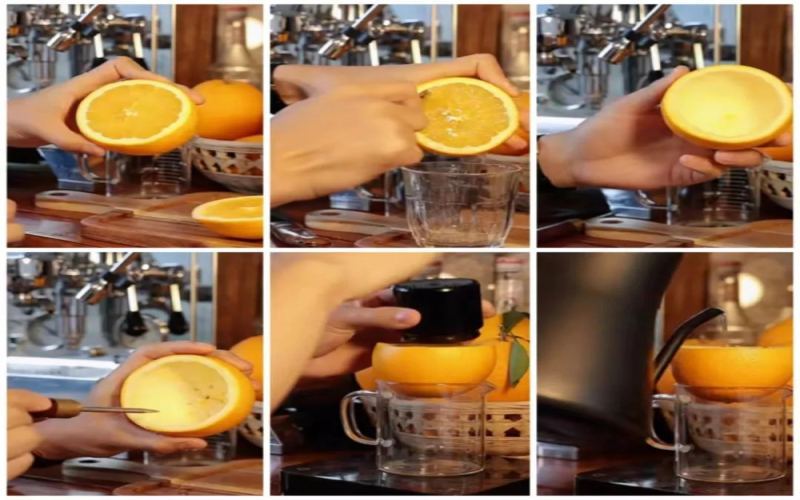
The Three Evolutions of Orange Peel Pour-Over Coffee: From Fails to Advanced Techniques and Front Street Recommendations
In winter, Gannan navel oranges flood the market. Instead of tossing the peels, they can become a fun tool for pour-over coffee. This article walks you through the evolution of orange peel pour-over from version 1.0 to 3.0, showing how netizens solved clogging and fine grounds issues, and tried fruit drippers like watermelon and mango. Meanwhile, Front Street Coffee recommends beans that pair well with fruity flavors, so you can enjoy a layered pour-over while exploring fruit-infused enhancements. [more…]
Can Espresso Blend Beans Handle Pour-Over? An In-Depth Analysis of Suitability and Flavor Performance, Plus a Front Street Coffee Hands-On Comparison
Many coffee enthusiasts wonder: can the blended beans typically used for espresso also be used for pour-over? The answer is yes, but doing so will lose the pure flavor of single-origin beans, and the overall taste will be more complex. Espresso blends and pour-over blends differ significantly in purpose, principles, and roast level—the former seeks flavor complementarity, while the latter emphasizes flavor enhancement. This article provides a detailed breakdown of the similarities and differences between the two, their blending principles, and uses Front Street Coffee's Ethiopian natural Red Cherry blended with Honduran Sherry as an example, extracting with both an espresso machine and a V60 pour-over for comparison, covering everything from parameters to flavor. [more…]
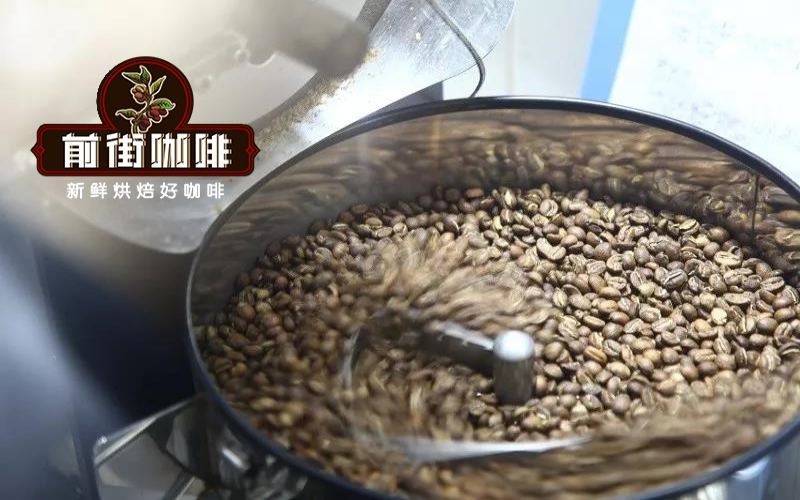
An Analysis of the Flavor Differences Between Light, Medium, and Dark Roasted Coffee Beans: Medium Roast Flavor Characteristics and Bean Selection Strategies for a Cup That Is Neither Sour Nor Bitter
The roast level of coffee beans directly influences the flavor direction in the cup. The darker the roast, the more the acidic compounds are destroyed, and caramel, smoky, and bitter notes gradually take over; the lighter the roast, the easier it is to preserve bright fruit acidity and floral aromas. For coffee lovers who neither like too much acidity nor want to taste bitterness, a medium roast is often the more balanced choice. So what flavor characteristics does medium-roast coffee actually have? And how do you distinguish between medium-light and medium-dark roasts? This article starts from the principles of roasting, combines them with the first crack milestone, sorts out the flavor differences among light, medium, and dark roasts, and offers specific Front Street Coffee bean recommendations to help you find the cup that suits you between acidity and bitterness. [more…]
A Complete Analysis of Ethiopia's Red Cherry Project: The Flavor Code of Natural Yirgacheffe and Front Street Coffee Selections
Yirgacheffe, as Ethiopia's most representative specialty coffee region, has seen its natural sun-dried lots infused with new vitality thanks to the Red Cherry Project. This article will guide you through an in-depth understanding of the Red Cherry Project, a quality improvement initiative launched by Dutch trader Trabocca—from its development and funding since 2007 to the technical details of the natural sun-dried processing method, and then to the complete flavor expression of Front Street Yirgacheffe Red Cherry Project coffee beans, from dry aroma and wet aroma to slurping. Whether you are a beginner just getting into specialty coffee or a seasoned enthusiast pursuing the ultimate flavor, you will gain a comprehensive understanding and tasting reference for this bean. [more…]
Coffee Bean Selection Tips | Espresso Always Over-Extracted or Weak? How to Buy the Right Espresso Beans? High Value-for-Money Home Espresso Bean Recommendations
As coffee lovers, I believe everyone has struggled with how to buy a suitable bag of coffee beans, and sometimes, due to poor choices, the espresso you make turns out disastrous. This is especially true for espresso machines with a pressurized feature, as the strong and intense taste of the espresso can easily lead to over-extraction if the coffee beans are not properly selected. [more…]
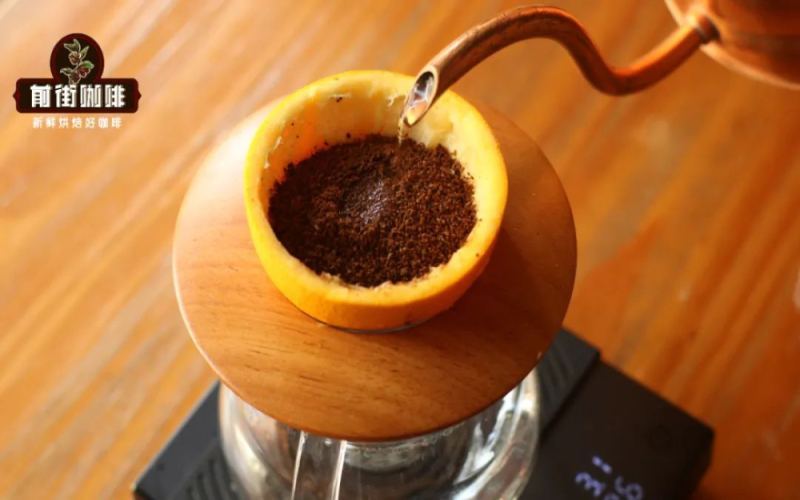
Is it feasible to make a pour-over dripper from fresh orange peel? A complete hands-on test from choosing the fruit and poking holes to brewing parameters
Hollowing out a fresh orange to make a dripper for brewing coffee—this method, which once went viral online, has recently seen new variations. Front Street Coffee, out of curiosity, gave it a try firsthand, from picking oranges, scooping out the flesh, poking holes, to brewing, and conducted a comparative test with two different coffee beans. The first attempt, due to holes that were too small, caused severe clogging and over-extraction, resulting in bitterness; the second time, after enlarging the hole size and coarsening the grind, a delicious cup was finally achieved, featuring citrus aromas, blueberry sweetness, and a black tea-like sensation. This article fully documents the steps, parameters, and pitfalls of this experiment, and summarizes three key details to note when using an orange peel as a dripper, for the reference of coffee enthusiasts who enjoy hands-on experimentation. [more…]
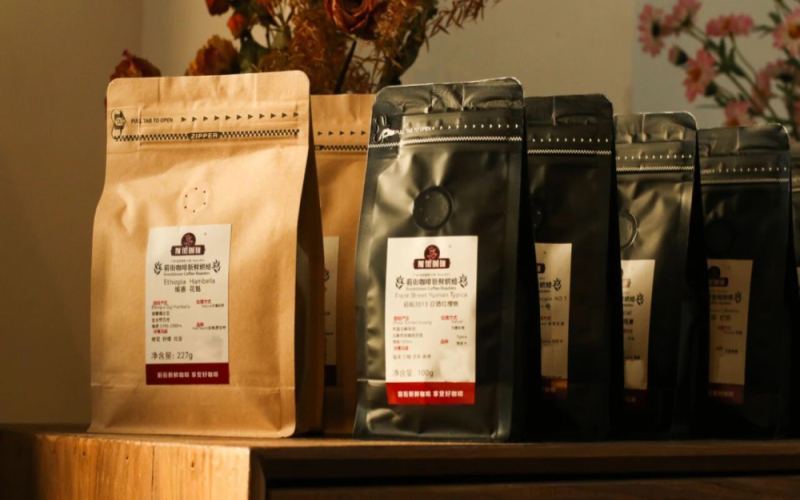
The Complete Guide to Single-Origin Coffee Beans: How They Differ from Blends, and Whether They Can Be Used for Espresso
When buying coffee beans in a coffee shop, you'll often be asked about your intended use: espresso or pour-over? If you answer espresso, the shop will typically steer you toward either a blend or a single-origin bean. So what exactly is the difference between a blend and a single-origin? And can single-origin beans be used to make espresso? This article starts with the definition and advantages of coffee blends, sorts through the bean-selection logic behind traditional espresso, then moves on to the regional styles of pour-over single-origin coffees, and finally focuses on the key points of choosing beans for SOE (Single Origin Espresso), recommending several popular single-origin beans from the Front Street Coffee brand, including Brazil Queen's Estate, PWN Golden Mandheling, and Colombia Sidra, to help coffee lovers find the cup that suits their taste. [more…]
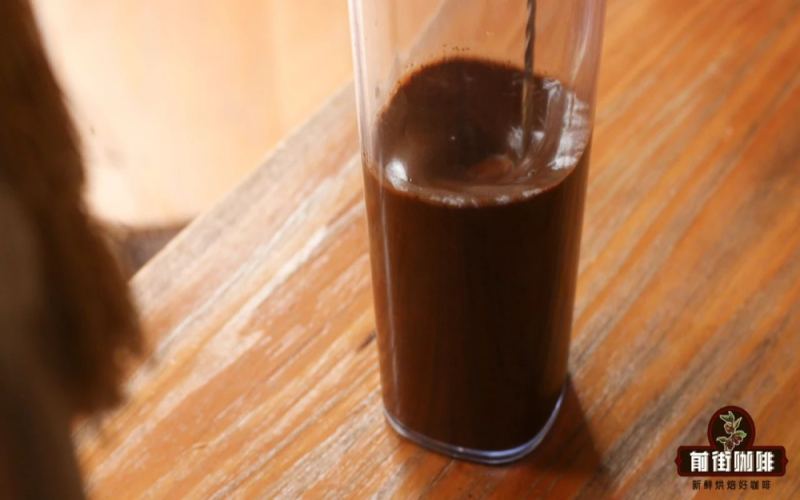
The Complete Guide to Choosing Beans for Cold Brew Coffee: From Fruity and Floral to Dark Roast, an Easy-to-Master Brewing Approach for Beginners
Cold brew coffee, through its unique low-temperature slow extraction method, reduces acidity and bitterness while locking in aroma, resulting in a fuller and more balanced taste. But with such a dazzling array of coffee beans, how should beginners choose? This article draws on the daily experience of Front Street Coffee baristas to systematically sort out the logic of bean selection by flavor type: those who prefer bright fruity acidity can choose washed beans from Kenya, Ethiopia, and the like, such as Front Street Little Tomato and Front Street Fruit Ding Ding; those who like softer fruity notes are recommended sun-dried Front Street Flower Queen and Front Street Red Cherry; those who want to try specific aromas will find specially processed beans such as Front Street Strawberry Candy and Front Street Xizhua to be good choices; and if you do not like acidity, medium-dark roasted Front Street Queen's Manor, Front Street Bird of Paradise, and even dark-roasted Front Street PWN Golden Mandheling can satisfy you. In addition, the article also shares a little trick—adding a small amount of dried osmanthus or jasmine flowers can give cold brew an extra touch of delicate floral fragrance. [more…]
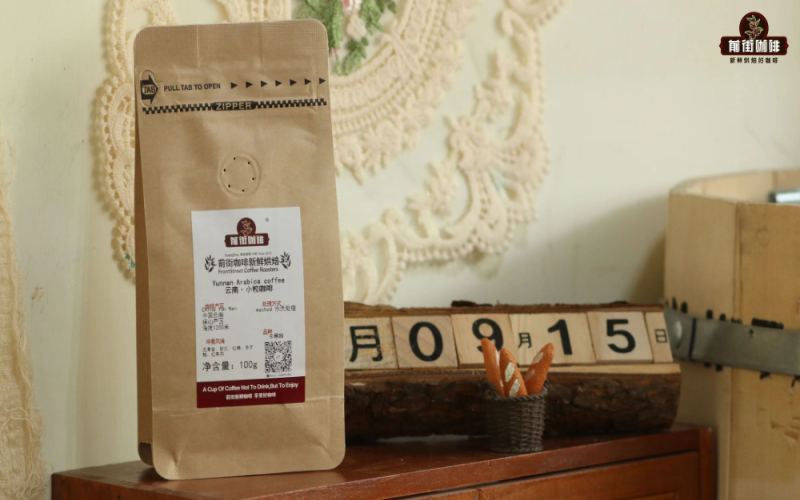
Yunnan Small-Bean Coffee Brand and Origin Selection Guide: Baoshan and Lincang Catimor and Typica Flavors and Front Street Coffee Bean List Recommendations
Yunnan coffee has seen steady quality improvements in recent years, and more and more domestic enthusiasts are turning their attention to the small-bean coffee produced in this region. This article covers the distribution of Yunnan's coffee-growing areas, the planting history of Baoshan, the origins of the Catimor variety, and the two processing methods of washed and natural, giving you an understanding of the flavor foundation of Yunnan small-bean coffee. It also draws on two beans from the Front Street brand—the washed Catimor and the natural Typica—to provide concrete references from growing region to cup, helping friends who want to try Yunnan coffee find the cup that suits them. [more…]
Why can unsweetened black coffee taste sweet? Analyzing the factors that influence coffee sweetness and perceived sweetness
Many people, upon first hearing a barista say "this coffee is very sweet," will look utterly confused: there's clearly no sugar added, so where does the sweetness come from? In fact, when coffee people talk about "sweetness," they mean two dimensions—sweetness level and sweet perception. Sweetness level depends on variety, cultivation, processing method, and roast degree, while sweet perception is a comprehensive experience produced by aroma and taste working together. During roasting, a large amount of coffee's sugars have already been broken down and transformed, and the sweetness we perceive often needs to be amplified through aroma associations and taste contrasts. This article will break down, one by one, the factors affecting coffee's sweet expression, and offer practical suggestions for training yourself to capture sweet perception. [more…]
Analysis of the Flavor Differences Between Sumatra Lintong and Golden Mandheling and the Impact of Wet-Hulling on Taste
Mandheling coffee is the most representative coffee category in Sumatra, Indonesia, famous for its full-bodied, syrupy mouthfeel and herbal, earthy, and spicy flavors. Many enthusiasts either love it or hate it, and the root of this unique flavor lies in the wet-hulling process born from local climatic conditions. This article will begin with the cultivation history of Mandheling, tracing the thread of how the Dutch introduced coffee to Indonesia, and analyze how the wet-hulling process shapes a low-acid, heavy-bodied cup profile in a humid environment. It will also compare the similarities and differences between the two major producing regions of Lintong and Aceh, and introduce the specific practices of Front Street Coffee's Staple Bean series and PWN Golden Mandheling in terms of bean selection standards, roast levels, and brewing parameters, helping readers fully understand the flavor logic of this classic Sumatran coffee. [more…]
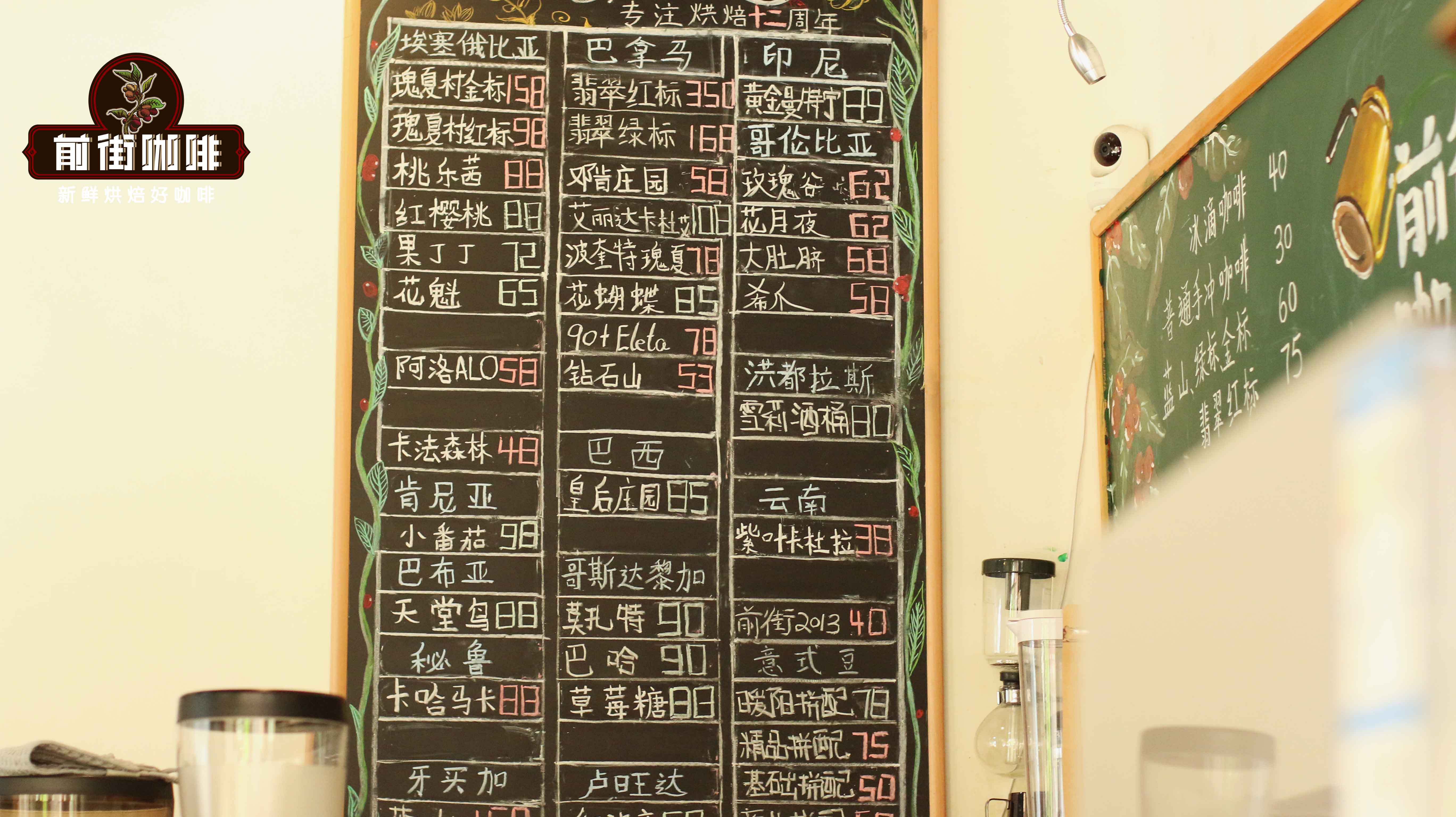
What is the difference between espresso blends and single-origin pour-over coffee beans? Can single-origin beans be used for espresso?
Blended coffee beans and single-origin pour-over coffee beans are the two most common types of beans in the coffee world. The former is usually extracted with an espresso machine, pursuing a balance of crema and body; the latter mostly comes from a single origin, emphasizing unique terroir flavors and is often presented via pour-over. So, can blended beans be used for pour-over? And can single-origin beans be used to make espresso? This article will systematically sort out the definitions, roasting orientations, and applicable scenarios of the two, and attach Front Street brand's popular single-origin and SOE bean list, including Yirgacheffe Gedingding, Huakui, Little Tomato, Strawberry Candy, Yunnan Small-Bean Typica, as well as SOE options such as Red Cherry, Mozart, and Golden Mandheling, to help coffee lovers make choices based on flavor preferences and brewing methods. [more…]

Commercial espresso specialty coffee beans recommendations | Which coffee brands' blends are suitable for espresso? What are the requirements of espresso for coffee beans?
For more specialty coffee knowledge, please follow: Front Street Coffee (Frontsteet Coffee). Espresso has a thicker texture and richer crema than drip coffee, and making high-quality espresso is inseparable from good espresso beans. Generally speaking, espresso beans are all [more…]
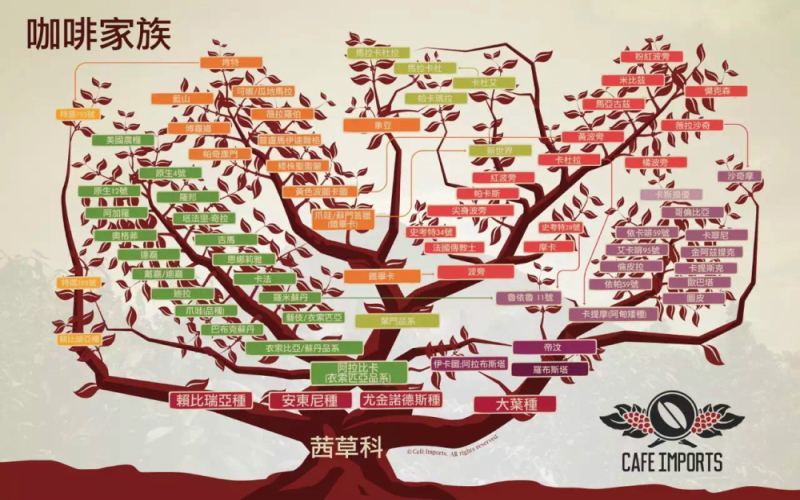
What grade do Arabica coffee beans belong to? A comprehensive interpretation of specialty Arabica variety characteristics and flavor profile
You often see the label "100% Arabica," but what exactly is Arabica? How does it differ from Robusta? Why is Arabica regarded as a higher-grade coffee variety? This article will systematically sort out Arabica's varietal origins, growing conditions, and flavor characteristics, as well as its core differences from Robusta in yield, cost, and flavor. It will also introduce the special existence of specialty Robusta, and, combined with Front Street Coffee's blends and everyday drinking bean series, help coffee lovers gain a clearer understanding of coffee bean grades and the direction for choosing them. [more…]
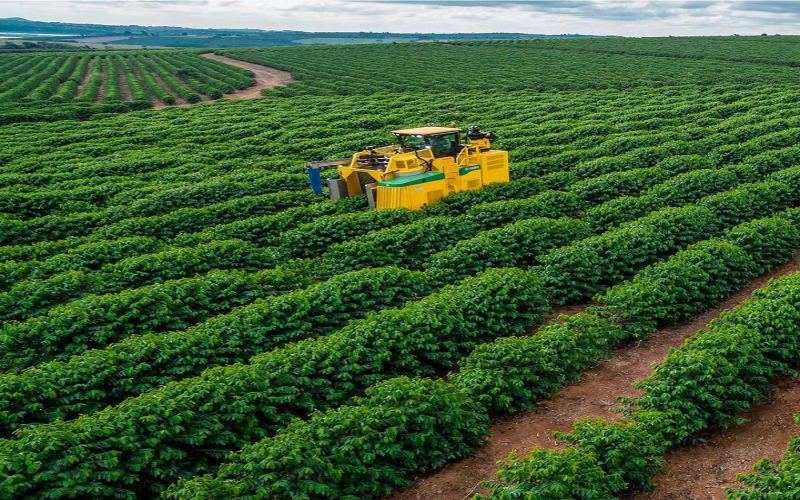
An Analysis of Coffee Quality in Brazil's Cerrado Region: From Queen Farm's Yellow Bourbon to the Road to COE Specialty Coffee
Brazil is the world's largest coffee producer, with an annual output of about 2.7 million metric tons, accounting for one-third of the global total. Although its natural conditions are not ideal for coffee cultivation, Brazil has achieved a remarkable turnaround in its coffee industry through variety improvement and soil modification. Among its many producing regions, the Cerrado region stands out, with its coffee mostly featuring nutty and chocolate flavors, low acidity, and a smooth mouthfeel. Front Street Coffee's Brazil Bourbon coffee beans come from Cerrado, and the Yellow Bourbon from Queen's Farm is an even more outstanding specialty representative. This article will guide you through the terroir characteristics of the Cerrado region, the history of soil improvement in the Minas region, and how Front Street uses the Kono dripper and 88°C water temperature to bring out the rich, mellow charm of Brazilian coffee. [more…]
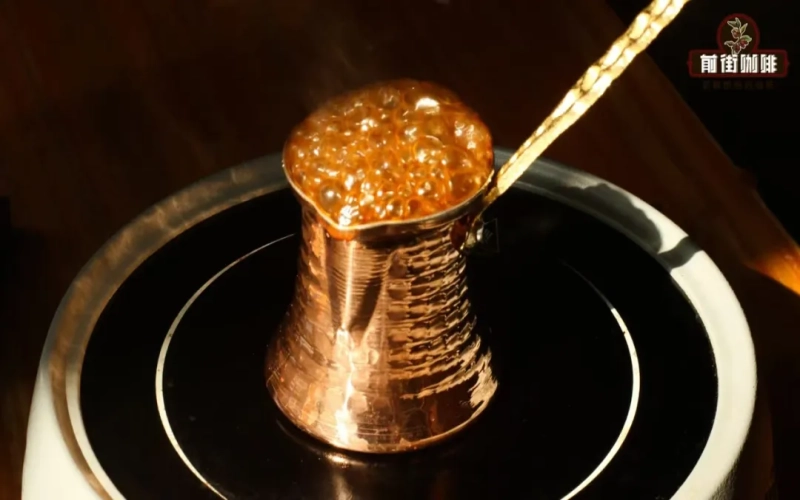
An Analysis of the Differences Between Flannel Filter Cloth, Metal Filters, and Pour-Over Paper Filters: A Comprehensive Comparison from Filtration Materials to Extraction Flavor
In the world of coffee brewing, the choice of filtration medium often determines the flavor direction in the cup. From Turkish coffee, which was mainly boiled before the 19th century, to the filter paper and dripper invented by Mrs. Melitta, to the artisanal use of flannel cloth in Japan, each filtration method carries a different extraction logic. Today, the filter paper, flannel cloth, and metal mesh commonly used in pour-over coffee each have their strengths and weaknesses: filter paper brings a clean and transparent mouthfeel, flannel retains oils and fine particles, achieving a rich and mellow flavor, while metal mesh poses new challenges in terms of pore size and extraction method. Front Street Coffee uses Ethiopian Santa Vini beans for comparative brewing, and by adjusting the pouring technique, reveals the causes of under-extraction with metal mesh and directions for improvement, providing a practical brewing reference for coffee enthusiasts. [more…]
What Is the Difference Between Americano and Long Black? A Comprehensive Analysis from Extraction Method to Flavor Differences
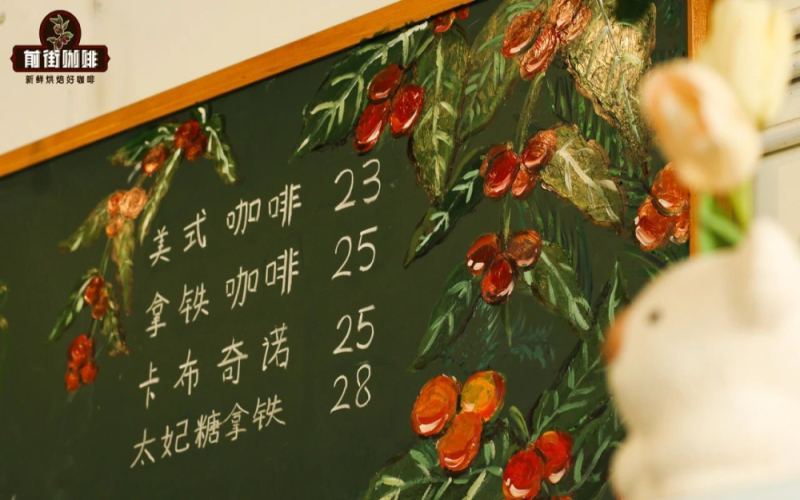
American coffee and Long Black are both based on espresso, but the difference in preparation order brings about completely different taste experiences. The former is extracted first and then diluted with water, so the crema is dispersed and the concentration is even; the latter is poured with water first and then the espresso is added, so the crema is preserved and the flavor goes from strong to weak. Whether a cup of American coffee tastes good depends on the quality of the coffee beans and the extraction level. Front Street Coffee takes the Sunflower Warm Sun blend as an example, using the same beans to make American coffee and Long Black separately, showcasing the different layers of sherry aroma, berry acidity, and chocolate finish. This article will also introduce in detail the recipes, flavor characteristics, and suitable scenarios of Front Street's four Italian-style blends, helping coffee lovers find the cup that suits them. [more…]
Detailed Comparison of Natural and Washed Processing Methods for Yirgacheffe: Flavor and Mouthfeel Contrast, with a Front Street Coffee Worka Red Cherry Recommendation
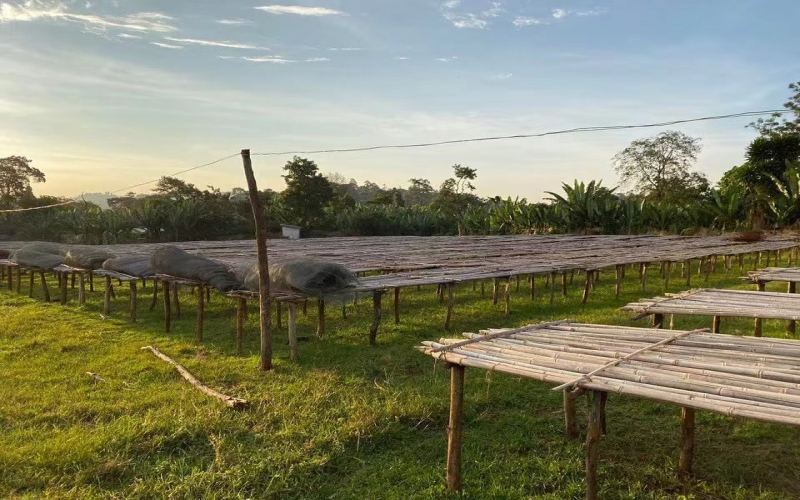
The Yirgacheffe region in Ethiopia is synonymous with specialty coffee, and the two processing methods—washed and natural—give coffee beans截然不同的 flavor profiles. Washed Yirgacheffe is known for its clean, fresh character and bright acidity, while natural Yirgacheffe stands out with its juicy body and pronounced sweetness. This article starts with Front Street Coffee's Worka Cooperative washed beans and Red Cherry natural beans, offering a detailed analysis of the process flows, flavor differences, and roasting and brewing recommendations for both processing methods, helping coffee enthusiasts gain a comprehensive understanding of Yirgacheffe's allure. [more…]