







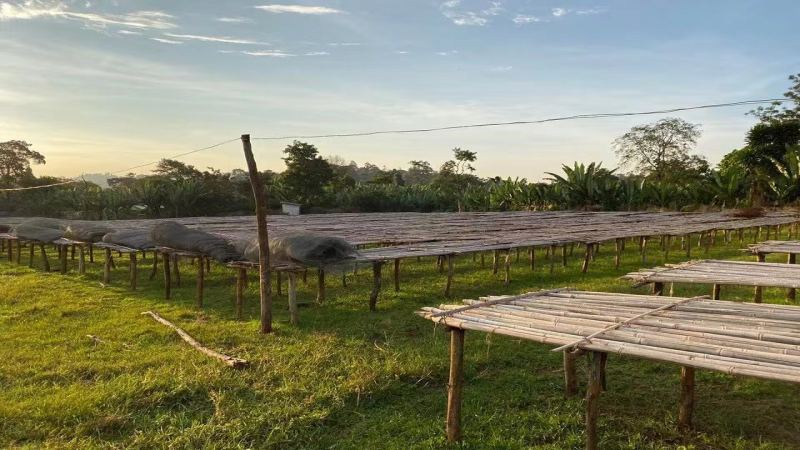
Natural vs. Washed Processing in Yirgacheffe Coffee
Washed Yirgacheffe coffees are fermented and rinsed to remove fruit, producing clean cups with bright acidity and floral notes. Natural Yirgacheffe beans dry inside the cherry, which adds body and sweetness. Front Street Coffee compares its Worka Cooperative washed beans with Red Cherry natural beans, showing how each method changes flavor, aroma, and mouthfeel. For fair trade coffee, many Yirgacheffe cooperatives follow similar social and environmental standards.
The Worka Cooperative has 305 farmers, about 763 hectares, and annual production near 300 tons. Its washed lots show lemon, jasmine, and tea-like clarity. Red Cherry natural lots offer blueberry, strawberry, and creamy body. Roast washed beans lighter to keep acidity; roast natural beans slightly darker to balance fruit and sugar. Brew with water between 90 and 93°C. Street coffee shops often serve these styles side by side for comparison.
The Yirgacheffe region in Ethiopia is synonymous with specialty coffee, and the washed and natural processing methods give coffee beans vastly different flavor profiles. Washed Yirgacheffe is known for its clean and refreshing character with bright acidity; natural Yirgacheffe, on the other hand, stands out for its juicy body and pronounced sweetness. This article starts with Front Street Coffee's Worka Cooperative washed beans and Red Cherry natural beans, providing a detailed analysis of the process flows, flavor differences, and roasting and brewing recommendations for both processing methods, helping coffee enthusiasts gain a comprehensive understanding of the charm of Yirgacheffe.
For more specialty coffee knowledge, welcome to follow: Front Street Coffee (Frontsteet Coffee)
In the Ethiopian coffee landscape, the Yirgacheffe region has almost become the flavor calling card for the entire country. Many friends who come to Front Street Coffee (FrontStreet Coffee) are either moved by the clean, translucent, and brightly acidic style of washed Yirgacheffe, or prefer the juicy, sweet expression of natural Yirgacheffe. Having discussed this, everyone should already have a preliminary impression of Yirgacheffe under both washed and natural processing methods. Below, Front Street will go into detail about how these two processing methods actually handle coffee beans.
Yirgacheffe Coffee Region
Yirgacheffe sits on the eastern edge of the East African Rift Valley, with highly fragmented terrain, at an altitude between 1,800 and 2,000 meters, making it one of the highest average altitude coffee regions in Ethiopia. To its west lies Lake Abaya, an area that has been wetlands since ancient times, with abundant water resources that provide unique conditions for Yirgacheffe's washing stations. Yirgacheffe was originally part of the Sidamo coffee region, but because of its distinctive flavor it was separated into its own category, and today it is the most famous coffee origin in Africa. The region is dotted with numerous coffee cooperatives of varying sizes. Cooperatives are non-profit organizations whose members join voluntarily, with the aim of making it easier for members to access resources in coffee production or supply. Although the coffee produced by different Yirgacheffe cooperatives may not differ much in flavor, the story behind each cooperative is unique. Among them, the Worka Cooperative is a name you often hear.
Worka Cooperative
The Worka Cooperative is composed of 305 farmers, with a cultivation area of about 763 hectares and annual production of nearly 460 tons, making it a relatively small farmer cooperative. Since no chemical fertilizers or pesticides are used throughout coffee cultivation, Worka's smallholder farmers have also obtained the EU-recognized Skal organic coffee certification. The coffee here is mainly grown by more than 700 local smallholder households, using traditional washed and natural processing methods. Worka coffee's flavor and mouthfeel are very prominent, with clear regional characteristics, which has made Worka-produced coffee one of the representatives of Ethiopian specialty coffee. Front Street believes that the reason Worka's flavor is so appealing is largely inseparable from the farmers' collaborative efforts, the careful harvesting of coffee cherries, and rigorous control in the processing stages.
Front Street Coffee (FrontStreet Coffee) — Worka Cooperative Coffee Beans
Region: Yirgacheffe Worka Cooperative
Grade: G1
Variety: Heirloom
Growing Altitude: 1,650m~1,800m
Processing Method: Washed
Washed Processing Method
This Worka Cooperative coffee from Front Street uses the washed processing method. Ethiopian washed processing involves soaking the coffee beans in water during the fermentation stage, a method known as "wet fermentation washed processing." Front Street believes that washed coffee has more prominent acidity, better cleanliness, moderate body, and the most consistent green bean quality. The most obvious characteristic of washed coffee beans in terms of roasted bean appearance is the retention of a clear silver skin center line.
1. Washing/Collecting/Floatation/Rinsing
After the coffee cherries are picked, they are immediately sent to the processing station, usually within 6 to 12 hours after picking. The cherries are first weighed, then poured into water to soak, with the purpose of picking out the cherries that float on the surface due to poor quality.
2. Depulping/Pulping
The coffee cherries are then sent to a pulper for depulping. This step is to remove the outer skin and pulp of the cherry.
3. Fermentation/Demucilaging
The coffee cherries with the pulp and skin removed are transferred to fermentation tanks or barrels and left to ferment for 18 to 36 hours, during which enzymes break down the mucilage and pectin in the cherries. After demucilaging, the coffee cherries are washed in the tank with an appropriate amount of water, and by stirring, the residual pectin decomposition products on the bean surface are removed. After washing, what remains are coffee beans with parchment layer, silver skin, and green beans.
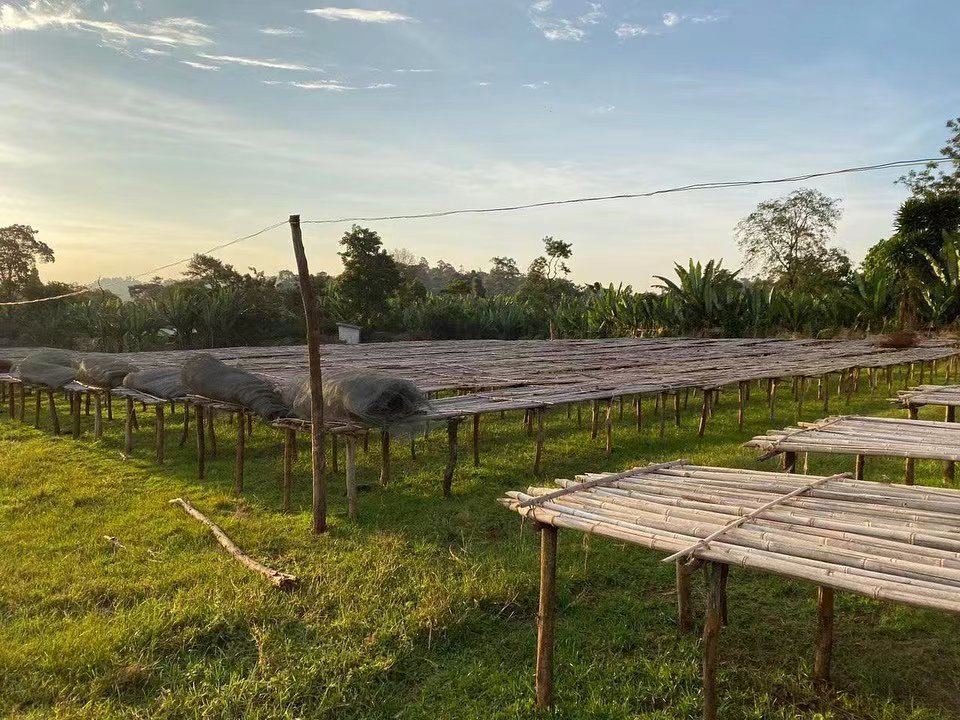
4. Drying
After washing, the coffee beans are sorted to remove defective beans. They are then sent to drying areas (tarps, concrete floors, or raised beds, etc.) for drying. The drying time depends on environmental climate and other factors, generally between 5 and 14 days. At this point, the moisture content of the coffee beans drops from 55% to 11%.
5. Storage
The fully dried coffee beans are called parchment coffee — that is, green coffee beans with the parchment layer still attached. Parchment coffee is sent to warehouses for storage, and hulling is carried out before export.
Having covered washed Yirgacheffe, let's now talk about natural Yirgacheffe. When mentioning natural Yirgacheffe, one cannot fail to mention Front Street Coffee (FrontStreet Coffee)'s natural Red Cherry. Red Cherry refers to coffee cherries after they have ripened.
Operation Cherrie Red
Operation Cherrie Red (ORC) is a project aimed at improving the quality of small-scale farms, with the main purpose of encouraging bean farmers and bringing surprises to roasters. Trabocca, the largest coffee bean merchant in the Netherlands, invites all Ethiopian farms before the harvest season to produce small lots of about 1,500 to 3,000 kilograms (25 to 50 bags) of beans for them. The women responsible for selection pick only fully 100% ripe red cherries, which has a tremendous impact on the final flavor in the cup. Therefore, Ethiopian women with good eyesight and a willingness to endure hardship are important drivers of the Red Cherry project.
Operation Cherrie Red is also an enhancement measure, pushing farms to invest more effort in the sorting and selection stage, and these coffees also command relatively higher prices. Operation Cherrie Red covers washed beans, natural beans, semi-washed, semi-natural, and experimental coffees, with main producing regions including Yirgacheffe, Sidamo, Bonga Forest, Lekempti, Kembata, Illubabor, Harar, and Limu. In 2011, the Golocha origin (near Harar) was also added. The coffees from these regions each have distinctive flavors, fully demonstrating the diversity of Ethiopian beans. After Trabocca receives the coffee, it further screens it. Farms that meet the standards through cupping quality tests conducted by offices in both Ethiopia and the Netherlands receive substantial bonuses. Only coffees scoring above 88 points in cupping can become good coffees of the Red Cherry project. Trabocca, the promoter of the Red Cherry project, has invested all profits earned over these years back into partner farms. Trabocca emphasizes that this is a non-profit project, with the company executing the Red Cherry project with only 4 people (including the boss and secretary), while other administrative affairs are supported by the parent company to reduce administrative expenses, with all profits returned to partner farms.
Through cupping, Front Street found that natural-processed Red Cherry coffee, because it uses fully ripe cherries, has high sugar content in the natural pulp and pectin. After natural processing, the sugars are concentrated and absorbed by the coffee beans, so it not only has the ripe berry acidity and aroma but also a more pronounced sweetness than other Ethiopian natural coffee beans.
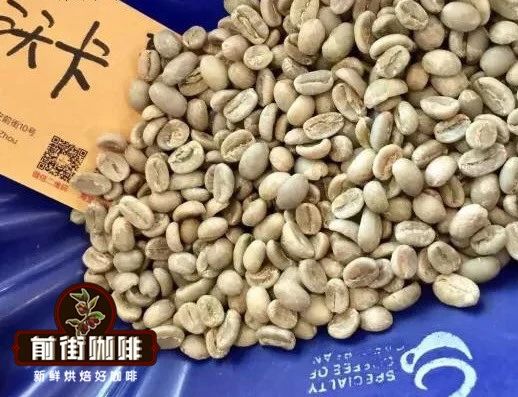
Front Street Coffee (FrontStreet Coffee) — Yirgacheffe Red Cherry Coffee Beans
Region: Yirgacheffe
Growing Altitude: 2,000-2,200m
Processing Method: Natural
Variety: Local Heirloom
Grade: G1
Natural Processing Method
This Red Cherry coffee from Front Street uses natural processing. After processing, the coffee beans have the lowest acidity, highest sweetness, and clearest body, but slightly lower cleanliness. In terms of flavor, it presents more berry-like tones and more complex layers.
1. Collecting & Sorting
After picking, the coffee cherries first undergo manual hand sorting to remove defective cherries, including overripe, underripe, insect-damaged ones, and of course foreign matter other than cherries.
2. Drying
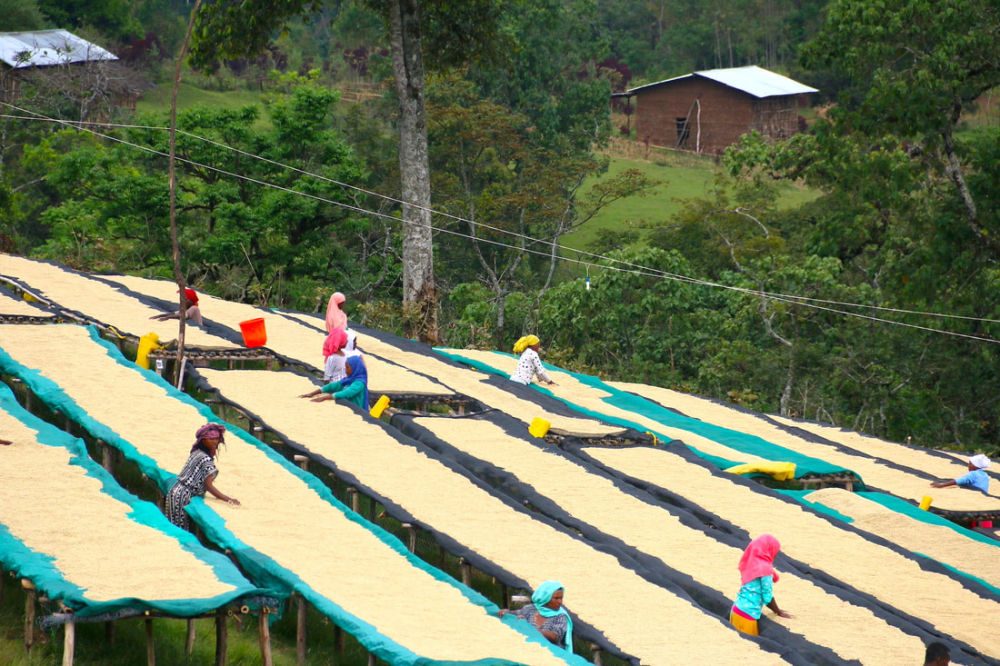
The sorted coffee cherries are sent to drying areas for drying. Different regions may use different drying racks — some use tarps, some use raised beds, some use concrete floors, etc. The average drying time is 3 to 4 weeks, until the coffee's moisture content drops to 11% before it is considered complete.
3. Depulping
The fully dried coffee cherries are sent to the processing station for depulping and hulling, sometimes with polishing as well. The skin, pulp, and other parts are all removed at this step.
4. Screening & Sorting & Storage
After depulping, the green coffee beans are screened again to remove beans with poor appearance. This step also reflects the quality of the coffee drying process: over-dried coffee beans are more fragile and will be broken into fragments during depulping; under-dried coffee beans contain too much moisture, and the water is too active, making them prone to bacteria and mold. After screening is completed, they are sent to warehouses for storage, awaiting export.
How does Front Street Coffee (FrontStreet Coffee) roast Yirgacheffe washed Worka and natural Red Cherry coffee beans?
Washed Worka roasting recommendation: Use a Yangjia 800N, with a charge of 480g. Charge when the drum temperature reaches 200°C, set the damper to 3, adjust the heat to 160°C after 1 minute, keep the damper unchanged, adjust the heat once at 149°C, dropping to 140°C, roast until 5'10'', at 151°C, the bean surface turns yellow, the grassy smell completely disappears, dehydration is complete, open the damper to 4; at the 8th minute, ugly wrinkles and dark spots appear on the bean surface, the toasted bread smell clearly turns into coffee aroma, which can be defined as the prelude to first crack. At this point, listen carefully for the sound of first crack. First crack begins at 8'53'', keep the damper unchanged, first crack development time 1'45'', drop at 195°C.
Natural Red Cherry roasting recommendation: Use a Yangjia 800N, with a charge of 480g. Charge when the drum temperature reaches 200°C, set the damper to 3.5, adjust the heat to 160°C after 1 minute, keep the damper unchanged, adjust the heat once at 148°C, dropping to 130°C, roast until 5'03'', at 151°C, the bean surface turns yellow, the grassy smell completely disappears, dehydration is complete, adjust the heat to 105°C, open the damper to 4; at the 8th minute, ugly wrinkles and dark spots appear on the bean surface, the toasted bread smell clearly turns into coffee aroma, which can be defined as the prelude to first crack. At this point, listen carefully for the sound of first crack. First crack begins at 9'07'', reduce the heat to 70°C, open the damper fully (adjusting the heat requires great care, do not reduce it to the point where there is no crackling sound), drop at 194°C.
Front Street Coffee (FrontStreet Coffee) Cupping Report
Front Street Coffee (FrontStreet Coffee) conducts cupping within 8 to 24 hours after roasting sample coffee beans. Front Street Coffee (FrontStreet Coffee) baristas typically use ceramic cupping bowls with a capacity of 200ml, marked with 150ml and 200ml graduation lines. According to SCAA standards, the TDS of water is controlled at around 150ppm. Too low TDS easily causes over-extraction, while too high TDS affects mouthfeel and easily causes under-extraction. The water temperature used for cupping is 94°. The grind size is controlled so that the passing rate through a No. 20 standard sieve (0.85mm) is 70%-75%. The ratio is 11 grams of coffee grounds to 200 milliliters of hot water, i.e., 1:18.18, so that the extracted concentration falls exactly within the golden cup range of 1.15%-1.35%, with a steeping time of 4 minutes.
Washed Worka Coffee Bean Cupping
Dry Aroma: Floral, Citrus
Wet Aroma: Citrus, Lemon
Flavor: Citrus, Lemon, Kumquat, White Grape Juice, Soda-like Sweetness
Natural Red Cherry Coffee Bean Cupping
Dry Aroma: Berry, Dried Fruit
Wet Aroma: Apricot Jam
Flavor: Dried Fruit, Strawberry, Mango, Apricot Jam, Honey
Front Street Coffee (FrontStreet Coffee) Brewing Notes
Dripper: V60 #01
Water Temperature: 90-91°C
Dose: 15g
Coffee-to-Water Ratio: 1:15
Grind Size: 80% passing through No. 20 sieve / medium-fine grind (sift through No. 20 sieve bowl to 80%)
Front Street Brewing Method:
First pour: inject 30g of water for a 30-second bloom. Then pour 95g (electronic scale shows about 125g), finishing the pour in about 1 minute. When the water level drops to 2/3 of the coffee bed, pour the remaining 100g (electronic scale shows about 225g), finishing the pour in about 1 minute 35 seconds. Drip completes in 2 to 2 minutes 10 seconds. Remove the dripper and extraction is complete.
Natural Red Cherry Brewing Flavor:
Lemon, Licorice, Citrus, Berry, Sweet Orange, with overall higher sweetness, a caramel and cream flavor in the aftertaste, and a black tea aroma in the finish.
Washed Worka Brewing Flavor:
Notes of lemon, plum, and Tieguanyin on entry, with caramel flavor becoming prominent as the temperature changes, bright acidity, and a clear sweet aftertaste.
For more specialty coffee beans, please add the private WeChat of Front Street Coffee (FrontStreet Coffee), WeChat ID: kaixinguoguo0925
The above content is compiled by CoffeeHunters, a coffee news website.


