








What Creates Sweetness in Coffee Without Added Sugar?
Coffee can taste sweet without any sugar because sweetness in coffee has two parts: sweetness level and sweet sensation. Sweetness level depends on variety, growing conditions, processing method, and roast degree. Sweet sensation comes from aroma and taste working together, so the sweetness perceived in a cup is often amplified by smell and by contrast with acidity and bitterness.
During roasting, much of the sugar in coffee is broken down and transformed, so what is tasted is not raw sugar but the result of many compounds. High-altitude coffee grown in fertile soil tends to accumulate more sugar, and sun-dried, anaerobic, or medium-roast beans often taste sweeter. Training the palate to catch that sensation takes practice and attention to aroma.
Many people, upon first hearing a barista say "this coffee is very sweet," will look puzzled: there's no sugar added, so where does the sweetness come from? In fact, when coffee people talk about "sweetness," they mean two dimensions—sweetness level and sweet sensation. The sweetness level depends on variety, cultivation, processing method, and roast degree, while the sweet sensation is a comprehensive experience produced by the combined effect of aroma and taste. During roasting, a large amount of sugar in coffee has already been decomposed and transformed, and the sweetness we perceive often needs to be amplified through aroma associations and taste contrasts. This article will break down one by one the various factors affecting coffee's sweetness expression and offer practical suggestions for training yourself to capture the sweet sensation.
But this also leaves many friends confused. After tasting a "high-sweetness coffee" strongly recommended by a friend or barista, they become even more doubtful: "Where is the sweetness? I can't feel it at all!?"
Generally speaking, if a barista praises a cup of coffee as very sweet, then one thing can basically be certain— this cup of coffee definitely has a lot of sugar added...... Just kidding! So why can't we taste the sweetness the barista describes? The reason is that when a barista says coffee is "sweet," it actually covers two meanings: first, the coffee's sweetness level is relatively high; second, its sweet sensation is very good. Sweetness level refers to the concentration of sweet taste in coffee. Just like the coffee acidity Front Street discussed a couple of days ago, the core factors affecting sweetness level are coffee variety, growing conditions, processing method, and roast degree.

For example, some varieties naturally contain higher sugar levels; or, for the same variety, coffee grown in high-altitude, fertile soil production areas will be sweeter than that from low-altitude areas, because the former can accumulate more sugar. Processing method and roasting determine the proportion of sugar substances retained. For example, sun-dried, anaerobic, and medium-roast coffee beans often taste sweeter than beans processed in other ways. The sweet sensation refers to the feeling and texture brought by sweetness; it is an experience of taste and smell working together. Some coffees have a sweet sensation with distinct layers and rich variation, while others seem thin and stiff, tasting hollow. The key to this difference lies in whether this sweetness has support and resonance from other tastes and aromas.
For example, in Front Street's bean list, Front Street Ethiopia Hamashu gives us a sweet aroma like strawberry and guava; another example is Front Street Diviso Farm Sidra from the bean list, where you can taste a sweetness like fruit candy resembling grapes and apricots. The reason is that the coffee itself carries aromas reminiscent of sweet foods such as fruit, so their sweet sensation has richer layers, and when combined with the coffee's own sweet taste, it also makes people subconsciously feel that the cup's sweetness level is higher.
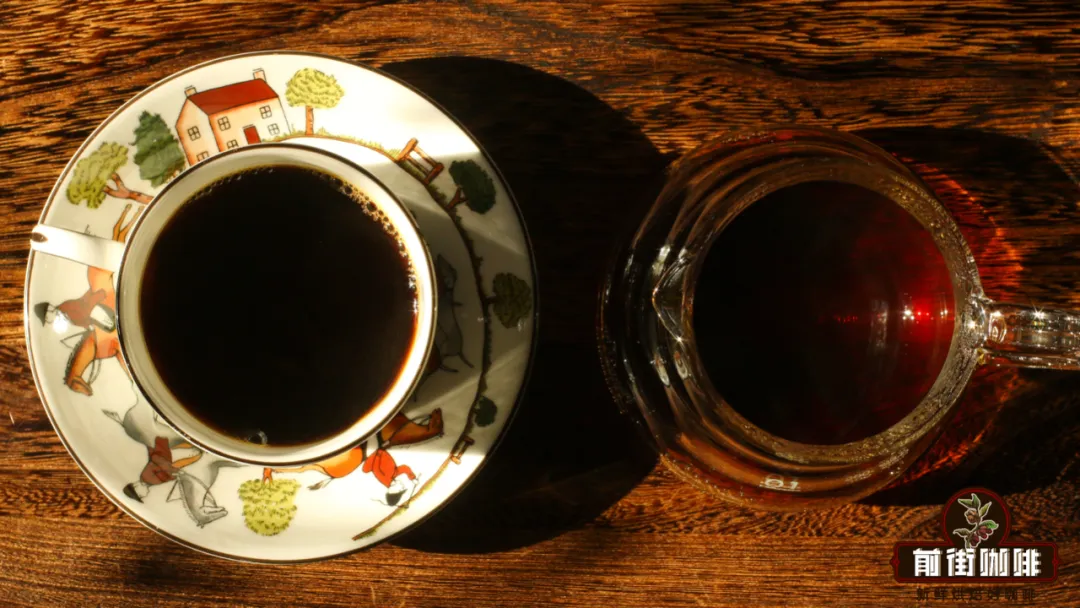
Besides aroma, taste can also significantly affect the texture of coffee's sweetness. They can not only make coffee's sweetness more prominent, but also make the layers more diverse. It is worth mentioning that sweetness in coffee is not so easy to capture. Because during roasting, a large amount of sugar in the coffee beans has already been decomposed and transformed by heat, and the remaining sugar makes it hard for us to directly perceive sweetness from the coffee. So many times, the sweetness we taste from coffee is revealed and associated through the enhancement of aroma or other tastes. In other words, when a barista speaks of sweetness, they mostly mean the sweet sensation. As for aroma, Front Street has already discussed it above, so how does taste enhance it? Actually it is easy to understand: it is the effect of taste contrast! Sour, sweet, bitter, and salty are the four tastes we can taste from coffee, and sweetness has the highest perception threshold among them, followed by salty, sour, and bitter.
When sweetness exists in a cup of coffee together with other tastes, what we often perceive first is the other tastes (unless the proportion of other tastes is extremely small). Take bitterness and sweetness as an example: we first taste bitterness, and only after swallowing the coffee does sweetness emerge in the mouth, a kind of pleasant sweetness. This phenomenon is what Front Street often calls "hui gan"—bitterness first stimulates the taste buds, thereby amplifying the perception of sweetness. When sweetness exists in coffee, after the bitterness fades, this sweetness is amplified and captured by us, which is the so-called "sweetness after bitterness." This phenomenon is most common in medium-dark roasted coffees, such as Front Street Jamaica Blue Mountain No. 1 and Indonesia Front Street PWN Golden Mandheling from Front Street's bean list, both of which can present this kind of aftertaste.
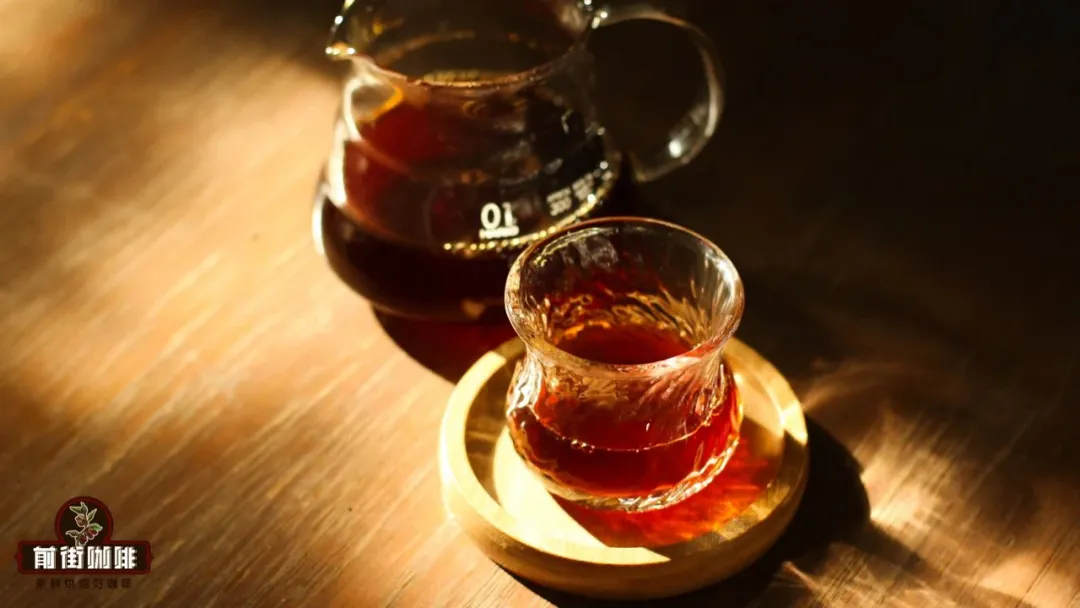
The same principle applies to other tastes. As long as tastes other than sweetness exist together in the coffee, the texture of sweetness will be better and the layers richer. Conversely, if there is only sweetness, imagine it: it is like drinking a cup of sugar water. Although the sweetness level is very high, because it lacks the support of other tastes and aromas, it tastes very monotonous. Likewise, this is also affected by all the factors Front Street mentioned above—variety, growing environment, processing method, and extraction. Take variety as an example: in the coffee world there is a variety called "little sweet bean," which is Eugenioides, also considered the origin of Arabica.
This variety contains extremely little sour substances, so the brewed coffee has a relatively high sweetness level and is quite a unique existence among coffees. But precisely because of this, it tastes somewhat monotonous, only sweet, and its flavor expression is not rich either. Front Street has previously introduced it in detail, so I will not repeat it here. In summary, everyone can understand that not tasting the sweetness in coffee is very normal. When coffee people speak of coffee's sweetness, they mostly mean the sweet sensation, a kind of feedback obtained only after aroma and taste combine. Without long-term tasting or training, it is very difficult to capture and understand.
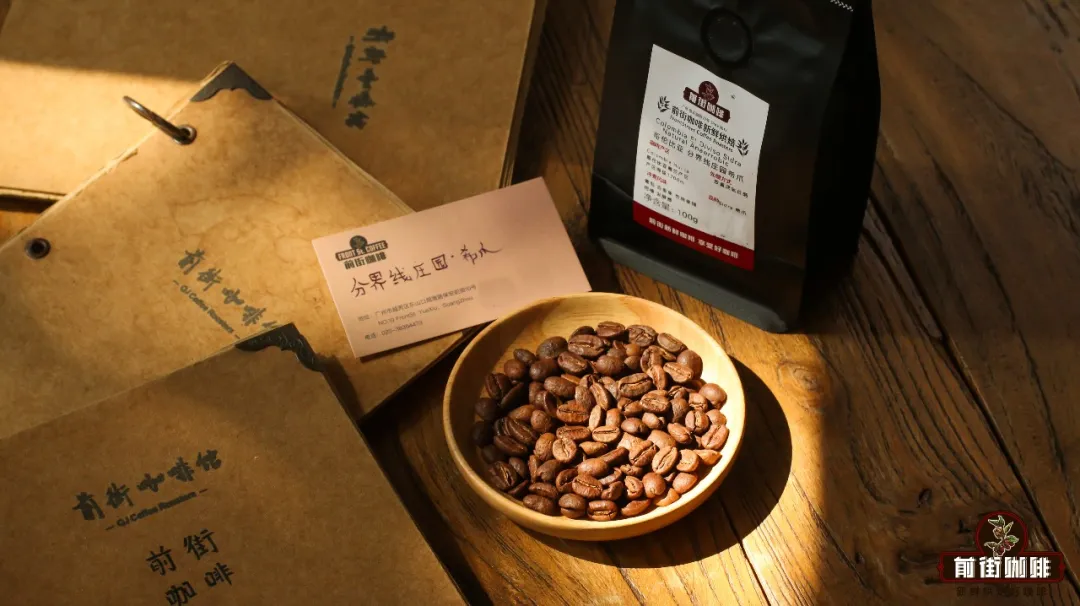
So, if everyone also wants to capture the sweet sensation in coffee, Front Street relatively recommends the following approaches: drink more and compare more. By continuously tasting and comparing beans of various styles, let the brain accumulate more memories about tastes and aromas. Then, combined with exchanges and discussions with professionals, you can quickly find techniques for tasting the sweet sensation and learn to distinguish the differences among different coffee beans. For coffee beans, you can prioritize choosing beans that are themselves higher in sweetness and outstanding in sweet sensation, such as Front Street Ethiopia Hamashu, Diviso Farm Sidra, Jamaica Blue Mountain No. 1, Indonesia Golden Mandheling, etc. from Front Street's bean list mentioned above. Just choose whichever one according to your own preference~
Of course, if you want a simple and crude method... then.... add sugar~~ Still just kidding haha
~
- END -
The above content is compiled by CoffeeHunters, a coffee news website.


