







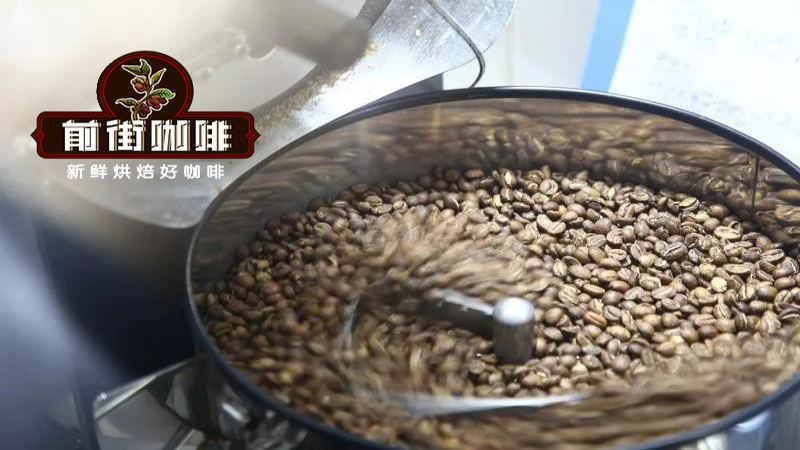
How does the roasting process shape flavor in the cup?
Roast level decides how much acidity survives and how much caramel, smoke and bitterness develops. Darker roasting destroys more acidic compounds, so caramelized and bitter notes take over; lighter roasting preserves bright fruit acidity and floral aromas. Coffee that tastes neither sharply sour nor bitter usually sits in the medium roast range.
The first crack marks the point where beans can no longer hold heat and split audibly. Pulling the batch right at first crack leaves the cup very acidic, while continuing past the crack into a denser series of pops builds sweetness alongside the acidity. Roasters pick a level based on each bean's origin and varietal character, which is why different coffee roaster types treat the same green coffee differently.
The roast level of coffee beans directly influences the flavor profile in the cup. The darker the roast, the more acidic compounds are destroyed, and caramel, smoky, and bitter notes gradually take over; the lighter the roast, the more readily bright fruit acidity and floral aromas are preserved. For coffee lovers who neither like too much acidity nor want to taste bitterness, a medium roast is often the more balanced choice. So what exactly are the flavor characteristics of medium-roast coffee? And how should medium-light roast and medium-dark roast be distinguished? This article will start from the principles of roasting, combined with the first crack milestone, sort out the flavor differences among light, medium, and dark roasts, and provide specific Front Street Coffee bean recommendations to help you find the cup that suits you between acidity and bitterness.
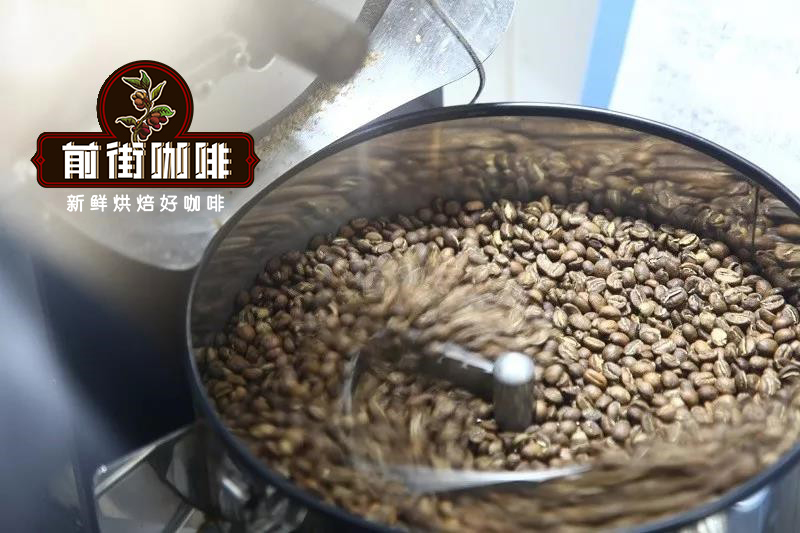
The darker the coffee beans are roasted, the more thoroughly the internal acidic substances are decomposed, followed by an enhancement of caramelized flavors, smoky notes, and bitterness. Roasters will choose different roast levels based on their understanding of each bean's origin and varietal characteristics, allowing the coffee to present its unique flavor state. For example, preserving the bean's bright fruit acidity or floral notes, or highlighting a rich sweetness and charred undertones. However, if you neither want to taste acidity nor endure bitterness, which roast level of coffee beans should you choose?
The common coffee bean roast levels on the market can be broadly divided into three categories: light roast, medium roast, and dark roast. Coffee that tastes neither too acidic nor too bitter basically falls within the medium roast range.
The acidity and bitterness of coffee are ultimately determined by the roasting process. There is a key term in the roasting process called "first crack"—after coffee beans continuously absorb heat and reach a certain critical point, they can no longer accumulate energy and release heat through cracking. Simply put, this is the signal that the coffee beans are already roasted. If you take them out immediately at first crack, the coffee will be very acidic; if you continue roasting after first crack begins and wait until the cracking sounds become密集 before taking them out, the coffee will present a state of sweetness amid acidity, which is what we call a medium roast.
Medium-roast coffee can usually be further subdivided into two types: medium-light roast and medium-dark roast. They can be directly distinguished from the flavor in the cup.
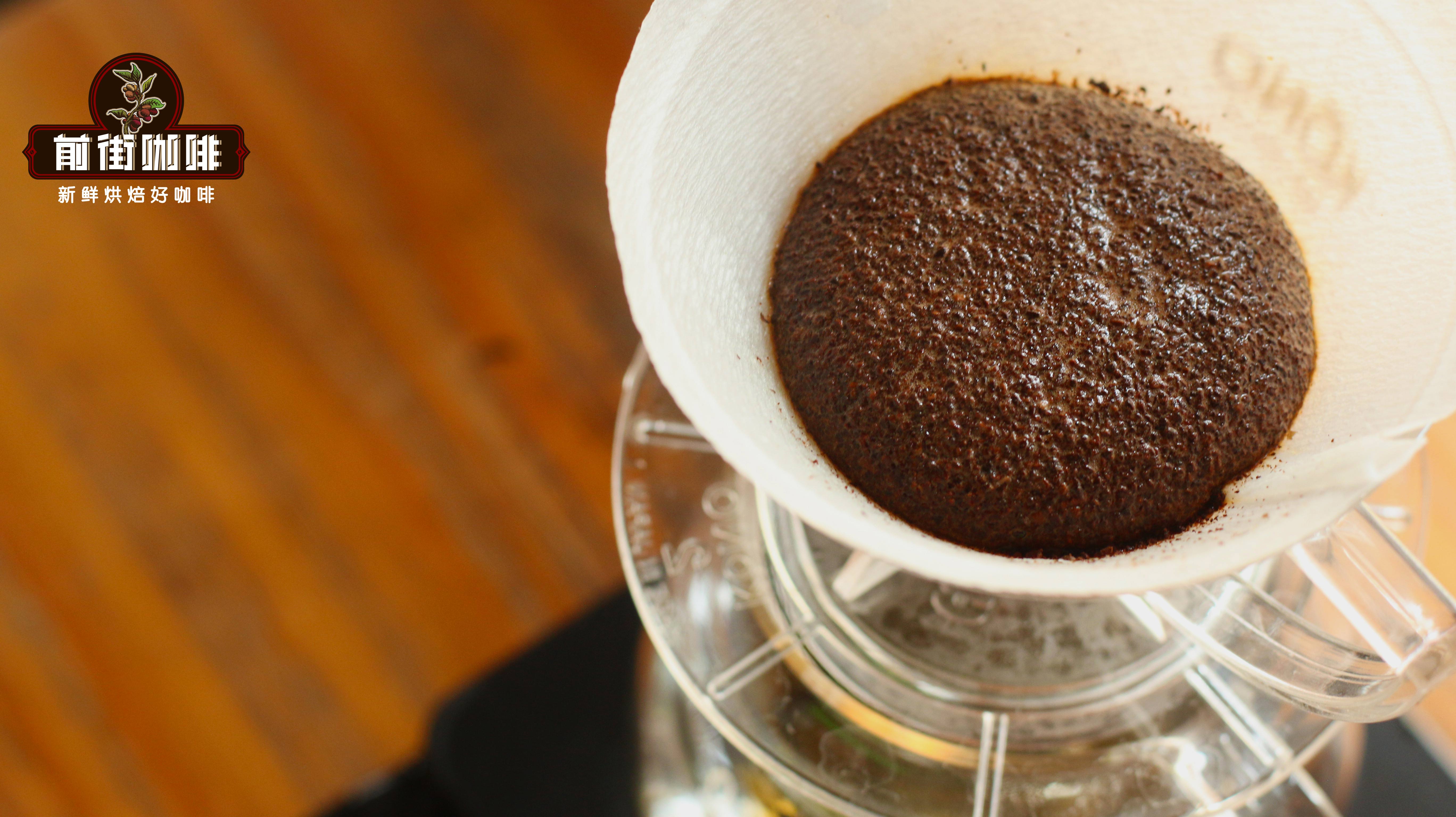
1. If the coffee has flavors such as ripe fruit, raisins, passion fruit, fermented notes, and dark floral aromas, then it belongs to a medium-light roast. Recommended medium-light roast coffees are Front Street Coffee Costa Rica Blackberry, Front Street Coffee Colombia Sidra, and Front Street Coffee Costa Rica Mozart.
2. If it is mainly characterized by nut, chocolate, cream, and caramel flavors, accompanied by slight fruit acidity, then it belongs to a medium-dark roast. Recommended medium-dark roast coffees are Front Street Coffee PWN Golden Mandheling, Front Street Coffee Brazil Queen's Estate, Front Street Coffee Colombia Huila, and Front Street 2013 Yunnan Typica.
The above content is compiled by CoffeeHunters, a coffee news website.


