







Search Results for: Fruit Acidity
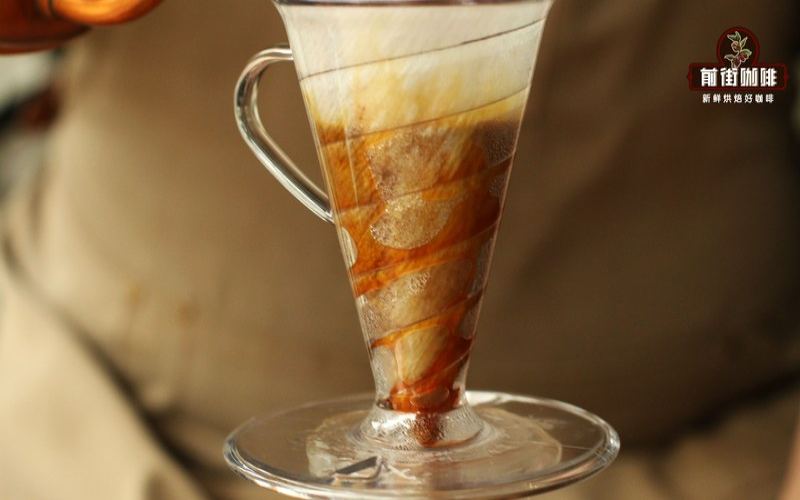
Roasting temperature differences for fruity coffee beans: how to choose by flavor
Fruity coffee beans don't express themselves in just one way. Even with the same fruit associations, a light roast may taste like freshly squeezed juice, with bright acidity and lifted aromatics; a medium roast tames the fruit acidity into a softer sweetness; and a medium-dark roast tucks the fruitiness into notes of caramel, cocoa, and ripe fruit. Choosing by roast level is more [more…]
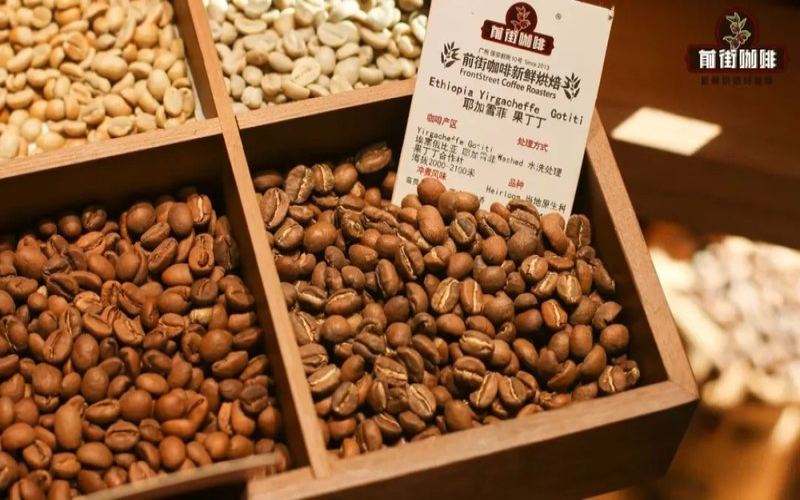
Tropical Fruit Coffee Beans: Roast Level Determines the Direction of Fruit Aromas
If you want to taste tropical fruit notes, the roast level is a very useful screening clue. Light roasts tend to retain more floral aromas, citrus acidity, and juicy character, coming across as bright and light on the palate; as the roast progresses toward the medium range, sweetness, body, and ripe fruit notes become more prominent. When buying, first look at the roast label, then combine it with whether you prefer a refreshing or a full-bodied taste. [more…]
Coffee Taste and Mouthfeel | Are All Black Coffees Bitter? Recommended Beginner-Friendly Pour-Over Single-Origin Beans with Balanced Sweetness and Acidity and Prominent Fruit Notes
Many people think that coffee must be bitter, and that a good black coffee needs milk and sugar added, but coffee actually has many different flavors that make it not only not bitter but also full of various aromas and tastes. Today Front Street Coffee has brought a few coffee beans with balanced acidity and sweetness and outstanding flavors for everyone to choose from.1 [more…]

Berry-scented coffee beans, choose your roast level like this
If you want coffee beans with a pronounced berry flavor, start by looking at the roast level, then compare origin and processing method. Light roasts are more likely to retain bright aromas like strawberry, blueberry, and red berry, with a sweetness reminiscent of fresh fruit flesh; medium roasts rein in the acidity and develop notes of fruit jam, smoked plum, or brown sugar; medium-dark roasts let the berry notes blend with cocoa and cara- [more…]

How to Choose a Medium-Light Roast Yirgacheffe: Floral Notes, Fruit Acidity, and Brewing Tips
A light-to-medium roast Yirgacheffe typically places bright floral aromas, citrus acidity, and a light tea-like body at the center of the cup. It doesn't rely on the heavy bitterness brought by dark roasting to assert its presence; instead, it uses fresh aromas and delicate sweetness to create layers, making it suitable for drinking alone in the morning, for afternoon reading, and for those who want to start developing their palate with black coffee. [more…]
Balanced Sweet and Acidic Beans: A Coffee Experience Like Fruit Juice
A bean with balanced acidity and sweetness tastes like "juice but with coffee flavor": the acidity isn't sharp, the sweetness isn't cloying, and the two interlock just right. Front Street Coffee's Ethiopian Huakui is the model of this balance—the tropical fruit acidity is held up by the passion fruit sweetness, and the first sip is a lively juice-like sensation; Kenya's Little Tomato, meanwhile, is the dark plum acidity plus yellow [more…]

Light Roast Pour-Over Coffee Parameters | How to Brew Yirgacheffe So It's Not Too Sour? Recommended Specialty Pour-Over Single-Origin Beans with Rich Fruit Flavor and Bright Acidity
When it comes to African coffee, many people first think of Ethiopia, the birthplace of coffee. Citrus, citric acidity, jasmine, ripe strawberry, tropical fruit, berries, and honey are all flavor descriptors often used for Ethiopian coffee beans. Among them, Yirgacheffe is the most famous, and Yirgacheffe flavor is precisely [more…]
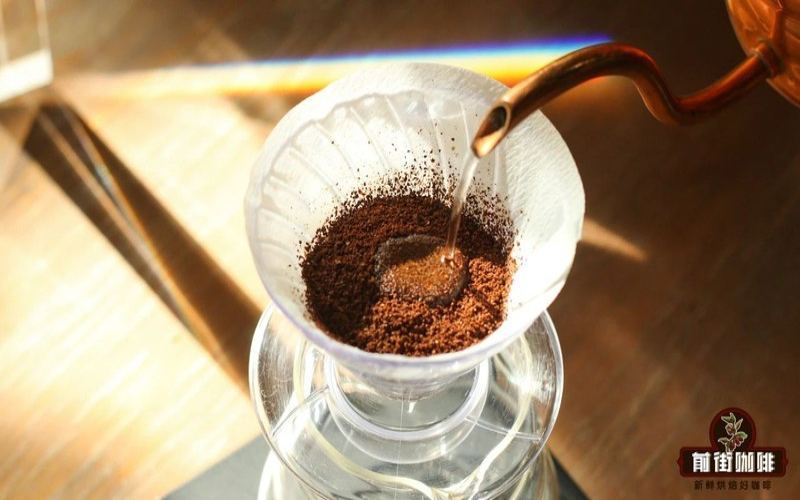
Choosing fruity coffee beans by roast level: how to choose between light, medium, and dark roasts
Fruity coffee beans aren't just about "tasting as sour as fruit"—they can also present floral aromas, a jam-like quality, juice-like body, or a delicate sweetness reminiscent of black tea. The roast level determines where these notes sit in the cup: roast light, and the fruity aromas move to the forefront; roast dark, and the fruity character blends into caramel, cocoa, and roasted notes, while the mouthfeel becomes more [more…]

How to Choose Light-Roast Floral Coffee Beans: From Bright Fruit to Gentle Tea Notes
The charm of light-roast coffee beans often reveals itself the moment you open the package and pour in hot water. Aromas of petals, citrus, berries, or tropical fruit come through vividly, the acidity is bright on the palate, and a light, sweet finish lingers after you swallow. It suits those who enjoy black coffee, pour-over, and iced drinks, and is equally suited to those who treat coffee as a relaxing afternoon beverage, savoring it slowly. [more…]
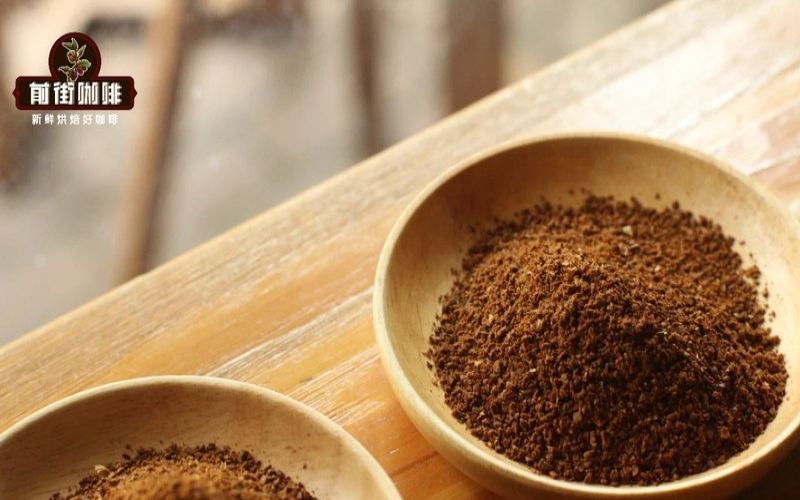
How to Choose Coffee Beans with Tropical Fruit Flavors: From Light Roast to Medium-Dark Roast
Tropical fruit flavors are commonly associated with notes like mango, passion fruit, pineapple, guava, and ripe berries. They smell bright and lively, and on the palate they easily bring out a juicy, sweet-tart quality. However, even when a coffee is described as fruity, different roast levels can make what’s in the cup shift from crisp fresh fruit to soft fruit jam. If you want to taste a particular kind of fruitiness, you can start with [more…]
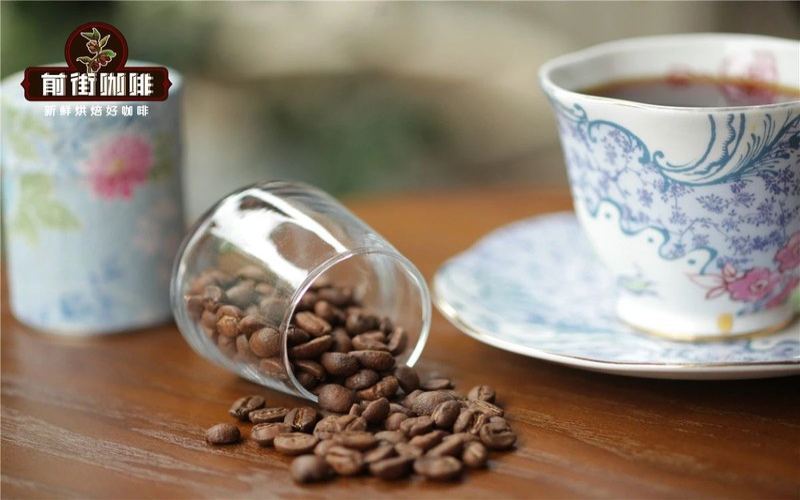
The Roasting Code of Sweet Americano: From Bright Light to Mellow Depth
Even with black coffee, the roast level of the beans pushes sweetness in different directions. A light roast is more like fresh fruit, bright and lively on the palate, suited to those who enjoy a crisp taste; a medium roast brings out syrupy, ripe-fruit and tea notes, rounder overall; a medium-dark roast relies on cocoa, nut and caramel-like aromas to build body. To make a sweet americano, you can [more…]

Exploring Floral and Fruity Regions: The Fruity Code of Ethiopia and Kenya
When exploring the regions that produce floral and fruity coffee, Ethiopia and Kenya are two origins you simply cannot avoid. These two African regions have distinctly different floral and fruity styles, and once you understand their respective fruity codes, you can precisely match your own taste preferences when choosing beans. Ethiopia is the native birthplace of Arabica, and its floral and fruity notes are characterized by tropical [more…]

Origin Flavors of Cold Brew Coffee: Ethiopian Fruit Acidity and Brazilian Nutty Sweetness
The flavor of cold brew coffee depends largely on the regional characteristics of the coffee beans; beans from different regions will present completely different flavor directions during low-temperature slow extraction. The low-temperature immersion method of cold brew gently extracts the sweetness and aromatic substances in the coffee while suppressing bitterness and sharp acidity, which allows the flavor characteristics of each region to be [more…]
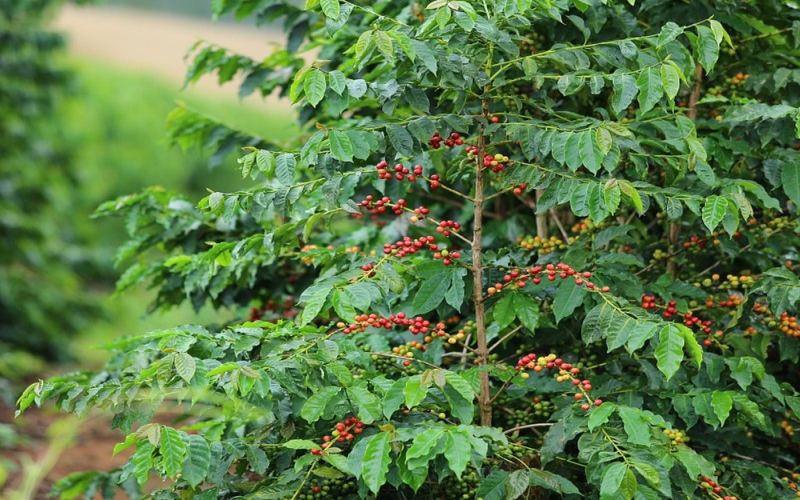
Choosing Americano coffee beans with prominent sweetness by roast level
If you want a noticeably sweet Americano, the roast level of the coffee beans directly shifts the balance in the cup. Light roasts tend to show fruit, florals, and bright acidity, feeling crisp and lively in an iced Americano; medium roasts balance caramel, ripe fruit, and tea-like notes, going down smoothly whether hot or over ice; medium-dark or dark roasts bring cocoa, nuts, and a roasty sweetness. [more…]
Light roast floral beans: roast level determines floral and fruity expression
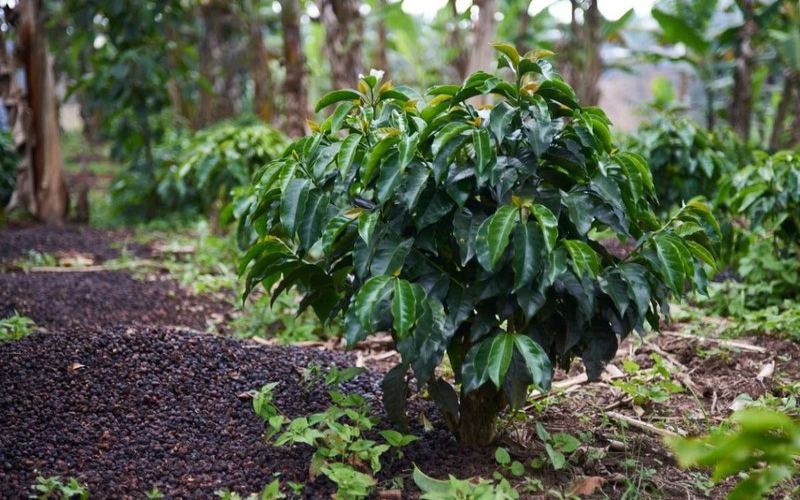
The charm of light-roasted floral coffee beans often begins the moment you open the bag: aromas of petals, citrus, berries, or tropical fruit reach your nose first, while the sip brings bright acidity and sweetness. When choosing by roast level, don't just fixate on the words "light roast"—also note whether it sits at the early stage of light roasting, a standard light roast, or has already edged toward [more…]

Tropical Fruit-Flavored Coffee Beans: The Flavor Rhythm After Opening
Tropical fruit flavors are often the most alluring part of coffee beans: the sweet aroma of ripe fruit, bright acidity, and an aroma that unfolds like fruit juice once it hits the palate. However, these flavors are sensitive to changes over time, so when buying beans you shouldn't just look at the flavor notes—you also need to pay attention to the roast date, the condition of the packaging, and your own daily consumption rate. After roasting [more…]

Floral and fruity pour-over beans: how to choose your roast level
If you want to taste floral aromas and bright fruit flavors in pour-over, roast level is the first thing worth checking. It affects how well the beans retain their aromas, their acidity and sweetness, and their mouthfeel, and it also determines how much extraction force is needed during brewing. If you enjoy a bright, light cup with jumping layers of flavor, look to light roasts; if you prefer a sweet, smooth, well-rounded [more…]
How to Choose a Pour-Over with Floral and Fruity Notes: A Flavor Guide from Light to Medium Roast
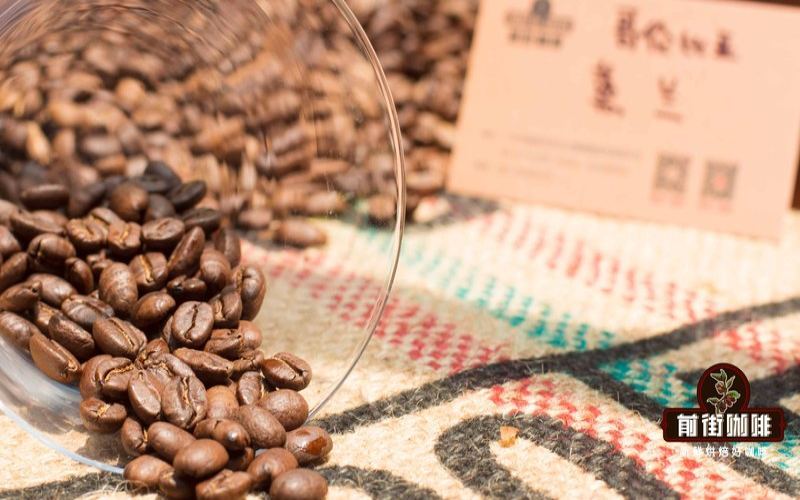
If you want to taste floral, citrus, berry, or tropical fruit notes in your pour-over, roast level is a very useful clue to follow. Light roasts more easily preserve the bright aromas brought by origin and processing method, medium-light roasts add sweetness and roundness, and medium roasts soften the floral and fruity character, making each sip more stable. Based on the acidity you like [more…]
How to Choose Sun-Dried Coffee Beans by Roast Level
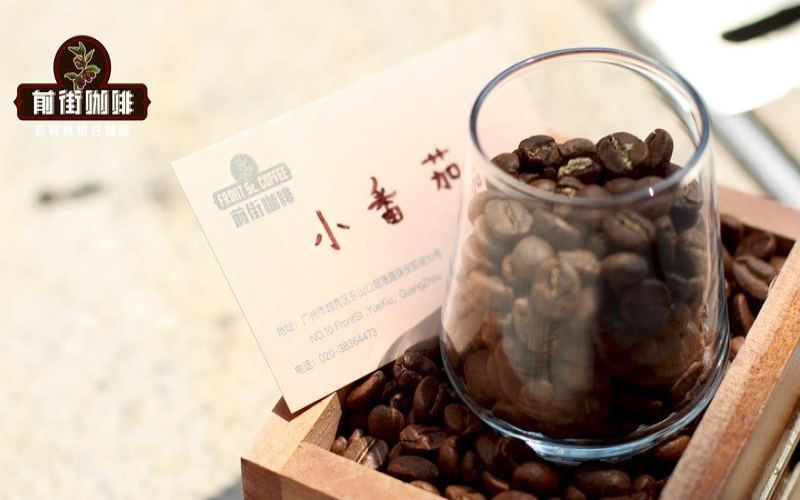
Natural (dry) processing makes coffee beans more likely to showcase ripe fruit, fruit jam, and fermented sweetness, but whether the final cup tastes bright or rich still depends on the roast level. A light roast leans toward floral notes and fruity acidity, making it suitable for pour-over and iced coffee; a medium roast is rounder, with a more balanced sweetness and body; a medium-dark roast has more pronounced caramel, cocoa, and a heavy [more…]
How to Choose Between Sweet and Sour Balance: Looking at Coffee Beans from Light Roast to Dark Roast
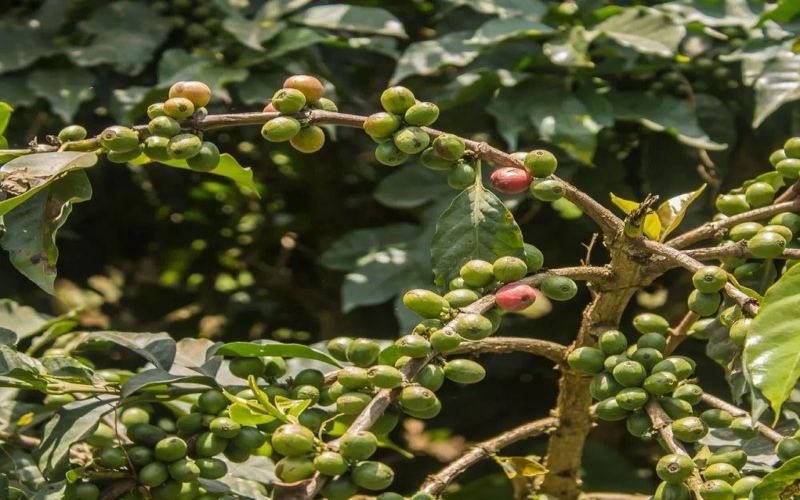
A coffee bean with balanced acidity and sweetness is not simply a matter of adding sourness and sweetness together; rather, it has a bright sensation on entry, followed by a soft sweetness, with a finish that is neither sharp nor astringent, and is not overpowered by bitterness. The roast level changes how this balance is expressed: light roasts lean toward aroma and fruity acidity, medium roasts toward rounded sweetness, while dark roasts use caramel and cocoa [more…]