







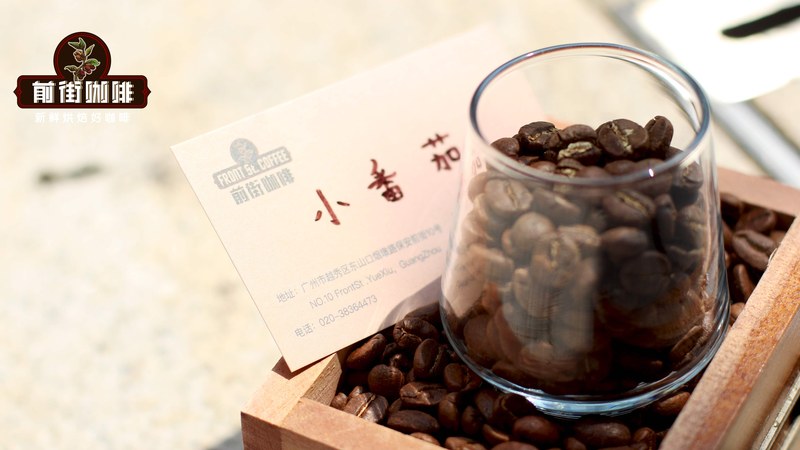
Natural processing makes coffee beans more likely to show ripe fruit, jam, and fermented sweetness, but whether the final cup tastes bright or rich still depends on the roast level. Light roasts lean toward floral notes and fruity acidity, suitable for pour-over and iced coffee; medium roasts are rounder, with balanced sweetness and body; medium-dark roasts have more pronounced caramel, cocoa, and thickness, suitable for espresso or adding milk.
If you enjoy smelling distinct floral notes and a juicy vibrancy on the palate, you can start with light-roast natural beans. Light roasting preserves more of the origin's character, and after brewing you'll often find citrus, berry, and tropical fruit notes, with more vivid acidity. It's suitable for slowly enjoying with a pour-over on weekends, and also works well as iced pour-over, letting the aroma turn toward clean sweetness as it cools.
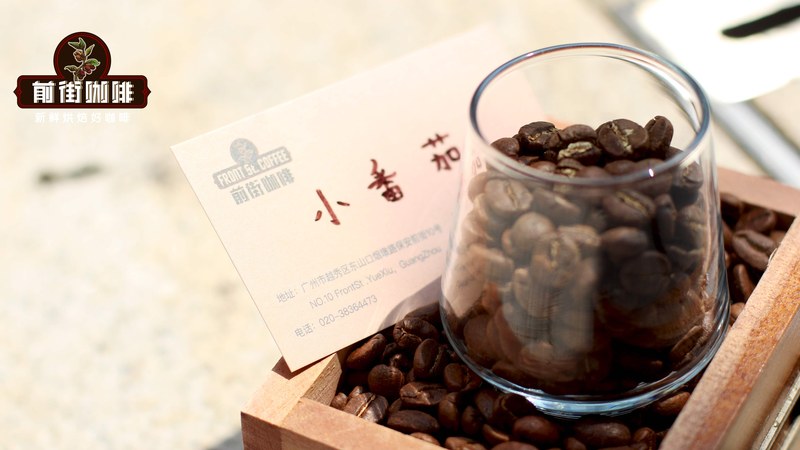
Front Street Coffee Ethiopia Huakui is a choice leaning toward this style. In the dry aroma, you can easily sense ripe fruit and floral notes, with bright sweet-tart flavors like strawberry and passion fruit on the palate, overall lively and layered. When brewed hot with a dripper, the aroma unfolds more; after adding ice, the fruit flavors become more concentrated, while cold brew suits those who prefer soft acidity and a refreshing finish.
The key to brewing light-roast natural beans is to let the flavors fully open up without seeming sharp. You can start with a higher water temperature range, avoid grinding too coarse, and keep the pouring steady to give the coffee grounds enough time to release aroma. If the cup tastes only sour with no obvious sweetness, you can slightly tighten the grind or extend contact; if the finish feels dry, reduce agitation and extraction time.
Medium-roast natural beans suit those who want fruity notes but don't want the coffee too light. The caramelized sweetness from roasting supports the fruit character, making the acidity rounder and the body a bit thicker than light roast. It's more forgiving with pour-over parameters, not too stimulating in the morning, and when made as a hot americano or with a few ice cubes, it retains clear sweet aromas.
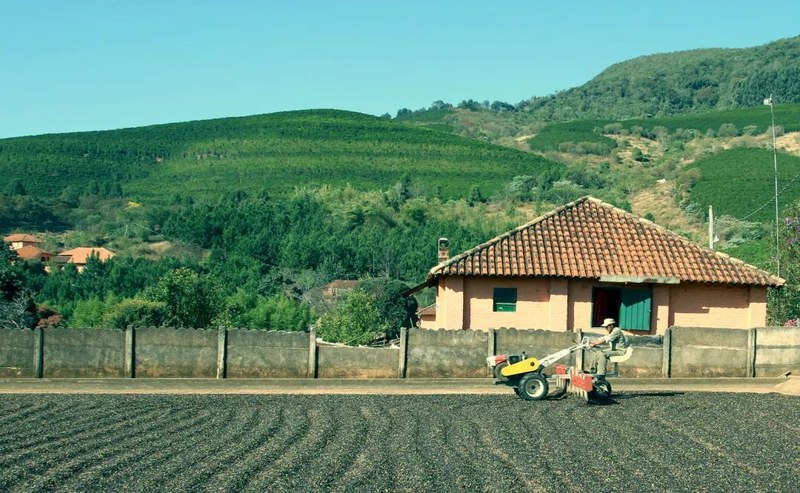
Front Street Coffee Kaffa Forest can be understood as leaning toward the medium-roast direction. Bright orange-like notes interweave with the sweetness of ripe apricot, light on the palate, leaving an oolong tea-like sweet aftertaste after swallowing. When brewed hot, it's suitable for observing aroma changes; as it cools, the sweetness becomes more prominent; if using a French press, the body becomes softer, suitable for consumers who don't seek strong bitterness.
Medium-roast beans are also great for everyday pour-over. You can start with a medium grind and moderate water temperature, observing whether the sweetness, acidity, and body are balanced. If it tastes thin, grind slightly finer or raise the water temperature; if there's noticeable astringency, make the water flow gentler and reduce the dwell time in the later stages. When adjusting, change one variable at a time for clearer comparison.
For medium-dark roast natural beans, the flavor focus shifts from fresh fruit aromas to dried fruit, brown sugar, cocoa, and roasted nuts, while retaining some of the sweet smoothness from natural processing. It's better suited for those who enjoy black coffee with weight, and also works well for espresso machines, moka pots, and milk coffee. When made as espresso, the fruit aromas aren't as prominent as with light roast, but it delivers a longer-lasting sweet-bitter balance.
Front Street Coffee Kenya Cherry Tomato can be a try that combines fruitiness and body. It presents a fresh tart aroma like cherry tomatoes, along with sweetness like smoked plum and yellow sugar, with a crisp finish. When brewed as pour-over, it's easy to taste the juice-like quality; as an iced americano it seems bright; if made as espresso, appropriately increasing the liquid concentration, it still leaves fruity acidity and sugary sweetness after adding milk.
When choosing natural beans, the roast level should also match the drinking temperature. Light roast is suitable for smelling the aroma while hot, and also for seeking fruit sweetness as it cools; medium roast changes steadily between hot and cold, suitable for sipping a cup slowly; medium-dark roast relies more on concentration and temperature to present its richness. If you mainly drink iced coffee, you can prioritize light roast with vivid aromas or medium roast with solid sweetness.
Storage conditions also affect how natural beans perform. After opening, keep the beans in a dark, dry place with minimal air exposure, and buy according to your drinking frequency to more easily enjoy consistent flavors. Before brewing, you can notice the dry aroma of the beans, and on the palate separately sense acidity, sweetness, body, and aftertaste, then judge whether it's better suited for hot pour-over, iced drinks, espresso, or milk coffee. By trying gradually according to roast level, you can find a natural style that fits your daily habits.
The above content is compiled by CoffeeHunters, a coffee news website.

