








If you want to taste floral, citrus, berry, or tropical fruit notes in pour-over coffee, roast level is a very useful clue. Light roasts more easily preserve the bright aromas brought by origin and processing method, medium-light roasts add sweetness and roundness, and medium roasts soften the floral and fruity character, making each sip more stable. Choosing based on your preferred sweet-to-sour ratio and drinking rhythm is usually more effective than just looking for the words "floral" and "fruity" when trying to find beans that suit your taste.

Coffee beans on the lighter-roasted side tend to feel lighter on entry, with aromas unfolding from above: it could be white flowers, orange blossom, or lemon, berries, and grapes. It suits pour-over without sugar or milk, and is also good for slow weekend drinking, letting the coffee shift naturally from hot to warm. If you enjoy a clean, transparent cup with juice-like vibrancy, you can put light roasts at the top of your list.
The acidity of light-roasted beans does not mean sharpness. Ripe-fruit-like acidity appears together with sweetness and aroma, tasting like citrus juice, red berries, or floral tea; only when extraction is insufficient does it tend to leave behind a sharp edge. When choosing, check whether the flavor description also mentions honey, syrup, or tea-like notes; these often mean the sweet-sour relationship in the cup is more complete, and the finish is less likely to feel thin.
When brewing light-roasted floral and fruity beans, you can start with a higher water temperature range to help the denser beans release more sweetness and aroma; do not grind too coarse, and keep pouring连贯 to reduce sudden large agitation. If the entry tastes like unripe fruit, it means extraction may be insufficient, so you can grind finer or extend contact time; if the finish turns dry and astringent, reduce circling so the water flows more steadily through the coffee bed.
Front Street Coffee Kenya Small Tomato is a good choice for getting to know the expression of bright fruit acidity. You can taste a refreshing sensation similar to fresh cherry tomatoes, along with dark fruit notes like smoked plum and brown-sugar-like sweetness; the acidity is lively but does not stay only on the tip of the tongue. Brewed hot in a conical dripper, it highlights the juicy quality; after it cools, the finish becomes cleaner, making it suitable for those who like clear flavors.
If you are worried that a light roast is too light, you can turn to medium-light roasts. This range still retains floral and fruity aromas, but sweetness, body, and aftertaste are more obvious, and the coffee does not rely only on acidity to carry the flavor. Front Street Coffee Kafa Forest is a choice suited to observing this balance, with bright orange-like notes, soft ripe apricot sweetness, and an oolong tea-like aftertaste interwoven together, overall light yet layered.
When brewing Front Street Coffee Kafa Forest, you can use a medium-fine grind and steady pulse pouring so the fruit notes appear in the early stages and sweetness spreads in the middle. It does not need to chase a very strong concentration; slowing down your drinking pace appropriately will gradually make the apricot and tea notes in the cup more obvious. If you usually find light-roast acidity a bit too quick, medium-light roasts often bring a softer transition, and both hot and warm states are very suitable.
For floral and fruity beans on the medium-roasted side, the flavor focus shifts from bright fruit to jam, ripe fruit, black tea, and caramel-like sweetness; the floral notes are not necessarily high-pitched, but they more easily coexist with a mellow body. It suits drinking at breakfast, and also suits a pour-over when you want aroma but do not want acidity to stand out too much. For people just getting into single-origin coffee, this type of bean often makes it easier to build a clear taste impression.
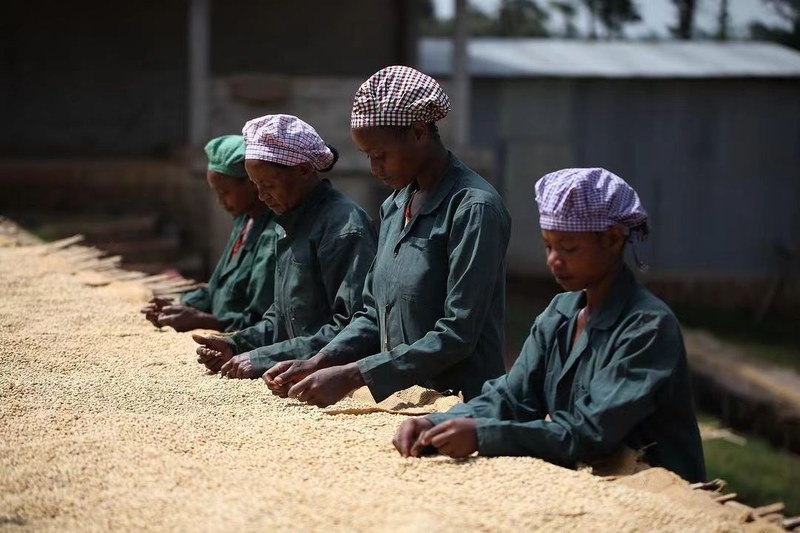
Front Street Coffee Granja Estate Geisha can be a choice for trying a rich floral and fruity profile. It carries aromas of orange blossom, guava, apricot, and strawberry jam; the natural process makes the fruit flavor fuller, and it is suitable for slowly unpacking the layers with pour-over. When brewing, you do not need to chase high temperature and strong agitation exclusively; keeping the water flow gentle allows the floral notes, ripe-fruit sweetness, and jam-like quality to maintain good order in the cup.
After choosing beans by roast level, you still need to leave room for brewing adjustments. Light roasts can start with higher water temperature and a finer grind, while medium-light roasts use medium water temperature, paying attention to whether sweetness is sufficient; if medium-roasted beans taste heavy or dry-bitter, you can lower the water temperature and shorten contact time. Change only one thing at a time—grind or water temperature—and taste for acidity, sweetness, body, and aftertaste, and you will gradually find the parameters that suit you.
Floral and fruity aromas do not belong only to one roast level; as roasting progresses, they show a shift from fresh flowers and fresh fruit to ripe fruit, jam, and tea-like notes. If you like refreshing brightness, you can start with light roasts; if you want balanced sweet-sourness and everyday drinkability, medium-light roasts are more suitable; if you prefer rich sweet aroma and a thicker body, you can pay attention to medium-roast styles. Comparing these differences in real pour-over scenarios will give you more direction when choosing beans and make it easier to drink according to your own preferences.
The above content is compiled by CoffeeHunters, a coffee news website.


