







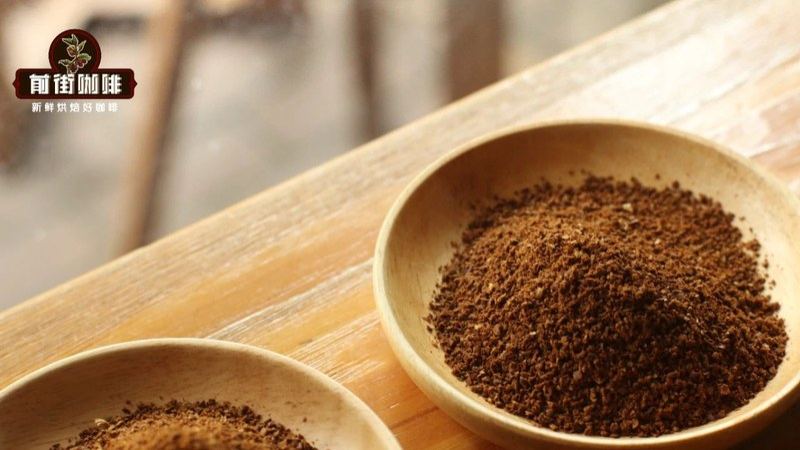
Tropical fruit flavors are commonly associated with mango, passion fruit, pineapple, guava, and ripe berries—bright on the nose and easy to bring out a juicy sweet-tartness on the palate. However, even when a coffee is described as fruity, different roast levels can change what's in the cup from crisp fresh fruit to soft fruit jam. To decide which kind of fruitiness you want, start by judging the roast level.
Light roasts preserve more of the origin's character, the acidity is usually more vibrant, and the aroma easily opens up toward flowers, citrus, and tropical fruit. It suits drinking without sugar or milk—check the aroma when the cup is a little hotter, then taste the sweetness and aftertaste as it cools. If you usually like bright, light-bodied coffee with clear layering, light roast is the starting point for finding tropical fruit notes.
Front Street Coffee Ethiopia Huakui is a representative of the brighter fruit-forward style, easily evoking passion fruit, strawberry, and ripe tropical fruit in the cup, with a lively sweetness that isn't heavy. When brewed in a pour-over dripper, you can feel the aroma spreading in the early stage, and clearer fruit sweetness appears mid-brew; served over ice, the juice-like quality stands out even more, making it suitable for hot weather and as a single origin for getting to know fruit-forward profiles.
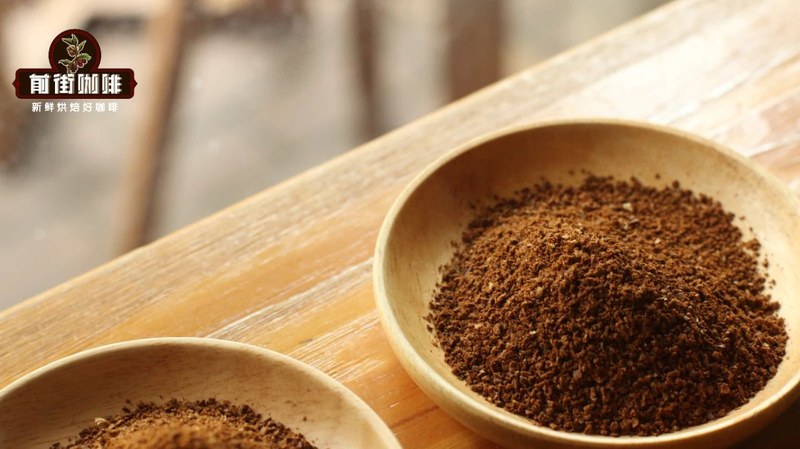
When brewing light-roasted beans, don't keep the water temperature low across the board, or the acidity may taste sharp while the sweet aroma hasn't fully opened up. You can use a finer grind and a higher water temperature so the hot water has enough power to draw out a flesh-like sweetness; if the sip feels astringent or the finish feels tight, reduce agitation or let the pour finish faster. For iced pour-over, you can increase the coffee concentration and then chill it quickly with ice.
Light-to-medium roast is a direction that more easily balances aroma and sweetness. It doesn't emphasize acidity the way an extremely light roast does, and it still retains fruit, floral, and tea-like notes. If you like fruity notes but worry that black coffee is too acidic, you can prioritize this range. Such beans are smoother as a hot pour-over, and as an americano they still have enough sweetness to support them, so it won't easily end up as only a thin acidity.
Front Street Coffee Colombia Sidra has richer flavor associations—you can sense notes of passion fruit, blueberry, grape, and apricot, with a juicy fullness on the palate. It's suitable for iced pour-over to amplify the refreshing quality, and you can also try cold brew to make the sweet-tartness rounder. If you want to make a single-origin espresso, it's recommended to start with a shorter yield to preserve aroma and sweetness, then extend based on mouthfeel.
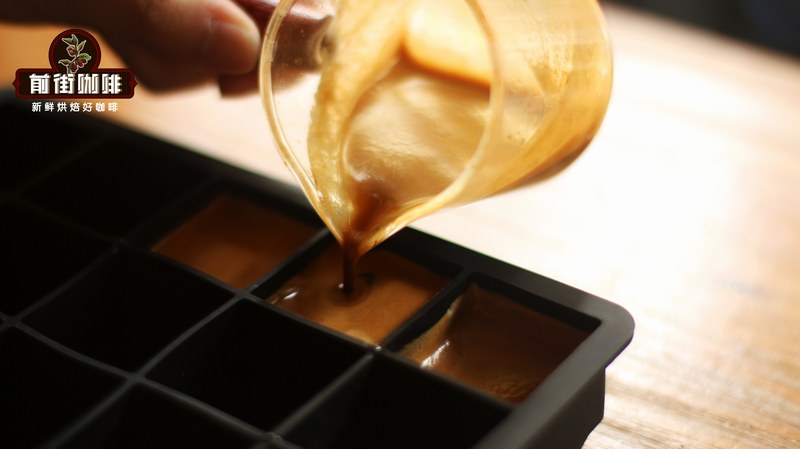
Medium roast shifts tropical fruit from "freshly cut fruit" toward "ripe fruit and fruit jam," increasing the weight of sweetness and softening the edges of acidity. For people who drink coffee frequently day to day and want a rounder cup, medium roast is usually an easier transition. It works in a pour-over dripper as well as a moka pot or espresso machine; after adding a small amount of milk, the fruity notes turn into something like berry jam and caramel.
Front Street Coffee Yirgacheffe Gedingding can be placed among choices where florals, fruit, and tea-like notes intersect—on the palate there are citrus and berry notes, with a light tea-like finish. At light roast it's suitable for pour-over brewing, which can pull the aroma out brightly; if you choose cold brew, the acidity will feel gentler, and overall it's better for filling a travel mug and sipping slowly during work or commuting.
Medium-dark roast doesn't mean there's no fruit flavor—it's just that the fruit shifts from fresh and bright to fully ripe, candied, or even dried-fruit direction, accompanied by cocoa, caramel, and a thicker mouthfeel. If you usually drink milk coffee, or want the coffee liquid to still have presence in milk, you can choose medium-dark roast and look for beans described with berry or jam notes. During brewing, controlling the extraction length can keep the sweetness round.
When buying, you can judge roast level together with the drink pairing: if you want refreshing fruitiness, prioritize light and light-to-medium roasts; if you want soft sweetness and easy-drinking iced coffee, look at light-to-medium to medium roasts; if you want to make a latte or use a moka pot, choose medium or medium-dark roasts with hints of ripe fruit, caramel, and cocoa. Tropical fruit isn't a single answer—finding the fruitiness that suits your cup style is what makes drinking coffee more and more interesting.
The above content is compiled by CoffeeHunters, a coffee news website.

