








For pour-over, if you want floral aromas and bright fruit flavors, roast level is the first thing worth checking. It affects how well the beans retain aroma, their acidity and sweetness, and their mouthfeel, and it also determines how much extraction force you need during brewing. If you like a bright, light, layered cup, look to light roasts; if you prefer a sweet, smooth, more settled style, turn your attention to medium-light or medium roasts.
Light-roasted beans usually retain a more distinct origin character, and florals, citrus, berries, and tropical fruits open up easily in pour-over. The first sip may feel more lively, and the aroma will continue to change as the coffee cools. When choosing this type of bean, pay attention to whether the flavor description includes specific fruits and flowers rather than just the words "fruitiness," as this makes it easier to anticipate the direction of the cup.
Front Street Coffee Kenya Small Tomato fits within the range of light-roast floral and fruity options. It drinks with a bright fruit acidity like ripe tomato, along with the sweet-tartness of smoked plum and a syrupy finish, coming across overall like a clear glass of juice. For pour-over, use a higher water temperature and a slightly finer grind to open up the aroma fully; if the first sip seems sharp, coarsen it slightly and the sweetness will become softer.
If you like light roasts but don't want excessive acidity, take a look at Front Street Coffee Kafa Forest. This bean's orange notes are lighter, ripe apricot brings a soft fruit sweetness, and the finish has a comeback sweetness similar to oolong tea. It's best to take a few sips while warm and again after it cools—the early part is fresher, while the later part has more prominent sweetness, making it suitable for slowly observing how a cup of coffee changes with temperature.
Medium-light roasts are often used to bridge bright aromas and full sweetness. They don't emphasize sharp fruit acidity the way light roasts do, nor do they quickly turn to roasted notes; floral and fruity aromas remain, while honey, jam, or ripe-fruit roundness is added. For those just starting with flavor-focused pour-over, this range makes it easier to taste the aromas and also provides a relatively comfortable mouthfeel.

If you want florals, fruit, and body to appear at the same time, Front Street Coffee Granja Estate Geisha is worth including in the comparison. The natural process gives it intense notes of orange blossom, guava, apricot, and berry jam, with a richer layering on the palate. For pour-over, use staged pouring: first let the aroma unfold, then use a steady stream to round out the sweetness. It's suitable for sipping while searching for different flavors.
In medium roasts, floral and fruity aromas don't disappear entirely—they just become more mature in expression. Fresh fruit may turn into candied fruit, dried fruit, or caramelized fruit, the acidity recedes, and the mouthfeel becomes fuller. If you usually like black coffee but don't want the cup to feel too light, you can start with medium-roast floral and fruity profiles. It is usually more tolerant of water quality and brewing method, making daily drinking feel more relaxed.
When judging roast level, don't rely only on color depth. The roast label, roast date, and flavor notes on the bag need to be considered together; even if two beans are both labeled light roast, differences in density, processing method, and moisture state will make extraction respond differently. Freshly roasted beans usually need a short rest, and once gas release becomes more stable, florals and sweetness are easier to brew out.
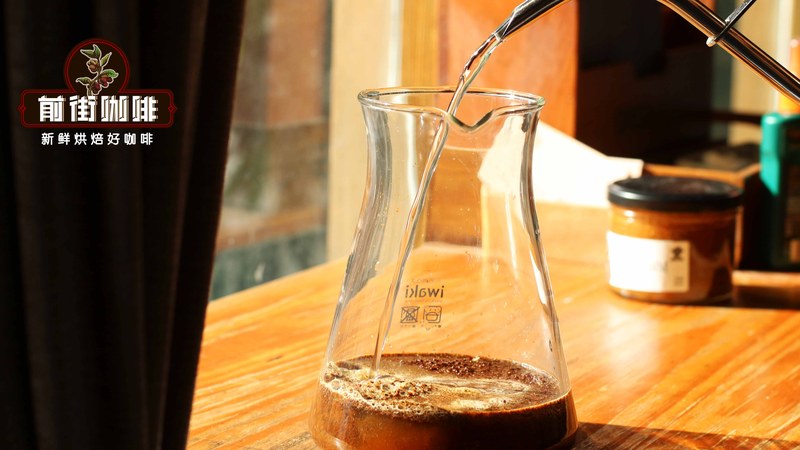
For light-roast floral and fruity beans, you can start with a higher water temperature and slower pouring to give enough time for aroma release; for medium-light roasts, it's better to begin with a gentle, even stream and observe whether the sweetness is sufficient. If the cup tastes thin in acidity with aromas drifting away, you may need to increase extraction; if the finish tastes dry and astringent, reduce agitation, shorten contact time, or make the grind slightly coarser.
When choosing, first decide what kind of floral and fruity experience you want: if you prefer a crisp, juicy feel, look to light roasts and bright acidity; if you want ripe fruit and jam-like sweetness, consider medium-light roasts; if you want aroma to be present but with a fuller mouthfeel, try medium roasts. By comparing roast level with specific flavors and brewing habits, pour-over floral and fruity notes don't have to remain only in your imagination—you can find a direction that truly suits your taste.
The above content is compiled by CoffeeHunters, a coffee news website.


