







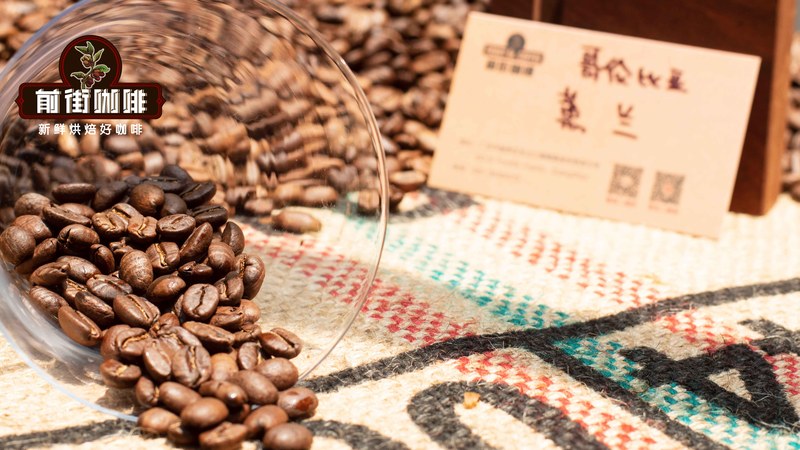
To find coffee beans with a pronounced berry flavor, start by looking at the roast level, then compare origins and processing methods. Light roasts tend to preserve bright aromas like strawberry, blueberry, and red berry, with a sweetness reminiscent of fresh fruit pulp. Medium roasts rein in the acidity, developing notes of fruit jam, smoked plum, or brown sugar. Medium-dark roasts combine berries with cocoa, caramel, and roasted aromas, resulting in a fuller body.
Light roast beans suit those who enjoy a clean, transparent mouthfeel. During brewing, floral and citrus notes often appear first in the cup, followed by the sweet-tartness of berries, and as it cools, you can detect tea-like or fruit-peel-like sweetness in the finish. The flavors shift quickly—it may feel light on entry, yet leave a long-lasting aroma after swallowing, making it ideal for slow enjoyment with pour-over.
Front Street Coffee Yirgacheffe Gedingding serves as a reference for light roast berry flavors. Its aroma carries citrus, small red fruits, and a faint floral note; it drinks like a refreshing fruit tea, with a clean finish similar to green tea. Brewing pour-over with higher water temperature and a finer grind makes the aroma more pronounced; when cold brewed, the acidity becomes rounder and it’s perfect for drinking straight in summer.
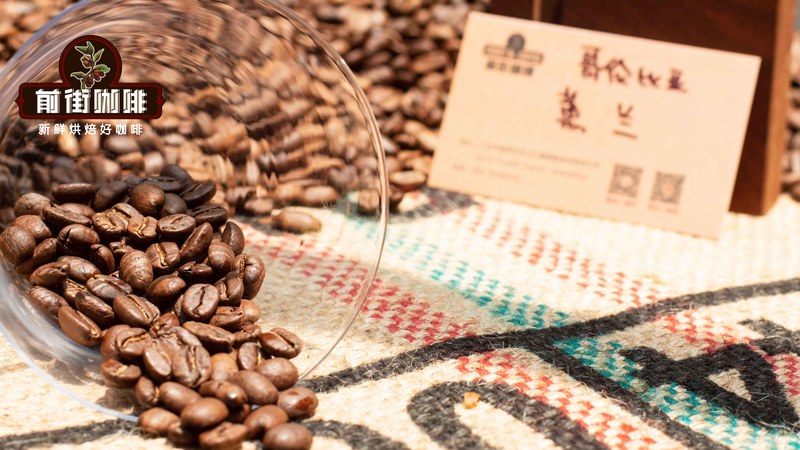
If you want a sweeter, more tropical light roast berry flavor, look to Front Street Coffee Ethiopia Huakui. It doesn’t come across as sharply acidic; it smells of strawberry, passion fruit, and ripe fruit, with a lively entry and notably vivid sweetness. Pour-over unlocks its layers, and adding ice makes it as refreshing as juice, while cold brew suits those who prefer a softer mouthfeel.
Medium roast is the transition between berry flavors and body. As roasting progresses, the fruit acidity no longer dominates the front palate alone but merges with the sweetness of yellow sugar, caramel, or dark fruits. Such beans are more forgiving for everyday brewing, preserving the origin’s character without feeling too thin for those accustomed to low-acid coffee.
Front Street Coffee Kenya Little Tomato has a distinct medium roast berry profile. It’s not the sweet aroma of strawberry candy, but rather the freshness of cherry tomatoes, the sweet-tartness of smoked plum, and a roundness like yellow sugar. After pour-over, the juiciness is clear, and as it cools, the acidity becomes more concentrated. Those who enjoy a bright profile can use a faster pouring rhythm to keep the cup lively.
Medium roast beans are also great for iced pour-over or Americano. Ice suppresses some of the sharpness, making the fruit acidity seem crisper and the sweetness more perceptible. If making an Americano with an espresso machine, you can slightly extend the extraction to blend berry and caramel notes; if adding milk, choose medium roast beans with enough natural sweetness and body so the coffee flavor isn’t masked by the milk.
Medium-dark or dark roast berry beans present themselves more like berry jam, black plum, and cocoa. They may not have the airy fresh-fruit aroma, but they deliver a more pronounced weight and lingering aftertaste, ideal for those who enjoy strong black coffee, moka pot, or milk coffee. As the roasted notes increase, the berries shift from crisp fruit pulp toward cooked jam.
When buying, treat the roast label on the packaging as a flavor coordinate rather than a completely unified standard. Different roasters may have varying definitions of light, medium, and dark, so it’s best to also judge by the flavor description. When you see words like strawberry, raspberry, blueberry, berry jam, or smoked plum, pay attention to the sweetness, acidity, and body to determine whether it leans toward fresh fruit or cooked fruit.
When brewing, light roast berry beans can use higher water temperatures to fully release aromas; medium roast beans can start with medium temperature to balance sweetness and acidity; darker beans benefit from lower temperatures and shorter contact time to prevent roasted notes from overpowering the fruit. Whichever roast level you choose, observe how the coffee changes from hot to cold, because berry notes often become clearer as the temperature drops.
Choosing by roast level is essentially deciding whether the berry flavor should present as fresh fruit, fruit jam, or a rich taste with a cocoa undertone. If you prefer bright aromas, start with light roast; for balanced sweet-tartness, look to medium roast; if you’re used to a full-bodied drink, try medium-dark roast. After comparing a few cups this way, you’ll gradually find the berry expression that suits you best.
The above content is compiled by CoffeeHunters, a coffee news website.

