







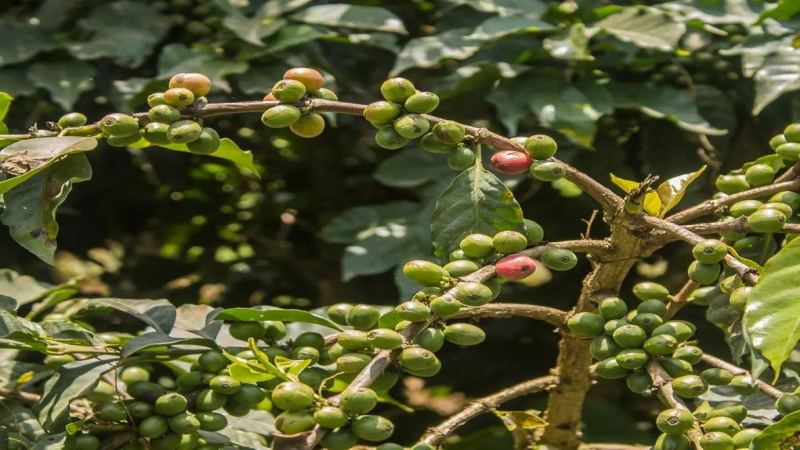
A balanced coffee bean is not simply the sum of acidity and sweetness; it has a bright entry, followed by a soft sweetness, and a finish that is neither sharp nor astringent, nor masked by bitterness. The roast level changes how this balance is expressed: light roasts lean toward aroma and fruit acidity, medium roasts toward rounded sweetness, and dark roasts bring caramel, cocoa, and body to tie the flavors together.
Consumers who enjoy floral, citrus, and fruity notes can start with light-roasted beans. A shorter roast preserves more of the origin and varietal characteristics, often giving a cup with crisp acidity and a light mouthfeel. For brewing, hot water pour-over is suitable, and the water temperature should not be too low, so the aromas can fully open up; if the entry seems sharp, you can grind slightly finer to let the sweetness appear more completely.
Light roast does not equal strong acidity; the key still lies in the bean's ripeness, processing method, and extraction performance. Take Front Street Coffee's Granja Estate Geisha as an example: the ripe-fruit sweetness from natural processing is more prominent, and notes of orange blossom, guava, apricot, and strawberry jam gradually unfold as the temperature changes. Drinking it slowly as a pour-over is a good way to observe its progression from bright fruit acidity to rich sweetness.
If you like juice-like acidity and sweetness but want a more refreshing drink, pay attention to light or light-to-medium roasted fruity beans. Front Street Coffee's Colombia Sidra brings to mind passion fruit, blueberry, grape, and apricot, with lively acidity and a noticeable juicy mouthfeel. Iced pour-over can make the texture crisper, while cold drip is good for preparing ahead; when made as an SOE, its aroma is also relatively easy to perceive.
Light-to-medium roast is the range where balanced acidity and sweetness are more easily accepted. It still retains floral and fruity aromas, but has more caramel and mouthfeel than a light roast; it is clear when hot and does not easily become only acidic after cooling. For those who have just switched from dark-roast black coffee to single-origin beans, this direction can be chosen first, then adjusted toward light or medium roast according to your preference for aroma and strength.
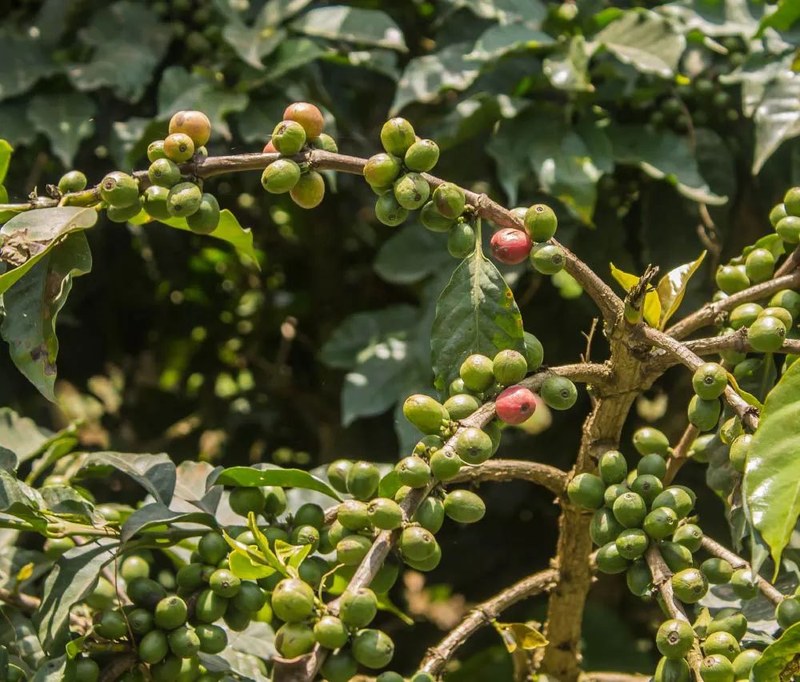
The sweetness of medium-roasted beans is usually more concentrated, and the acidity appears softer after roast transformation, giving a rounder overall mouthfeel. It suits breakfast black coffee and is also good for quick brewing in the office with a dripper. You can start with a medium water temperature, and the extraction time does not need to be too long; when you taste nutty, caramel, cocoa, or ripe fruit notes, it shows that the balance focus of this type of bean has been expressed.
If you prefer a clear tea-like character, floral notes, and a delicate finish, you can try high-quality beans from light-medium to medium roast. Front Street Coffee's Panama Hacienda La Esmeralda Red Label Geisha has aromas of jasmine, bergamot, citrus, and black tea; the acidity is not heavy, and the mouthfeel is clean and soft. It is recommended to use a smaller dose and pour in stages, first drinking the floral notes when hot, then feeling the citrus sweetness after it cools.
Medium-dark roast does not lack balanced acidity and sweetness; it is just that the expression shifts from fruity acidity to roasted sweetness. As acidity decreases, caramel, dark chocolate, nuts, and ripe fruit more easily become the main axis, and the mouthfeel becomes thicker. This type of bean suits espresso, americano, and milk coffee, especially for those who want coffee with presence but do not want it too stimulating on the entry.
When choosing medium-dark roast, pay attention to whether the description still mentions caramel, cocoa, and soft dried-fruit notes, rather than only looking at "intense" or "full-bodied." When making espresso, a higher concentration amplifies sweetness and also amplifies dry bitterness, so the yield should not be dragged out too long. After adding milk, the coffee's chocolate and nutty notes usually become more obvious; with less milk, more of the acidity-sweetness layers are retained.
Dark-roasted beans have lower acidity and suit those who like a thick, steady flavor. Their balance depends on the bitter-sweet relationship: caramelized sweetness supports cocoa and roasted aromas, the entry is smooth, and the finish is clean so it does not seem heavy. With a moka pot or espresso machine, you can start with a shorter extraction; if the black coffee is too bitter and heavy, lower the water temperature or reduce contact time to make the taste lighter.
When choosing coffee beans with balanced acidity and sweetness, you can first determine the roast direction based on the range of acidity you can accept, then consider whether you usually brew pour-over, iced drinks, or milk coffee. Light roast is suitable for seeking floral and fruity notes, medium roast for daily drinking and rounded sweetness, and medium-dark and dark roast for strength and body. Once you find your preferred range, taste it repeatedly for a period of time, and your palate will gradually build its own standard for balance.
The above content is compiled by CoffeeHunters, a coffee news website.

