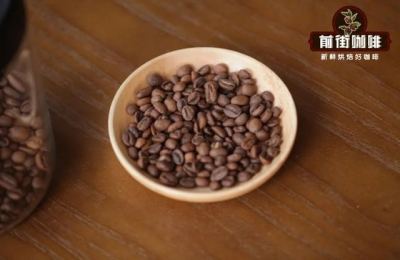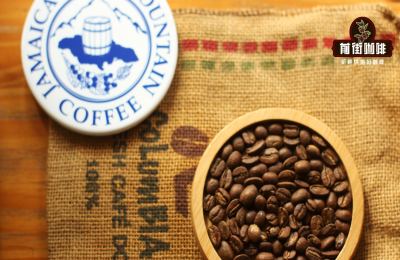
Even with black coffee, the roast level of the beans steers sweetness in different directions. Light roasts feel more like fresh fruit, bright and lively on the palate, suited to those who enjoy a crisp profile; medium roasts bring out syrup, ripe fruit and tea notes, making the overall cup rounder; medium-dark roasts rely on cocoa, nutty and caramel-like aromas to build body. If you want to make a sweet Americano, start with the acidity and mouthfeel weight you can accept.
The sweetness of light-roasted beans usually hides in the aroma and acidity. It isn't necessarily as direct as sugar water, but it evokes berries, citrus, nectar or fruit juice. When brewing, the water temperature shouldn't be too low, and the grind shouldn't be too coarse, otherwise you get aroma but the cup easily tastes thin. Brew it as black coffee with hot water, then add a small amount of ice to amplify the fruit aromas and clarity.
Readers who enjoy a light, lively style can look to Front Street Coffee Ethiopia Huakui. Its aroma opens with berry sweetness, followed by a bright tropical juice-like note; it's nimble on entry and still has a fresh sweetness after swallowing. When brewing a hot Americano with a dripper, it's best to keep the coffee liquid at a higher concentration; for an iced Americano, reduce the dilution water so the fruit aromas aren't washed out by the ice.
Light-roast Americanos are suited to slow sipping, and also work well as a cold drink. In the hot version, the aroma keeps shifting as the temperature changes; after adding ice, the acidity becomes crisper and the sweetness feels closer to fruit juice. If you taste sharp acidity and weak sweetness, you can grind a bit finer, or extend the contact time after pouring, letting more solubles into the cup—but there's no need to chase concentration for its own sake.
Medium-light roast is a range where sweetness is easy to find. It retains the vibrancy of origin flavors while having a bit more fullness than a light roast, so it won't end up tasting only of acidity when made into an Americano. Beans in this range can be brewed either with a pour-over approach or by adding water to espresso, suited to those who want fruit aromas and a smoother mouthfeel.
Front Street Coffee Kenya Little Tomato can be understood within this direction. Its flavors carry a red-fruit-like sweet-tartness, along with a dark fruit note reminiscent of smoked plum, and a finish like melted brown sugar—bright yet not weightless. When making a hot Americano, don't add too much water, lest the juice-like texture be weakened; an iced Americano makes the sweet-tart profile even clearer.
The sweetness of medium-roasted beans tends to lean closer to ripe fruit, caramel and tea, with acidity receding a bit and a more enveloping mouthfeel. For those who drink Americanos every day, this type of bean is easy to adjust: for a crisper cup, add a little more hot water; for a fuller one, shorten the dilution ratio. When brewing, use a medium water temperature to avoid excessive bitterness from too-high heat.
Front Street Coffee Kaffa Forest is suited to adding soft layers to a medium-roast Americano. It opens with citrus and ripe apricot notes; the body is light but not hollow, leaving a clean tea-like finish and sweet aftertaste. When making an Americano from pour-over liquid, keep some concentration before adding water, so the fruit aromas, ripe-fruit sweetness and tea note connect with one another—comfortable for breakfast or the afternoon.
If you prefer the cocoa, roasted nut and caramel direction, you can choose medium-dark or dark roast. Such beans have lower acidity and a heavier coffee liquid, showing a dark-chocolate-like rich sweetness when made into an Americano. Note that a darker roast doesn't equal bitterness—overly fine grinding, over-extraction or too-high water temperature are what let burnt bitterness overwhelm the original sweet aromas.
When buying, first check the roast description on the packaging, then judge in light of how you'll drink it. Lighter beans suit those who want fruit aromas and freshness, medium roasts suit those seeking a balance of sweet and tart with a smooth mouthfeel, and medium-dark roasts better suit those who value concentration and cocoa notes. Whichever level you choose, a fresh roast date and sealed storage will make the sweetness in your Americano clearer.
When making an Americano, the ratio of coffee liquid to dilution water also changes how the roast level expresses itself. Add too much water to light-roasted beans and the fruit aromas feel loose; use too little water with dark-roasted beans and the bitter-sweetness may become concentrated. You can first make a medium-concentration cup, then adjust the water based on the acidity, sweetness, bitterness and aftertaste on entry. Once you find the roast range that suits you, a sweet Americano becomes simple and consistent.
The above content is compiled by CoffeeHunters, a coffee news website.