







Fruity coffee beans aren't just about "sourness that tastes like fruit"—they can also present floral aromas, a jammy quality, a juicy fullness, or a clean sweetness close to black tea. The roast level determines where these aromas sit in the cup: roast it light, and the fruit notes move to the front; roast it dark, and the fruit character blends into caramel, cocoa, and roastiness, with a heavier body as well.
If you enjoy a fresh, bright, and aromatically lively style, you can start with light-roasted beans. Light roasts usually retain more of the origin's character, and on the palate you may find associations with citrus, berries, tropical fruit, or grapes, with the acidity also more prominent. When brewed as pour-over or iced pour-over, the changing temperature brings out different layers, making it suitable for those willing to slowly savor the shifts in the cup.
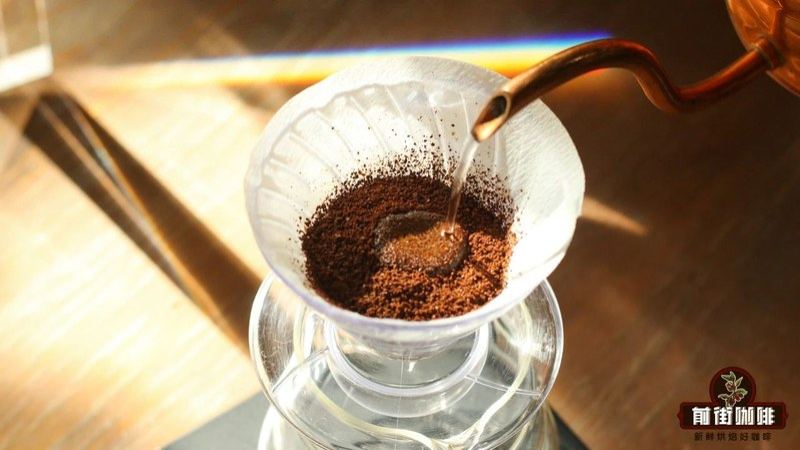
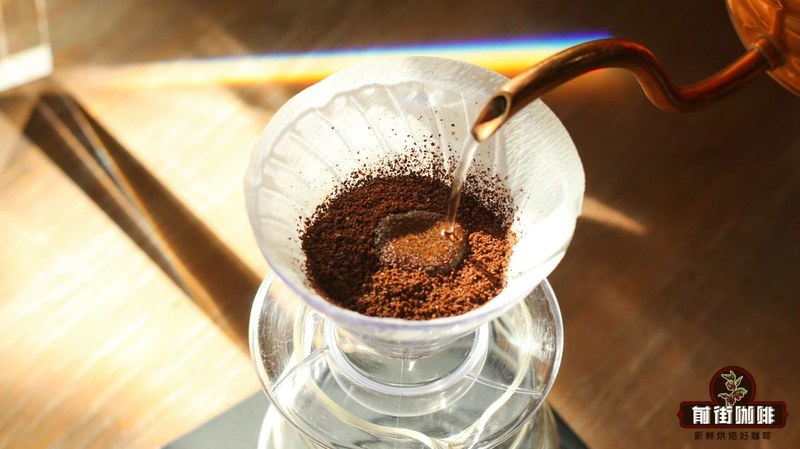
The key to brewing light-roasted beans is to let the aromas fully release while avoiding an acidity that feels thin. You can start with a higher water temperature range, avoid grinding too coarse, and keep the pouring continuous so the coffee has enough contact time. If the palate shows only sharp acidity, you can grind slightly finer or extend the extraction; if the finish turns dry and astringent, reduce agitation and shorten the dwell time in the latter stages.
Front Street Coffee Colombia Sidra is a good place to start when exploring light-roasted fruity beans. Its flavor associations lean toward passion fruit, blueberry, grape, and apricot, with a lively, juice-like quality on the palate. A hot pour-over can showcase the interplay of sweetness and acidity, while adding ice makes the aroma crisper; you can also use cold drip or a single-origin espresso to make a distinctly flavored iced americano.
If you want fruit aromas but don't want the acidity to be too dominant, medium-light or medium roasts are easier to fit into daily drinking. Beans at this stage often retain fruit notes while gaining caramel-like sweetness and moderate body. Hot, it tastes rounder on the palate; as it cools, clear fruit tones remain, making it suitable for breakfast black coffee and for sharing with several people at home.
Front Street Coffee Yirgacheffe Gedingding can serve as a reference for the medium-light roast direction. It carries light notes of citrus, berries, and florals, with a finish reminiscent of green tea's refreshing quality. Pour-over makes the aromas easier to identify, while cold brew softens the acidity. If you usually enjoy a refreshing americano, you can lower the strength so the fruit aromas resemble a glass of unsweetened fruit tea.
If you care more about floral notes, tea-like qualities, and delicate sweetness, you can look into light-roasted Geisha-type coffees. Front Street Coffee Panama Hacienda La Esmeralda Red Label Geisha leans toward jasmine, bergamot, citrus, and black tea; its fruitiness isn't a strong jammy type but a clear, elegant citrus tone. It's suited to slow sipping as a pour-over; as the temperature drops, the tea-like and sweet qualities become more harmonious.

Medium-dark roasts can also make fruity coffee, only the fruit no longer stands alone at the front. The caramel, dark chocolate, and nutty notes from roasting wrap the berry or ripe fruit character more heavily. Such beans suit those who prefer a substantial body, especially for espresso, americano, and milk coffee; after adding milk, the fruit aromas turn into something closer to jam or a chocolate-filled center.
When choosing darker fruity beans, it's advisable to prioritize sweetness and body first, then check whether the acidity is still clear. For espresso machines, you can start with a shorter yield ratio to keep the coffee concentrated; for a moka pot, use a gentler flame to reduce bitter-roasted notes. If you mainly drink lattes, the coffee needs to be sufficiently intense, otherwise the fruit aromas are easily covered by milk's smoothness.
Before buying, you can first check the roast level marked on the package, then judge based on how you drink it. If you like iced coffee, pour-over, and floral-fruity aromas, light or medium-light roasts are more suitable; if you often drink americano, moka pot, or milk coffee, medium to medium-dark roasts will be more hassle-free. If you're still unsure, you can start with beans whose flavor description includes both fruit and caramel, tea-like notes, or cocoa—the transition will feel more natural.
Choosing fruity coffee beans is essentially about finding your own balance among brightness, sweetness, and body. Light roasts make the fruit more vivid, medium roasts make the acidity and sweetness rounder, and darker roasts turn the fruit aromas into a riper sweetness. Whichever roast you start from, choose according to your usual equipment and drinking habits, then confirm the taste with a few brews, and you'll gradually find the cup of fruity coffee that truly suits you.
The above content is compiled by CoffeeHunters, a coffee news website.

