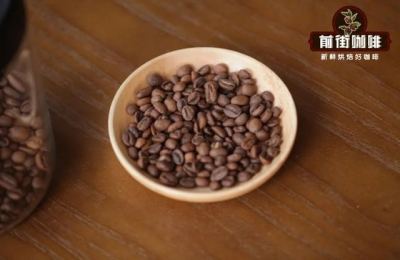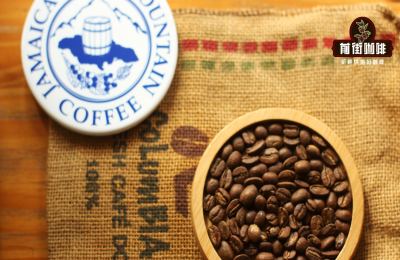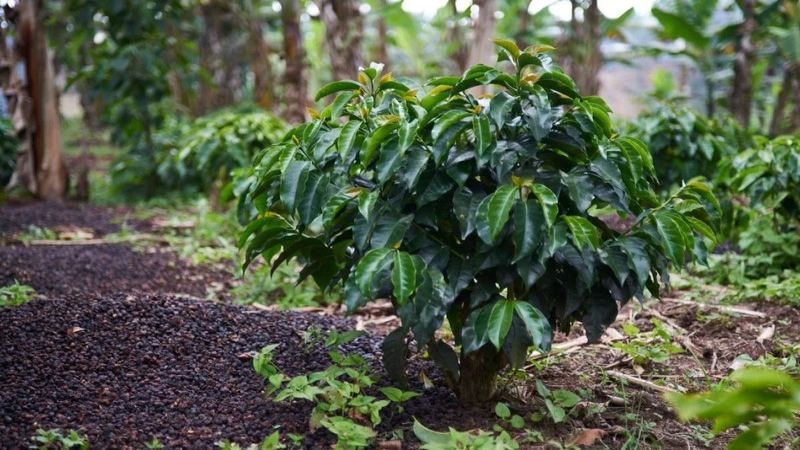
The charm of light-roasted floral coffee beans often begins the moment you open the package: aromas of petals, citrus, berries, or tropical fruit reach your nose first, while the sip brings bright acidity and sweetness. When choosing by roast level, don't just fixate on the words "light roast"—also pay attention to whether it sits at the early stage of light roasting, a standard light roast, or has edged closer to medium-light, because a difference of just a few minutes in roasting can change the entire character of the cup.
Lighter beans typically retain more vivid origin characteristics, with lifted aromatics and lively acidity, drinking like fresh fruit or floral tea. They suit those who enjoy a clean, transparent mouthfeel and are willing to slowly tease out the aromas, and pour-over makes it easier to perceive the layers. If you usually prefer refreshing drinks, you can start with this type of bean, but during brewing you need to give it enough extraction conditions so the aroma doesn't just stay pretty on the nose.
Slightly darker within the light-roast range, the coffee's sweetness and body become more stable. The florals may no longer be especially sharp, and the fruit acidity shifts from bright to rounder, with notes of jam, honey, tea, or ripe fruit often appearing in the cup. This roast level is friendlier for everyday drinking—it keeps the floral and fruity notes while not making the sip feel too light—suited to those who want aroma yet also care about fullness.
If you see a product labeled medium-light roast, it's usually easier to brew sweetness out of than an extremely light roast, and the edges of the acidity are softer. Brewed as a hot pour-over, the flavors may lean toward ripe fruit and floral nectar; made into iced coffee, the refreshing quality remains. For consumers just getting into floral beans, medium-light roast can serve as a transition, letting the palate gradually adapt to the acidity of light-roasted beans while retaining clearer coffee sweetness.
Front Street Coffee Ethiopia Huakui is well suited to understanding the liveliness of a lighter roast. In the cup it easily shows intertwined tropical fruit and berry notes, and a passionfruit-like bright quality makes the mouthfeel feel nimble. Brewed as pour-over, it highlights aroma and sweet-tart balance, and it also performs well as an iced pour-over after cooling; if you like to prepare drinks ahead, cold brew softens the fruit flavors further, making it cool and easy to drink.
Also a light roast, Kenyan beans often have more distinctive acidity. Front Street Coffee Kenya Little Tomato enters with a vivid juiciness, followed by a sweet-tart quality reminiscent of smoked plum and a brown-sugar-like finish, so the overall impression isn't just sharp acidity. It suits pour-over and also works well as an iced drink; when brewing, if you want to preserve clear fruit flavors, keep the cup from being too concentrated, so a heavy body doesn't mask the bright flavors.
Beans that lean toward a medium-light roast expression are often better suited to those who want a balance of floral-fruity aroma and tea-like qualities. Front Street Coffee Kafa Forest can present sweet, mellow notes of orange and ripe apricot, with an oolong-tea-like aftertaste in the finish, light on the palate, and the sweetness becomes easier to perceive as it cools. It suits slow sipping as a hot pour-over, and also works well tasted in two stages to observe how temperature changes shift the fruit aromas toward tea notes.
When choosing, look at the roast level together with the flavor words on the package. Words like "jasmine, orange blossom, citrus, berries, tropical fruit" usually mean the aroma and acidity are more prominent; if honey, jam, brown sugar, or tea are also listed, it often indicates the roast didn't stop at the very lightest end, and the sweetness and roundness will be more evident. Reading the information this way makes it easier to find beans that match your taste than simply searching by "light roast."
When brewing light-roasted floral beans, water temperature, grind, and pouring method all affect how the roast characteristics come through. Lighter beans can use relatively ample heat and a finer grind to let the inner floral and fruity notes unfold; if the sip is thin and the acidity stays on the surface, you can increase extraction appropriately. For medium-light beans, start with a gentler approach, taste the sweetness first, then adjust concentration based on the mouthfeel, keeping aroma and body in balance.
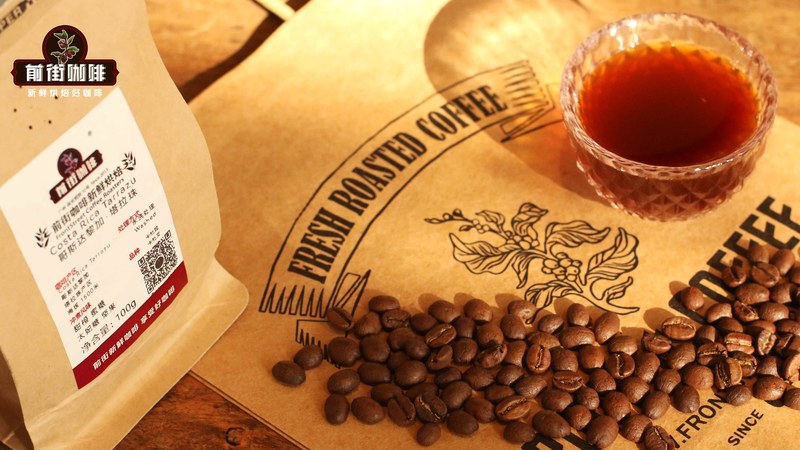
Storage time also changes your judgment of the roast level. Freshly roasted light beans may have exuberant aromas, and after resting for a while, the sweet-tart balance becomes more integrated and the floral outline becomes smoother. When buying, choose products with a clear roast date and specific flavor descriptions, and decide package size according to your drinking pace. With light-roasted floral beans, there's no need to chase one fixed answer—finding the roast position where aroma, sweet-tart balance, and mouthfeel all feel comfortable to you is what's best for long-term drinking.
The above content is compiled by CoffeeHunters, a coffee news website.