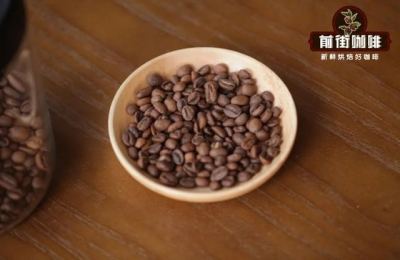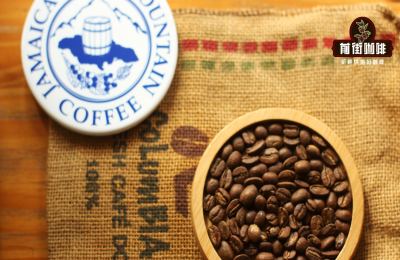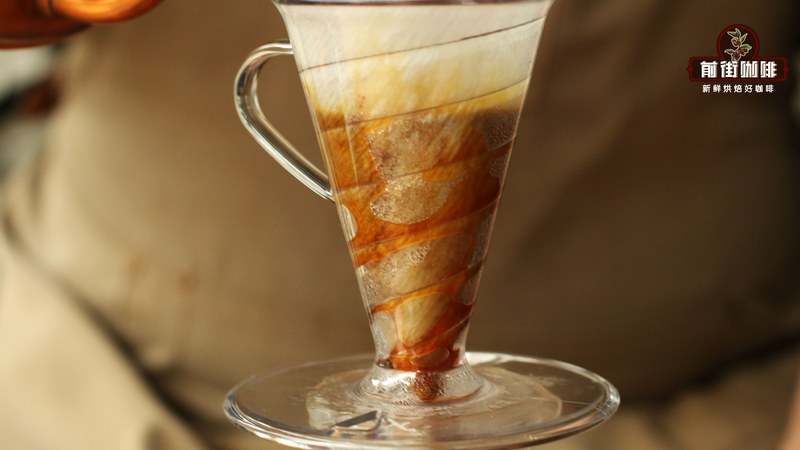
Fruity coffee beans don't express themselves in just one way. Even with the same fruit associations, a light roast might resemble freshly squeezed juice, with bright acidity and lifted aromatics; a medium roast tames the fruit acidity into a softer sweetness; and a medium-dark roast lets the fruit notes hide within caramel, cocoa, and ripe fruit tones. Choosing by roast level makes it easier to find beans that suit your taste than fixating on the word "fruity" alone.
If you enjoy a crisp, lively cup with expressive aromatics, you can prioritize light-roasted beans. These beans typically retain more characteristics of their origin and variety, with a more vibrant acidity on entry and berry, citrus, or tropical fruit notes that often emerge as the coffee cools. They suit pour-over and iced drinks alike, and are ideal for those willing to slowly discern the shifts in flavor.
Light roast doesn't necessarily mean sharp acidity or a thin body—brewing method influences its final balance. Lower water temperatures and coarser grinds may leave the fruit aroma stuck in the nose while the sip feels sharp and short; increasing extraction efficiency appropriately can help the acidity and sweetness transition more smoothly. If you usually drink iced pour-over or cold brew, the bright aromatics of light-roasted beans tend to be amplified even more.
Front Street Coffee Colombia Sidra is a choice with vivid fruit expression, offering a lively tropical fruit presence in the cup, with blueberry, grape, and apricot appearing in turn—altogether like a cold drink with a pulpy texture. For light-roast pour-over, a clearer stream of water helps present the aromatics, while iced pour-over or cold brew makes the juice-like mouthfeel even more prominent.
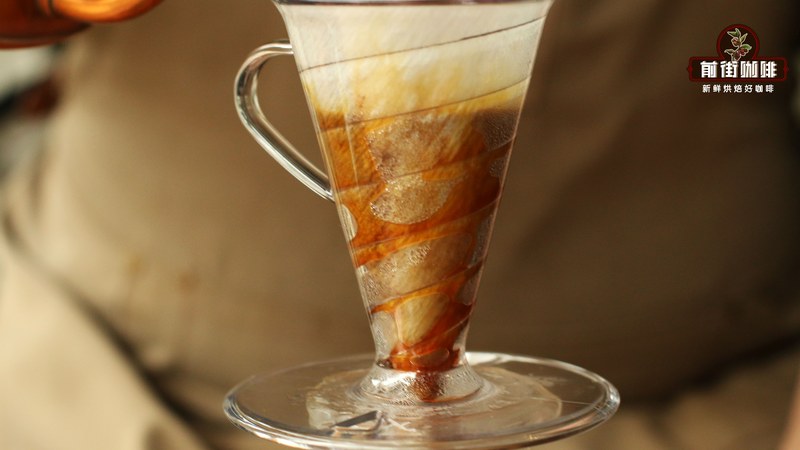
If you want fruit aromatics but aren't used to pronounced acidity, you can turn to medium roast. As the roast progresses, the raw freshness of the fruit diminishes, and sweetness and roundness come forward more easily—common expressions include cooked berries, honey, citrus marmalade, or a black-tea-like finish. Medium-roasted beans adapt well to pour-over, cold brew, and Americano, making them feel more relaxed for everyday drinking.
Front Street Coffee Yirgacheffe Gedingding can serve as a reference for the medium-light to light roast direction. It carries citrus and berry notes, with florals that aren't overpowering, and leaves a green-tea-like sweetness in the finish. When brewed as pour-over, the hot cup highlights a clear aromatic profile; cold brew smooths out the acidity, making it suitable for those who want to try fruity flavors but prefer a smooth texture.
Medium roast isn't merely a compromise between light and dark—it rearranges the coffee's center of gravity. The fruit aromatics may no longer burst out on the first sip, but they combine with caramel-like sweetness, gentle acidity, and a fuller body. When making an SOE on an espresso machine, medium-roast fruity beans can retain their origin character; with a small amount of milk added, the cooked fruit and syrupy notes continue to linger in the cup.
For those who prefer a rich mouthfeel, pay attention to fruity beans in the medium-dark roast range. Their fruit aromatics typically shift toward raisins, berry jam, cooked plums, or the fruity sweetness nestled within dark chocolate, with reduced acidity and a thicker finish. They suit espresso, Americano, and can also hold their own in milk-based drinks. If used for espresso extraction, keep the shot at a certain concentration, then adjust the ratio of fruit sweetness to richness based on the milk proportion.
Front Street Coffee Panama Hacienda La Esmeralda Red Label Geisha is better suited to those who appreciate delicate aromatics and a clean mouthfeel. Its jasmine, bergamot, citrus, and black tea notes flow into one another—though not a heavy-style fruitiness, it lets you sense the florals and tea-like quality behind the fruit aromatics. Enjoyed slowly as a light-roast pour-over, the changing temperature brings out different layers of aroma.
When buying, first check the roast level stated on the packaging, then factor in how you plan to drink it. For vibrant fruit acidity, choose a light roast and pair it with pour-over or iced drinks; for gentle sweetness and versatility, medium roast is more suitable; when you need intensity, body, or added milk, medium-dark roast offers more support. If the label isn't clear enough, refer to flavor descriptors like "fresh fruit, juice, jam, cooked fruit"—these often hint at the direction of the flavor after roasting.
Once the roast level is decided, also allow the beans proper resting time and keep grind and water temperature relatively stable. For light-roasted beans, start with higher extraction efficiency so the sweetness keeps up with the acidity; for medium roast, first observe whether the overall cup is rounded; for medium-dark roast, watch whether the finish turns overly bitter or dry. Comparing different beans this way, what you taste will be closer to their true style.
Choosing fruity coffee beans can start with the "state of fruit" you want: crisp fresh fruit, soft fruit sugar, or concentrated jam and cocoa. Roast level provides a clear clue, aligning flavor, brewing method, and mouthfeel with one another. Following this line when selecting, fruit aromatics become more than a description on the packaging—they become a cup that truly suits you.
The above content is compiled by CoffeeHunters, a coffee news website.