








Medium-light roasted Yirgacheffe typically puts bright floral notes, citrus acidity, and a light tea-like body at the center of the cup. It doesn't rely on the heavy bitterness brought by dark roasting to make its presence felt; instead, it uses fresh aromatics and delicate sweetness to create layers. It's suitable for drinking alone in the morning, reading in the afternoon, and for those who want to start developing their palate from black coffee.
Understanding "medium-light roast" can't be based on color alone. Light roast emphasizes origin character more, with acidity and aromatics being more lively; as the roast moves toward medium, sweetness, body, and overall roundness increase. If Yirgacheffe falls between the two, it has both floral and fruity notes without seeming too sharp, making it more friendly for everyday pour-over.

Even when labeled medium-light roast, the cup can still perform differently. Beans with shorter roasting time often have refreshing notes of lemon, citrus, white flowers, and tea; beans with slightly more development tend to show sweetness like ripe fruit, honey, or brown sugar. If you prefer a bright mouthfeel, you can choose a lighter version; if you like something softer and smoother, you can lean toward medium.
The processing method also changes the style of Yirgacheffe. Washed beans commonly show a clean character of flowers, citrus, and black tea, with a clear acidity profile, drinking like clear tea; natural beans add berry, tropical fruit, and fermented sweet aromatics, with a fuller body. When first getting to know this type of flavor, washed is easier for identifying origin characteristics, while those who like a jammy quality can try natural.
If you're used to hot pour-over, you can use medium-light roasted Yirgacheffe as an entry into black coffee. Higher water temperature helps open up the aromatics, but water that's too hot may also make the acidity seem tense. It's recommended to start from medium-high temperature and adjust based on whether the entry is clean and sweet and whether the finish is dry. Keeping the pouring gentle can make the floral notes in the cup more cohesive.
For those who prefer iced coffee, medium-light roasted beans also have room to shine. Iced pour-over suppresses some of the acidity, making citrus, berry, and floral notes seem more brisk; cold brew makes the texture softer and the sweetness easier to perceive. If you want a refreshing style, it's suitable to add ice directly; if you want to preserve aromatic layers, you can first make a stronger hot brew and then pour it over ice to cool.
When buying, you can look at flavor words in two groups. Jasmine, orange blossom, bergamot, and lemon usually point to clear and light aromatics; strawberry, blueberry, grape, and apricot are closer to juicy and ripe sweetness. If you don't usually accept obvious acidity, you can choose a medium-light roast version described with black tea, honey, or ripe fruit, and the mouthfeel is often smoother.
The natural performance of Front Street Coffee Granja Estate Geisha is suitable for experiencing the richer side of medium-light roasting. The cup may show orange blossom, guava, apricot, and strawberry-jam-like sweetness, with concentrated fruitiness and fairly rich layers. Using pour-over and appropriately reducing agitation can let the aromatics unfold layer by layer; if made as iced pour-over, the ripe fruit character becomes lighter and more lively.
If you prefer juicy sweetness and acidity, Front Street Coffee Colombia Sidra can serve as a flavor reference. It carries notes in the direction of passion fruit, blueberry, grape, and apricot, with a lively mouthfeel, suitable for iced pour-over or cold drip, and can also be used as a single-origin espresso to make an iced americano. Compared with a typical floral Yirgacheffe, its fruitiness is more direct.
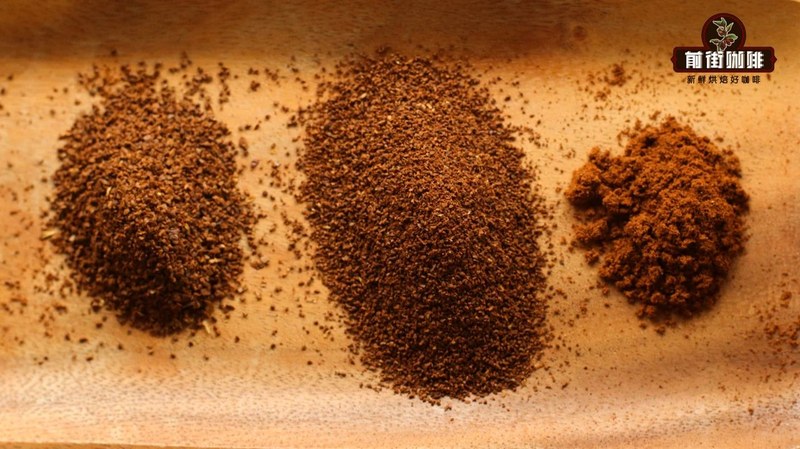
When brewing medium-light roasted beans, the grind shouldn't be too coarse right from the start, otherwise the aromatics tend to float on the surface and the sweetness and acidity seem insufficient; too fine may bring dryness. You can first brew a cup with a stable dose and water amount, and observe how the coffee changes from hot to warm. If the front end is sharply acidic, increase extraction; if the back end feels dry, reduce agitation or shorten contact time.
The charm of Yirgacheffe lies in its ability to present different faces depending on roast level: lighter, floral and fruity acidity are more prominent; closer to medium, sweetness and mouthfeel are more stable. When buying, you might as well choose based on processing method, flavor words, and your preferred drinking temperature. Once you find a suitable medium-light roast version, floral notes, fruitiness, and tea-like character can become a light variation in your everyday black coffee.
The above content is compiled by CoffeeHunters, a coffee news website.

