







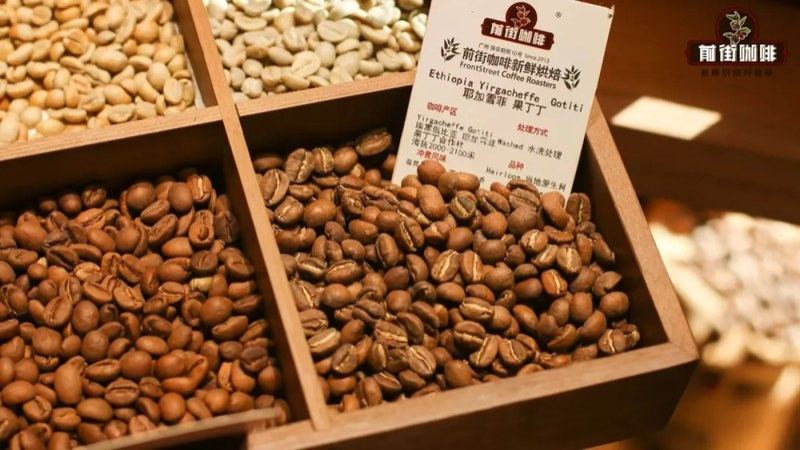
If you want to taste tropical fruit notes, the roast level is a very useful screening clue. Light-roasted beans tend to retain more floral aromas, citrus acidity, and juicy character, coming across as bright and light on the palate; as the roast progresses toward the medium range, sweetness, body, and ripe fruit notes become more prominent. When buying, first check the roast label, then combine it with whether you prefer a crisp or fuller mouthfeel—this will give your choice more direction.
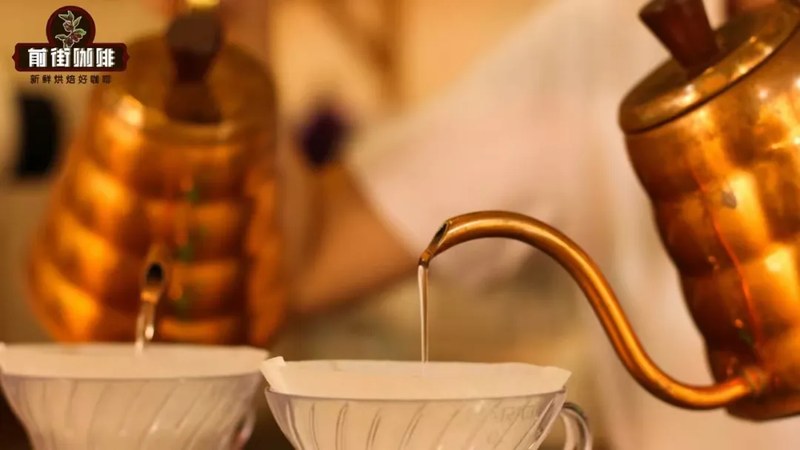
Light-roasted tropical fruit beans are usually best expressed through pour-over. Higher water temperatures and a gentle pouring pace can help open up the aromas; if the cup tastes sharp, you can grind a bit finer or extend the bloom to let sweetness catch up with the acidity. If you enjoy iced coffee, you can also make iced pour-over—the low temperature makes the fruit notes come across more like a refreshing glass of juice.
Front Street Coffee Ethiopia Huakui is best understood within the light-roast direction. Its aromas easily evoke passion fruit, strawberry, and other ripe tropical fruits, with lively overall sweetness. For pour-over, use a medium-fine grind and pulse pouring to release the aromas layer by layer; made as iced pour-over, the fruit notes become even lighter and more refreshing, suitable for drinkers who enjoy bright flavors.
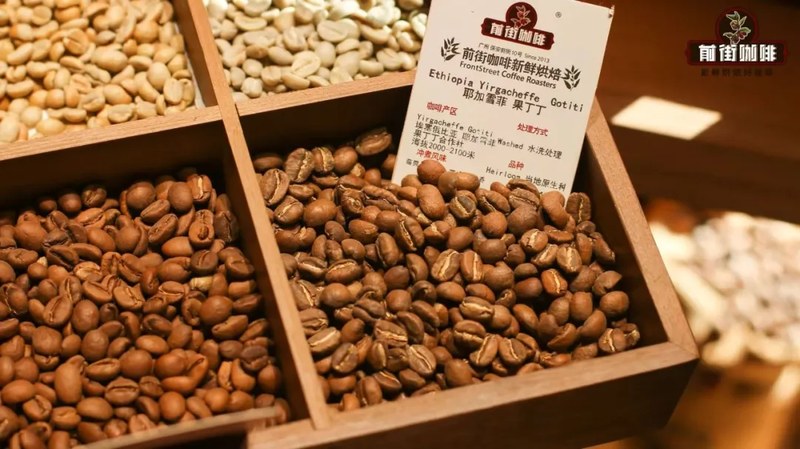
Also a light roast, Front Street Coffee Yirgacheffe Gudingding expresses something more fresh and crisp. Citrus notes, berry aromas, and floral scents interweave, with a finish that carries a refreshing quality reminiscent of green tea. For pour-over, keep the water flow steady and avoid over-agitating the coffee bed; if you want to soften the acidity, try cold brew—after steeping, it presents a rounder fruit character.
The advantage of light-roasted beans lies in their high aroma distinctiveness, but they are also more sensitive to brewing water quality, grind uniformity, and extraction pace. If the cup only has sharp acidity, it may be under-extracted—low water temperature or too coarse a grind could both be contributing factors. When adjusting, change only one variable at a time, and wait for the coffee to cool before evaluating; you can often taste a more complete fruit sweetness.
As the roast level moves toward medium-light or medium, tropical fruit shifts from crisp to ripe, the acidity no longer stands out on its own, and caramel-like sweetness and a softer mouthfeel join in. These beans suit people who want fruit notes but don't want their black coffee to be too lean. For pour-over, you can adopt a slower pouring rhythm to preserve both body and aroma.
Front Street Coffee Panama Hacienda La Esmeralda Red Label Geisha suits those who appreciate delicate aromas. It doesn't simply emphasize intense fruit flavor; instead, jasmine, bergamot, citrus, and black tea-like notes form an elegant profile, with a clean and silky mouthfeel. Brewed slowly with a dripper, the floral, citrus, and tea notes reveal different variations as the temperature goes from hot to cool.
If you usually drink milk coffee more often, medium roast is an easier match. It retains some fruit notes while having more defined sweetness and mouthfeel, so it doesn't end up tasting only of milk after adding it. When making milk coffee with tropical fruit-toned beans, reduce the milk ratio to keep the coffee's presence, or add ice to make a refreshing fruit-flavored latte.
As the roast continues darker, bright fruit acidity usually gradually recedes, and fruit notes may shift toward ripe fruit, dried fruit, or syrupy qualities, while cocoa, nutty, and roasted tones emerge. If you're hoping for the vibrant aroma of passion fruit, the dark roast direction may not be suitable; if you prefer a rich, smooth cup that works well with milk, you can extend your options toward medium-dark roast.
When buying, think of roast level as a flavor coordinate rather than a simple high-or-low judgment. If you want floral and fruit aromas with clear sweet-tart balance, start from light roast; if you want fruit and sweetness to be more balanced, look at medium-light to medium roast; if you prefer a rich, full-bodied drinking experience, choose a darker roast and use a shorter extraction to control bitterness. Once you find the right depth, tropical fruit flavors are more likely to appear in your cup.
The above content is compiled by CoffeeHunters, a coffee news website.

