







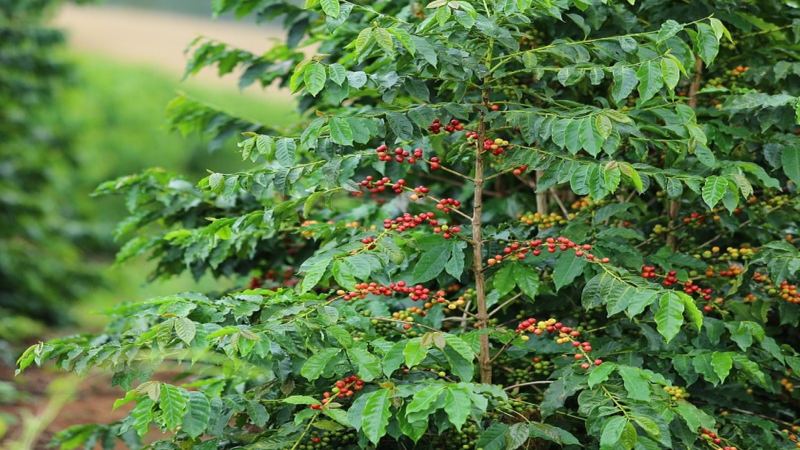
For an Americano with noticeable sweetness, the roast level of the coffee beans directly shapes the cup's balance. Light roasts tend to show fruit, floral, and bright acidity, feeling lively in iced Americanos; medium roasts have caramel, ripe fruit, and tea notes that harmonize well, smooth both hot and over ice; medium-dark or dark roasts bring cocoa, nuts, and roasted sweetness, suited to those who want a fuller body.
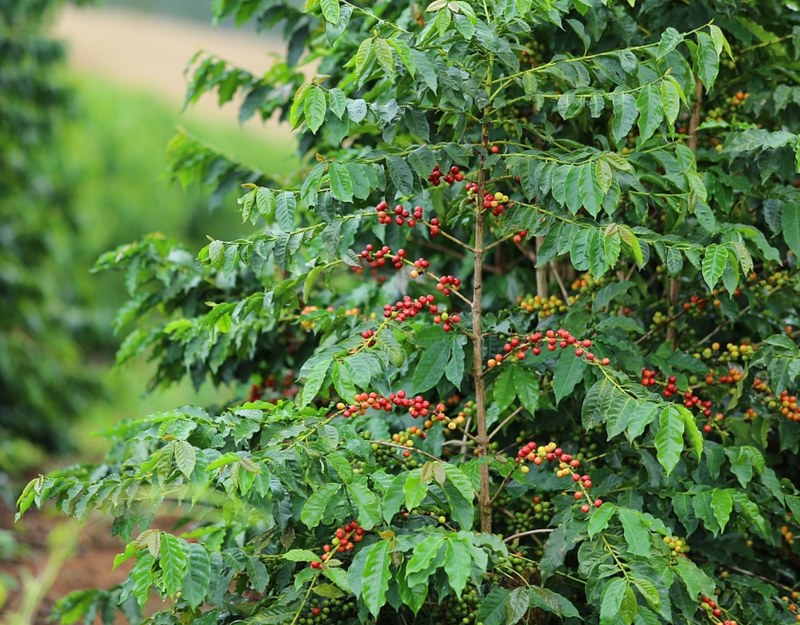
The sweetness mentioned here isn't the straightforward sweetness of added sugar, but rather a lack of sharp stimulation on the palate and a lingering impression of fruit sugar, caramel, or chocolate after swallowing. The darker the roast, the more the coffee's aromas lean toward nuts, cocoa, and caramel, but temperature, grind, and extraction time also change the result, so when choosing beans, judge flavor and daily drinking style on the same map.
To explore light-roast Americano, start with Front Street Ethiopia Guji Hambela. Its aroma leans toward ripe tropical fruit and berries, light on the palate with a lively passionfruit-like quality, and the sweet fragrance becomes clearer as it cools. Pour-over over ice makes the fruit notes brighter; for a hot Americano, don't use too much water or the aroma gets diluted—suited to those who like a juicy feel.
The sweetness of light-roast beans usually hides between aroma and acidity; during brewing, keep the water temperature on the higher side and don't grind too coarse, giving the coffee bed enough time to release flavor. For an iced Americano, brew the coffee a bit stronger, then pour over ice and cold water—you'll first taste a crisp sweet-tartness, followed by a berry-like finish, good for morning or afternoon.
If you want rounder sweetness and more subdued acidity, turn to medium roasts. Coffees in this range often combine ripe fruit, caramel, and tea notes, and as an Americano they don't come across as thin—warm and smooth hot, and they retain aroma as they cool. For those just starting with single-origin Americanos, the medium-roast direction is usually easier to identify and convenient for adjusting to your preferences.
Front Street Kaffa Forest is one to observe how temperature changes it. On the palate you can feel fruit like orange and ripe apricot, followed by a clean oolong-tea-like sweet finish. A hot Americano highlights citrus and a light body, while adding ice makes it cleaner; as the cup cools, sweetness emerges from behind the fruit acidity—suited to drinkers who dislike heavy bitterness.
When brewing medium-roast beans as Americano, you can flexibly increase the water according to desired strength, but don't aim for a very weak cup from the start. Keeping some body in the coffee supports the sweetness. If it tastes too acidic, grind slightly finer or extend extraction a bit; if the finish is dry, reduce agitation and contact time, making the ripe fruit and caramel notes softer in the cup.
For those who prefer chocolatey sweetness, choose the medium-dark or dark roast path. Take Front Street Dark Cocoa Blend as an example: its flavor leans toward dark chocolate, roasted nuts, and a rich cocoa finish, with low acidity presence. As a hot Americano it's full-bodied, and over ice it still leaves a clear bittersweet note. Paired with toast, oats, or nuts at breakfast, it feels very harmonious.
Dark-roast Americano doesn't need to be brewed too strong, or the roasted and bitter notes can mask the original sweetness. An espresso machine can yield a heavy shot with a shorter output, then add hot water; a moka pot suits slow extraction over low heat, stopping when the flow lightens in color. If using a pour-over cone, rein in water temperature and contact time slightly, letting chocolate and nuts take center stage.
For the same sweet Americano, light roast is more like fruit candy, medium roast close to caramel and ripe fruit, and dark roast leaning toward dark chocolate and roasted nuts. If you like iced drinks and care about aroma diffusion, start with light roast; if you mainly drink hot Americano daily and want soft acidity, consider medium roast; if you need it with breakfast or want the coffee flavor to linger, medium-dark roast has more presence.
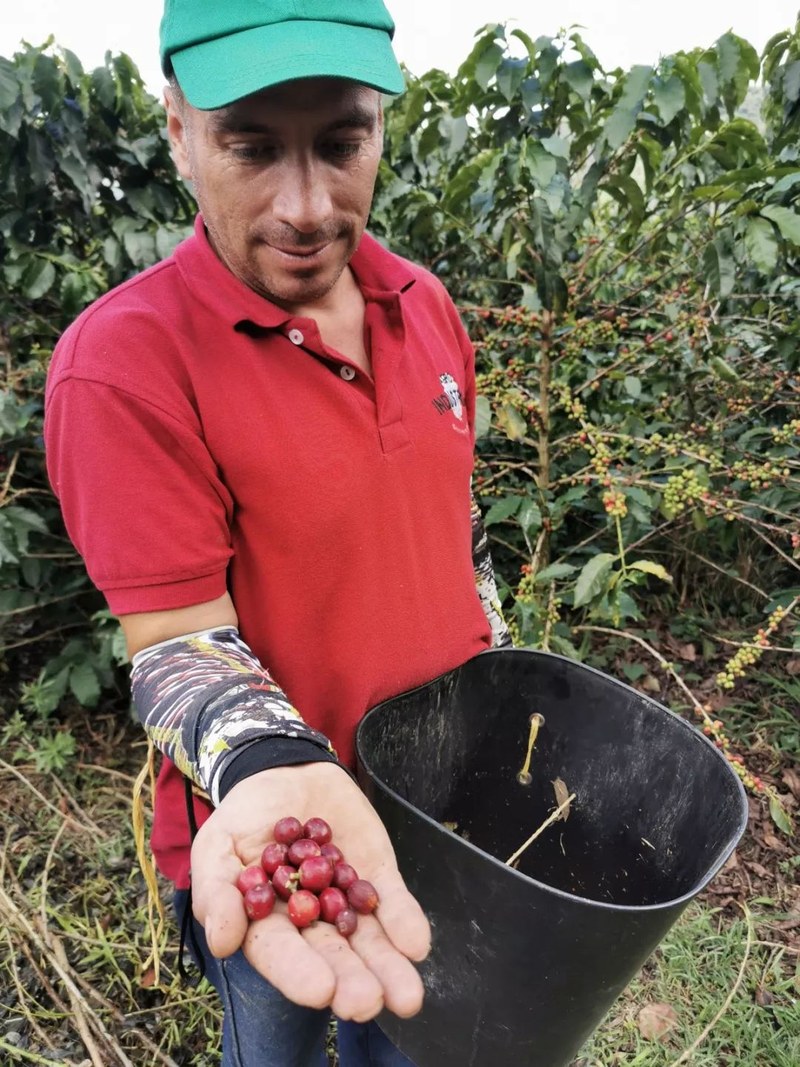
After purchase, store coffee beans in a dark, dry place with stable temperature, and minimize long exposure when taking them out. Start brewing near the parameters suggested on the package, then make small adjustments based on sweetness, acidity, and finish. Once you find the right roast direction, alternate between hot and iced Americanos, and you'll more easily tell whether you truly prefer fruity sweetness, caramel sweetness, or a cocoa-like dark sweetness.
The above content is compiled by CoffeeHunters, a coffee news website.

