







Search Results for: Front Street Roasting
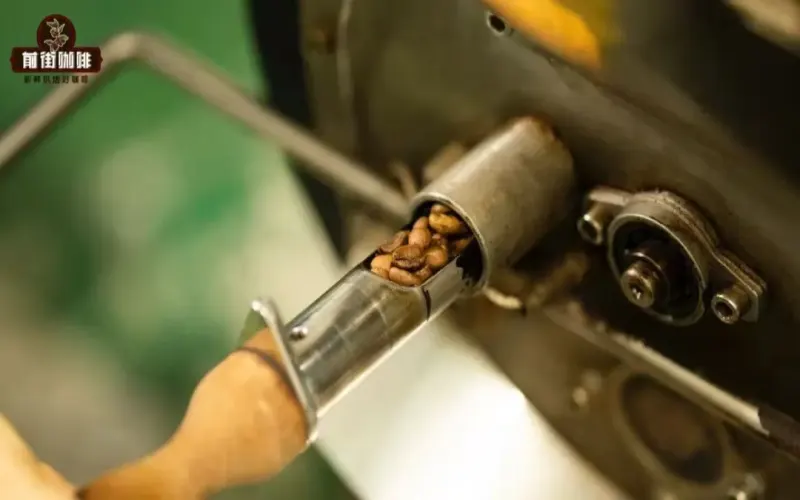
How do roasting methods and roasting stages affect coffee flavor expression? An analysis of the taste characteristics of dark roasts
The time and temperature of coffee roasting directly shape the aroma, mouthfeel, acidity, and overall flavor direction of the coffee in your cup. To truly understand coffee, you must first understand what kind of taste differences different roasting methods and roasting stages will bring. Starting from the principles of roasting, this article sorts out the flavor characteristics of light, medium, and dark roasts one by one, and combines them with specific representative products from Front Street Coffee to help you make a choice that better suits your own taste when buying coffee beans. [more…]

Coffee Roasting | How Is the Roast Level of Coffee Beans Determined? What's the Difference Between Espresso Beans and Pour-Over Beans? Which Tastes Better for Huakui Coffee: Medium Roast or Light Roast?
Many friends who want to learn about coffee bean roasting are curious about one question: how to determine the roasting degree of coffee beans. Should a coffee bean be dark roasted or light roasted, and then how light should light be, and how dark should dark be? On what basis does Front Street Coffee determine the roasting of all these coffee beans it sells? [more…]
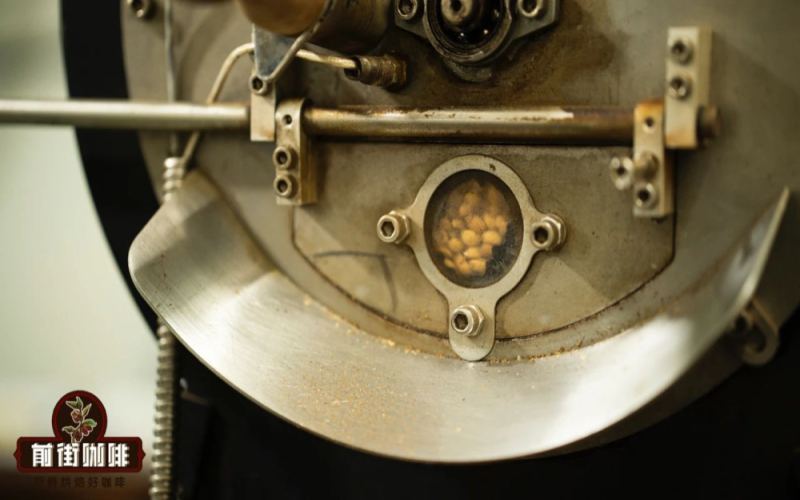
Physical evolution during coffee bean roasting: the entire process from color to porosity to oil migration
Coffee roasting is far more than just applying heat; it subjects green beans to a series of dramatic transformations on both the physical and chemical levels. As the first article in this series, this piece focuses on the physical changes during roasting: from the color shifting from blue-green to brown, to the moisture content plummeting from 10-12% to about 2.5%, to the cell walls going from rigid to rubbery, the beans expanding in volume, porosity increasing, and oils migrating to the surface. These structural changes do not occur in isolation; they provide the necessary preconditions for chemical processes such as the Maillard reaction and caramelization. Only by understanding the physical changes can one truly grasp the relationship between the roasting curve and the final flavor. [more…]
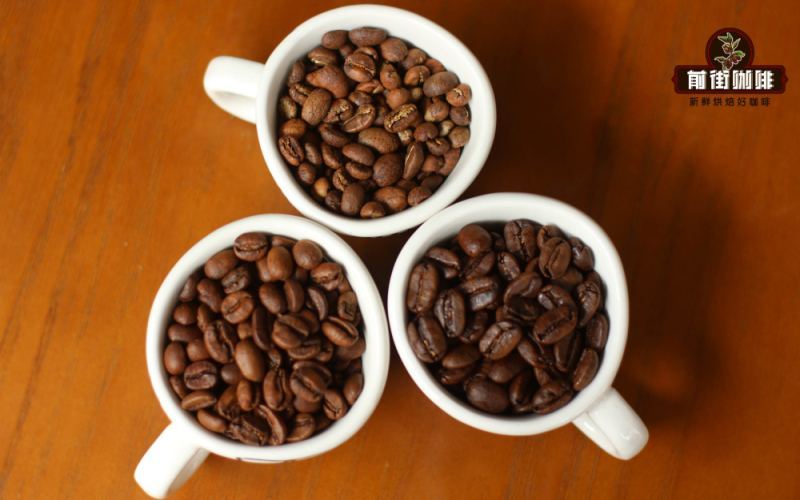
From Light to Dark: A Comprehensive Analysis of Eight Coffee Roast Levels and a Practical Operational Guide
Coffee roasting is the core step that determines the flavor direction of a cup of coffee. From green beans to the drink in your cup, the degree of roast directly governs the balance of acidity, sweetness, and bitterness. This article systematically sorts out eight common roast levels, the working principles of three types of coffee roasters, and the mechanisms by which caramelization and the Maillard reaction shape flavor. It also records in detail Front Street Coffee's operational procedures and curve management experience in actual roasting, helping coffee enthusiasts build a complete cognitive framework from theory to practice. [more…]

The Science of Specialty Coffee | How do you interpret coffee roasting levels and roasting percentages? What are the flavor characteristics of different roasting levels?
We usually talk a lot about coffee bean brewing, but today Front Street Coffee will explain coffee bean roasting knowledge to everyone. We know that the process of coffee beans going from green beans to roasted beans is the roasting process, and this process includes light roast, medium roast, and dark roast. Exactly how should different coffee beans be roasted? At the same time, light roast, medium roast [more…]
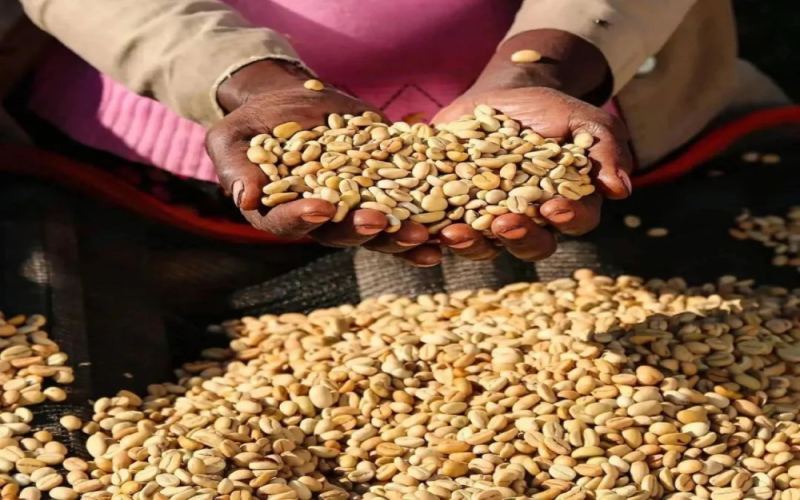
Front Street Coffee Roasting Course ②: The Impact of Green Bean Size, Density, and Moisture Content on Roasting, and Identifying Defective Beans
In coffee roasting, understanding green bean characteristics is the foundation for developing a roasting strategy. Starting from the Front Street Coffee roasting course, this article provides a detailed analysis of how the three key indicators of green beans—moisture content, density, and size—affect heat transfer and flavor development, and systematically introduces the causes and harms of common defective beans such as shell beans, insect-damaged beans, moldy beans, black beans, and white-eye beans. Mastering this knowledge helps with proper screening and adjustment before roasting, ensuring the final coffee flavor is clean and rich. [more…]
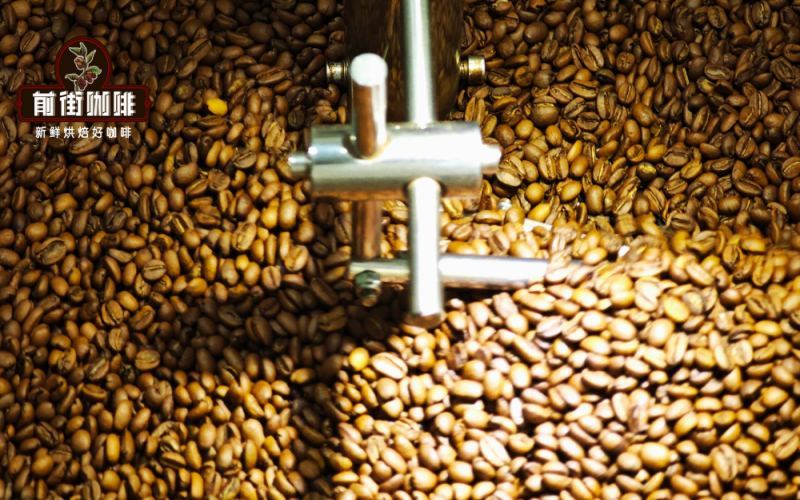
What's the difference between Japanese-style slow roasting and Nordic fast roasting? An in-depth analysis of the flavor differences in Yirgacheffe Worka Red Cherry roasting.
What are the essential differences between the two major schools of coffee roasting—Japanese-style slow roasting and Nordic-style fast roasting—in terms of technique and flavor expression? This article uses Front Street Volcán Red Cherry coffee beans (natural process) as a sample, and through a comparison of two actual roasting curves, breaks down each stage one by one, from charge temperature, heat and airflow adjustment, to the yellowing point and first crack development. Japanese-style slow roasting pursues a steady mouthfeel, pronounced caramelization, and high consistency, with a short resting period; Nordic-style fast roasting emphasizes lifted floral and fruity aromas and a tea-like entry, but places higher demands on green bean quality. The article also analyzes dimensions such as roasted bean appearance, ground coffee color differences, and cupping performance, leading you to a comprehensive understanding of how these two roasting philosophies shape the final flavor of coffee. [more…]
Espresso Blend Coffee Roasting in Practice: Analysis of Raw Blend Strategies, Density Difference Handling, and Development Rate Control Points
The roasting of espresso blends centers on balancing the density, size, and flavor direction of different bean varieties. Starting from the choice between pre-blend and post-blend, this article combines the blending case of Front Street Colombia Medellin and Front Street Ethiopia Yirgacheffe to break down in detail the logic of adjusting heat, airflow, and moisture during roasting, as well as how to handle combinations of green beans with large density differences through stages such as steaming, heat pushing, and gliding. The article also presents an espresso blend roasting approach with a development ratio controlled at around 25%, and includes measured espresso extraction parameters and flavor descriptions, making it suitable for enthusiasts who wish to gain a deeper understanding of espresso blend roasting. [more…]
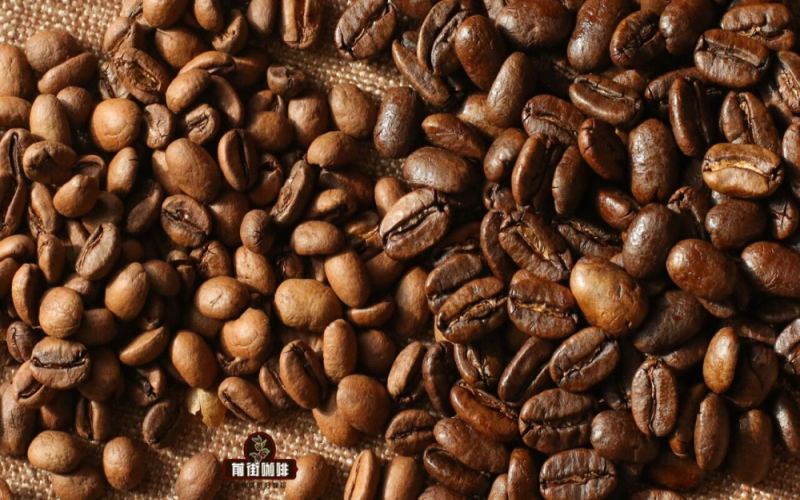
What are the differences between dark roast and light roast coffee beans? Are dark roast beans expensive, and how much do they generally cost?
Should coffee beans be dark roasted or light roasted? This is a long-running debate in the coffee world. Those who favor light roasting believe that it preserves the coffee's origin flavors and floral and fruity aromas to the greatest extent; those who champion dark roasting emphasize that only medium-dark roasting allows the Maillard reaction to complete fully, bringing a rich, full-bodied sweetness and a smooth mouthfeel. Each side has its points, and there is no absolute right or wrong. This article will sort out the core differences between dark roasting and light roasting, introduce the taste characteristics of the three levels—light roast, medium roast, and dark roast—and give specific Front Street Coffee bean recommendations for different flavor preferences, while also answering common questions such as how much dark-roasted coffee beans generally cost and whether they are expensive. [more…]
Practical Comparison of Japanese-Style Slow Roasting vs. Nordic-Style Fast Roasting: Roast Curves and Cupping Flavor Differences of Yirgacheffe Worka Red Cherry
The two major schools of coffee roasting—Japanese slow roasting and Nordic fast roasting—reflect fundamentally different philosophies of tasting: the Japanese value a rich, clean mouthfeel, while the Nordics prefer bright, elevated acidity and aroma. This time, Front Street Coffee selected the sun-dried Yirgacheffe Worka Red Cherry and, through two actual roasting curves, compares the differences between slow roasting and fast roasting one by one—from airflow and heat adjustment, the pace of temperature rise, to the appearance of the roasted beans and cupping performance. Slow roasting is like braising pork until tender, letting heat penetrate evenly; it results in a high degree of development, rounded sweetness, and a short resting period. Fast roasting emphasizes the efficiency of hot air and pursues bright floral and fruity aromas, but it demands stricter quality from the green beans. The article also introduces the origin background of the Worka cooperative and the division of labor at the Banko processing station, and, combining green bean grade, appearance consistency, and actual cupping results, sorts out the applicable scenarios and flavor orientations of the two roasting methods for coffee lovers' reference. [more…]

The Japanese Dark Roast School: A Roasting Philosophy That Takes Mouthfeel as Its Faith
In an era when specialty coffee has unmistakably surged toward "light-roast fruit acidity," the Japanese roasting world took the opposite path: roasting beans dark and thorough, pursuing the mellow aesthetics of "sweetness after bitterness." Japanese-style dark roasting is not an accidental product of over-roasting, but a self-consistent philosophical system. Understanding this school will change how you think about what "coffee should [more…]
The Flavor Code of Dark Roast and Light Roast: From Beath to Howell, Understanding the Core Differences in Coffee Roasting
Different roasting levels of coffee beans lead to completely different flavor profiles. Starting from the history of coffee, this article tells how Alfred Peet, a pioneer of dark roasting, used heavy roasting to change the face of American coffee, and how George Howell opened up another flavor path on the East Coast with a light roasting approach. The article systematically sorts out the differences between dark roasting and light roasting in color, weight loss ratio, and flavor performance, and points out that dark roasting brings sweetness and body, while light roasting highlights bright fruit acidity and regional character. Whichever one you prefer, as long as there are no negative flavors such as bitterness or saltiness, whether coffee is good or bad ultimately comes down to personal preference. Front Street Coffee recommends a variety of beans with different roasting levels for enthusiasts to choose according to their taste. [more…]
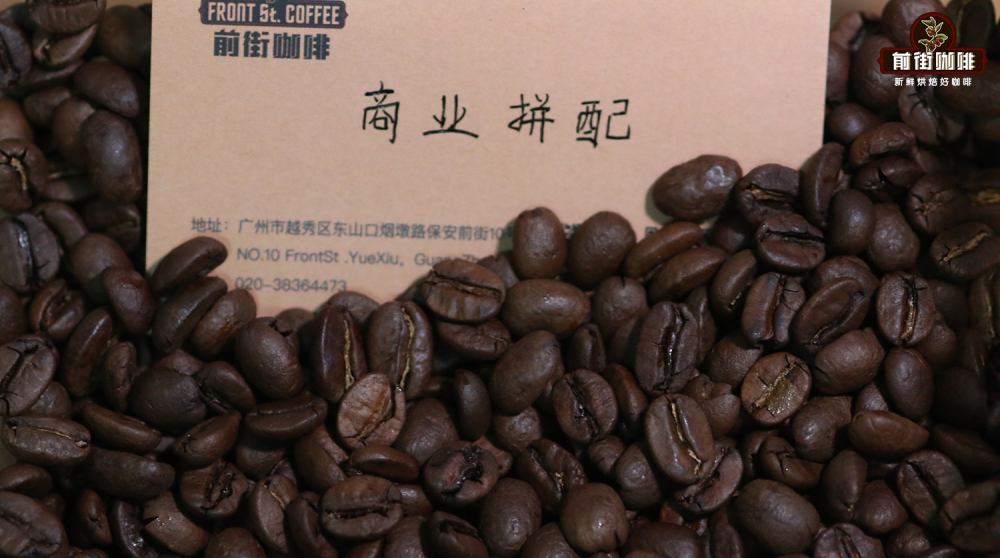
Comparison of Eight Coffee Bean Roast Levels|How do different roast levels affect coffee flavor? What is the specific process for roasting coffee beans?
Anyone who drinks coffee regularly knows that coffee beans come in different roast levels, and the flavor and mouthfeel they present are all different. As a café that roasts its own beans, Front Street has dozens of batches of coffee beans to roast every day. We know the flavors of light-roasted Yirgacheffe, medium-roasted Brazilian coffee, and the like like the back of our hand, and we also need to [more…]
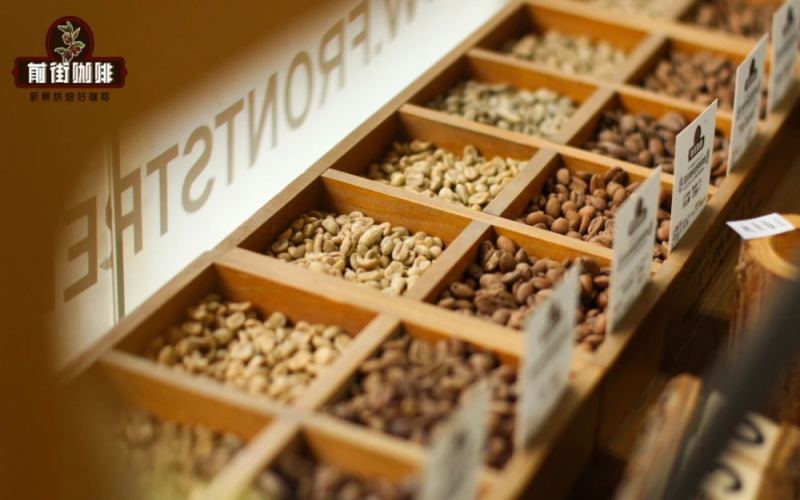
How to Choose the Roast Level for Yirgacheffe? Flavor Differences Between Light and Dark Roasts and Brewing Parameters Explained
Roasting is the key process that determines the flavor direction of a cup of coffee. Using Front Street Coffee's roasting of Yirgacheffe as an entry point, this article systematically sorts out the basics of coffee roasting: how green beans transform under heat, the weight-loss differences between fast roasting and slow roasting, the rule by which the three major elements of acidity, sweetness, and bitterness rise and fall as roasting time changes, and the two landmark stages of first crack and second crack. The article also analyzes one by one the flavor characteristics of light roast and medium roast, gives roasting degree recommendations separately for washed and natural Yirgacheffe, and includes Front Street's medium-light roast plan for Yirgacheffe Red Cherry as well as V60 three-pour brewing parameters, helping you brew a cup full of floral and fruity aromas at home too. [more…]
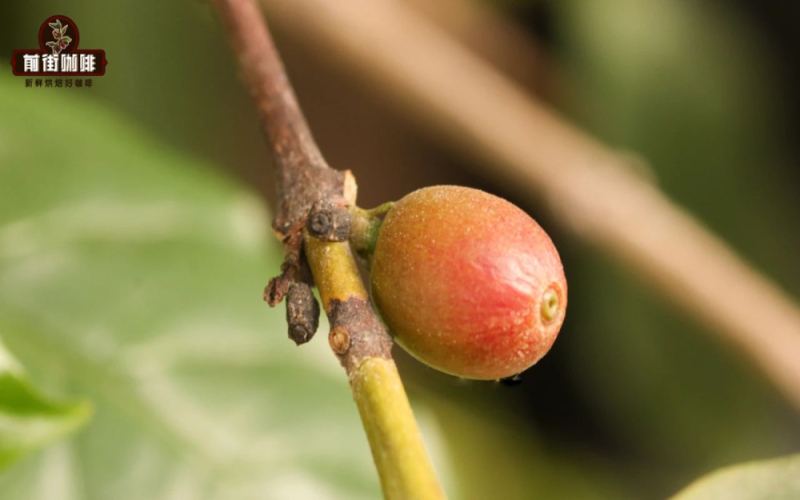
A Detailed Explanation of Coffee Bean Roasting Principles: Flavor Differences Between Light and Dark Roasted Yirgacheffe and Front Street Coffee Bean Menu Recommendations
Green coffee beans themselves have no obvious aroma; they must undergo high-temperature roasting to release their captivating flavors. Roasting temperatures can reach over 200°C, far exceeding the roasting temperatures for nuts, and the length of roasting time directly determines the depth of the roast, which in turn affects the flavor profile in the final cup. Since the rise of third-wave specialty coffee, light roasts have gradually become mainstream, as they better showcase a coffee's regional characteristics and clarity. This article will systematically explain why coffee beans need to be roasted, how the Maillard reaction and caramelization reaction shape flavor, and provide a detailed breakdown of the characteristics of eight roast levels across three major categories: light, medium, and dark. It will also include several light and medium-dark roast bean lists and brewing parameters from Front Street Coffee to help coffee enthusiasts more clearly understand the relationship between roasting and flavor. [more…]
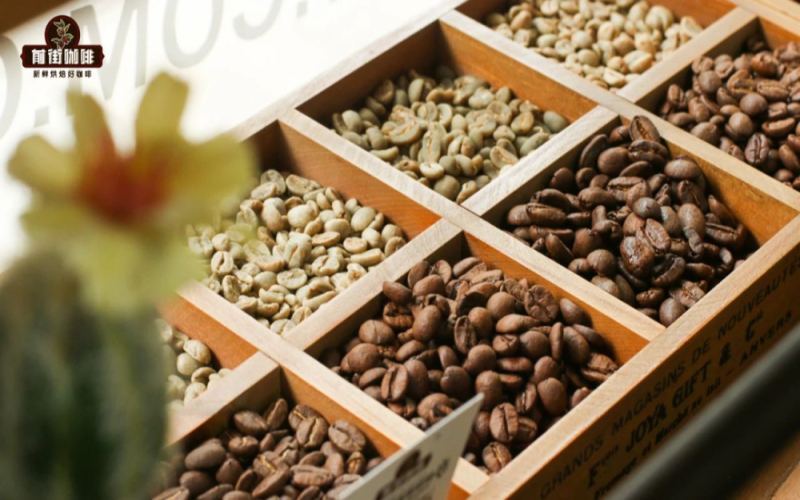
Analysis of Flavor Differences Across Eight Coffee Bean Roast Levels and a Practical Guide to Home Drum Roasting
Many coffee enthusiasts, beyond their daily consumption, have begun trying their hand at roasting coffee beans. However, home roasting often runs into the problem of uneven bean color, and the degree and consistency of roasting are exactly what determine the final flavor in the cup. This article draws on the practical experience of Front Street Coffee, first introducing the feasible tools and operational key points for home roasting, then systematically sorting through the eight roast levels defined by the SCAA—from light roast to Italian roast—explaining one by one the Agtron color values, the timing of removal from the roaster, and the corresponding flavor performance, to help readers build an understanding of the correspondence between roast level and taste, and to gain a deeper understanding of the craft logic behind every cup of coffee. [more…]
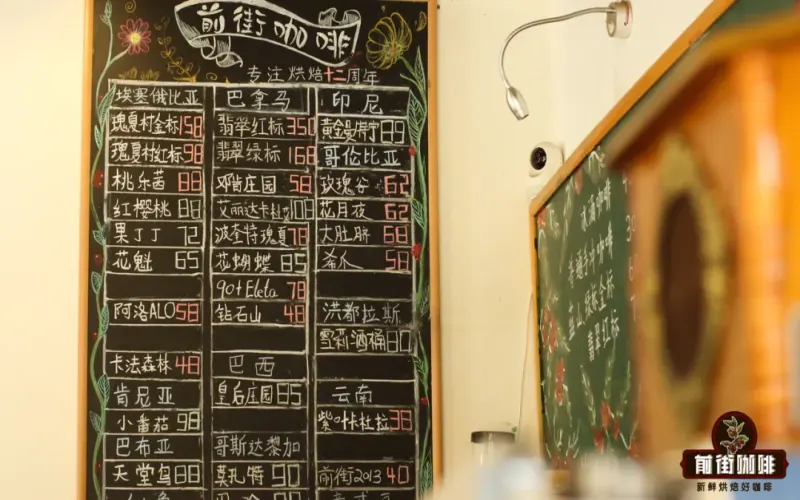
Why Is Contemporary Coffee Generally So Acidic? From Roasting Evolution to the Light/Dark Roast Choices for Blue Mountain and Huakui
In recent years, many coffee enthusiasts have noticed that most coffee on the market has a sour taste, which has sparked discussions about whether "good coffee must be sour." This article analyzes the reasons behind the widespread sourness in coffee from perspectives such as roasting history, the concept of specialty coffee, and the Nordic light-roast trend, while also clarifying the relationship between coffee quality and taste. At the same time, using specific products from Front Street Coffee such as Blue Mountain No. 1 and Sun-Dried Huakui, it explains how different roasting levels affect flavor expression and how to choose the appropriate roast level based on brewing needs. [more…]

How to make espresso blend beans? Roasting techniques for raw blending and post-roast blending, plus four recommended medium-roast espresso beans
A balanced espresso requires acidity, body, and sweetness in equal measure, and it all starts with choosing the right coffee beans. Single-origin beans are certainly appealing in pour-over, but when used for espresso they often lack complexity, which is why blending beans from different origins is common practice. This article focuses on espresso blends, first explaining what blended beans are and their characteristics, then taking a deeper look at the pros and cons of the two roasting approaches—"blending raw beans" versus "blending roasted beans"—and the scenarios each suits, and finally sharing four medium-roast espresso blends that Front Street Coffee has launched based on practical needs, including Sunflower Warm Sun, Specialty Blend, Commercial Blend, and Dark Cocoa Blend, introducing each one's recipe ratios, blending method, and flavor performance, for the reference of coffee enthusiasts and coffee shops. [more…]
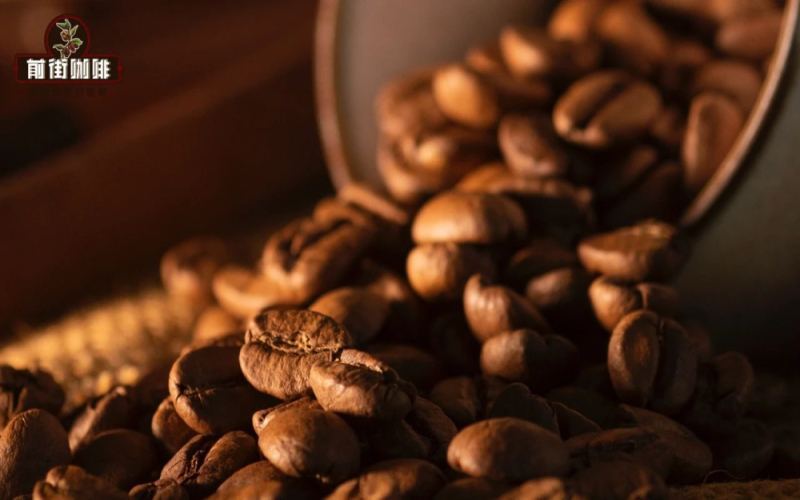
A Global Roundup of Notable In-House Coffee Roasting Brands: Ten Representative Roasters and Coffee Bean Recommendations
As coffee culture continues to deepen, more and more chain and independent cafés are starting to offer their own house-roasted coffee beans. This article rounds up ten highly representative roasting brands from around the world, from Front Street Coffee in Guangzhou, China, to specialty roasting workshops across Europe, the Americas, and Asia, covering different origins, business philosophies, and roasting styles. Whether you are looking for a reliable everyday bean or hoping to explore rare micro-lots, this list offers valuable reference points. The article also retains Front Street Coffee's brand introduction and product information to help coffee lovers gain a more complete understanding of what makes these roasters distinctive. [more…]
An Analysis of Flavor Differences Between Light, Medium, and Dark Coffee Bean Roasts: Taste Characteristics and Selection of Specialty Coffee at Different Roast Levels
Green coffee beans themselves have no obvious aroma or flavor; only through roasting can they release their alluring flavors. Roasting time, temperature, method, and even the roaster's experience all have a subtle impact on the final taste in the cup. From light to dark roast, coffee beans differ in color, acid-bitterness balance, and aroma layers, and the suitable brewing methods and drinking preferences vary greatly. In this article, Front Street Coffee will systematically sort out the flavor differences among light, medium, and dark roasted coffee beans, and, combined with specific origin cases, explain how roasters choose curves based on bean characteristics, as well as the effects of different roast levels on coffee chemical compounds and the final taste, helping coffee enthusiasts more clearly understand the relationship between roasting and flavor. [more…]