







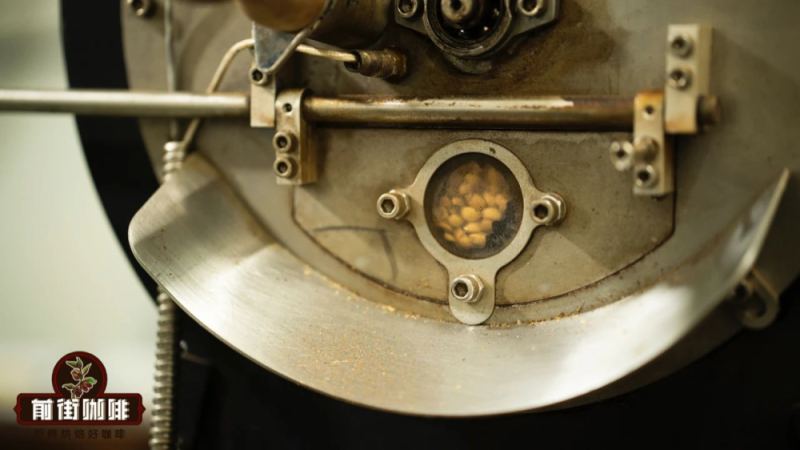
Coffee roasting is far more than just applying heat—it drives green beans through a series of dramatic transformations on both the physical and chemical levels. As the first article in this series, this piece focuses on the physical changes during roasting: from the color shifting from blue-green to brown, to the moisture content plummeting from 10-12% to about 2.5%, to the cell walls transitioning from rigid to rubbery, volume expansion, increased porosity, and oils migrating to the surface. These structural changes do not occur in isolation—they provide the necessary preconditions for chemical processes such as the Maillard reaction and caramelization. Understanding the physical changes is the key to truly grasping the relationship between the roasting curve and the final flavor.
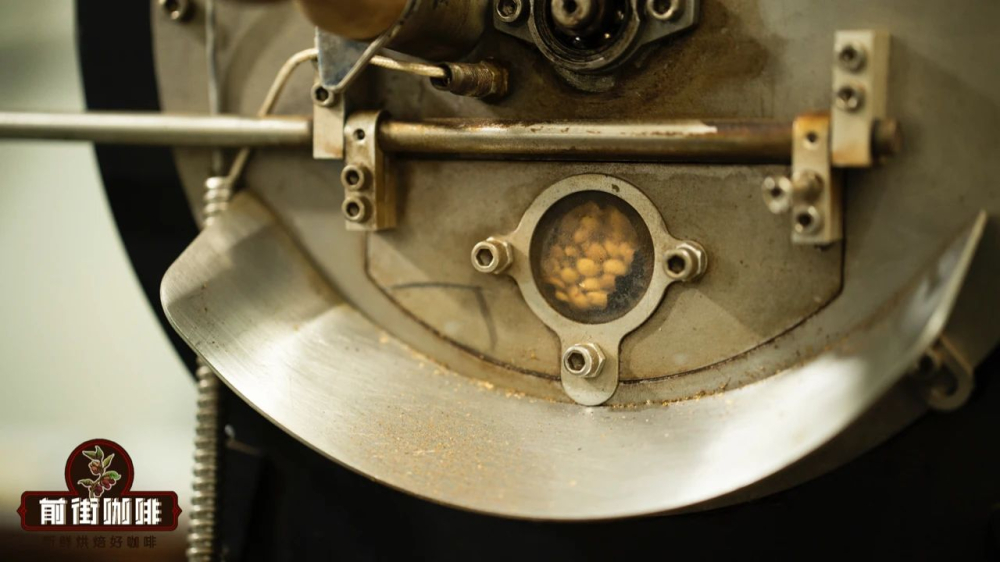
Roasting transforms green beans into roasted beans full of aroma and flavor—but what exactly happens behind this process? The entire roasting process can be divided into two major categories: physical changes and chemical changes. This article is the first in a series, starting with the physical changes that occur in coffee beans during roasting.
Why Physical Structure Matters
The layered structure of coffee beans plays a decisive role in whether an ideal flavor can ultimately be roasted out. Without a specific physical structure, the chemical reactions that give rise to flavor and aroma would have no way to occur. In the book *The Craft and Science of Coffee*, Britta Folmer points out: "If you grind green beans into powder and place them under the same temperature conditions as roasting, the flavor compounds we need will not be generated; only intact coffee beans possess the conditions to produce chemical reactions. The intact structure can regulate and ensure that the roasting environment triggers each reaction under the correct preconditions and in the correct order."
The Dramatic Transformations Brought by Roasting
Green coffee beans are dense, tightly structured seeds, but once they enter the roasting process, their original state is completely rewritten. Below is a breakdown of the physical changes that occur during roasting:
Color Changes
The most intuitive change during roasting is probably color. Fresh green beans are blue-green and gradually turn brown as melanoidins form—melanoidins are polymers produced when sugars and amino acids combine under heat. During roasting, some of the silver skin also flakes off; silver skin is the papery tissue clinging to the outermost layer of the coffee bean.
Roasters and consumers often use color as a reference standard for judging coffee beans and roast quality.
Changes in Moisture Content and Mass
After drying, green beans have a moisture content of about 10-12%, and after roasting this value drops to about 2.5%. In addition to the water inherently contained in the green beans, chemical reactions also generate extra moisture, but all of this moisture evaporates during roasting.
The loss of moisture, combined with some dry matter converting into gas, together causes the overall mass of green beans to decrease after roasting. On average, coffee beans lose 12-20% of their weight before and after roasting. Roasters typically record the weight loss ratio to determine which batches of green beans may need additional quality monitoring. Different roasting curves change the timing of dehydration, and differences in water activity at various stages of roasting may reflect differences in chemical reactions, which in turn influence the direction of the final roasting curve.
Changes in Volume and Pores
The cell wall strength of coffee beans ranks among the highest in the plant kingdom, and their outer layer material is extremely tough, giving the beans very high stiffness and strength.
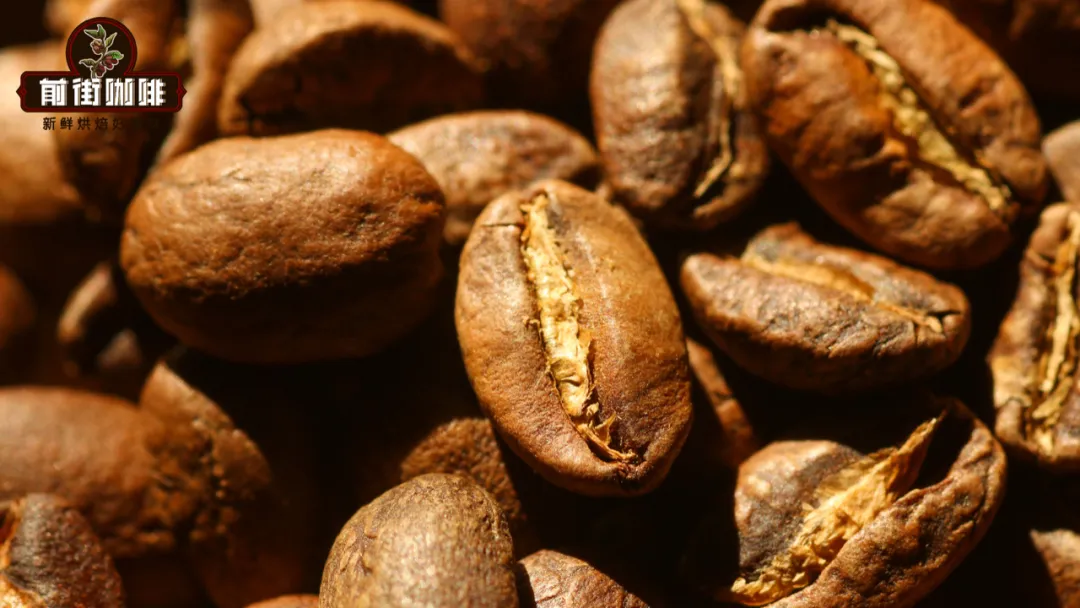
As roasting raises the temperature, moisture converts into gas, and the pressure inside the bean climbs accordingly. These conditions cause the cell walls to transition from a rigid state to a rubbery state—coffee beans are rich in polysaccharides (bound sugar molecules). The internal material is pushed toward the cell walls, leaving gas-filled cavities at the center. This means that while mass decreases, the bean's volume actually expands, and most of the accumulated gas is carbon dioxide released after roasting. Roasting also increases the number of pores in coffee beans, reducing density and enhancing solubility. Of course, this is closely related to whether a delicious cup can ultimately be brewed.
Changes in Oils
Coffee beans themselves contain oils, and during roasting the high internal pressure drives these compounds to migrate from the center of the cells to the surface. The role of oils is to lock volatile compounds inside the cells—volatile compounds are chemicals that easily vaporize at room temperature, and they are indispensable for creating coffee's fragrance and aroma. Without being encapsulated by oils, these molecules could quickly dissipate.
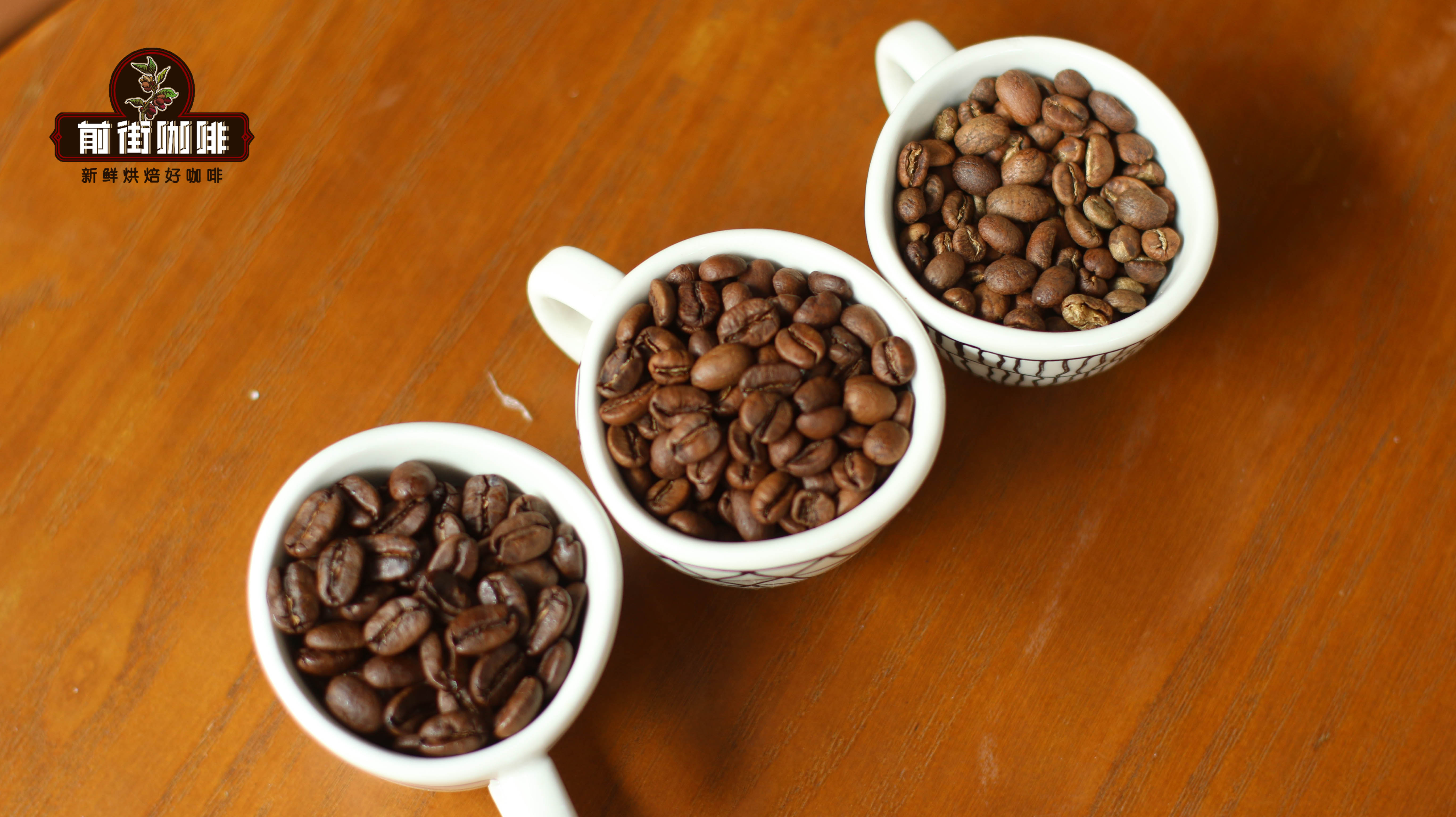
The longer the roasting time, the more pronounced the structural transformations, with coffee bean density continuing to decline and gas generation increasing accordingly. At the same time, the longer the roasting time, the more oil appears on the bean surface. These phenomena partly explain the origin of the flavor differences between dark-roasted and light-roasted coffee, but chemical changes that cannot be overlooked also affect the roasting outcome.
What Happens at Each Stage of Roasting
Different roasting methods influence the final coffee's flavor, aroma, and mouthfeel, because chemical changes occur at different points in time during roasting. But regardless of the roasting method used, roasting is mainly divided into three stages: dehydration, the Maillard (caramelization) reaction, and flavor development. These terms actually describe different stages of chemical and physical changes.
1. Dehydration
The dehydration stage begins at the turning point. The turning point is the moment when the temperature inside the roaster first drops and then rises again after the green beans are loaded—the point where the temperature begins to rise again is the turning point. During the dehydration stage, the moisture in the green beans begins to evaporate, and pressure inside the beans gradually builds.
2. Maillard Reaction
When coffee beans begin to turn brown, it means the Maillard reaction has started, which typically occurs when heated to about 150°C. This process releases a large amount of gas, including carbon dioxide, water vapor, volatile gases, and more. When the internal pressure becomes great enough to break through the cell walls, the beans expand—this is first crack. Flavor development proceeds in sync with the Maillard reaction; in addition to the change in bean color, the final coffee flavor is also influenced at this stage.
3. Flavor Development Stage
After first crack, roasting shifts from an endothermic reaction (absorbing heat from the drum) to an exothermic reaction (the beans releasing heat). Physical changes continue during this stage: surface pores keep increasing, oils continue migrating from the bean core to the surface, and the color deepens further.
Seemingly simple, coffee roasting is actually extremely complex, because many physical and chemical changes occur simultaneously during roasting. And it is the unique structure of coffee beans that makes all of this possible. Next time before buying coffee beans, take a moment to think about what each bean has gone through to be roasted to that level.
Characteristics of Different Roast Levels
Light Roast → Front Street Coffee Guodingding · Washed Yirgacheffe
As one of the most well-known floral-and-fruity coffee beans, Front Street Coffee Guodingding comes from the town of Yirgacheffe in Ethiopia, the birthplace of coffee. The local growing environment is exceptional, and the coffee naturally carries elegant white floral and citrus notes with a clean, bright mouthfeel. When light-roasted, its rich, delicate flavors are preserved, and its green-tea-like texture becomes even more prominent—perfect for those who dislike bitterness.
Medium-Light Roast → Front Street Coffee Xizhua · Colombia Finca La Línea
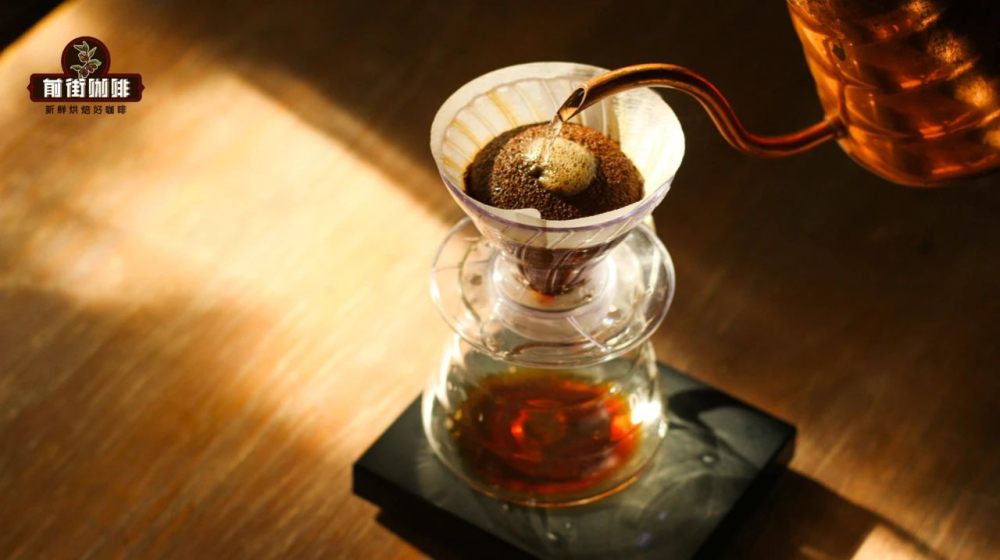
Compared with other fruit-acid coffees, Front Street Coffee Xizhua uses a double anaerobic natural process, adding ripe fruit aromas and fermented notes on top of its original sweet-and-tart base. This makes it very suitable for medium-light roasting, preserving some floral and fruity notes while highlighting rich layers of passion fruit, grape, and dried fruit.
Medium Roast → Front Street Coffee 2013 Yunnan Smallholder · Natural Typica
This is a specialty coffee bean grown, picked, and roasted by Front Street Coffee itself. The variety is the ancient, pure Typica, with a clean and serene taste. Combined with the balanced character of coffee from the Yunnan region, Front Street Coffee 2013 Yunnan Smallholder is medium-roasted, bringing out notes of nuts, chocolate, and ripe plum, brown sugar, and apricot.
Medium-Dark Roast → Front Street Coffee Queen's Estate · Brazil
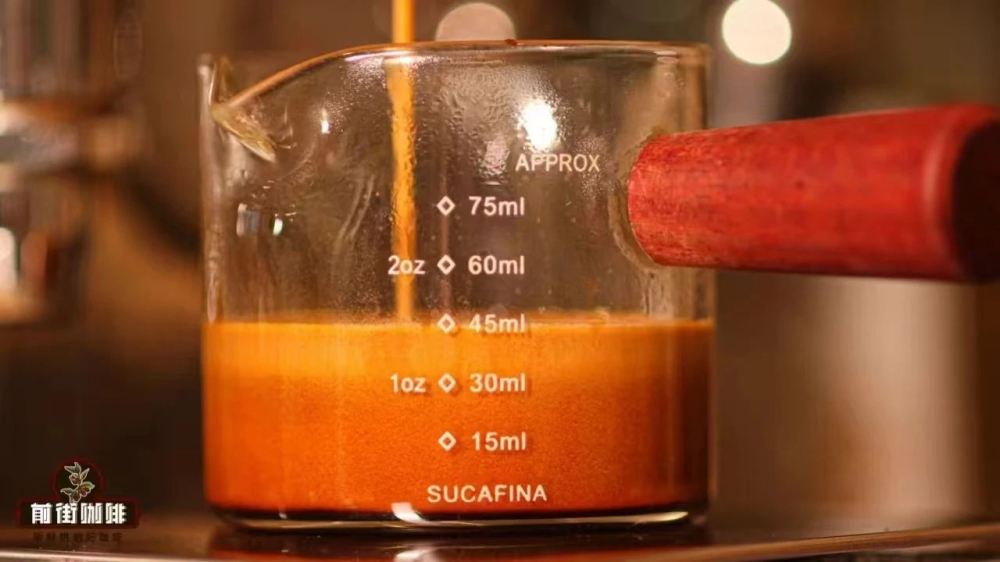
As one of the most popular roast levels, medium-dark roasting retains moderate acidity while allowing the coffee beans to undergo sufficient caramelization, bringing flavors of chocolate, caramel, dark chocolate, nuts, and more—ideal for those seeking a balanced taste. For medium-dark roasted coffee beans, Front Street Coffee Queen's Estate is the top choice, combining rich aroma with a taste that is neither sour nor bitter. It is suitable not only for pour-over and French press, but also for extraction with home espresso machines and moka pots—even drip coffee makers can put it to good use.
Dark Roast → Front Street Coffee Classic Blend · Brazil + Indonesia Mandheling + Robusta
For those who want to learn latte art at home, buy the dark-roasted Front Street Coffee Classic Blend. This is a medium-dark roasted espresso recipe combining three origins, inspired by the "Mamba" popular in older times—Mandheling and Brazil. To add aroma and body, Front Street Coffee Classic Blend also includes a small amount of Robusta, boosting flavor intensity so that beginners can easily make espresso with golden crema at home.
The above content is compiled by CoffeeHunters, a coffee news website.


