







Do Light, Medium and Dark Roasts Change Coffee Flavor?
Roasting time and temperature decide a coffee's aroma, taste, acidity and body. Light roasts usually stop at first crack and stay acidic and bright, medium roasts show moderate acidity and a balanced body with some surface oil, and dark roasts continue past second crack for deeper, heavier cups. The roast level, not only the origin, sets the flavor direction.
Beans tumble in the roaster, absorb heat, expand and crack, and the roast is judged by temperature, time and how far the beans have opened. Yirgacheffe lots from Ethiopia, for example, are roasted light to keep lemon-citrus acidity and floral fruit. Knowing this helps when comparing a bag to what is robusta coffee in a blend.
The time and temperature of coffee roasting directly shape the aroma, taste, acidity, and overall flavor direction of the cup. To truly understand coffee, you must first figure out what kind of taste differences different roasting methods and roasting stages bring. Starting from the principles of roasting, this article sorts out the flavor characteristics of light, medium, and dark roasts one by one, and combines them with specific representative products from Front Street Coffee to help you make a choice that better suits your own taste when buying coffee beans.
The length of time coffee beans undergo during roasting directly affects the taste, aroma, body, and acidity of the final product. Therefore, if you want a deeper understanding of coffee, understanding how various roasting methods and roasting stages affect flavor is an unavoidable step.
The Basic Principles of Roasting
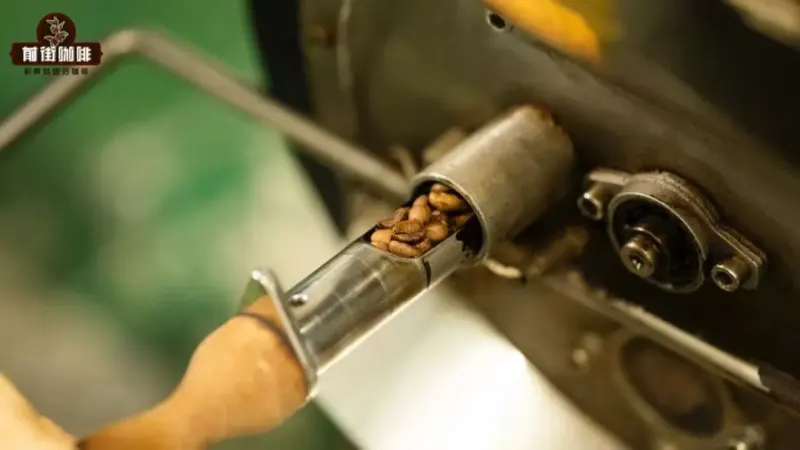
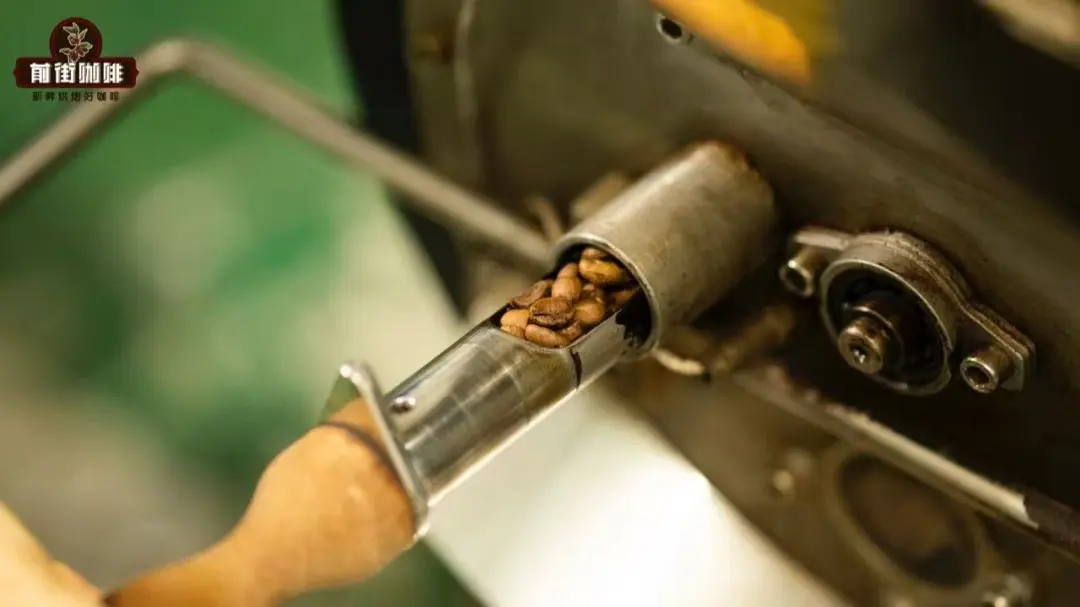
Simply put, roasting is letting green beans continuously tumble inside roasting equipment while absorbing heat, gradually developing to the ideal state. During this process, the coffee beans gradually expand and are accompanied by sounds similar to cracking. The degree of roasting is determined by temperature, time, and the extent of bean expansion or the number of "cracks." For example, light roasting usually stops at the "first crack" stage, while dark roasting does not end until after the "second crack."
1. Light Roast
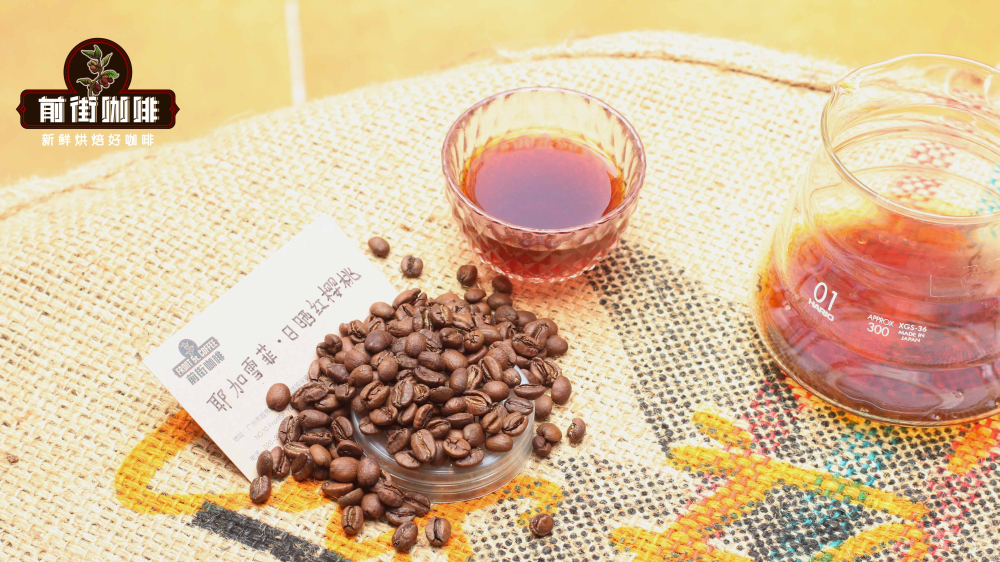
Light-roasted coffee beans are mainly characterized by acidity, with a relatively light mouthfeel and a clear, bright taste. When Front Street Coffee roasts coffee beans from the Yirgacheffe region of Ethiopia, it usually uses a light roast to highlight the region's signature lemon-citrus acidity and rich floral and fruity aroma. Front Street's representative beans include Yirgacheffe Gedingding Coffee, Natural Red Cherry Coffee Beans, and others.
Light roasting can give coffee a richer, more varied, vibrant, and distinctly individual flavor, so it is highly favored in the specialty coffee field. This roasting method is better at showcasing the unique terroir characteristics of the coffee's place of origin.
2. Medium Roast
Medium-roasted coffee beans generally present an elegant brown color, and a small amount of oil begins to emerge on the surface. This type of bean has moderate acidity, a relatively balanced body, and a smooth entry. Medium roasting can both preserve the coffee beans' original flavor and moderately release aromatic substances. Overall, it is richer and sweeter than light roasting, but its acidity is not as prominent as that of light roasting. Single-origin coffees such as Front Street Blue Mountain No. 1, Front Street Brazil Red Bourbon, and Front Street 2013 Natural Typica all use this roasting method, making them very suitable for people who prefer a balanced taste.
3. Dark Roast
Dark-roasted coffee appears dark brown, with rich oil on the surface, lower acidity, a heavy red wine character, and a more bitter, fuller taste, so dark roasting is also called the Italian roasting method. Generally speaking, it is difficult to identify the original origin of dark-roasted coffee, and this type of bean often carries flavors of chocolate, nuts, and caramel.
Coffee used to make espresso usually adopts dark roasting, because dark-roasted beans can produce a richer crema during extraction. The espresso blend coffee beans roasted in-house by Front Street Coffee belong to a medium-dark roast. The coffee made from them has abundant crema, and the roasted aroma is very prominent when making a latte or americano.
If you are after a rich crema, you can buy Front Street Classic Blend and Front Street Commercial Blend. Both espresso beans contain a small amount of Robusta. Front Street Classic Blend combines Brazil, Mandheling, and Robusta, using a medium-dark roast. During extraction, it releases obvious aromas of butter, toasted bread, and caramel biscuits. The flavor is strong, the body is thick, the crema is fine, and extraction stability is good. It is a must-have home coffee for beginners.
The above content is compiled by CoffeeHunters, a coffee news website.


