Many friends who want to learn about coffee bean roasting are curious about one question: how to determine the roasting degree of coffee beans.
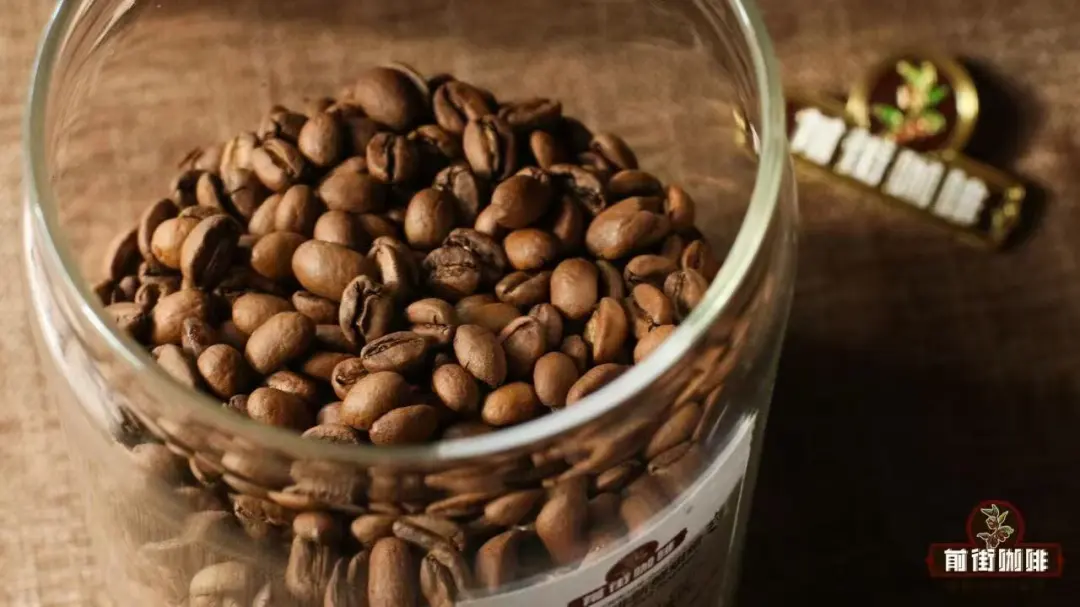
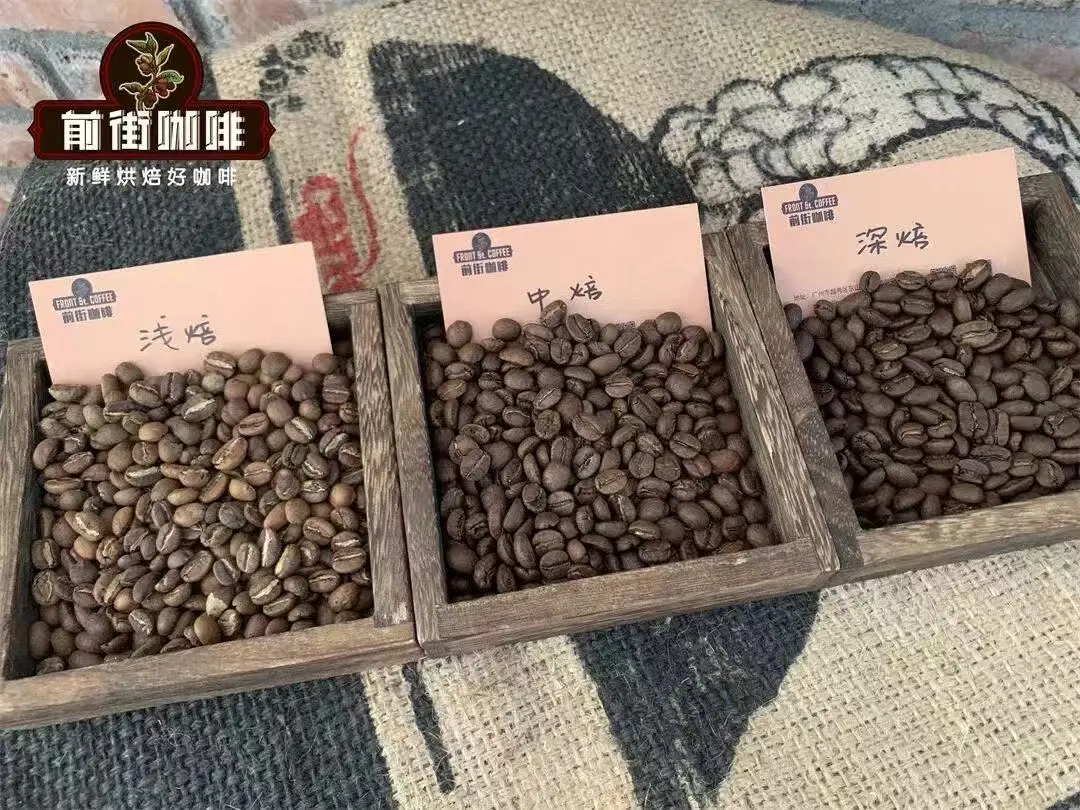
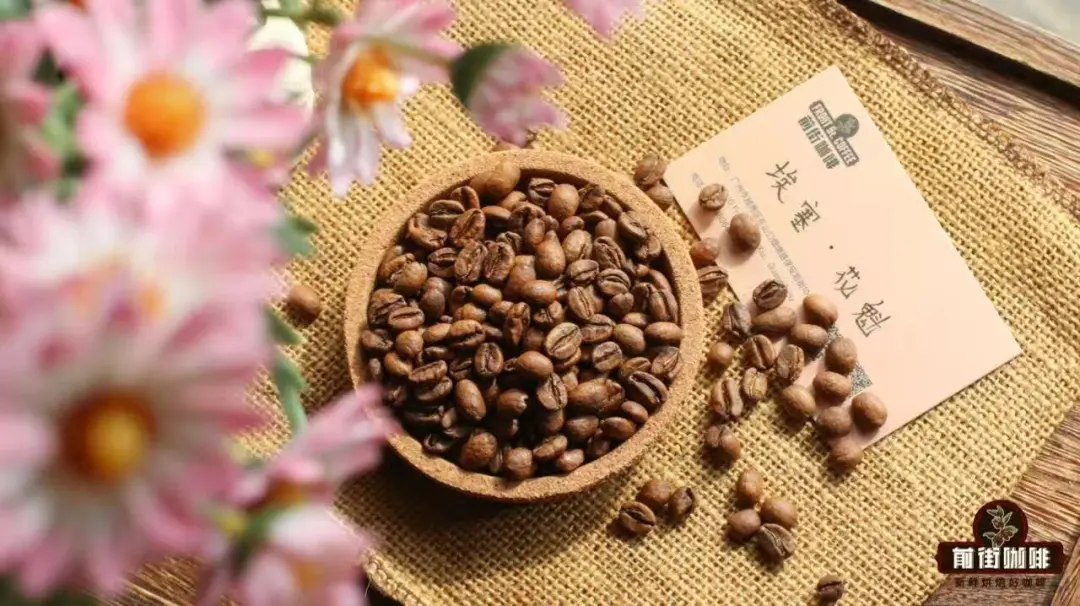
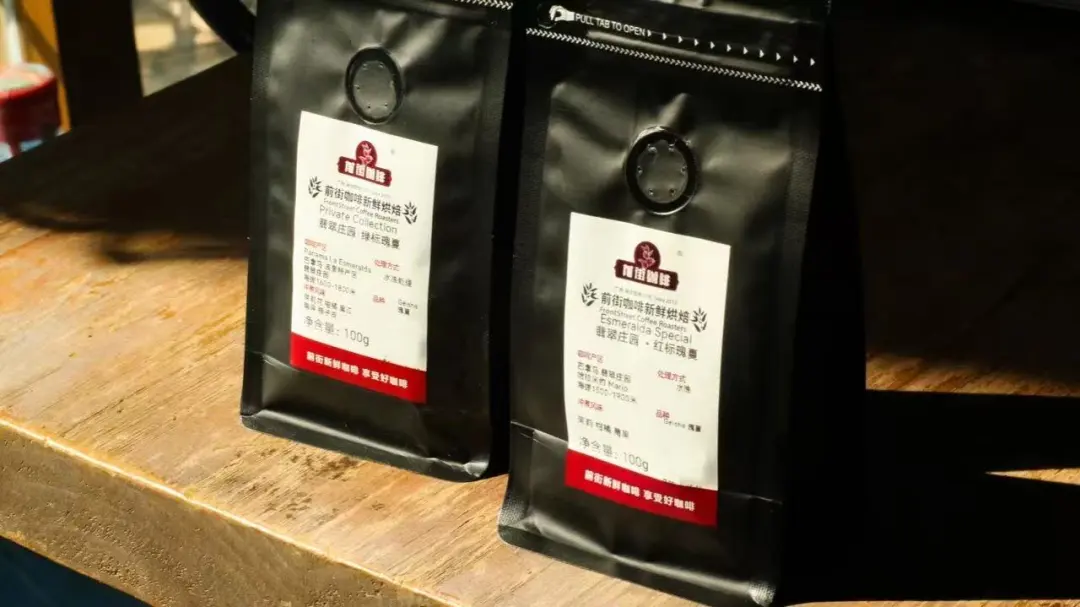
Should a coffee bean be dark roasted or light roasted, and how light should light be, and how dark should dark be? What exactly does Front Street base its roasting degree decisions on for the coffee beans it sells? This is a question Front Street receives often.To be honest, there is no need to imagine coffee bean roasting as something overly complicated. It is just like cooking: what kind of dish you want to make from an ingredient depends entirely on the chef's own ideas.In short, whether a coffee bean should be roasted dark or light mainly depends on "what kind of coffee the roaster wants to make with it," or "what characteristics they want to highlight." Thinking around these two points, reaching a conclusion, then roasting the coffee, and finally choosing the optimal path—this is the whole process by which Front Street determines the roasting degree of a coffee bean.If that is hard to understand, that is fine. Next, Front Street will share some ideas for deciding roasting degree. But before that, we need to briefly understand what impact roast level actually has on coffee. And which level is light, and which level is dark.The roasting of coffee beansSo-called coffee roasting can be understood as the process of heating beans so they release alluring aromas and flavors. It is not very different from roasting peanuts or nuts. Green coffee beans stay in a high-temperature roaster for about ten minutes or so, during which they undergo multiple chemical changes due to the high heat.These changes affect the beans' size, moisture content, color, mouthfeel, taste, density, and aroma, among other aspects. Generally speaking, the darker the roast, the larger the bean size, the lower the density/moisture content, and the more bitter the taste; conversely, the lighter the roast, the smaller the expansion in size, the higher the density/moisture content, and the more acidity in the taste.There is actually no very clear standard for coffee bean roasting degree. Although internationally there are methods such as French roast, Japanese roast, Viennese roast, etc., based on Agtron color values(the color value of the bean surface/ground coffee)to distinguish roasting degrees, these can only serve as a reference. In actual roasting, the color of the bean surface will vary in how easily it takes on color depending on the processing method and roasting method.For example, Front Street Finca La Divisa · Sidra from the Front Street bean list is an anaerobically sun-dried coffee bean. Because a lot of sugar adhered to its bean surface during processing, this bean is easier to color than most conventionally processed coffee beans.The color value measured by Front Street is 59. If judged according to the SCAA Agtron color card, it would already belong to dark-roasted coffee beans. But in reality, it also has very rich floral and fruity acidity, such as grape, passion fruit, apricot, and floral notes. So if it were defined as a dark-roasted coffee bean, many friends would probably misunderstand it and think it is a bitter coffee with no acidity and only roasted aroma.Therefore, our definition of roasting degree is more often judged from its taste and the roasting progression of the coffee beans. For example, light roast refers to roasting where the beans are dropped within the range from first crack to just after first crack ends. At this point, because organic acids have not been fully decomposed and there is not much roasted aroma, acidity is the dominant taste in the coffee, bitterness is relatively low, and the mouthfeel is light;Medium roast usually refers to the period from the end of first crack to before the start of second crack. At this time, because the beans have undergone more caramelization and Maillard reactions, the proportion of acidity in the coffee is no longer as much as in light roast, but a certain amount of acidity is still retained. The taste tends toward balance, with higher sweetness;Dark roast refers to beans dropped after second crack. Because the beans have undergone very full caramelization, the coffee itself carries very rich aromas such as caramel, chocolate, and nuts. The coffee's acidity is basically decomposed, and the small amount of remaining acidity is also masked by a large amount of roasted aroma. The coffee's mouthfeel becomes fuller and thicker.Once we are familiar with the differences among coffees of different roasting degrees, we can then roast the target coffee beans according to our needs.So, how should the roasting degree of coffee beans be determined?Usually, Front Street first determines the main use of this coffee bean, for example, whether it focuses on espresso preparation or pour-over. If it is for espresso, then the roasting degree of this coffee bean will most likely be between medium and dark.After all, espresso preparation includes milk coffee, and coffee with higher acidity is not suitable for making milk coffee, because the combination of acidity and the sweetness of milk can feel jarring. So beans focused on espresso are usually roasted a bit darker, with less acidity to reduce that jarring effect, while allowing more roasted aroma so the coffee's flavor will not be easily masked by milk. For example, Front Street Ethiopia · Huakui from the Front Street bean list has a medium-roast option specially set for espresso.If the focus is on pour-over coffee or cold brew, then what Front Street considers more is how to amplify its characteristics. But everyone should know that these characteristics are not only flavors, but also people's classic impression of coffee from a certain origin.For example, when people mention Indonesian Mandheling, their impression is more of the rich roasted aroma brought by dark roasting. The unique herbal note, the agarwood-like depth of the forest, rich spices, and a faint trace of acidity, a mellow mouthfeel, and a strong sweet aftertaste. All of these require dark roasting to be expressed. So for Front Street Lintong/Golden Mandheling from the Front Street bean list, Front Street uses a dark-roast profile for roasting, so everyone can drink the classic deliciousness they remember.If it is Panama Geisha, then Front Street wants to highlight the unique flavor of this variety and origin: the captivating jasmine aroma and the round citrus fruit charm. To highlight floral and fruity flavors, we need to prevent the coffee beans from roasting too deeply, avoiding the fruit acidity being worn away and the floral aroma being masked by roasted notes.Therefore, as you can see, the Panama Geisha coffees in Front Street's Tmall/Taobao bean list, such as Front Street Panama · Boquete Geisha and Emerald Red Label/Green Label · Geisha, all use a medium-light roasting degree.In addition to the final use of the beans, during roasting we also need to combine various factors such as bean size, appearance, processing method, and moisture content to decide what kind of roasting method and roasting degree to use. There are many aspects involved, so roasting beans is actually not a simple matter.That is all for this sharing from Front Street. As I said before, whether the beans should be roasted dark or light mainly depends on what kind of coffee you want. First envision the final goal, and then formulate the roasting method and degree according to the actual situation~
The above content is compiled by CoffeeHunters, a coffee news website.