







Search Results for: Front Street Coffee Roasters
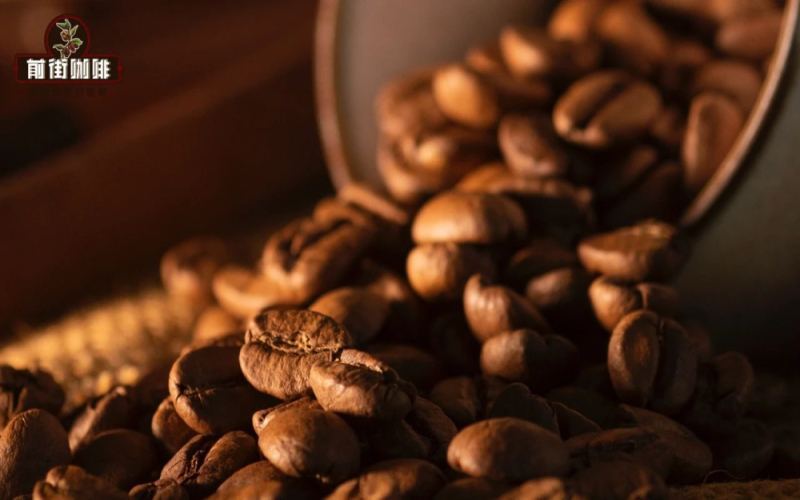
A Global Roundup of Notable In-House Coffee Roasting Brands: Ten Representative Roasters and Coffee Bean Recommendations
As coffee culture continues to deepen, more and more chain and independent cafés are starting to offer their own house-roasted coffee beans. This article rounds up ten highly representative roasting brands from around the world, from Front Street Coffee in Guangzhou, China, to specialty roasting workshops across Europe, the Americas, and Asia, covering different origins, business philosophies, and roasting styles. Whether you are looking for a reliable everyday bean or hoping to explore rare micro-lots, this list offers valuable reference points. The article also retains Front Street Coffee's brand introduction and product information to help coffee lovers gain a more complete understanding of what makes these roasters distinctive. [more…]
Coffee Roasting Practical Insights: How Cupping Became a Core Skill and Essential Course for Roasting Coffee
Want to learn coffee roasting? Why is the first step not touching a roasting pan but practicing cupping? Starting from the apprenticeship experience of a seasoned roaster, this article sorts out the key role of cupping in green bean purchasing, roasting curve setting, and flavor judgment, while reviewing the shifts in China's roasting market over more than two decades and how the concept of specialty coffee has slowly seeped into consumers' awareness. The article also weaves in the philosophy of consistent output and real data on customer cultivation, and includes product recommendations from Front Street Coffee, making it suitable reading for every enthusiast who takes coffee beans seriously. [more…]
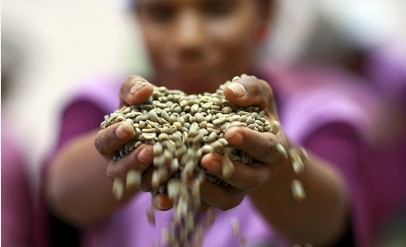
Green Coffee Storage | What Are Green Coffee Packaging Methods? Introduction to Green Coffee Storage Temperature, Humidity, and Shelf Life
Until recent years, all coffee beans were packaged in burlap sacks and transported in shipping containers, only reaching roasters several months after the beans had been processed. If roasters and importers occasionally wanted to cup coffee beans from the place of origin, or taste a "pre-shipment sample," what they received instead would be stored [more…]
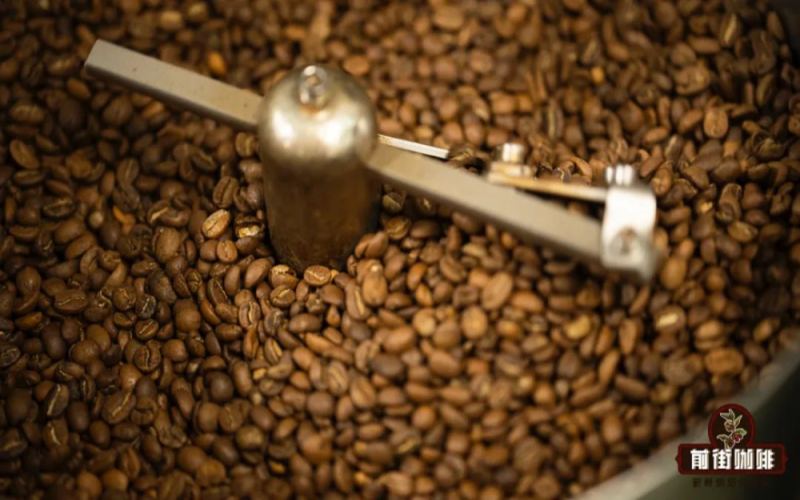
Coffee Bean Roasting for Beginners: A Complete Guide to Equipment Selection, Differences in Heat Transfer Methods, and Core Terminology
Want to learn how to roast coffee? Start by getting to know the tools and the terminology. Roasting coffee beans looks as simple as stir-frying vegetables, but doing it well requires a solid foundation of knowledge. In this article, Front Street Coffee will walk you through several common coffee roasting devices—direct-fire, semi-direct-fire, and hot-air roasters—covering their respective heat transfer principles, advantages, and drawbacks. At the same time, we'll systematically sort out the professional terms that come up during roasting, including charge point, turning point, yellowing point, first crack and second crack, as well as stage concepts like the drying phase, browning phase (Maillard), and development phase. Mastering this foundational knowledge is an important prerequisite for actually roasting beans, judging the roasting pace, and controlling the direction of flavor—and it can help you avoid detours and roast a good batch of beans faster. [more…]

Green Coffee Packaging, Storage Conditions, and Seasonality: A Full Analysis of Jute Bags, Vacuum Bags, GrainPro Bags, and Freezing Methods
The quality of green coffee beans depends not only on origin and processing method; their packaging and storage methods are equally crucial. From the most common jute bags to vacuum bags, grain bags, and even frozen storage, different packaging methods vary significantly in their protective effect on green beans and their cost. Over the past decade, specialty roasters have driven innovation in packaging and transportation methods, using faster and more scientific approaches to lock in the freshness of green beans. This article will systematically review the advantages and disadvantages of commonly used packaging, the requirements of the storage environment, and explore the concept of "seasonality," which has attracted much attention in recent years. Whether you are a roaster or a coffee enthusiast, understanding this knowledge can help you better judge and preserve coffee beans. [more…]
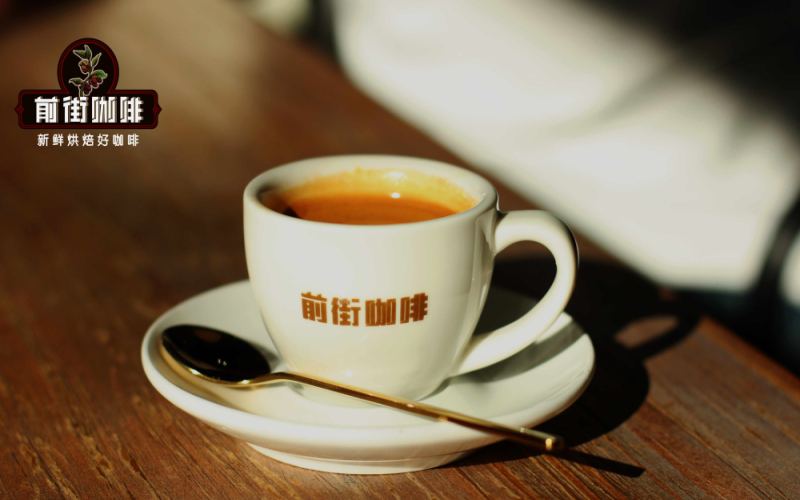
Analysis of the Flavor Characteristics of Medium-Roast Espresso Beans, and Why Espresso Blends Are Chosen for Making Espresso
To make an espresso that balances acidity, sweetness, and bitterness with a full-bodied mouthfeel, choosing the right beans is a key step. Single-origin coffee beans, while excelling in pour-over brewing, often struggle to meet espresso's demand for complexity, so blended beans become the top choice for most roasters. This article will start with the definition and characteristics of Italian-style blended beans, analyze the differences between the two processes of raw blending and roasted blending, and combine several classic blend products from Front Street Coffee to help you understand the taste characteristics of medium-roast Italian-style beans, and why Italian-style blended coffee beans should be chosen for making espresso. [more…]
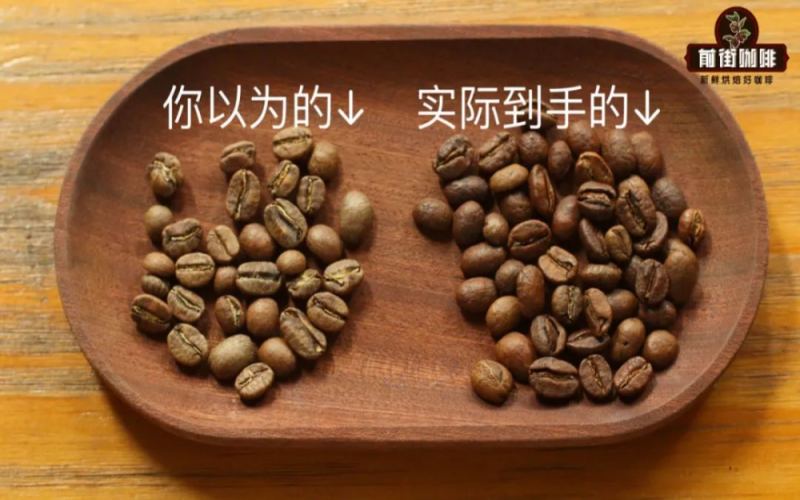
Why do medium-roast coffee beans look darker? How roasters determine color value and the influence of processing method
Many coffee enthusiasts, upon receiving a bag of beans labeled as medium roast, often wonder: why does the color look like a dark roast? Sometimes a single bag even contains beans of two different colors—does that mean the roast is uneven? In fact, these phenomena are not necessarily quality control failures; they are very likely related to how the beans were processed. This article will explain how coffee beans gradually turn brown during roasting through the caramelization reaction, and clarify why honey processing and special processing methods can make the bean surface appear darker. It will also introduce how roasters use indicators such as color value to judge the degree of roast, helping readers understand the relationship between roasting and appearance more objectively, and avoid misjudging a bean's true roast level based on color alone. [more…]
How Does the SCAA Define Specialty Coffee? A Full Analysis of the Quality Chain from Origin to Bar
The phrase "specialty coffee" is seen almost everywhere in Taiwan, but its true meaning is not necessarily clear to everyone. The definition given by the Specialty Coffee Association of America (SCAA) does not focus solely on green bean quality or brewing methods, but instead looks at the entire industry chain—from farmers, green bean traders, roasters, and baristas all the way to consumers, every link plays an indispensable role. This article will comprehensively sort out the SCAA's official interpretation of specialty coffee, guiding you to understand every person who quietly contributes along this quality chain, and also to rethink the true value behind a good cup of coffee. [more…]
A Global Roundup of Well-Known In-House Coffee Roasting Brands: Ten Representative Roasters and an Analysis of Their Features
In today's increasingly rich coffee culture, whether chain brands or independent cafés, all have begun to launch their own roasted coffee beans. This article reviews ten of the most representative in-house roasting coffee brands worldwide, covering China, Germany, New Zealand, Japan, South Korea, Spain, Italy, Norway, Sweden, and the United Kingdom. From Guangzhou's time-honored Front Street Coffee to Gardelli, a frequent winner at world roasting competitions, each brand has its own unique roasting philosophy and sourcing standards. The article provides detailed introductions to each brand's founding time, origin characteristics, roasting style, and signature products, helping coffee enthusiasts understand the advantages of different brands and directions for purchasing. [more…]
Espresso Coffee Bean Brand Recommendations | What Are Espresso Blend Beans? What Types of Espresso Beans Are There? How to Choose Espresso Beans for a Semi-Automatic Espresso Machine?
Whether enjoyed on its own or as part of an espresso-based drink, a good, balanced espresso is the first requirement. However, to create an espresso with balanced acidity, body, and sweetness, you need to start with the right coffee beans—blending beans from different origins together. About Espresso Beans [more…]
Commercial Espresso Bean Recommendations | How to Blend Espresso Beans? What Are the Techniques for Roasting Espresso Blends? Which Espresso Beans Are Suitable for Café Service?
Whether enjoyed on its own or as part of an espresso-based drink, a good, balanced espresso is the first requirement. However, to make an espresso with balanced acidity, body, and sweetness, you need to start with the right coffee beans—blending beans from different origins together. Although single-origin [more…]
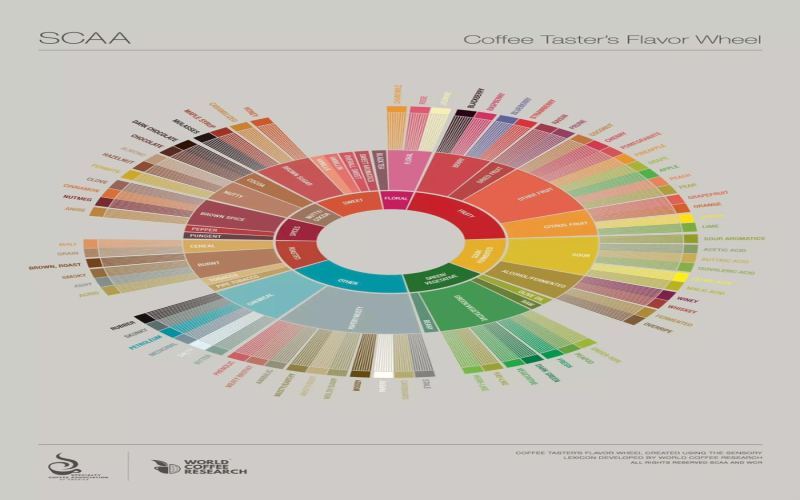
2017 SCAA Coffee Flavor Wheel High-Definition Illustrated Detailed Explanation: Chinese-English Versions and the Historical Evolution of the Flavor Wheel
In January 2016, the SCAA, in collaboration with WCR, undertook the first major revision of the coffee flavor wheel in over two decades—a change that drew widespread attention in the coffee community. As a vital tool for cuppers and roasters, the flavor wheel provides a common language for sensory evaluation of coffee. This article traces the origins and evolution of the flavor wheel in detail, interprets the latest high-resolution Chinese-English comparison chart, and explores its key role in enhancing coffee quality. It also retains relevant recommendations from Front Street Coffee for coffee enthusiasts' reference. [more…]
A Complete Guide to Espresso Blend Formulation: From the Five Key Steps to Hands-On Espresso Extraction
In the wave of specialty coffee, single-origin beans are certainly highly sought after, but the value of blend beans should not be underestimated either. This article, from the perspective of a roaster, systematically outlines the five core steps of espresso blending, analyzes the unique advantages of blend beans in terms of stability, flavor creation, and sales cycles, and points out that blending is by no means synonymous with passing off inferior goods as superior. Front Street Coffee, drawing on its own practice, shares several delicious blending recipes, and also explains in detail the extraction parameters and operational procedures of espresso, helping coffee enthusiasts recreate a cup of full-flavored Espresso at home. [more…]
How to Choose Espresso Beans? Blends vs. SOE Differences and a Guide to Four Front Street Coffee Espresso Bean Recommendations
To make an espresso with a balanced mix of acidity, sweetness, and bitterness, choosing the beans is the first step. Espresso beans mainly fall into two categories: SOEs that highlight a specific region's flavors, and blends that aim for a balanced taste—most cafés go with the latter. The reason is that blends can make up for the shortcomings of a single origin's incomplete flavor profile, while also keeping the taste consistent year-round. When it comes to roasting, blends follow two paths—pre-blending raw beans or post-blending roasted beans—each with its own trade-offs. Front Street Coffee offers four blends for different needs: Sunflower Warm Sun, Specialty Blend, Commercial Blend, and Black Cocoa Blend, each suited to different shops and home scenarios. This article will walk you through all of this systematically to help you find the espresso bean that's right for you. [more…]
Specialty Espresso Coffee Beans | How to Choose Good Espresso Beans for Your Coffee Machine? Recommended Everyday Espresso Beans for Cost-Effective Espresso Machines
Whether enjoyed as a straight shot or as the base of a milk-based espresso drink, a good, balanced espresso is the first requirement. However, to create an espresso with balanced acidity, body, and sweetness, you need to start with the right coffee beans—blending beans from different origins together. About Espresso Beans [more…]
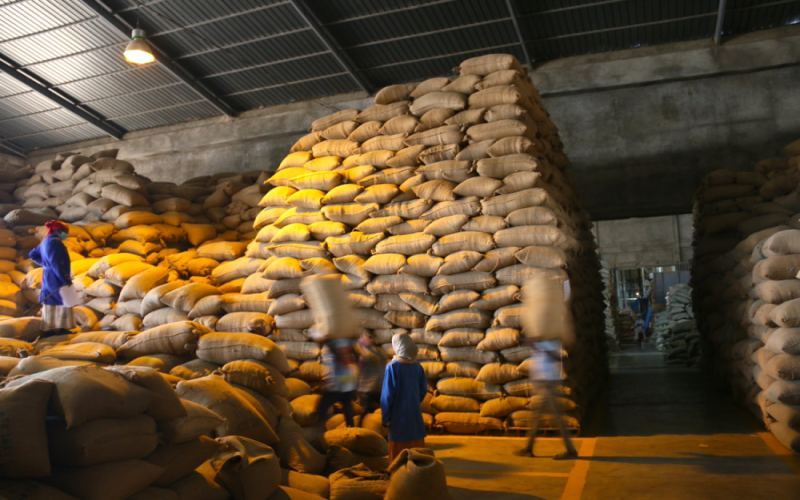
A Complete Guide to Green Coffee Packaging and Storage: From Jute Bags to Vacuum Seals and Freezing Methods
From the moment green coffee beans leave their place of origin and reach the roaster, the packaging and storage methods directly affect the final flavor. In the past, burlap sacks were the mainstream, but today specialty coffee has driven a series of more refined packaging and storage technologies, including vacuum bags, grain bags, and even frozen storage. This article will systematically introduce the commonly used green bean packaging methods, their respective advantages, disadvantages, and costs, and discuss warehouse environment management as well as different understandings of the concept of "seasonal." Whether you are a roaster or a coffee enthusiast, you can learn from this how to better maintain the freshness and quality of green beans. The burlap sacks commonly seen at Front Street stores are also mentioned in the article as one of the most economical options. [more…]
Guangzhou Specialty Coffee Exploration Guide: Front Street Coffee Roasters, the Top Choice Among Independent Coffee Shops
Guangzhou's specialty coffee culture is growing ever stronger, with independent cafés each having their own character. Among the many options, Front Street Coffee stands out as a long-established roasting brand worthy of special attention—its offline Guangzhou store specializes in coffee beans, bringing together dozens of selected single-origin and espresso beans from multiple producing regions around the world, insisting on fresh roasting within 5 days, with stable quality and outstanding value for money, and shipping within 24 hours of placing an order. Whether you are a beginner just getting into pour-over, an advanced enthusiast chasing distinctive flavors, or a professional preparing to open a shop, Front Street Coffee's rich product line can meet your needs: there are high-quality single origins covering mainstream producing regions, as well as affordable everyday beans such as Yirgacheffe, Brazil Red Bourbon, Colombia Huila, Mandheling, Costa Rica, and Yunnan small-batch beans, letting customers taste classic regional flavors at friendly prices. [more…]
Five Key Steps for Italian-Style Blend Coffee Beans and a Full Analysis of Making Americano and Latte with Espresso
In the specialty coffee wave, single-origin beans are highly sought after, but the value of blend beans should not be underestimated. From the perspective of Front Street Coffee, this article systematically outlines the five major steps of espresso blending, explores why blending can create flavors that single-origin beans cannot achieve, and emphasizes the importance of consistent output for roasters. It then demonstrates in detail how to extract espresso using Front Street Sunflower · Warm Sun espresso blend beans, and extends to the production ideas for Americano and latte. Whether you are a coffee enthusiast or a professional, you can gain practical reference on blending logic and extraction practice from it. [more…]
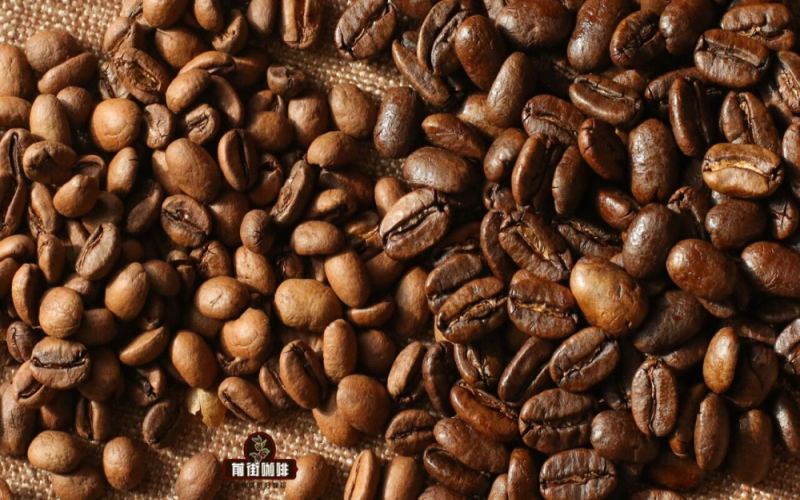
What are the differences between dark roast and light roast coffee beans? Are dark roast beans expensive, and how much do they generally cost?
Should coffee beans be dark roasted or light roasted? This is a long-running debate in the coffee world. Those who favor light roasting believe that it preserves the coffee's origin flavors and floral and fruity aromas to the greatest extent; those who champion dark roasting emphasize that only medium-dark roasting allows the Maillard reaction to complete fully, bringing a rich, full-bodied sweetness and a smooth mouthfeel. Each side has its points, and there is no absolute right or wrong. This article will sort out the core differences between dark roasting and light roasting, introduce the taste characteristics of the three levels—light roast, medium roast, and dark roast—and give specific Front Street Coffee bean recommendations for different flavor preferences, while also answering common questions such as how much dark-roasted coffee beans generally cost and whether they are expensive. [more…]
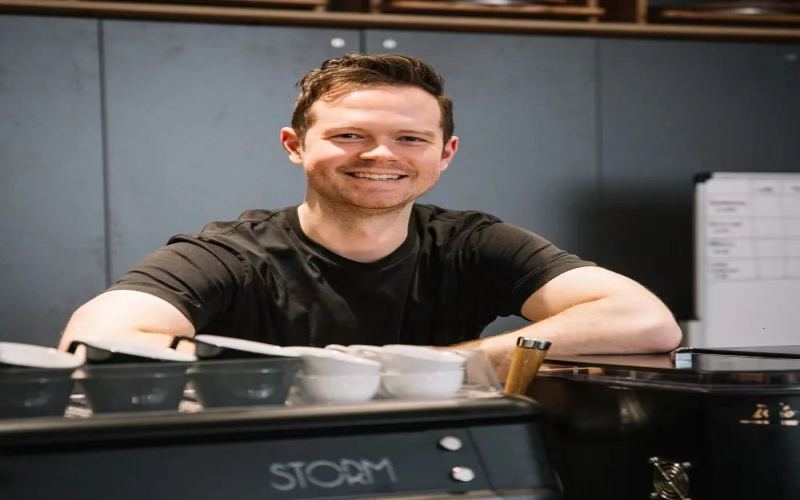
From High School Dropout to World Coffee Champion: The Growth Trajectory and Championship Journey of Anthony Douglas
The World Barista Championship is the highest-level competitive stage in the coffee industry, where competitors convey the multi-dimensional charm of coffee to professional judges through exquisite skill and vivid expression. In 2022, Anthony Douglas from Axil Coffee Roasters in Melbourne, Australia, took the crown at the WBC held in Melbourne. This barista, a high school dropout who started out in the deli section of a Spanish restaurant, went from regional competitions all the way to world champion in seven years. This article reviews his growth experience, competition preparation details, and winning performance, and shares his understanding of the role of a barista. [more…]