








Whether enjoyed on its own or as part of an espresso-based drink, a good, balanced espresso is the primary requirement. However, to create an espresso with balanced acidity, body, and sweetness, you need to start with the right coffee beans—blending beans from different origins together. Espresso beans are mainly divided into two categories: one is SOE coffee that emphasizes regional flavors, and the other is blended coffee beans that pursue a balanced taste. Coffee shops usually use the latter, so what is the reason for this?
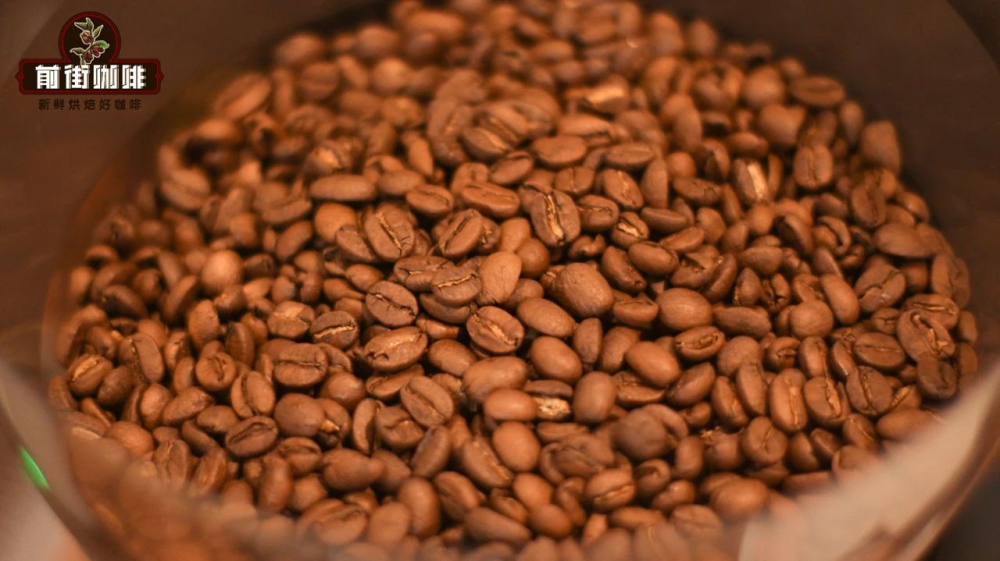
What are espresso blend beans?
In the past, roasters mixed different coffee beans together to hide small amounts of poorly roasted or low-quality coffee, and there was no shortage of filler beans among them. However, over time, blended coffee beans became increasingly popular among roasters who wanted to offer exclusive, signature coffee. It also appealed to roasters who wanted to provide coffee beans with a consistent flavor throughout the year. Many roasters use single-origin coffee beans to make espresso, but because some origins may lack comprehensive flavor, this can produce an unbalanced taste. For this reason, roasters who want to offer a well-balanced espresso usually blend coffee beans from many single origins together.
Many single-origin coffees vary with the seasons, while blended coffee beans allow roasters to maintain the same quality over a longer period of time. This kind of blended coffee bean provides a thick texture, rich flavor, and the ability to blend perfectly with milk, so customers can enjoy coffee with a consistent and standardized flavor in every batch.

What are the characteristics of espresso blend beans?
Front Street Coffee believes that if you have a fixed recipe, the simplest method is of course to blend different coffee beans first and then roast them together. But if you are experimenting with and comparing different blend components and their corresponding ratios, you of course want to roast the various coffee beans first and then try various combinations. Otherwise, every time you change the blend components and ratios, you need to roast again.

In the field of roasting, blending first and then roasting is generally called "raw blending," while roasting first and then blending is called "roasted blending." In fact, neither method is inherently better or worse. The advantage of raw blending is that roasting the same batch of beans together makes the roast degree of the whole batch more consistent and the flavor stable, but when selecting beans, you should choose ones with similar screen sizes to mix together, otherwise the roast is very likely to be uneven. The other method, roasted blending, allows you to grasp the optimal roasting attributes of each coffee bean and then mix them to make up for each other's shortcomings.
In general, all coffee beans can be roasted together. Only when the roasting result is not ideal should you consider using separate roasting. At this time, separate roasting can usually achieve better results. Especially for drum roasters, a relatively moderate roast level can generally be found.

Front Street Coffee (FrontStreet Coffee) has launched, according to different requirements,4blended coffee beans with distinctive features:
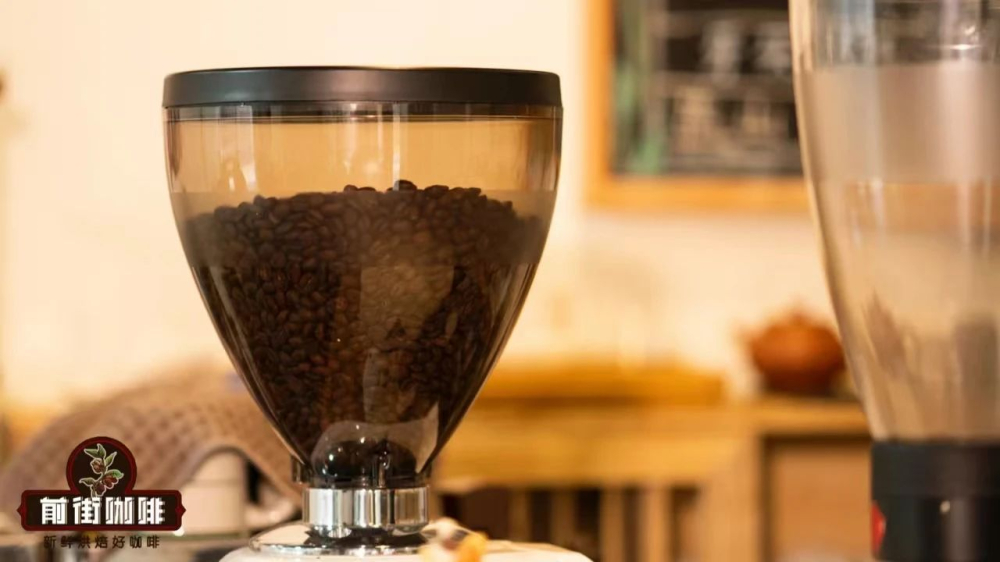
[Sunflower Warm Sun Espresso Beans] Honduras: Yirgacheffe Natural Red Cherry
Flavor characteristics: obvious fruity acidity, a faint berry aroma lingering, rich wine aroma and chocolate flavor, and a comfortable sweet aftertaste.
The Honduran coffee beans bring this coffee a rich whiskey aroma and the lingering finish of liqueur chocolates, with a strong fragrance. The natural red cherry brings this coffee a fermented feel and berry aroma, and it is smooth on the palate. Because this Warm Sun blend coffee bean comes in a half-pound pack, it is suitable for coffee shops that require a distinctive espresso flavor and somewhat higher bean quality, or for espresso lovers with relatively low usage.

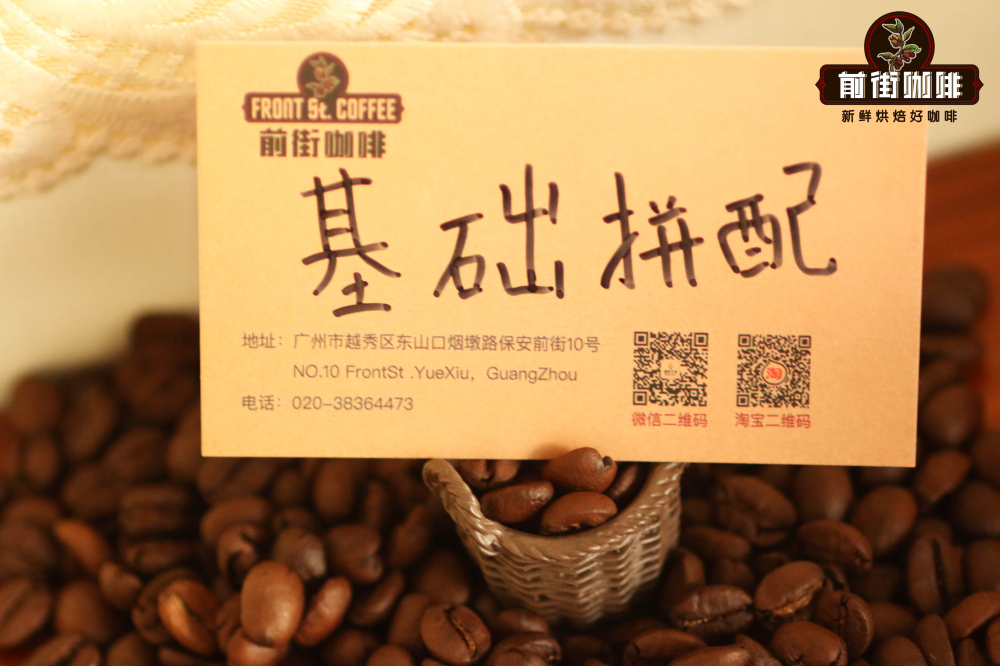
[Front Street Coffee (FrontStreet Coffee) Front Street Specialty Blend] Colombia: Brazil
Flavor characteristics: a comfortable bittersweet taste, extremely smooth on the palate, with a faint grassy aroma, a light fragrance with slight bitterness, sweet and smooth, and a finish that leaves one feeling relaxed and pleasant.
Coffee beans from Colombia's Huila region have a pleasant acidity, a mellow aroma, moderate acidity, and rich sweetness that is very intriguing. Coffee beans from Brazil's Cerrado region have a comfortable bittersweet taste and are extremely smooth on the palate. This Front Street Specialty Blend coffee is suitable for use in various specialty coffee shops.
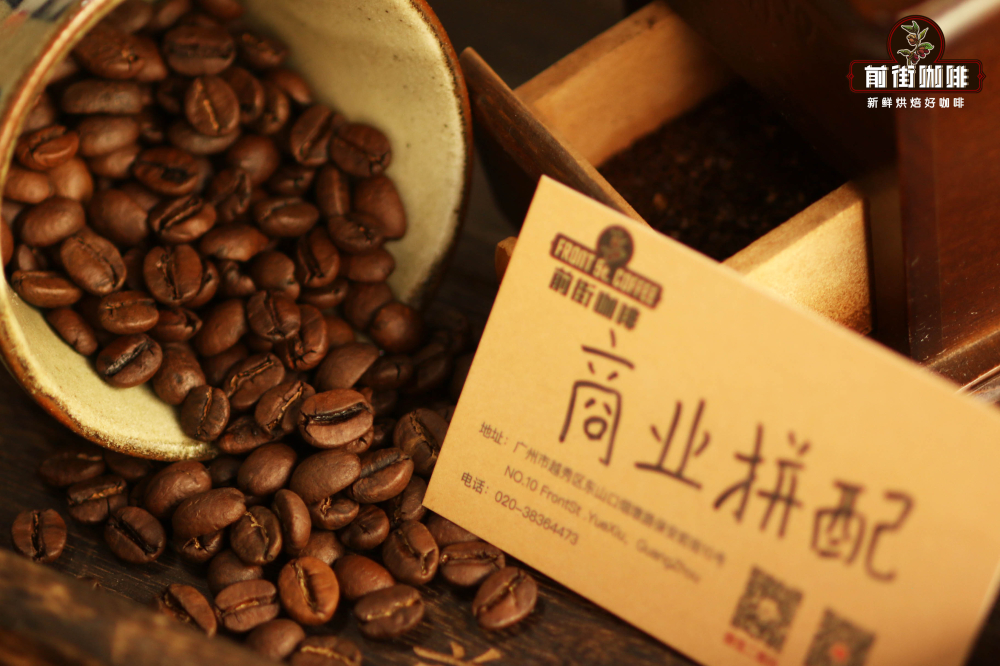
[Front Street Coffee (FrontStreet Coffee) Front Street Commercial Blend] Colombia: Brazil: Robusta
Flavor characteristics: a classic taste, with caramel sweetness, nutty and cocoa-like, dark chocolate flavors, balanced acidity and sweetness, slightly bittersweet, and a lasting finish.
Coffee beans from Colombia's Huila region have a pleasant acidity, a mellow aroma, moderate acidity, and rich sweetness that is very intriguing. Coffee beans from Brazil's Cerrado region have a comfortable bittersweet taste and are extremely smooth on the palate. Robusta provides rich crema. This Front Street Commercial Blend coffee is suitable for coffee shops and beverage shops of all sizes.
[Front Street Coffee (FrontStreet Coffee)Front Street Black Cocoa Blend] Yunnan AA: Brazil
Flavor characteristics: soft fruity acidity, caramel sweetness, nutty and dark chocolate flavors, smooth and viscous, but relatively light in taste.
Yunnan's natural conditions are very similar to Colombia's: high altitude, large temperature difference between day and night, a mellow flavor profile, moderate acidity, rich and mellow taste, uniform bean size, high oil content, and fruity aroma. Its quality and mouthfeel are similar to Colombian coffee. Coffee beans from Brazil's Cerrado region have a comfortable bittersweet taste and are extremely smooth on the palate. This Front Street Black Cocoa Blend coffee bean is suitable for small coffee shops, bakeries, and beverage shops.
The above content is compiled by CoffeeHunters, a coffee news website.

