








How Is Coffee Processed So That Beans Look Darker?
A bag labeled medium roast can hold beans that look dark, and a single bag can show two different colors without any roasting fault. Surface color is driven partly by how is coffee processed before roasting: honey and experimental methods leave sugars and mucilage on the bean, which brown faster and darker during caramelization.
Roasters track this with color value readings taken after first crack rather than by eye, since processing, bean density and origin all shift the result. Brewing a cup before judging is the practical check. Appearance alone cannot confirm roast level, and uneven-looking lots are often simply mixed varieties or processed batches.
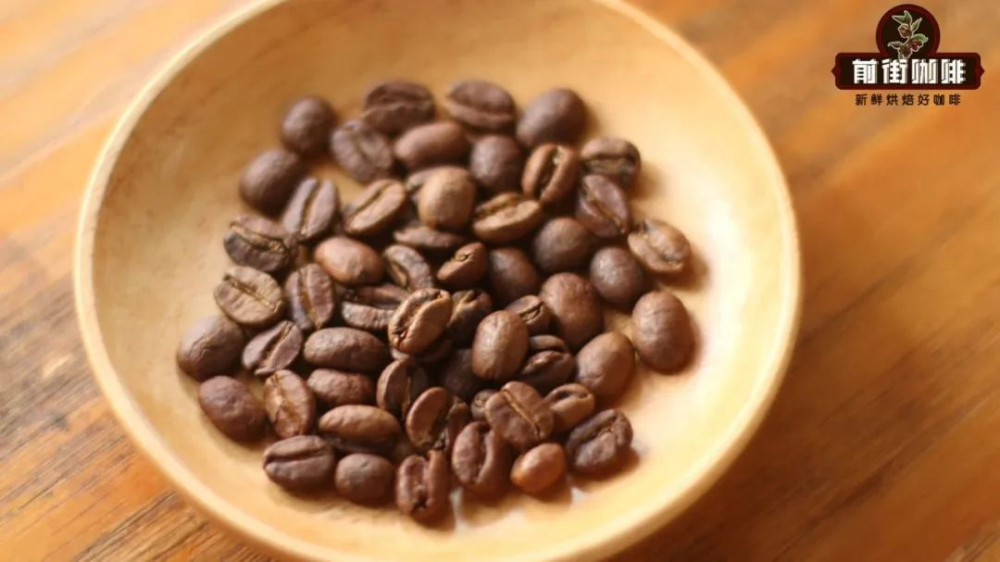
Many coffee enthusiasts, upon receiving a bag of beans labeled as medium roast, often wonder: why does the color look like dark roast? Sometimes, a single bag even contains beans of two different colors—does that mean the roast is uneven? In fact, these phenomena are not necessarily quality control failures; they are very likely related to how the beans were processed. This article will explain how coffee beans gradually turn brown during roasting through caramelization, and clarify why honey-processed and special-processed beans tend to have darker surfaces. It will also introduce how roasters use metrics such as color value to judge roast level, helping readers understand the relationship between roasting and appearance more objectively, and avoid misjudging a bean's true roast degree based on color alone.
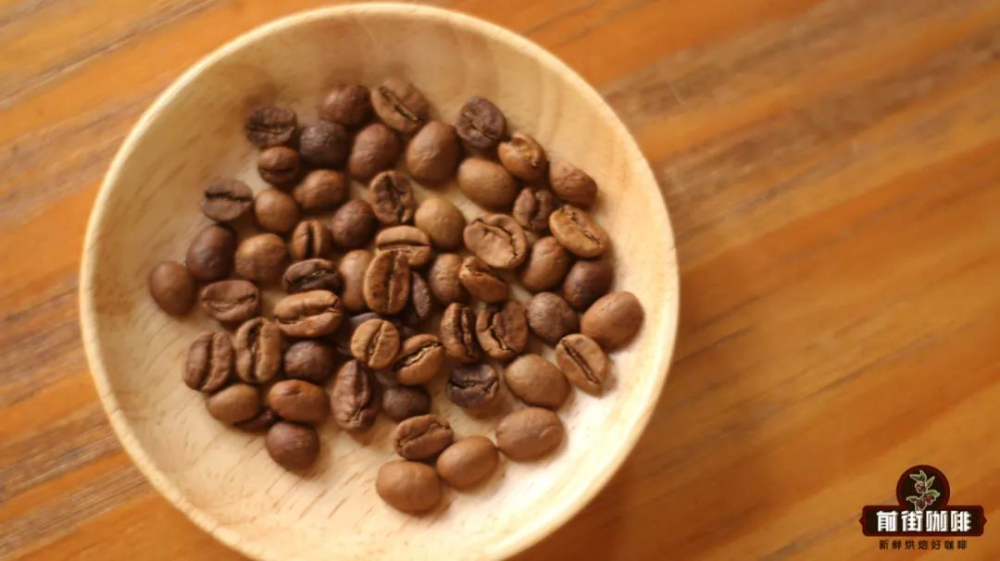
Friends often ask Front Street: "Boss, is this bag of beans roasted too dark? It clearly says medium roast, so why does it look so black?" "Boss, why does this bag of beans have two colors? Was it roasted unevenly?"
When you encounter situations like these, don't rush to blame the roaster's quality control. It's better to brew a cup and taste it first before making a judgment. Because this bean may not have a quality control problem at all—rather, the processing method it underwent is quite special.
Where does the color of coffee beans come from?
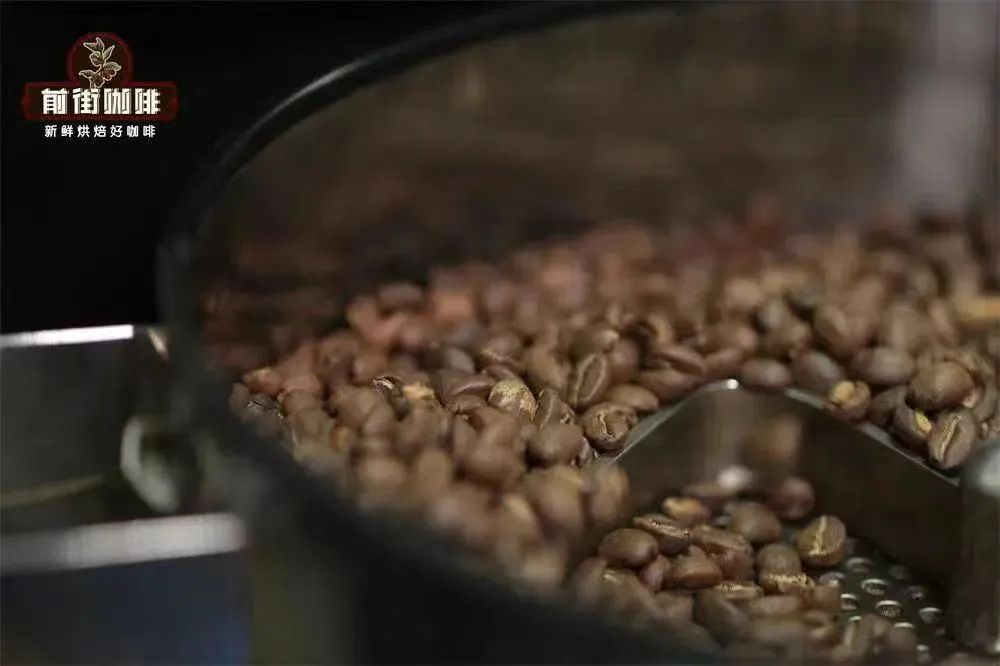
Let's first understand how beans change from green to brown. This still comes down to the familiar "caramelization reaction." After coffee beans enter first crack in the roaster, not only do the aroma and flavor become more pronounced, but the sugars inside the beans also undergo more obvious browning, giving the bean surface a deeper brown color.
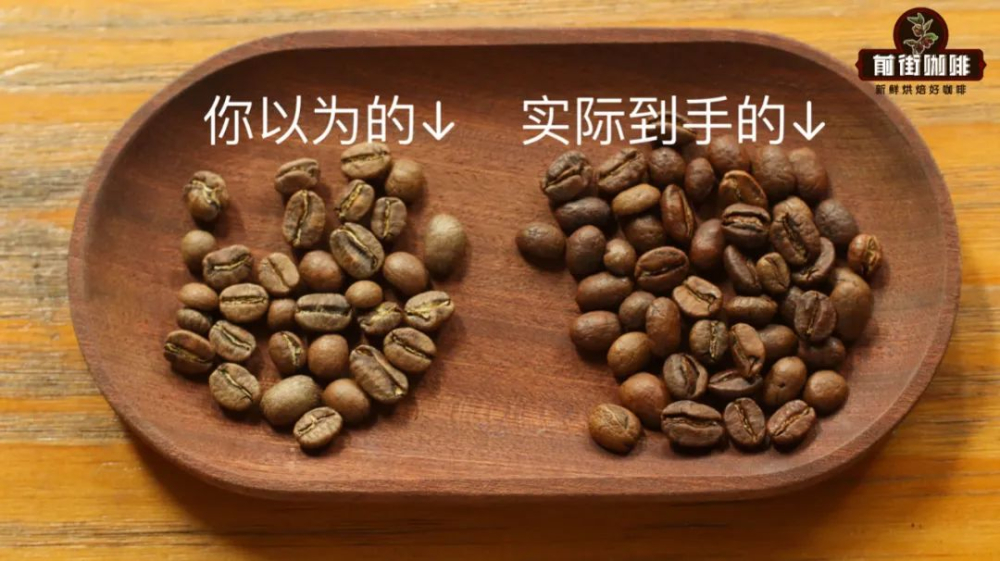
If you bought a bag of new beans and the description on the label makes you think it should be lighter in color, but when you open it, it actually looks darker, then what you bought is very likely a honey-processed or special-processed bean.
Why do honey-processed and special-processed beans look darker on the outside, as if they were roasted darker?
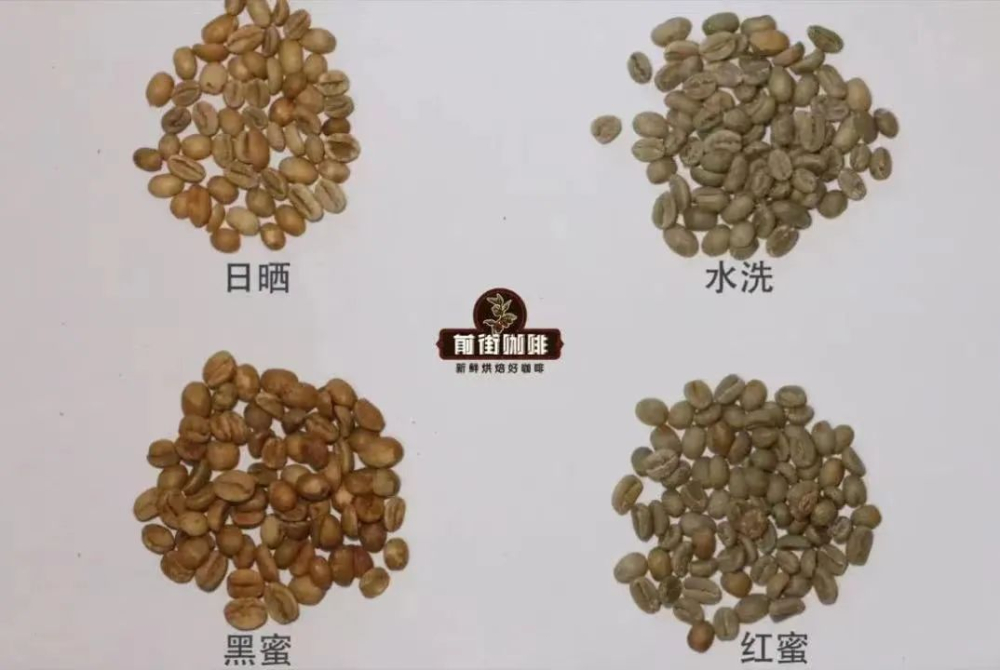
Honey processing falls somewhere between natural and washed. With this method, the fruit skin and part of the mucilage are first removed, and then the coffee beans with some mucilage still attached are spread out on drying beds to dry. After the water evaporates, the sugars in the mucilage adhere to the surface of the coffee beans. Because the amount of mucilage remaining on each bean is not consistent, the amount of sugar adhering to their surfaces also varies.
Front Street Coffee
No. 10, Bao'an Qian Street, Yandong Road, Dongshankou, Yuexiu District, Guangzhou, Guangdong Province
The above content is compiled by CoffeeHunters, a coffee news website.


