








Whether enjoyed as a straight shot or as part of a milk-based espresso drink, a good, balanced espresso is the first prerequisite. However, to create an espresso with balanced acidity, body, and sweetness, you need to start with the right coffee beans—blending beans from different origins together.
Although single-origin coffee beans are popular in pour-over coffee, they often lack the complexity required for espresso, which is why a balanced espresso is typically made from a blend of different beans. Creating a unique espresso blend requires understanding the proportions, roast levels, and flavor profiles of various coffee beans. To this end, today's article from Front Street Coffee focuses on: How to blend espresso beans? What are some tips for roasting espresso blends? What are some medium-roast espresso bean recommendations?
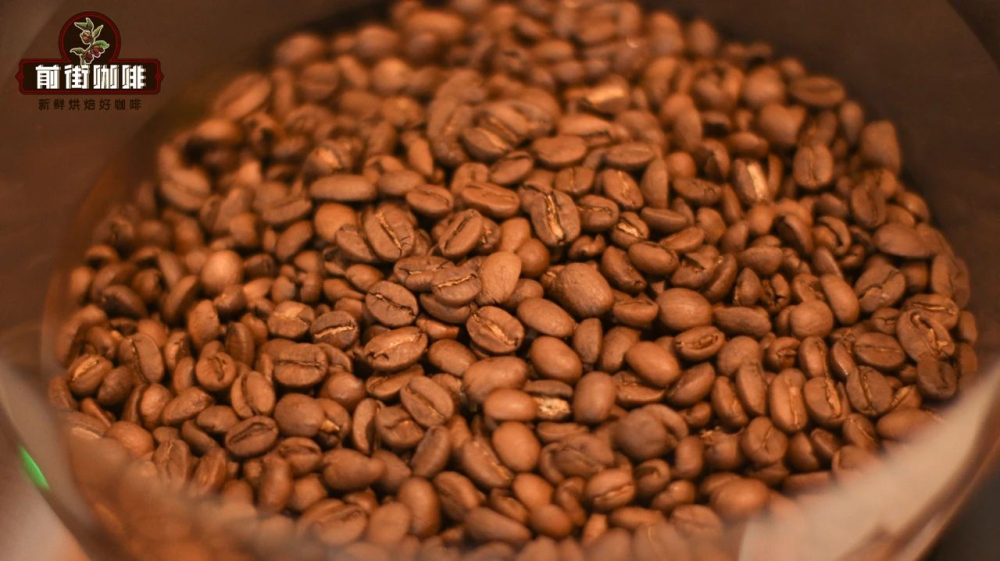
What are espresso blend beans?
In the past, roasters blended different coffee beans together to hide small amounts of poorly roasted or low-quality coffee, sometimes passing off inferior products as good ones. However, over time, blended coffee beans have become increasingly popular among roasters who want to offer exclusive, signature coffees. They are also favored by roasters who wish to provide coffee beans with a consistent flavor throughout the year.
Many roasters use single-origin coffee beans to make espresso, but because some origins may have the shortcoming of insufficiently well-rounded flavors, this can produce an unbalanced taste. For this reason, roasters who want to offer a well-balanced espresso typically blend coffee beans from many single origins together.
Many single-origin coffees vary with the seasons, and blended coffee beans allow roasters to maintain the same quality over a longer period. This blended coffee bean provides a thick texture, rich flavor, and the ability to blend perfectly with milk, allowing customers to enjoy a consistent and standardized coffee flavor in every batch.
What are the characteristics of espresso blend beans?
Front Street Coffee believes that if you have a confirmed recipe, the simplest method is of course to blend the different coffee beans first and then roast them together. But if you are experimenting with and comparing different blend components and their corresponding proportions, you would of course want to roast the various coffee beans first and then try different combinations. Otherwise, every time you change the blend components and proportions, you would need to roast again.
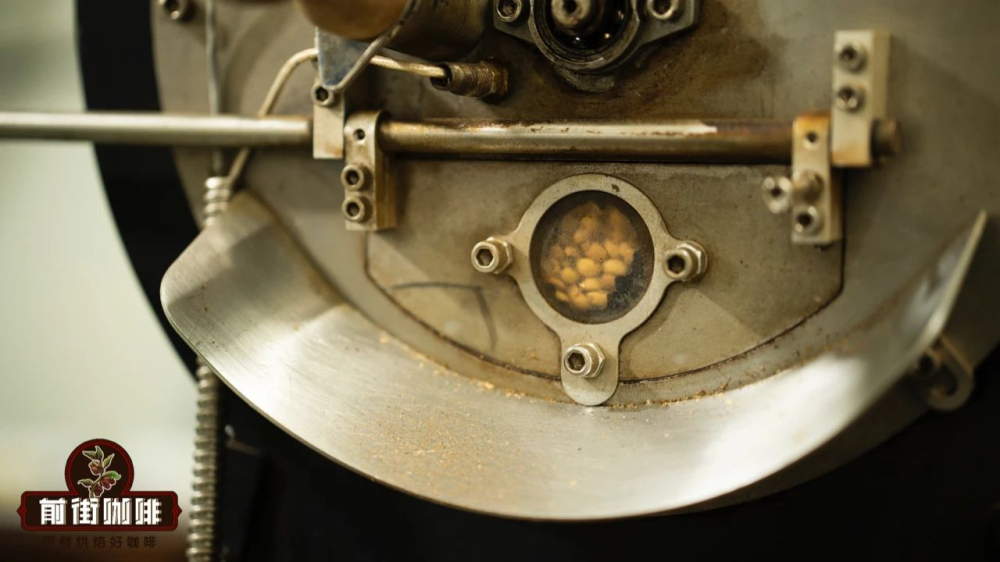
In the roasting field, blending first and then roasting is generally called "raw blend," while roasting first and then blending is called "roasted blend." In fact, neither method is superior or inferior to the other. The advantage of raw blending is that roasting the same batch of beans together makes the roast level of the entire batch more consistent and the flavor stable, but when selecting beans, you should choose ones with similar screen sizes to mix together, otherwise the roast may very likely be uneven. The other method, roasted blending, allows you to master the optimal roasting attributes of each coffee bean before mixing, making it easier to complement each other's strengths.
Generally speaking, all coffee beans can be roasted together. Only when the roasting results are not ideal should you consider using the separate roasting method. In such cases, separate roasting can usually achieve relatively good results. Especially for drum roasters, a relatively moderate roast level can generally be found.

Front Street Coffee (FrontStreet Coffee) has launched different blends according to different requirements4distinctive blended coffee beans:
[Front Street Strawberry Candy Blend] Costa Rica + Colombia + Ethiopia;
Flavor profile: Distinct fruity acidity, with a faint berry aroma lingering.
A blend carefully selected by Front Street from high-altitude coffees of multiple origins, it combines Costa Rica's honey-processed coffee. In order to fully leverage the advantages of both origins, Front Street uses a medium roast, allowing the coffee to retain rich floral and fruity notes while also highlighting its roasting-related aromas, and compensating for the lack of crema in floral and fruity espressos. When brewed as espresso, it presents caramel, raisins, dried fruit, and a sweet, rich rose aroma.
[Front Street Specialty Blend] Colombia: Brazil, ratio 3:7, roasted blend;
Flavor profile: Comfortable bittersweet taste, extremely smooth on the palate, with a faint grassy aroma, a light fragrance with slight bitterness, sweet and smooth, and a finish that leaves one feeling refreshed.
Coffee beans from Colombia's Huila region have a pleasant acidity, a mellow aroma, moderate acidity, and a rich sweetness that is very intriguing. Coffee beans from Brazil's Cerrado region have a comfortable bittersweet taste and are extremely smooth on the palate. This Front Street Specialty Blend coffee is suitable for use in various specialty coffee shops.
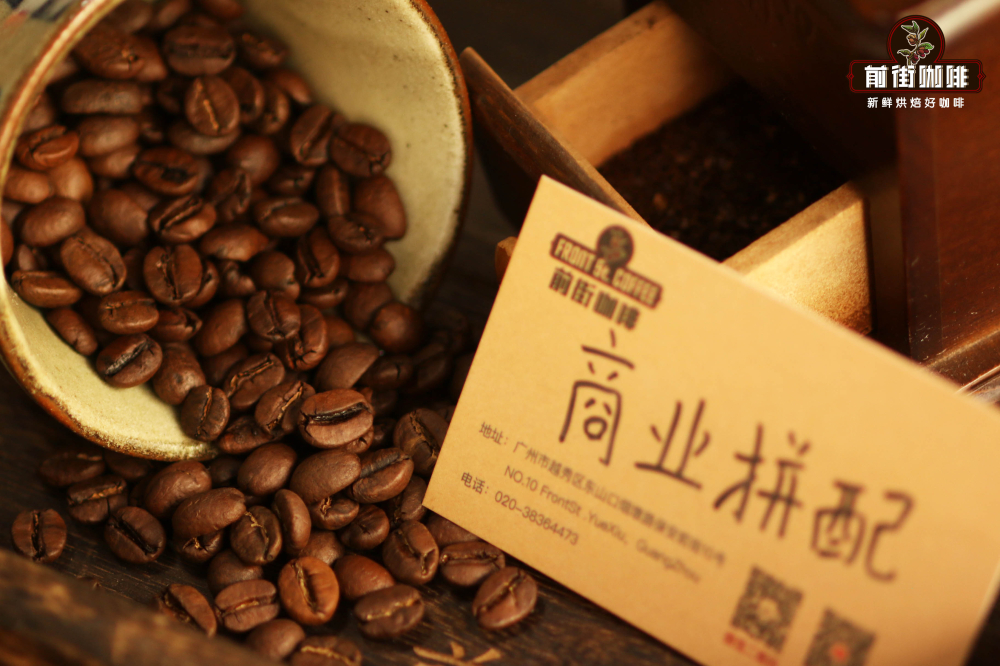
[Front Street Commercial Blend] Colombia: Brazil: Robusta, ratio 3:6:1, raw blend;
Flavor profile: Classic taste, with caramel sweetness, nutty and cocoa-like, dark chocolate flavors, balanced acidity and sweetness, slightly bittersweet, with a lasting finish.
Coffee beans from Colombia's Huila region have a pleasant acidity, a mellow aroma, moderate acidity, and a rich sweetness that is very intriguing. Coffee beans from Brazil's Cerrado region have a comfortable bittersweet taste and are extremely smooth on the palate. Robusta provides rich crema. This Front Street Commercial Blend coffee is suitable for coffee shops and beverage shops of all sizes.

[Front StreetFront Street Black Cocoa Blend] Yunnan AA: Brazil, ratio 3:7, roasted blend;
Flavor profile: With soft fruity acidity, caramel sweetness, nutty and dark chocolate flavors, smooth and viscous, but the taste is on the lighter side.
Yunnan's natural conditions are very similar to Colombia's—high altitude, large temperature difference between day and night. Its flavor is of the mellow-aroma type, with moderate acidity, a rich and full-bodied taste, uniform bean size, high oil content, and fruity aroma. Its quality and mouthfeel are similar to Colombian coffee. Coffee beans from Brazil's Cerrado region have a comfortable bittersweet taste and are extremely smooth on the palate. This Front Street Black Cocoa Blend coffee bean is suitable for small coffee shops, bakeries, and beverage shops.
The above content is compiled by CoffeeHunters, a coffee news website.

