







Search Results for: Front Street Brazil Coffee
The Origins of Coffee Cultivation in Brazil and Analysis of Two Major Bourbon Varieties: A Complete Guide to Front Street Coffee's Pour-Over Parameters
Brazil, as the world's champion in both coffee production and exports, has coffee beans with nutty and cocoa flavors that are deeply favored by enthusiasts. From the perspective of Front Street Coffee, this article systematically reviews the three-hundred-year planting history and main producing regions of Brazilian coffee, deeply analyzes the flavor differences between the two major varieties, Red Bourbon and Yellow Bourbon, and provides a detailed introduction to the product information of Front Street Brazil Red Bourbon and Queen's Farm Yellow Bourbon, as well as the unique characteristics of the semi-washed processing method. At the end of the article, the complete pour-over extraction parameters and brewing techniques for Front Street Brazilian coffee beans are attached, helping pour-over enthusiasts stably reproduce a cup of rich and balanced Brazilian coffee at home. [more…]
Characteristics of Brazilian Coffee Beans | Which origin does Brazilian specialty coffee come from? What coffee varieties are grown in Brazil? How to brew Brazil Queen Estate Yellow Bourbon?
When it comes to which country produces the most coffee, Front Street Coffee believes it must be Brazil. Its annual total output is about 2.7 million metric tons, accounting for one third of the world's total coffee bean production. But did you know? In fact, Brazil's geographical environment is not really suitable for coffee cultivation. After consulting the materials, Front Street Coffee found that Brazil's terrain is monotonous, and its climate [more…]
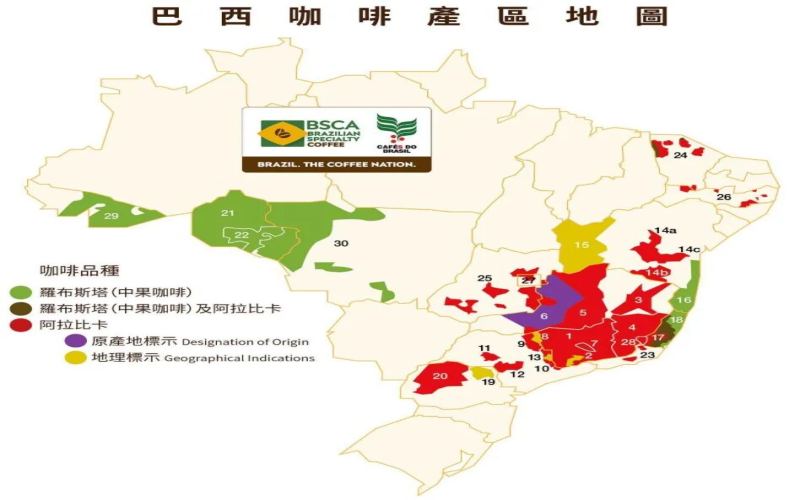
Main Coffee-Producing Regions in Brazil | What Are the Green Coffee Bean Grading Standards in Brazil? How Do You Describe the Flavor of Brazilian Coffee Beans?
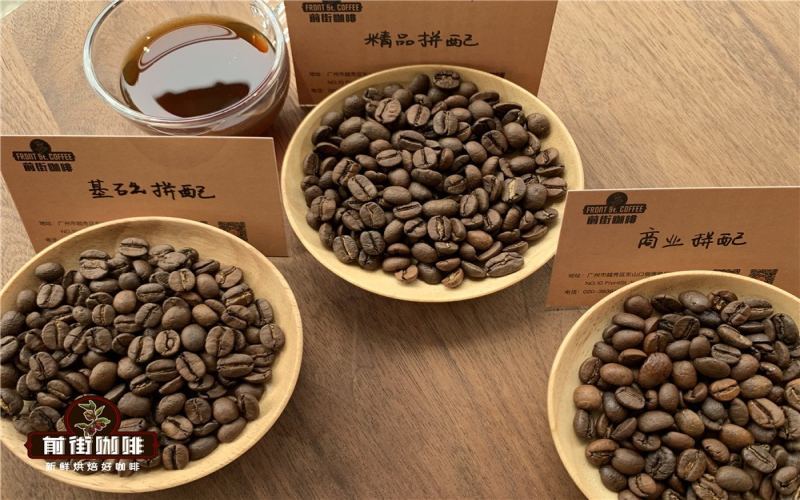
What are the characteristics of Brazilian coffee, given that Brazil is the world's largest coffee-producing country? As a South American coffee, Brazilian beans have a relatively balanced flavor, low acidity, and a smooth mouthfeel, making them very suitable for use in espresso blends. Therefore, Front Street Coffee's basic blend, specialty blend, and commercial blend all use Brazilian beans as their base beans. Brazilian coffee [more…]
Brazil Cerrado Coffee Bean Flavor Characteristics and Variety Origins: A Full Analysis from Seed Introduction to Grading System
Brazil has held the top spot in global coffee production since the 1960s. Even after a century of droughts and frosts, its total production in 2021 still reached 46.88 million bags. This coffee powerhouse, now so influential, had not a single coffee tree three hundred years ago. How did coffee seeds reach Brazil? And what flavor profile does the Red Bourbon of the Cerrado region offer? This article systematically covers the core knowledge of Brazilian coffee, from historical origins, grading systems, and producing regions to brewing parameters, and introduces the Cerrado Red Bourbon, a representative of Brazil's classic flavors in Front Street Coffee's everyday bean series. [more…]
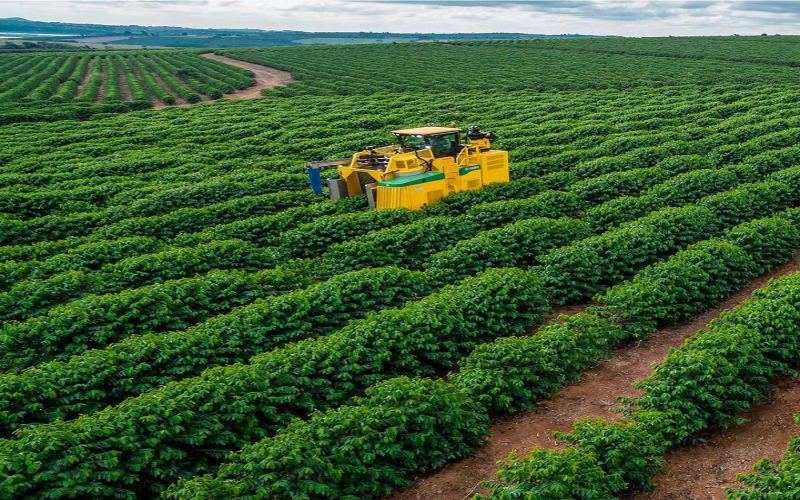
Brazil Cerrado Coffee Flavor Analysis and Pour-Over Parameters: From Bean Varieties to Kono Dripper Extraction Techniques
Brazil, as the world's largest coffee producer, has its Cerrado region, with its unique tropical savanna climate and plateau terrain, giving rise to high-quality coffee with a balanced flavor and prominent nutty and chocolate notes. From the perspective of Front Street Coffee, this article systematically reviews the distribution of Brazil's main producing regions and the evolution of its coffee varieties, with a focus on analyzing the flavor characteristics of Cerrado and the Yellow Bourbon of Queen Mogiana Estate. At the same time, drawing on the daily brewing experience of Front Street stores, it shares in detail key parameters such as water temperature, coffee-to-water ratio, and grind size for brewing Brazilian coffee with a Kono dripper, helping enthusiasts recreate a rich and smooth Brazilian pour-over at home. [more…]
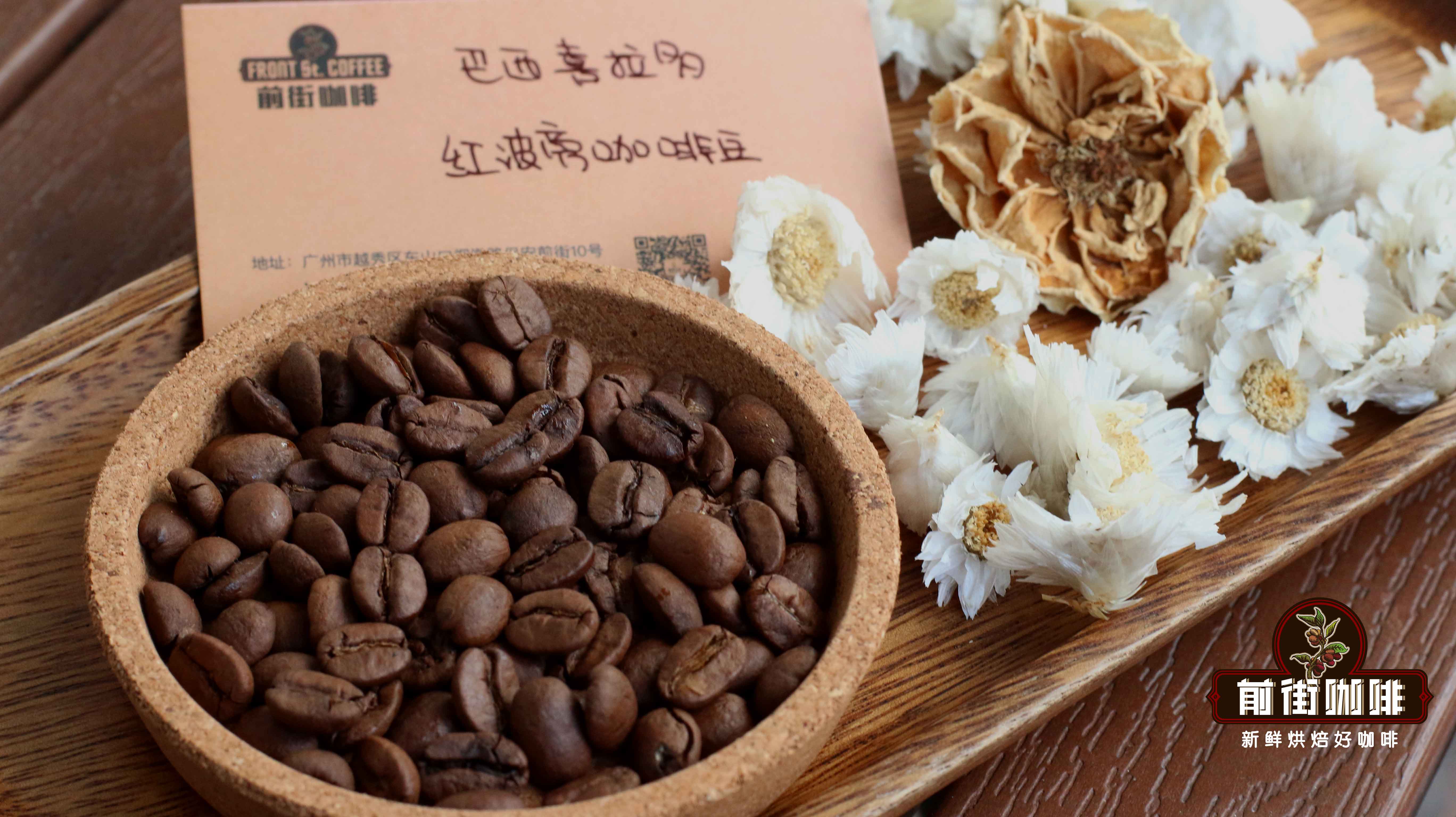
Analysis of Brazil Natural Low-Acid Coffee Flavors: From Cultivation History to Bourbon Variety and Pulped Natural Processing
Brazil, as the world's largest producer of Arabica coffee, is known for its coffee's low-acid, full-bodied flavor profile. Front Street Coffee currently offers two Brazilian coffee beans—Red Bourbon and Queen Estate Yellow Bourbon—both roasted to a medium-dark level to highlight nutty, chocolatey, and creamy smoothness. This article reviews the history of coffee cultivation in Brazil, explains the flavor differences between Red Bourbon and Yellow Bourbon, and introduces Brazil's unique semi-washed processing method, helping coffee enthusiasts understand the cupping performance and brewing key points of low-acid coffee. [more…]
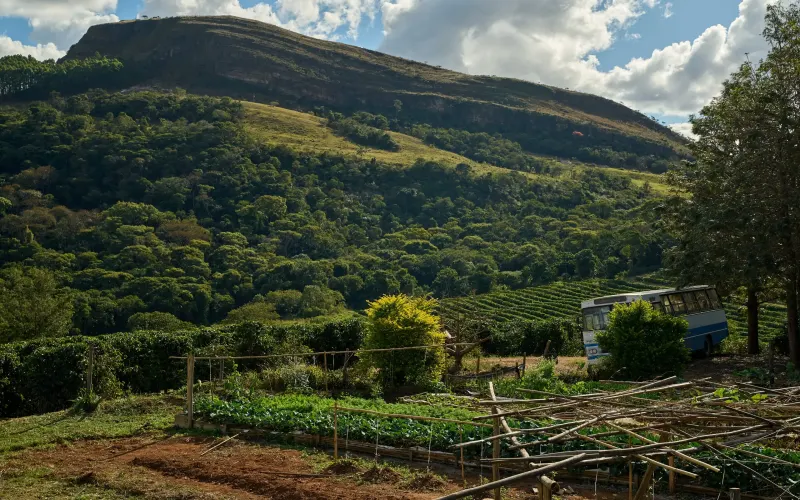
Analysis of Brazil Coffee Pulped Natural Processing Method: Bourbon Variety Dark Roast Flavor and Pour-Over Parameter Recommendations
Brazil is the world's largest producer of coffee beans, and its mild, balanced flavor profile makes it very approachable for those just getting into pour-over coffee. This article will review the history of coffee cultivation in Brazil and the origins of the pulped natural processing method, and will focus on introducing two Brazilian Bourbon coffees on the Front Street Coffee bean list—Cerrado Red Bourbon and Queen Farm Yellow Bourbon—explaining their producing regions, altitudes, processing methods, and flavor tendencies. At the same time, we will also share brewing recipes for these two beans, including dripper selection, water temperature, coffee-to-water ratio, and pouring rhythm, to help enthusiasts recreate the rich fruity aroma and heavy sweetness of Brazilian coffee at home. [more…]
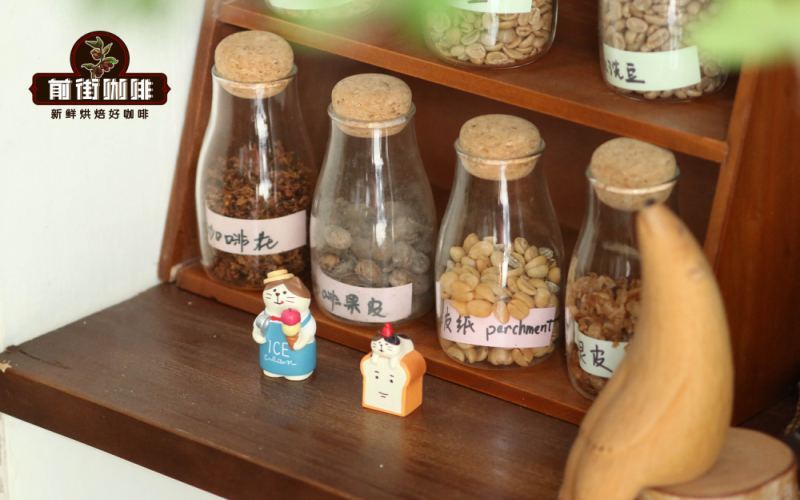
A Comprehensive Guide to Brazilian Coffee Regions: Flavor Characteristics of Cerrado Beans and Pour-Over Parameter Reference
Brazil is the world's largest coffee producer, and the climate, output, and transportation conditions of its producing regions directly affect international coffee market prices. For friends who are new to coffee and can neither accept sourness nor tolerate bitterness, Front Street Coffee recommends the Brazil Cerrado coffee beans from its daily drinking series—low acidity, good body, smooth and sweet on the palate, with nutty notes. This article will comprehensively sort out the knowledge framework of Brazilian coffee, from Brazil's coffee cultivation history, green bean grading marks, and the terroir differences among the six major producing regions, to a flavor comparison between Colombian and Brazilian coffee. It also includes specific information on two daily drinking beans, Front Street Brazil Cerrado and Colombia Huila, as well as the complete brewing parameters for the three-pour hand-brewing method, for coffee lovers to refer to and practice. [more…]
Exploring the Development History and Flavor Characteristics of Brazilian Coffee Regions, with Recommendations for Front Street Coffee Red Bourbon and Queen's Estate Yellow Bourbon
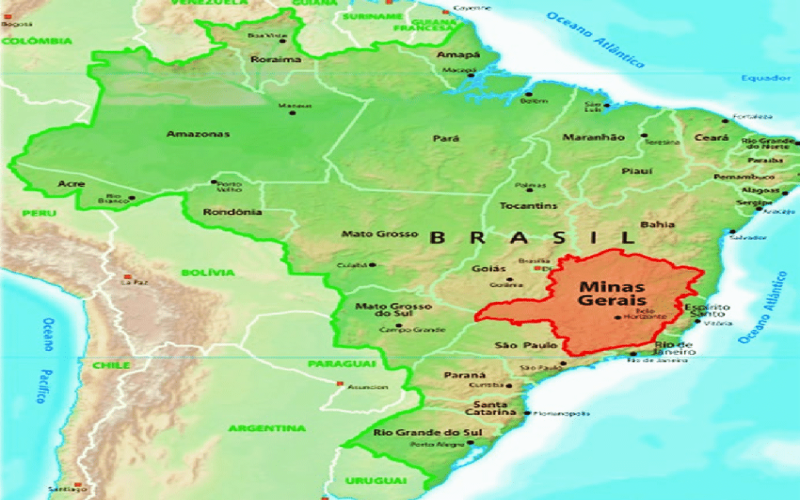
Brazil is the world's largest coffee producer, accounting for more than thirty percent of the global market share, and any transport strike or extreme weather can move international coffee futures prices. This article traces the history of Brazilian coffee from its introduction in 1727 to the present, reviews how the American Revolutionary War, the Civil War, and the Great Depression profoundly shaped Brazil's coffee industry, and introduces each of its six major producing states, including Bahia, Espírito Santo, and Minas Gerais. It also draws on the Front Street Coffee bean list to analyze the flavor profiles, processing methods, and brewing recommendations of two representative coffees—Brazil Red Bourbon Semi-Washed and Queen's Estate Yellow Bourbon Natural—helping enthusiasts gain a comprehensive understanding of the unique charm of Brazilian coffee. [more…]
A Complete Guide to Brazilian Coffee Origins: From Variety Origins to Six Major Regions and Flavor Profiles
Brazil is the world's largest coffee-producing country, yet more than three hundred years ago there was not a single coffee tree here. From a romantic tale of seed-passing in 1727 to the six major producing regions spread across the country today, Brazilian coffee has traveled a long and winding road. This article will trace the varietal origins and historical development of Brazilian coffee, introduce the distribution of the six major producing regions—Bahia, Espírito Santo, Minas Gerais, São Paulo, Paraná, and Rio de Janeiro—and focus on presenting the origin information, processing methods, and flavor profiles of two Brazilian beans from Front Street Coffee: Queen Estate Yellow Bourbon and Cerrado Red Bourbon, helping coffee enthusiasts gain a comprehensive understanding of the charm of Brazilian coffee. [more…]
A Complete Guide to Brazilian Coffee Regions: From Cultivation History to Grading System and Flavor Characteristics
As the world's largest coffee producer, Brazil is known for its coffee's balanced taste, low acidity, and good body, making it an ideal base bean for espresso blends. Several of Front Street Coffee's espresso blends use Brazilian beans as their foundation. This article will comprehensively analyze the characteristics of Brazilian coffee from multiple dimensions, including planting history, main producing regions, grading systems, variety classification, and processing methods. It will also introduce the flavor profiles and recommended brewing parameters of Front Street Coffee's Brazil Cerrado and Queen's Estate coffees, helping coffee enthusiasts gain a deeper understanding of the unique charm of this South American coffee giant. [more…]
A Detailed Guide to Brazilian Coffee Bean Pour-Over Techniques: Discussing Extraction Parameter Settings from the Perspective of Front Street Queen Estate
Brazil is the world's largest coffee producer, and its coffee beans are renowned for their balanced sweetness and nutty notes, making them highly favored by pour-over enthusiasts. This article uses Front Street Coffee's Brazil Queen Estate coffee beans as an example, breaking down the flavor formation from terroir and variety characteristics to processing method one by one, and systematically explains the four core parameters of water temperature, grind size, coffee-to-water ratio, and brewing technique, providing a pour-over recipe that can be directly referenced. Whether you are a beginner just getting into pour-over or an enthusiast looking to refine your technique, you will find clear operational guidance here. [more…]
The Complete Guide to Brazilian Pour-Over Coffee: Front Street Queen Estate Parameters and a Practical Guide to the Four Key Elements
Brazil, as the world's largest coffee producer, is favored by pour-over enthusiasts for its balanced flavor and prominent sweetness. However, for those just starting out, when faced with a specific Brazilian bean, they often have no idea how to handle water temperature, grind size, coffee-to-water ratio, and pouring technique. This article takes Front Street Coffee's Brazil Queen Estate coffee beans as an example, first outlining how this bean's growing region, variety, and processing method shape its flavor, then giving specific recommendations from four dimensions: water temperature, grind size, coffee-to-water ratio, and brewing technique, and finally providing complete brewing data and flavor description. If you are looking for a reliable Brazilian coffee pour-over recipe that is hard to mess up, you can follow the steps below and give it a try. [more…]
An Analysis of Brazil's Three Major Coffee Varieties: Flavor Characteristics and Historical Origins of Red Bourbon, Yellow Bourbon, and Mundo Novo
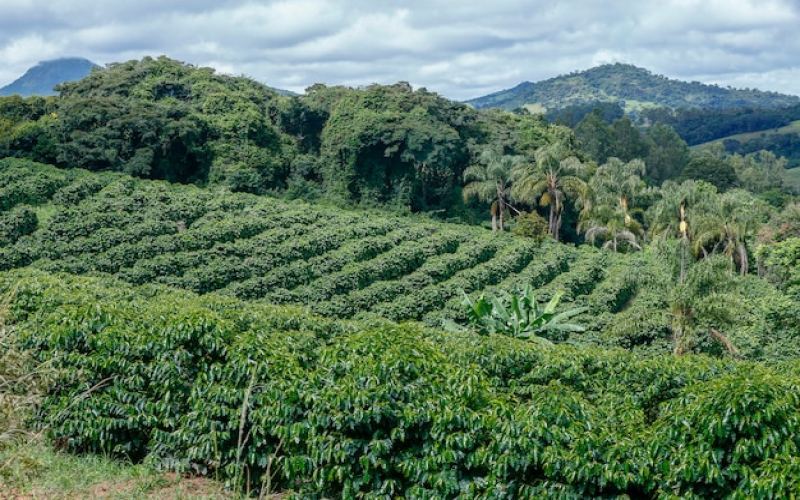
Brazil, as the world's largest producer of Arabica coffee, holds a pivotal position from commercial beans to specialty beans, and its futures prices are an important reference for ICE Arabica pricing. Brazil's coffee-producing regions are concentrated in Minas Gerais, São Paulo, Bahia, and Espírito Santo, which account for 90% of the country's exports. Due to lower altitudes, flat terrain, and a lack of microclimates, Brazilian coffee has developed a unique style characterized by low acidity, prominent nutty notes, and a combination of chocolatey sweetness and full-bodied mouthfeel. This article will systematically review the three main varieties grown in Brazil—Red Bourbon, Yellow Bourbon, and Mundo Novo—and, combined with Front Street Coffee's cupping and product examples, analyze each variety's flavor performance, development history, and brewing suggestions, helping coffee enthusiasts gain a comprehensive understanding of the charm of Brazilian coffee. [more…]
Brazil Santos Coffee: A Full Overview of Bourbon Variety Flavor Profile and Growing Region Background
Brazil Santos coffee, with its full-bodied mouthfeel and intense cocoa-nutty notes, has long held a core position in espresso blends. But Santos is not a coffee variety—it is the name of a major export port in southeastern Brazil. This article provides a comprehensive analysis of the true character of Santos coffee, from the region's history, bean variety evolution, and processing methods to cupping flavors, and specifically introduces the detailed parameters and tasting points of Front Street Coffee's Brazil Santos Natural Bourbon, making it suitable reading for enthusiasts who want to deepen their understanding of Brazilian specialty coffee. [more…]
An Analysis of Coffee Quality in Brazil's Cerrado Region: From Queen Farm's Yellow Bourbon to the Road to COE Specialty Coffee
Brazil is the world's largest coffee producer, with an annual output of about 2.7 million metric tons, accounting for one-third of the global total. Although its natural conditions are not ideal for coffee cultivation, Brazil has achieved a remarkable turnaround in its coffee industry through variety improvement and soil modification. Among its many producing regions, the Cerrado region stands out, with its coffee mostly featuring nutty and chocolate flavors, low acidity, and a smooth mouthfeel. Front Street Coffee's Brazil Bourbon coffee beans come from Cerrado, and the Yellow Bourbon from Queen's Farm is an even more outstanding specialty representative. This article will guide you through the terroir characteristics of the Cerrado region, the history of soil improvement in the Minas region, and how Front Street uses the Kono dripper and 88°C water temperature to bring out the rich, mellow charm of Brazilian coffee. [more…]
How Much Does Brazilian Coffee Cost? Uncovering the Deep Reasons Behind the Coffee Kingdom's Leading Production Yet Affordable Prices
Brazil, as the world's largest coffee producer, is known for its affordable coffee beans. Front Street Brazil coffee, as an everyday bean, costs only 30 yuan per cup and is widely used in Front Street Classic Espresso Blend, Specialty Espresso Blend, Basic Espresso Blend, and Commercial Blend. Why can Brazilian coffee combine high yield with low price? From its cultivation origins in 1727 to the introduction of the Bourbon variety, from the birth of the pulped natural process to the rise of the Cerrado region, this article will trace the historical development, regional distribution, variety characteristics, and processing methods of Brazilian coffee, and take a closer look at two Front Street Brazilian beans—Red Bourbon and Queen's Farm Yellow Bourbon—covering their flavor differences and brewing recommendations. [more…]
Why Is Brazil the Top Coffee Producer? A Detailed Look at Front Street Cerrado and Queen Estate Beans and an Explanation of the NY Grading Standard
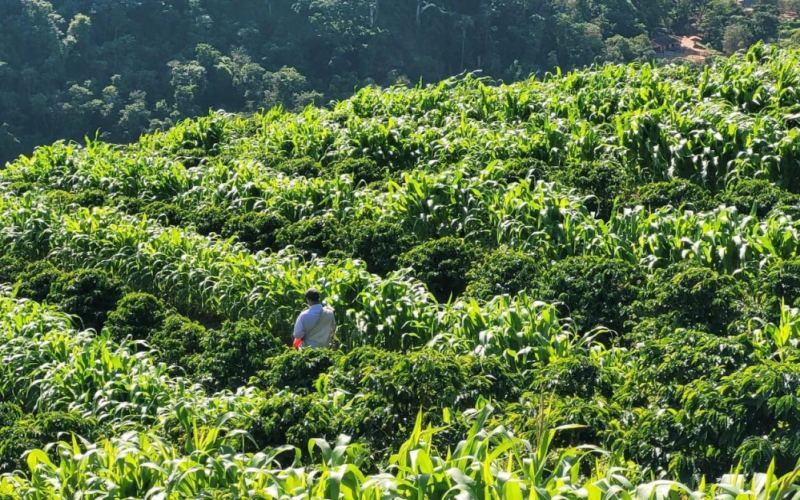
Brazil firmly holds the top spot in global coffee production, offering both large-volume commercial beans and COE specialty beans. Front Street Coffee currently carries only two Brazilian beans—Cerrado Red Bourbon and Queen Estate Yellow Bourbon—representing the classic styles of the South Minas and Mogiana regions, respectively. This article approaches the topic from producing regions, varieties, and processing methods, explaining in detail the differences between semi-washed and fine natural processing, and systematically sorting out Brazil's unique NY grading system, including three dimensions: defect rate, screen size, and cup quality. It helps enthusiasts understand Brazil's journey from being synonymous with "inferior beans" to quality standardization, and also includes Front Street's brewing parameters and flavor descriptions. [more…]
Brazil Cerrado Coffee NY.2 Grade Explained: A Complete Guide from Origin and Variety to Cupping Flavor
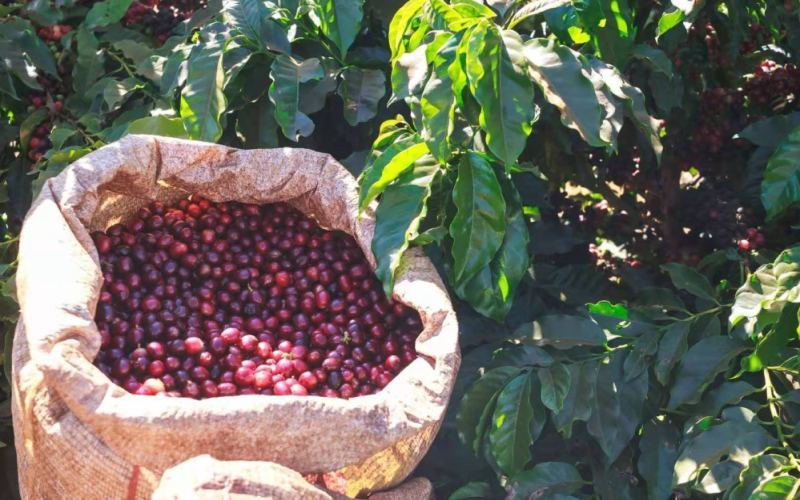
Brazil, as the world's largest coffee producer, is known for the coffee beans from the Cerrado region in the central-west of Minas Gerais, which are celebrated for their mild flavor and consistent quality. Among Front Street Coffee's daily drinking bean series, the Brazil Cerrado Red Bourbon has won the favor of many coffee lovers with its rich, smooth body and intense chocolate and nutty flavors. This article will systematically review the terroir conditions of the Cerrado region, the characteristics of the Bourbon variety, and the semi-washed processing method, and will further analyze the three major grading dimensions of Brazilian green coffee—defect ratio, screen size specifications, and cup profile—to help readers thoroughly understand the complete meaning behind the label "Brazil NY.2SC – 17/18 FC Cerrado," along with the brewing parameters and flavor tasting notes from Front Street Coffee's baristas. [more…]
A Comprehensive Analysis of Brazil's Green Coffee Grading System: The Specialty Journey from Origin Distribution to Cupping Standards
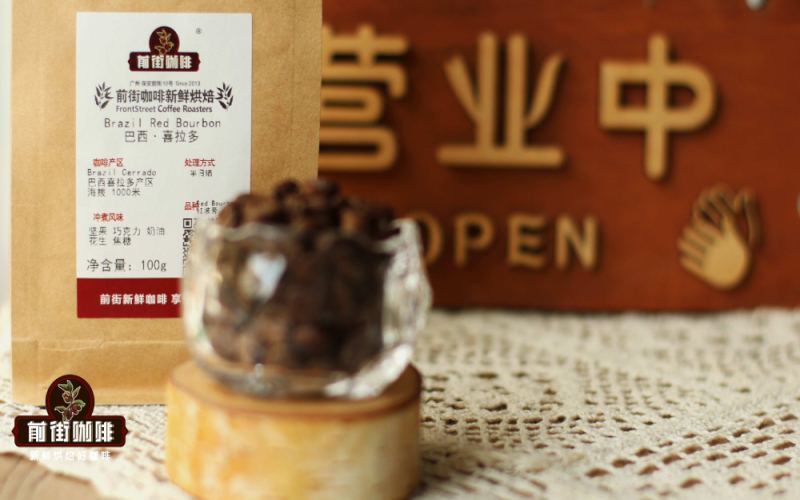
Brazil, as the world's largest coffee producer, supplies about 45% of the world's green coffee beans, and its production fluctuations directly affect international coffee price trends. However, Brazil has numerous coffee-producing regions with uneven quality, making grading work especially complex. Front Street Coffee takes you on an in-depth look at Brazil's green bean grading system—from the flatland growing environment at altitudes of 600 to 1200 meters, to the flavor differences among seven major producing regions including Minas and São Paulo states, and to the multiple grading standards centered on defect deductions, screen size specifications, and cup quality flavors. The article will also introduce the origin information and flavor performance of Front Street Brazil Queen's Estate Yellow Bourbon coffee and Cerrado coffee, helping you fully understand the specialty potential of this representative neutral coffee country. [more…]