







Search Results for: Floral Queen 2.0 flavor
Ethiopia Guji Hambela Washed Huakui G1: From Origin to Flavor, Comparing the Differences Between Huakui and Huakui 2.0
Huakui coffee beans are the signature product of Hambela in the Guji region of Ethiopia, famous for the floral aromas and citrusy sweet-tart acidity brought by the washed process. This article provides a comprehensive analysis of the characteristics of washed Huakui G1, from growing region, processing station, altitude, and variety to flavor description, and also compares the flavor differences between Huakui and Huakui 2.0. The article also introduces the refined natural process of Hambela Estate and its recognition in the international specialty coffee world, including the reasons Front Street Coffee recommends Huakui. Whether you are a pour-over enthusiast or a cold brew lover, you can discover the unique charm of this bean. [more…]
Flavor Analysis of Ethiopia Sidamo Hambela Region: The Origins and Version Evolution of Sun-Dried Flower Queen Coffee Beans
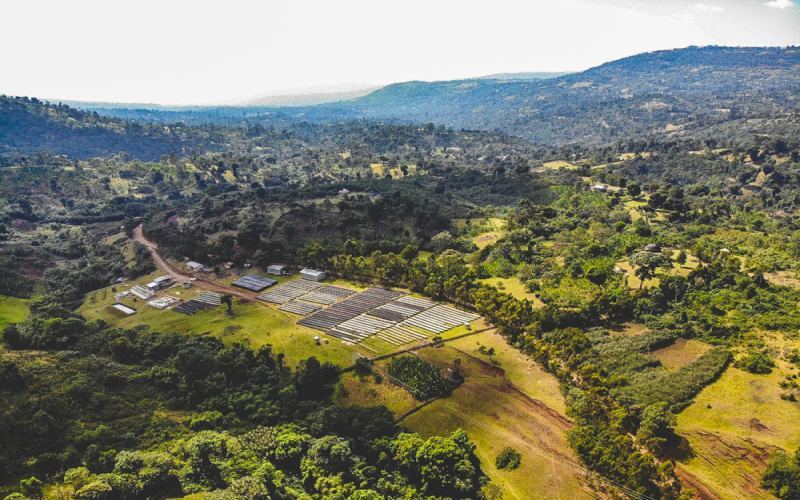
Since its introduction in 2017, Geisha coffee beans have remained popular, but many people are still unclear about the origin of its name and its producing region background. Starting from the terroir conditions of Ethiopia's Sidamo and Guji regions, this article sorts out the administrative affiliation and geographical characteristics of the Hambela sub-region, explains how the champion batch of the 2017 TOH green bean competition came to be named Geisha, and clarifies that only the natural-process batch from the Buku Abel processing station deserves this title. It also compiles the roasting parameters, cupping flavors, and brewing suggestions for Front Street Coffee Geisha 8.0, and reviews the flavor differences among Geisha versions over the years and the reasons behind them. [more…]

2021 Crop Huakui 5.0 vs. Small-Bean Huakui Coffee Comprehensive Review: Green and Roasted Bean Identification, Cupping Flavors, and Pour-Over Performance Comparison
The 2021 new-crop Huakui 5.0 coffee beans have arrived at the port. Front Street Coffee immediately carried out roasting and cupping, and specifically conducted a comparison with its own beloved small-bean Huakui coffee beans. This article will guide you through the evolution of the Huakui series from the 2017 TOH champion beans to Huakui 5.0, and explain why small-bean Huakui stands independently outside the X.0 series. Then, through a visual comparison of green beans and roasted beans, differences in cupping flavors, and performance under a unified pour-over recipe, it will present in detail the characteristics of the two beans: small-bean Huakui is closer to the rich strawberry-cream profile of the classic 2017 Huakui, while Huakui 5.0 shows brighter berry acidity and floral notes. Whether you are a Huakui enthusiast or are currently selecting new-crop beans, this review can provide practical reference. [more…]
A Comprehensive Analysis of the Naming Origin, Regional Evolution, and Pour-Over Flavor Characteristics of Ethiopian Huakui Coffee Beans
Huakui coffee beans have been one of the most talked-about Ethiopian specialty coffees in recent years, and their name comes from winning the 2017 TOH green bean competition. These beans are produced at the Buku Abel processing station in Guji Hambela, and they have won the favor of coffee lovers worldwide with their natural G1 grade and rich floral and fruity notes. As market demand has grown, DW has successively added processing stations, and Huakui has also spawned different annual batches such as 2.0, 3.0, 4.0, and 5.0, each with distinct flavor differences. Front Street Coffee has long tracked and cupped each batch of Huakui, and this article will provide a complete presentation of the flavor evolution and tasting points of these beans, from the naming story, origin tracing, and processing techniques to roasting curves and brewing parameters, offering coffee lovers a detailed reference. [more…]
Ethiopia Guji Hambela Flower魁 Legend: Cold Brew, Ice Drip, Pour-Over, and Flower魁 5.0 Flavor Analysis
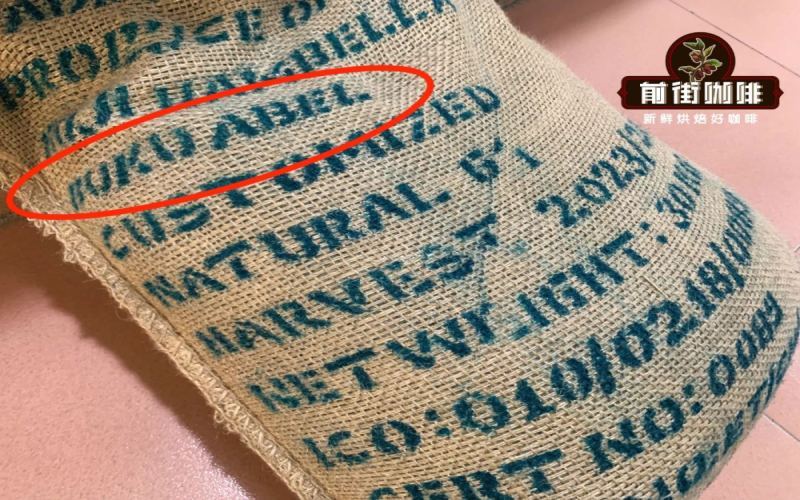
In Hambela, within Ethiopia's Guji region, the Buku Abel processing station has produced a sun-dried bean that has captivated coffee lovers worldwide—Floral Queen. From its 2017 TOH championship win to today's Floral Queen 5.0, this bean, with its rich aromas of strawberry, cream, and berries, has become an excellent choice for summer iced coffee. This article reviews Floral Queen's rise to fame, analyzes the flavor evolution and roasting key points of Floral Queen 5.0, and shares four brewing methods commonly used by Front Street Coffee: hot pour-over, iced pour-over, cold drip, and cold brew. Whether you want to experience a gentle sunset-like softness or pursue a juicy, full-bodied cup, you'll find suitable brewing parameters and practical suggestions here. [more…]
The Origin of the Name "Huakui" Coffee and Its Connection to Geisha: From TOH Champion to the Evolution of Huakui 8.0
The name Hua Kui coffee beans and Geisha coffee beans both originate from the Japanese term for performers of song and dance. What exactly is the connection between the two? In 2017, a natural process lot from the Buku Abel washing station in Ethiopia won the TOH green bean competition with its intense strawberry and creamy aroma. After being introduced to China, it was given the name "Hua Kui" due to its outstanding flavor. Since then, the Hua Kui series has evolved from 2.0 all the way to 6.0 and even 8.0, with its origin locked to the Hambela region and continuously introduced by the Hongshun green bean merchant. This article will sort out the naming origins of Hua Kui coffee, its entanglement with Geisha, the variety and flavor differences across each generation, and share Front Street Coffee's roasting and brewing insights. [more…]
Complete Analysis of Huakui and Geisha Varieties and Origins: The Origins of the Translations Hambela and Geisha, and a Comparison of Their Flavor Differences
Recently, a video conflated Huakui coffee beans, the Hambela production region, and the Geisha variety, claiming that the three can be equated. Is this really the case? This article will trace the spread of the Geisha variety from Geisha Mountain in Ethiopia to Hacienda La Esmeralda in Panama, clarify the administrative affiliation of Hambela as a sub-region of Guji, and restore the full story of how Huakui coffee beans were named after winning the 2017 TOH. At the same time, Front Street Coffee will, through cupping experience, compare the flavor differences between small-bean Huakui and regular Huakui, and analyze the essential differences between Geisha and Huakui in their main flavor profile, helping coffee lovers build a clear understanding of varieties and production regions. [more…]
An In-Depth Analysis of Ideal Extraction Parameters for SOE Espresso and Common Sourness and Astringency Issues
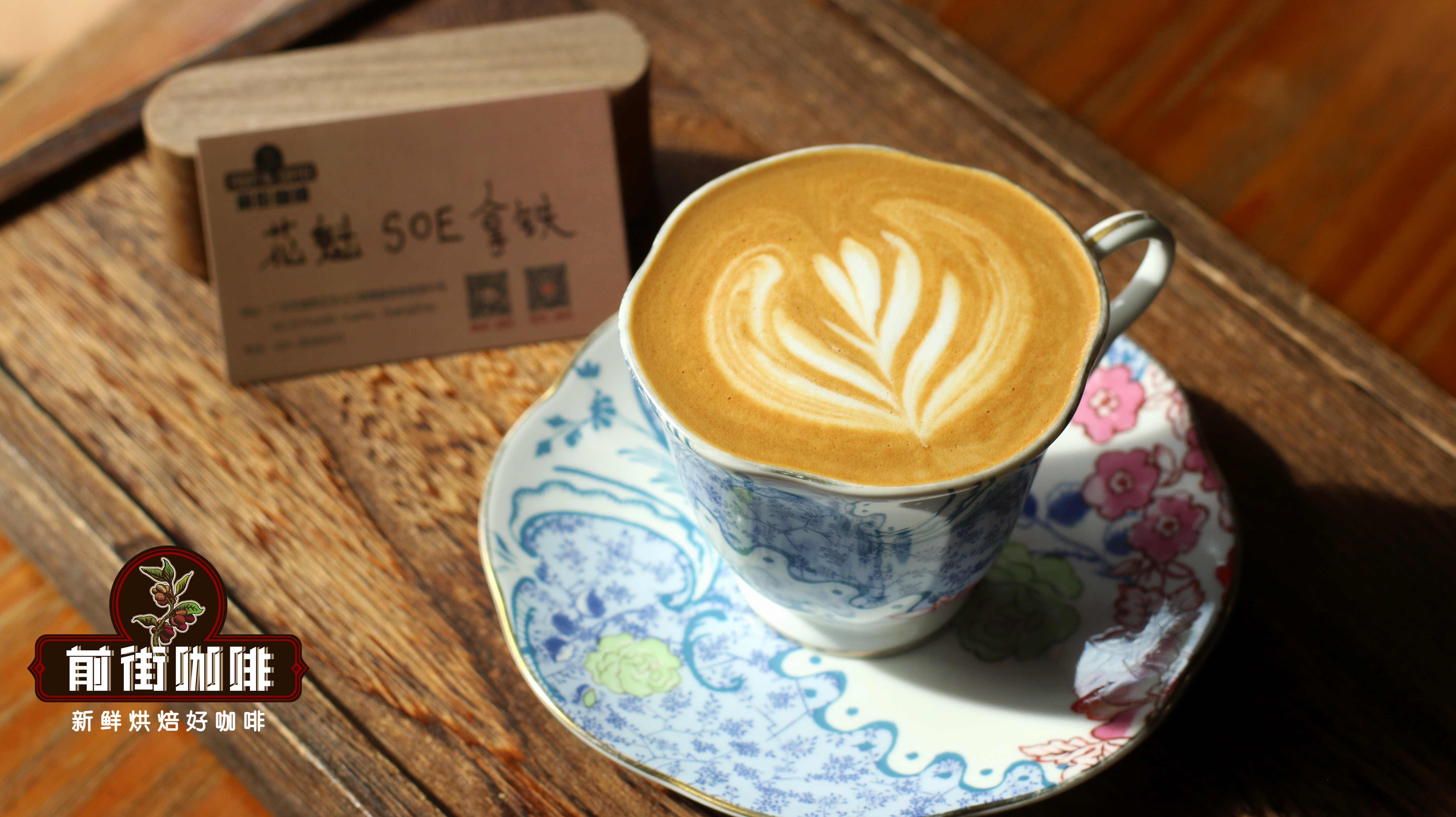
SOE, as an espresso made from single-origin coffee beans, has gained attention for its distinct origin flavors. However, an espresso machine, under high temperature and pressure, magnifies the beans' inherent flavors exponentially; if light-roasted beans are used, fruity acidity can easily turn into an unpleasant sourness. To craft a clear-styled, balanced SOE, careful consideration is needed from bean selection and parameter settings to drink pairing. This article takes several Front Street Coffee SOE beans as examples to break down extraction standards and preparation procedures in detail, helping coffee enthusiasts avoid common pitfalls and recreate a sweet, smooth SOE beverage at home. [more…]
An In-Depth Analysis of the Connection Between Yirgacheffe and Flower Queen Coffee Beans: From the Sidamo Branch to a Full Overview of Flower Queen 6.0 Roast Flavors
Ethiopian coffee has always been the go-to choice for coffee enthusiasts, with Yirgacheffe and Sidamo being especially well-known. Yirgacheffe was once part of the Sidamo region, but later gained fame independently due to the introduction of the washed processing method, becoming renowned for its fresh and bright floral and citrus notes. The Huakui coffee beans from the Sidamo region, on the other hand, won the 2017 TOH competition with their rich strawberry cream flavor, thus starting the annual iterative "Huakui X.0" naming tradition. This article will sort out the relationship and differences between Yirgacheffe and Huakui coffee beans, explain in detail the roasting and taste characteristics of Huakui coffee beans, and share Front Street Coffee's cupping performance and brewing suggestions for Huakui 6.0, taking you through a comprehensive understanding of these two star Ethiopian coffee beans. [more…]
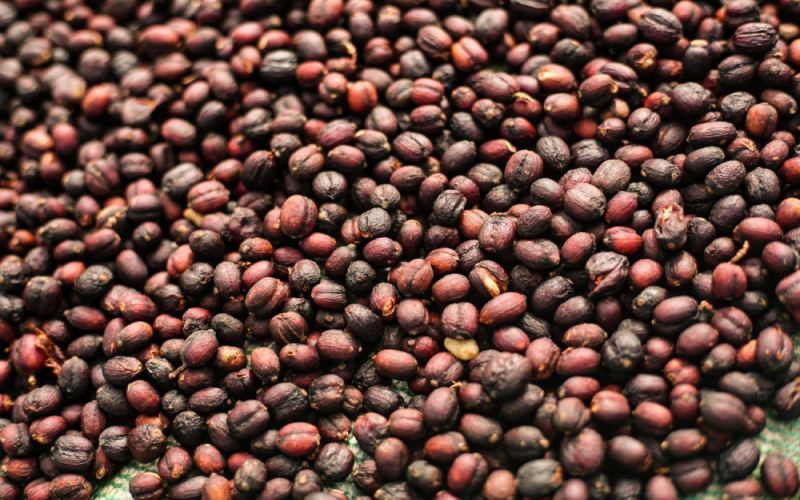
Flavor Analysis and Pour-Over Grind Plan for Ethiopia Hambela G1 Sun-Dried "Huakui" Small-Bean Coffee
Hambela is located in the Guji region of Ethiopia and is one of the highest-altitude coffee sub-regions, known for its refined natural processing and unique flavors. In 2017, a natural bean from DW Company's Buku Abel processing station won the TOH championship and was introduced to China under the name "Floral Queen," drawing widespread attention ever since. As the processing station expanded and the years passed, the Floral Queen series gave rise to the X.0 naming system, while Small-Bean Floral Queen became a special existence due to its independent processing. This article reviews the background of the Hambela region and the development of Floral Queen, and through a cupping and pour-over comparison between Front Street Coffee's Small-Bean Floral Queen and Floral Queen 5.0, presents the differences between the two in aroma, acidity, sweetness, and aftertaste, while also providing specific brewing parameters and grinding setting references. [more…]
What exactly are SOE coffee beans? From bean selection to extraction, the standards and flavor story of a proper Espresso
SOE, short for Single Origin Espresso, refers to espresso made from coffee beans of a single origin. Its greatest charm lies in its ability to clearly present the terroir of the origin—one sip lets you identify where the beans come from, what variety they are, and what processing method was used. However, the high-temperature, high-pressure operation of an espresso machine multiplies and amplifies the flavors; when light-roasted beans are used for SOE, the fruity acidity can easily become sharp and astringent, so everything from bean selection to setting extraction parameters to pairing with drinks requires extra care. Compared with traditional blended beans, SOE indeed has a higher extraction threshold, and choosing the right single-origin bean often yields twice the result with half the effort. Starting from the characteristics and story of SOE, this article will sort out the extraction standards for a good Espresso, and, using three Front Street Coffee beans—Brazil Queen's Estate, PWN Golden Mandheling, and Huakui—as examples, share specific parameters and methods for making iced and hot Americanos and lattes. [more…]
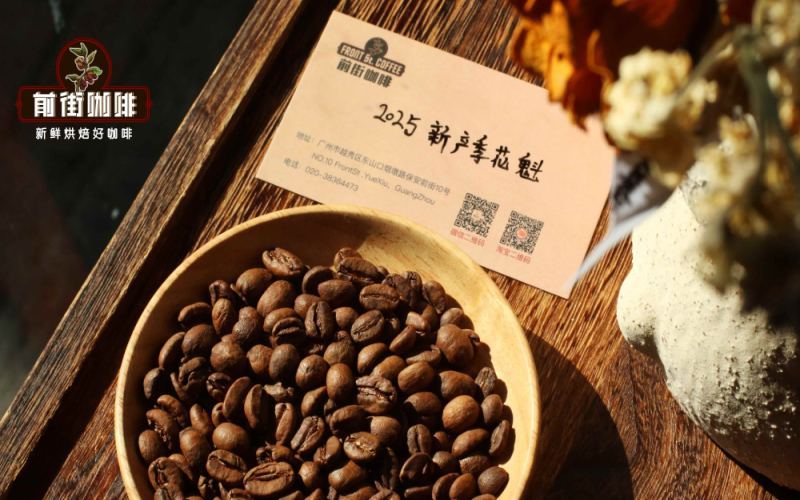
Huakui 5.0 Pour-Over Parameters and Four Extraction Methods Explained: A Complete Guide from Hot Brew to Cold Brew
As an Ethiopian natural coffee from the 2025 new harvest season, Huakui 5.0 is beloved for its strawberry-cream sweetness and full, juicy body. Starting with the award-winning history of Huakui coffee, this article traces the evolution of its versions from 1.0 to 5.0, and shares in detail the roasting approach that Front Street Coffee's roaster has adopted in response to the high moisture content of the new-harvest beans. On the brewing side, the article presents the complete parameters and techniques for four extraction methods—hot pour-over, iced pour-over, ice drip, and cold brew—including key data such as water temperature, coffee-to-water ratio, grind size, and pouring rhythm, helping coffee enthusiasts fully bring out the gentle layers of this bean at home. [more…]
Ethiopian Huakui Coffee Beans Guji Hambela Region Flavor Analysis and Pour-Over Parameters Tutorial
Ethiopia is a genetic treasure trove of coffee, and the Hambela micro-region in the Guji zone has risen to prominence on the world stage thanks to a sun-dried bean. This coffee, named "Huakui" by a Chinese importer, has won over countless coffee lovers with its intense strawberry and cream aromas. Every year, Front Street Coffee travels deep into the Buku Abel processing station to purchase the season's Huakui, dissecting the flavor code of this bean layer by layer, from variety and processing method to roasting and brewing. This article will systematically outline Huakui's regional background, varietal characteristics, and sun-drying process, and include a three-pour V60 hand-brewing tutorial from Front Street Coffee to help readers consistently reproduce Huakui's citrus acidity and berry sweetness. [more…]
A Complete Guide to the Natural Process: The Origins, Variety Characteristics, and Brewing Tips of Huakui Coffee Beans
Ethiopia is the birthplace of Arabica coffee, and its natural processing method has produced countless unique and flavorful beans. As a star representative of the Sidama region, Huakui coffee has won over many coffee lovers with its intense floral and fruity aromas and honeyed sweetness. This article will systematically examine the full picture of this coffee from multiple angles, including the origin of the name Huakui, the background of the Hambela region, the geographical environment of Sidama, the characteristics of the Heirloom native variety, Ethiopia's coffee grading system, and the complete process of the natural processing method. It also includes Front Street Coffee's brewing parameter suggestions and bean-resting reminders to help you better appreciate the layered complexity and sweetness of this naturally processed Huakui. [more…]
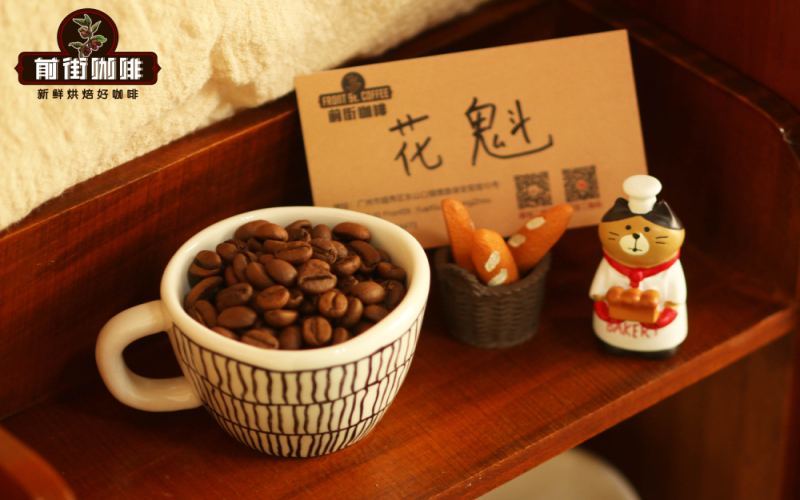
Ethiopia Hambela Guji Flower Queen Coffee Beans: The Road to Fame from TOH Champion to National Staple
Huakui coffee beans are one of the most talked-about Ethiopian varieties in China's specialty coffee scene in recent years. Originating from the Buku Abel processing station in the Hambela region of Sidama, it shot to fame thanks to winning the 2017 TOH natural category championship and its standout performance at the World Brewers Cup. Compared with the often pricey Geisha, Huakui quickly became a daily staple for many coffee lovers thanks to its affordable price and intense strawberry-and-cream aroma. This article will systematically trace the origins and evolution of this bean from the perspectives of Huakui's rise to fame, regional grading, flavor evolution, and brewing comparisons, helping readers fully understand why Huakui coffee beans are both cheap and delicious. [more…]
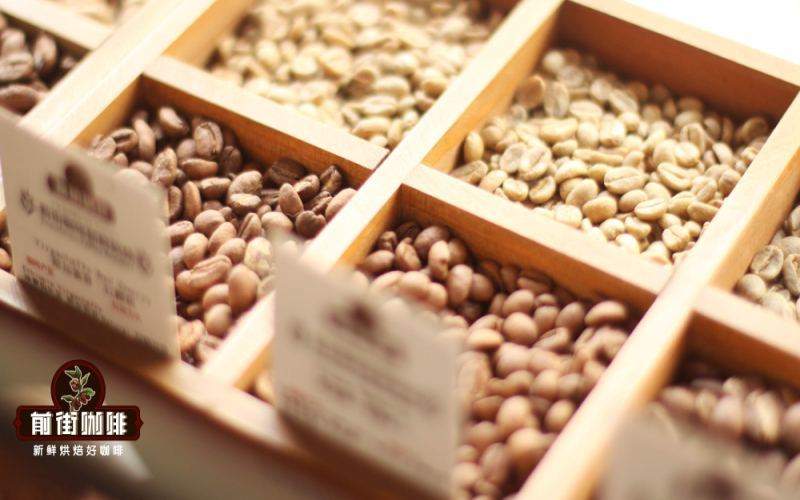
Ethiopia Guji Hambela G1 Natural Huakui New Crop Season: A Detailed Guide to Light Roast Flavor and Brewing Parameters
Ethiopian G1 represents the highest grade of green beans, but different regions and processing methods also lead to different flavor profiles. The Front Street Flower Queen G1 from the new crop comes from the Buku Abel processing station in the Guji Hambela region, where the natural sun-dried method gives the coffee rich tropical fruit notes. To showcase the floral and fruity aromas and acidity, a light to light-medium roast is used, with two separate curves matched for pour-over and SOE. This article compiles the brewing method for Front Street Flower Queen, the espresso extraction steps, and the flavor descriptions for both pour-over and SOE, for coffee lovers' reference. [more…]
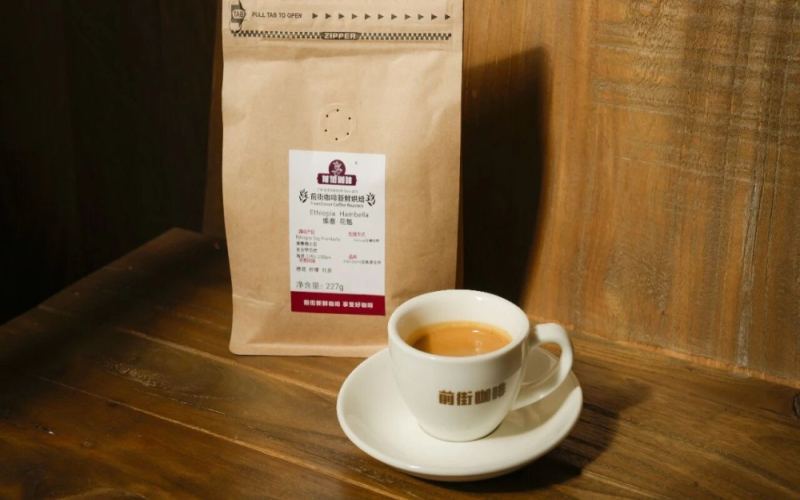
Ethiopian Sidamo Flower Queen Coffee: A Comprehensive Analysis of the Grading System, Hambela Region, and Natural Process Brewing
The Huakui coffee from the Sidamo region has become a star among Ethiopian natural beans, thanks to its rich floral and fruity aromas and honeyed sweetness. This article begins with Ethiopia's coffee grading standards, sorting through the two systems of cupping scores and green bean defect rates, and explaining the differences between G1 and G3 grades as well as the impact of ECX reform on the grading of natural beans. It then focuses on Hambela in the Guji region, introducing Huakui's origin terroir, farm background, traditional natural processing, and the origin of its name from winning TOH. Finally, it includes Front Street Coffee's light roasting approach for Huakui and V60 three-stage brewing parameters, helping readers fully understand the flavor sources and extraction key points of this bean. [more…]
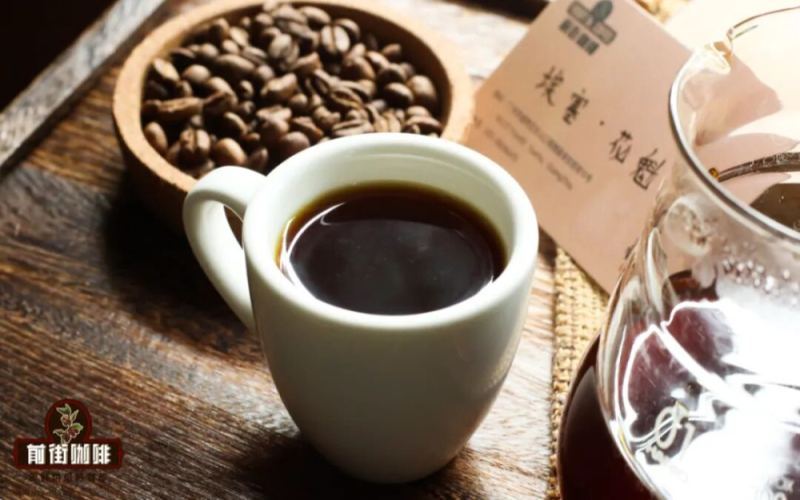
Should Front Street Coffee's Huakui SOE be light roast or medium roast? A detailed guide to Huakui Americano extraction ratios and brewing steps
Front Street Huakui, as a representative of sun-dried Ethiopian beans, has become a daily staple for many coffee lovers thanks to its rich berry aroma and creamy, full-bodied texture. But when faced with two versions—medium-light roast and medium roast—how exactly should you choose to make a delicious SOE americano? This article will start with Huakui's origin background, the story behind its name, and its flavor characteristics, explain in detail why sun-dried Huakui is suitable for making SOE, and provide Front Street's recommended espresso extraction parameters along with specific ratios for americanos and lattes, helping you recreate coffee shop–level Huakui SOE at home. [more…]
Ethiopia Guji Hambela G1 Natural Beans: New Crop Front Street Coffee Sun-dried Yirgacheffe Brewing and Flavor Analysis
Ethiopian G1 grade represents the highest quality standard for green coffee beans, and the Front Street Coffee Flower Queen produced in the Guji Hambela region is a particularly noteworthy star product among them. This article will guide you through the origin background and natural processing method of the new-season Front Street Coffee Flower Queen, analyze the flavor logic behind its light roasting strategy, and provide a detailed introduction to two brewing methods—pour-over and SOE espresso—along with their respective extraction parameters. Whether you prefer the layered complexity of pour-over or the rich expression of SOE, you will find practical reference information and flavor guidance here. [more…]
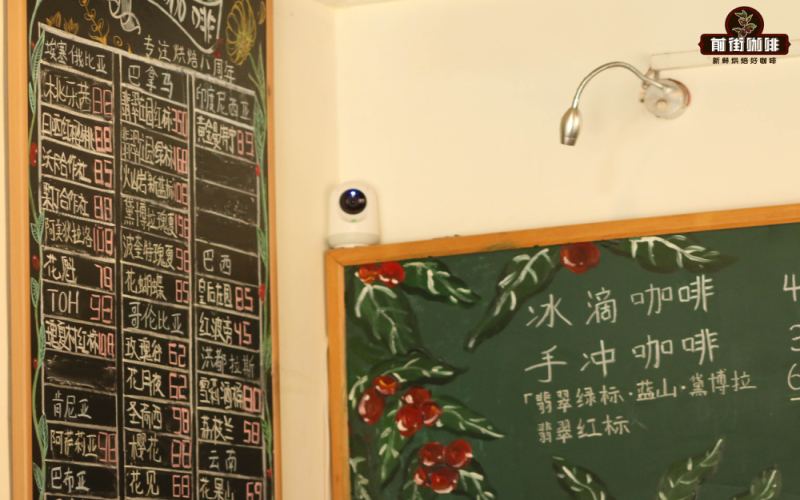
Which Ethiopian region does Hunkute coffee originate from? A full analysis of the flavor differences between Sidamo and Kenyan coffee
Ethiopia and Kenya on the African continent are the two most brilliant stars in the world of specialty coffee. Although the coffees of both places are known for their fruity acidity, they present themselves in completely different ways: Ethiopia's acidity is light, bright, clean, and refreshing, while Kenya's manifests as a full, thick berry-like juiciness. This article will explore in depth the regional origin of Flavor Queen coffee beans—Sidamo Hambela—and systematically sort out the regional characteristics of Yirgacheffe and Sidamo, the differences between Ethiopian heirloom varieties and Kenyan SL varieties, as well as their respective washed and natural processing methods. It also includes Front Street Coffee's roasting and brewing recommendations for beans from these two major regions, helping coffee lovers understand the charm of African coffee more clearly. [more…]