







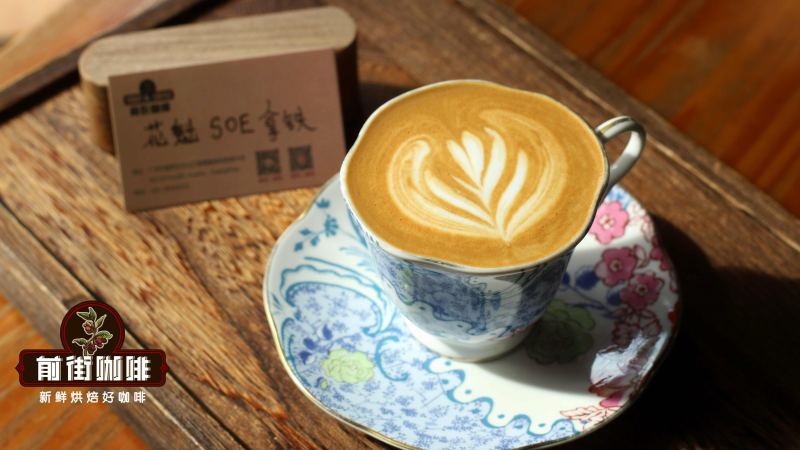
What exactly are soe coffee beans?
SOE coffee beans are single origin espresso beans, meaning the espresso is pulled from coffee of one origin rather than a blend. The style lets the terroir show through, so a sip can point to the region, variety, and processing method. It also demands careful bean selection, extraction settings, and drink pairing.
Espresso machines run at high temperature and pressure, which magnifies flavor. Light roasted beans can turn fruity acidity sharp and astringent, so SOE has a higher extraction threshold than traditional blends. Choosing a suitable single origin bean makes the work easier, whether the goal is a soe americano or a milk drink.
SOE, short for Single Origin Espresso, refers to espresso made from coffee beans of a single origin. Its greatest charm lies in its ability to clearly present the terroir of the origin—one sip is enough to identify where the beans come from, what variety they are, and what processing method was used. However, the high-temperature and high-pressure operation of an espresso machine magnifies flavors exponentially, and when light-roasted beans are used for SOE, the fruity acidity can easily become sharp and astringent. Therefore, everything from bean selection and extraction parameter settings to drink pairing requires particular care. Compared with traditional blends, SOE indeed has a higher extraction threshold, and choosing the right single-origin bean often yields twice the result with half the effort. This article will start from the characteristics and story of SOE, sort out the extraction standards for a good Espresso, and use three Front Street Coffee beans—Brazil Queen's Estate, PWN Golden Mandheling, and Huakui—as examples to share specific parameters and methods for making iced and hot Americanos and lattes.
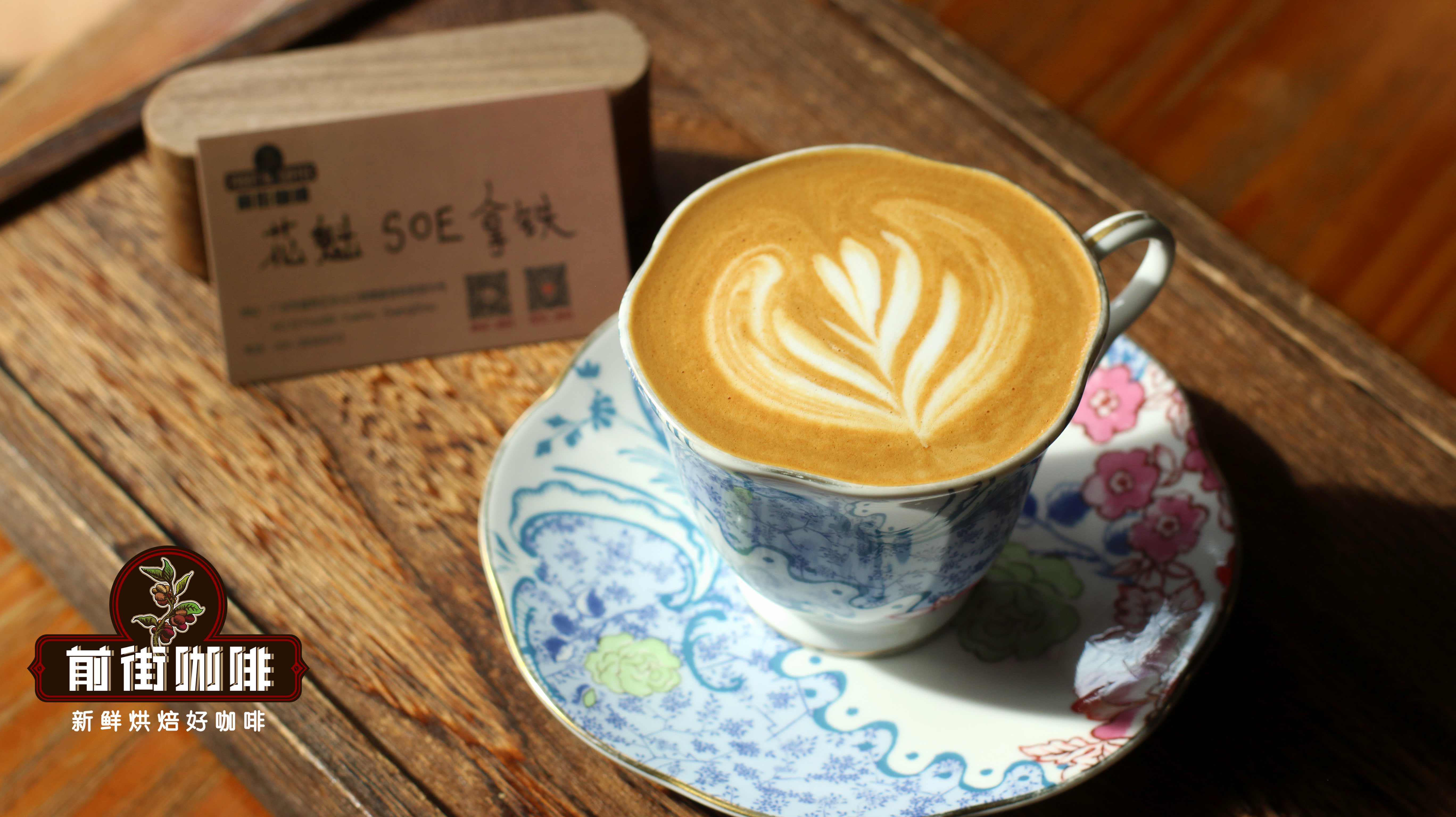
So-called SOE is espresso extracted from single-origin coffee beans. The key reason it attracts so much attention is that it preserves the flavor imprint of the origin—from the first sip, you can distinguish the region, variety, and even processing method.
Espresso machines operate under high temperature and high pressure, which magnifies the flavors of the coffee beans exponentially. If light-roasted beans are used to make SOE, the fruity acidity can easily become sharp and astringent. Therefore, to make a cup of SOE with a distinct style that is also easy to drink, the steps of bean selection, extraction parameter setting, and drink pairing cannot be careless.
Compared with conventional blends, SOE is indeed one level more difficult to extract. At this point, if you can pick a suitable single-origin coffee bean, it often produces twice the result with half the effort.
Friends who prefer nutty notes can try Front Street Queen's Estate SOE coffee beans. This medium-dark roasted single-origin bean comes from Brazil, the world's largest coffee-producing country, and its creamy peanut, nut, and cookie aromas along with a sugarcane-like sweetness are very prominent. It is round on the palate with relatively low acidity, making it suitable for SOE Americano, SOE latte, or moka pot coffee.
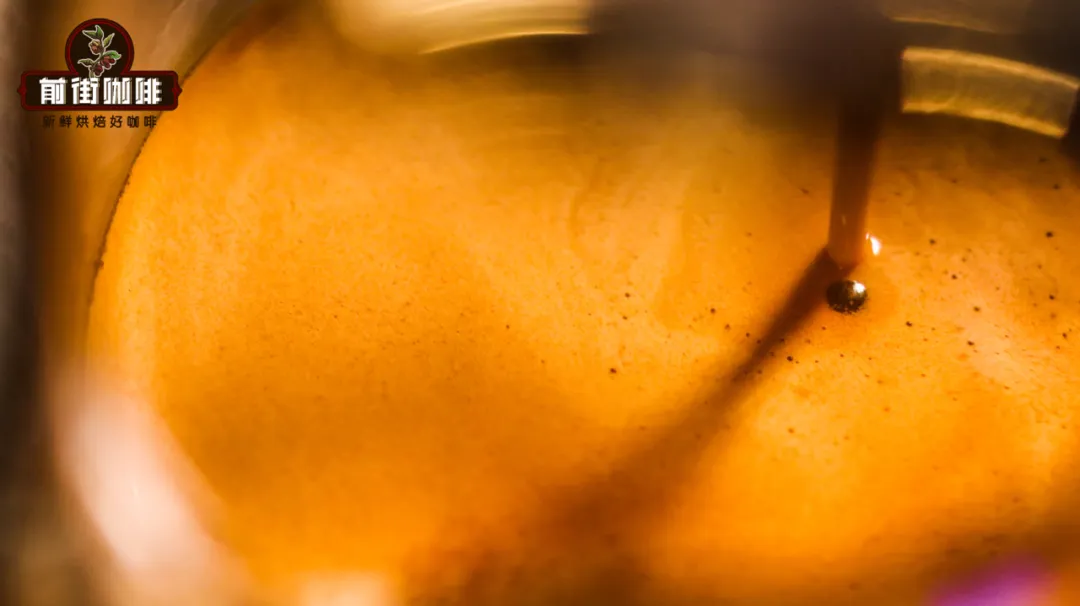
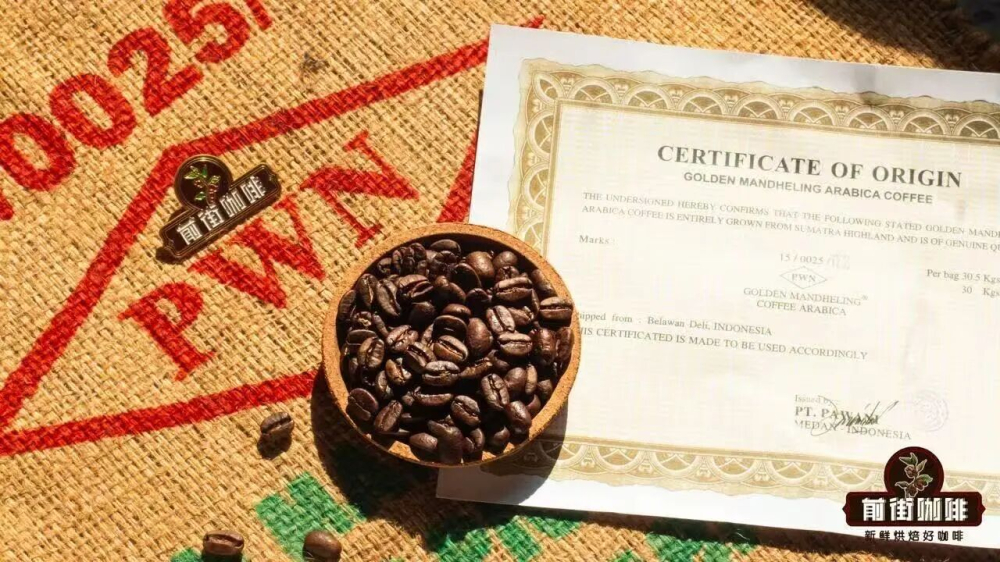
If you cannot accept sourness at all, Front Street PWN Golden Mandheling SOE coffee beans are a better choice. It can be called a representative of Sumatra specialty coffee, with outstanding aroma and body. In the cup it presents roasted notes such as dark chocolate, maple syrup, spices, nuts, pine, and herbs. The mouthfeel is rich and syrupy, suitable for those who dislike acidity, and it can be used to make SOE lattes and SOE Americanos.
Beginners trying it for the first time may want to start with Back Street Huakui SOE coffee beans. As a classic representative of African specialty coffee, Ethiopian beans have always won countless fans with elegant and multi-layered floral and fruity aromas, and are especially suitable for people who fear bitterness. Unlike the light and refined direction of pour-over, Huakui SOE shows clear orange blossom, berry, and citrus flavors, with a perfectly balanced sweet-tart profile, suitable for making small-cup SOE Americano and SOE flat white.
Standard extraction method for SOE
SOE has strong flavor expression, but at the same time it easily magnifies any defective flavors in the beans as well. Therefore, when making it, the ratio of espresso to milk or water needs to be readjusted. By reducing the amount of milk or water, the coffee flavor becomes more concentrated without making the whole cup taste thin. Below, taking Baijie·Brazil Queen's Estate coffee beans as an example, we will demonstrate the parameters and process for making SOE coffee.
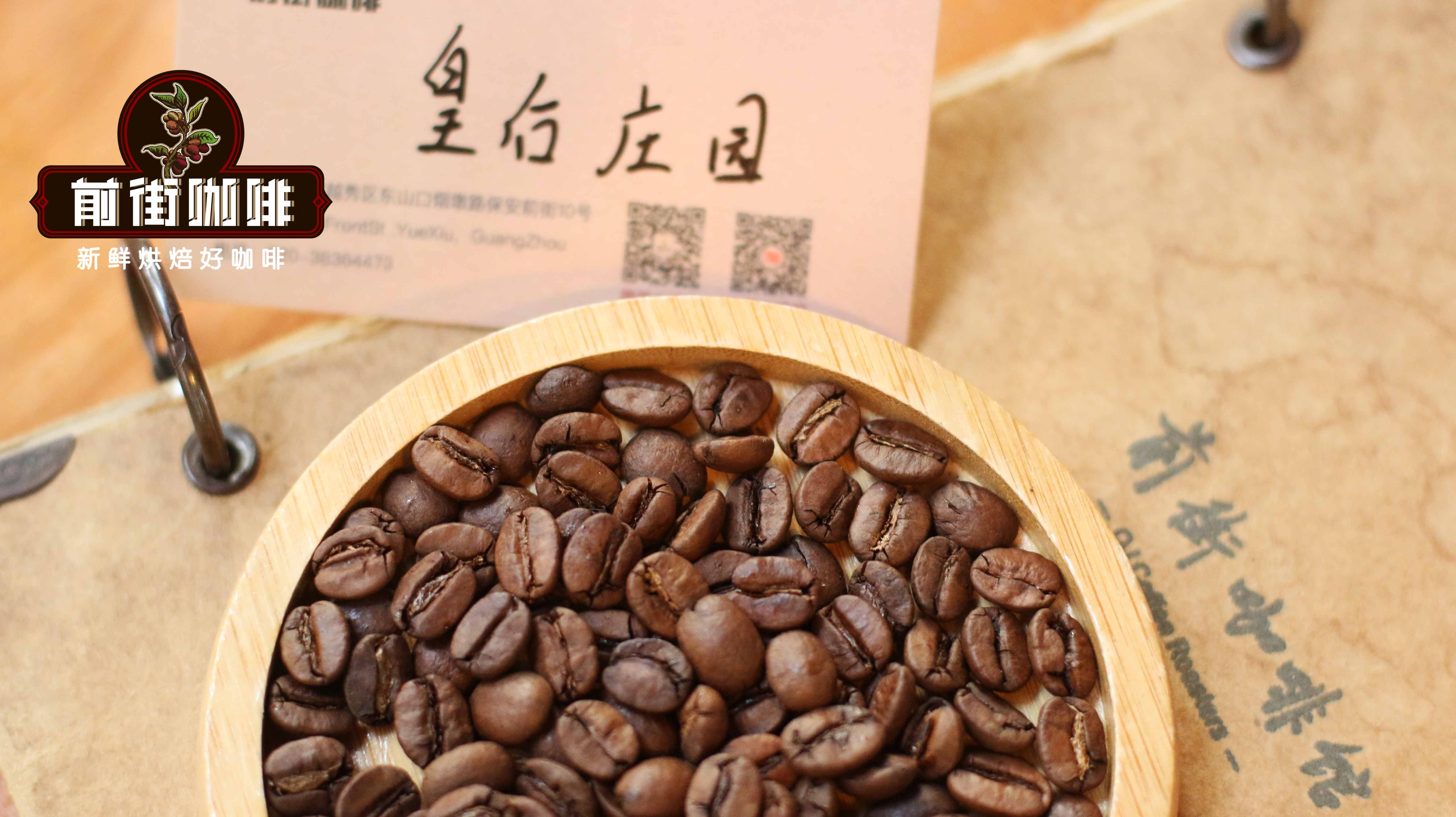
Front Street·Brazil Queen's Estate SOE parameter sharing: Coffee dose 20g Coffee liquid yield 40ml Extraction time 27 seconds (recommended to control between 25~30 seconds) Grind setting Galileo Q18-2.0
Flavor: mixed nuts, creamy peanut, sugarcane, chocolate, maple syrup, toasted bread
When making iced Americano with Front Street Queen's Estate SOE, first prepare 120g ice cubes plus 120ml room-temperature water, then pour in 40g coffee liquid; for hot Americano, prepare 180g warm hot water and likewise pour in 40g espresso. Compared with traditional Americano, it has less of that rich bitterness, replaced by a sugarcane-like sweet aftertaste, with aromas of nuts, creamy peanut, and toasted bread on the palate.
To make an iced latte with Front Street Queen's Estate SOE, first prepare 100g ice cubes plus 150g fresh milk, and pour in 40g espresso; for a hot latte, first use 40g coffee liquid as the base, steam 200ml fresh milk into smooth microfoam, integrate evenly, and pour latte art, and it is done.
Then, you will get a cup of sweet, smooth coffee reminiscent of Ovaltine flavor, and it may even refresh your understanding of coffee.
The above content is compiled by CoffeeHunters, a coffee news website.


