







What Connects Huakui Coffee Beans and Geisha?
Huakui coffee beans and Geisha coffee beans both take their names from the Japanese word for performers who sing and dance. In 2017, a sun-dried lot from Ethiopia's Buku Abel processing plant won the TOH competition held by the African Coffee Association with distinct strawberry and cream aromas, and after arriving in China it was named Huakui for its standout flavor.
That same year Li Jianfei used the beans to place second at the World Brewers Cup China region against a field of Geisha entries, which linked the two names. The Huakui series then ran from 2.0 to 6.0 and 8.0, with its origin fixed to Hambella and the green beans continuously supplied by Hongshun, giving any coffee roaster a stable reference point across generations.
Both Huakui coffee beans and Geisha coffee beans derive their names from the Japanese term for performers of song and dance. What exactly is the connection between the two? In 2017, a sun-dried lot from the Buku Abel processing plant in Ethiopia won the TOH green bean competition with its intense strawberry and cream aromas. After being introduced to China, it was given the name "Huakui" due to its outstanding flavor. Since then, the Huakui series has evolved from 2.0 all the way to 6.0 and even 8.0, with its origin locked to the Hambella region, continuously imported by Hongshun green bean trader. This article will trace the naming origins of Huakui coffee, its entanglement with Geisha, the variety and flavor differences across each generation, and share Front Street Coffee's roasting and brewing insights.
Huakui and Geisha both refer to performers who make their living through song and dance in the Japanese context. In the coffee world, there are likewise Huakui coffee beans and Geisha coffee beans—is there any connection between the two? With the launch of the new-season Huakui 6.0, Front Street takes this opportunity to sort out the ins and outs of Huakui coffee beans for everyone.
The Origin of the Name Huakui Coffee
In 2017, Ethiopian green bean company DW submitted its coffee beans to the TOH (the Taste Of Harvest) green bean competition organized by the African Coffee Association. One sun-dried lot from the "Buku Abel" processing plant won the TOH Ethiopia regional championship with its prominent strawberry and cream aromas. This lot of green beans was subsequently introduced to the domestic market by a Beijing green bean trader, and that same year Li Jianfei used these beans to win second place in the 2017 World Brewers Cup China region. Among a field of beans competing with Geisha, this Ethiopian bean stood out remarkably, and was thus given the name "Huakui." (Geisha in Japanese means geisha, while Huakui refers to the top-ranking geisha, thereby highlighting the excellence of this bean.)
Huakui coffee thus formed an inseparable bond with Geisha. However, since that 2017 encounter, Huakui and Geisha coffee have never faced off again on the competition stage.
If we define Huakui coffee in the narrow sense, then only the batch of beans from the 2017 TOH sun-dried group champion that entered China deserves this title. Of course, it would be a pity if such a wonderful name were merely a flash in the pan. Thereafter, the green bean trader continued to introduce coffee beans from the "Buku Abel" processing plant in the Hambella region, naming them successively Huakui 2.0, Huakui 3.0, and Huakui 3.1 to distinguish them from previous batches and different harvest seasons. Huakui coffee during this period still maintained a certain recognizability—procured and introduced by Hongshun, with the origin always locked to the "Buku Abel" processing plant in Hambella. Of course, as an agricultural product, coffee's flavor performance varies from year to year.
The 2022 new-season Huakui coffee beans reserved by Front Street are named "Huakui 6.0." Consistent with previous generations of Huakui, they are still introduced by Beijing green bean trader Hongshun. From Huakui 3.0 in 2019, to Huakui 4.0 in 2020, and then Huakui 5.0 in 2021, each version has its own distinct flavor details: 3.0's strawberry flavor was not pronounced enough, 4.0 had more prominent berry sweetness, and 5.0 presented refreshing citrus fruit flavors and yellow floral notes.
Therefore, it is unrealistic to judge whether coffee is authentic Huakui based solely on the flavor of the original Huakui. Front Street believes that to determine whether coffee is Huakui, one should check whether it was imported through green bean trader Hongshun. If you pay attention to foreign coffee roasters, you will find that abroad they do not know the name Huakui—they only recognize Hambella.
FrontStreet Coffee: Sidamo · Huakui 4.0 Coffee Beans Country: Ethiopia Region: Sidamo Guji Hambella Region Processing Plant: Buku BUKU Altitude: 2350m Variety: Dega Processing Method: Sun-dried Harvest Season: 2020
The 2020 Huakui coffee still came from the Buku processing plant. Buku Abel means "NEW"—a new place—in the local Ethiopian language. In this ancient country with over two thousand years of history and a population exceeding one hundred million, the East African Rift Valley blocked the road to Asia, yet on this plateau new virgin lands awaiting development are still being discovered. Compared to millennia of cultural accumulation, this is a relatively recently cultivated land.
Buku Abel is located in southeastern Ethiopia and is an extremely high-altitude indigenous tribe in the Hambella area of the Guji region, with a population of about thirty thousand. Like most coffee gardens in Ethiopia, coffee grows naturally in wild primordial forests. Coffee farmers, passing down through generations, cultivate native bananas and interplant local native coffee tree varieties among the banana groves.
Dega Coffee Bean Variety
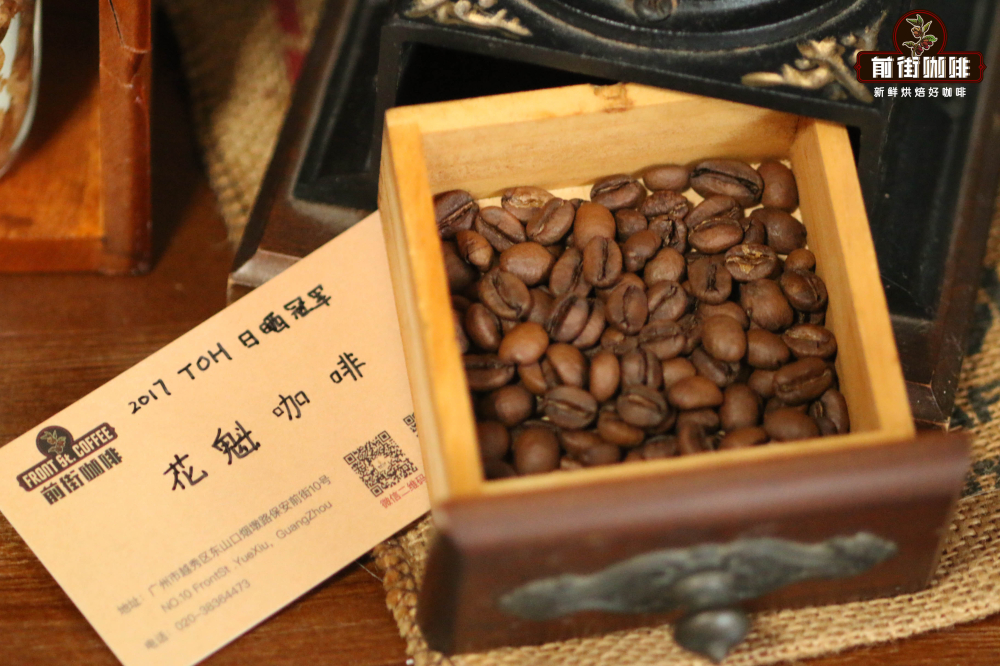
In 2020, Ethiopia held the Cup of Excellence (CoE) for the first time, and the classification of coffee varieties among the top 28 finalists was finer than anyone expected. Dega, ranked 21st, has two quite different versions of the origin of its name. One account says the name Dega comes from a type of firewood, and Dega's aroma during roasting closely resembles the smell of this firewood burning. Another account explains that dega is the root word in Ethiopian language for "highland and shady place," and Dega often grows in high-altitude areas. Unfortunately, because Dega did not make the top 14 in this CoE competition, no related flavor descriptions could be collected. The Huakui 4.0 that FrontStreet Coffee procured this time is precisely the Dega variety.
Green Bean Analysis
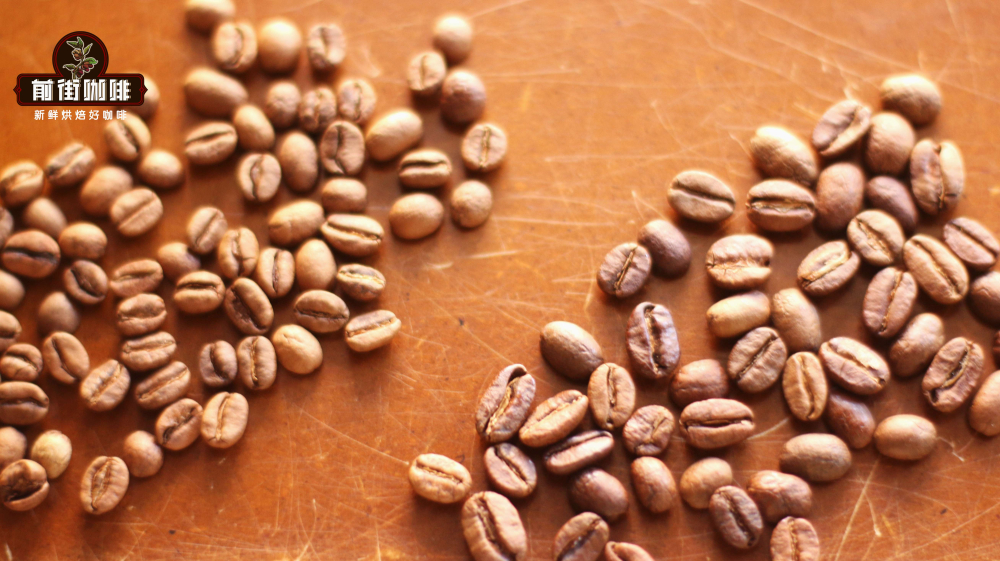
The batch of Huakui 4.0 procured by FrontStreet Coffee has smaller bean size compared to the other two Huakui 3.0, which is due to variety differences. Huakui 3.0 is an Ethiopian native variety, while Huakui 4.0 is the Dega variety. In addition, Huakui 3.0's beans are relatively uniform in size because they were screened after picking, whereas Huakui 4.0 was not screened, so the beans appear uneven in size.
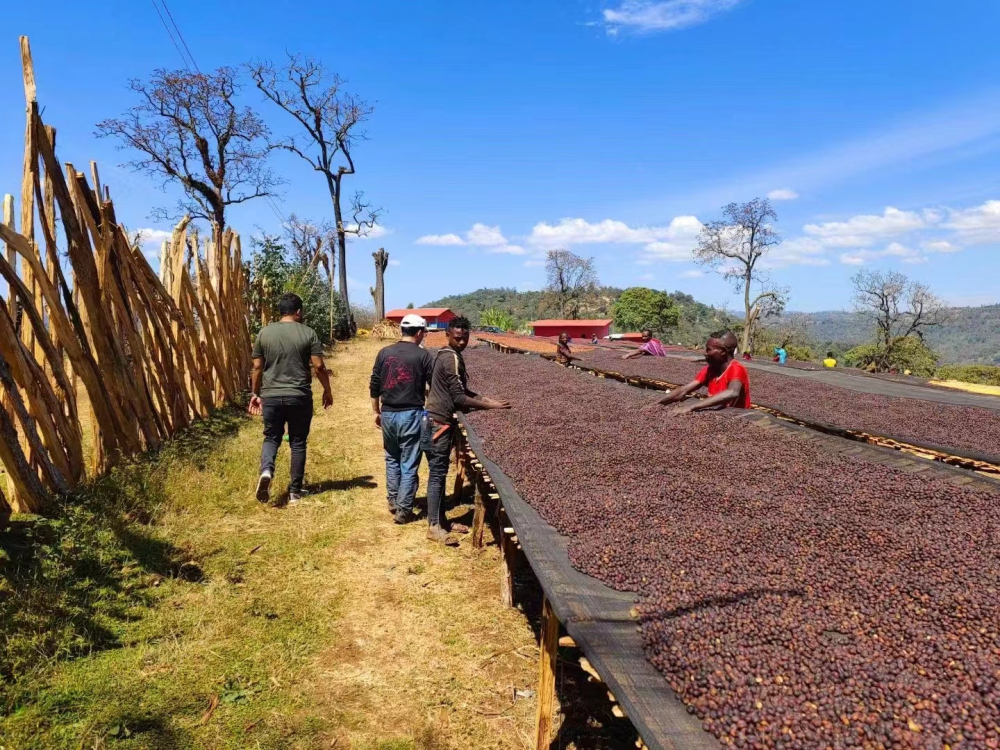
FrontStreet Coffee: Ethiopia Huakui 5.0 Country: Ethiopia Region: Sidamo Guji Hambella Region Altitude: 2350m Variety: Native Heirloom Processing Method: Sun-dried Harvest Season: 2021
Due to the continued popularity of Huakui coffee beans, DW Company, which handles Huakui, established three additional processing plants—"Buku Saysay," "Haro Soresa," and "Tirtiro Goye"—on top of the original "Buku Abel" processing plant, and the green bean purchasing range also expanded accordingly. This arrangement began in 2019, and at first it was still possible to distinguish which processing plant the coffee beans came from; by the time of Huakui 5.0 in 2021, these details were no longer emphasized. Therefore, Front Street was not surprised by the flavor direction of 5.0.
FrontStreet Coffee Roasting Analysis
Comparing the green bean state of Huakui 5.0, the freshly processed 5.0 appears pale green with moisture content still on the high side, measured at 11.2% by instrument. Huakui 5.0 has larger beans than last year's Huakui, with almost no small beans visible, presumably having been separated from the small-bean Huakui.
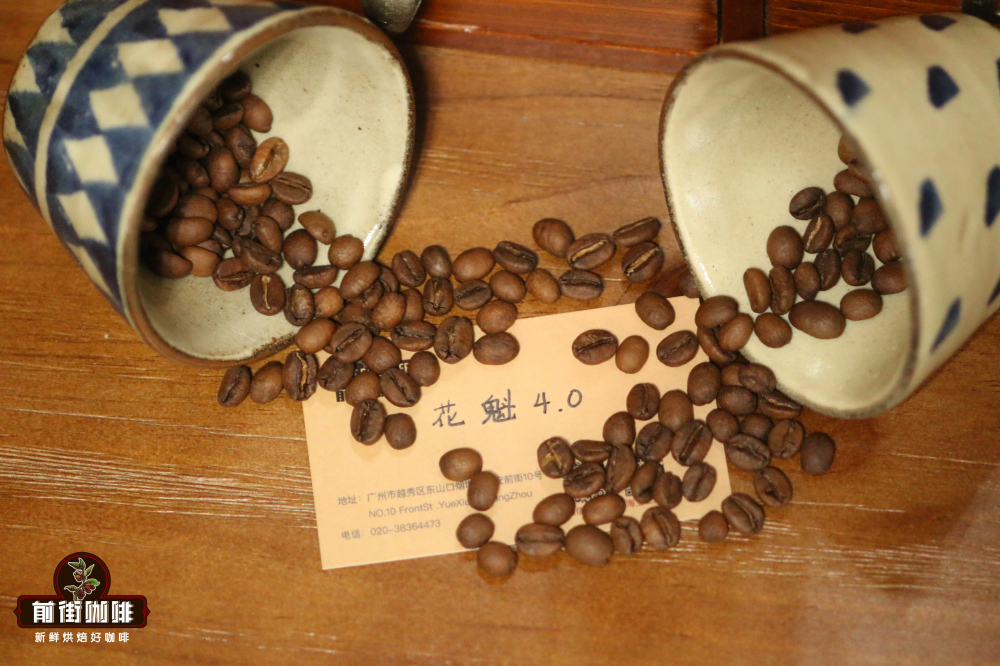
FrontStreet Coffee uses a Taiwan Yangjia 800N machine, charging beans at 190°C, completing dehydration and turning yellow at nearly 6 minutes (yellow point around 150-153°C). First crack begins at around 9 minutes 50 seconds (Huakui's first crack comes later than typical beans, and the cracking sound is very weak). The development time after first crack should be controlled to no more than 1 minute 30 seconds and no less than 1 minute (it is recommended to open the damper wide and lower the heat to regulate speed). Smelling with a sampling spoon, at around 193°C the strawberry jam aroma can be detected, and the beans can be dropped at that point, with overall time best controlled within 11 minutes.
FrontStreet Coffee Brewing Sharing
In order to fully extract the rich layers of Huakui coffee beans, Front Street adopts a higher water temperature and finer grind size for extraction, but to avoid over-extraction caused by high temperature, a faster-flow dripper such as the V60 is used.
Brewing Parameters: V60 dripper, water temperature 90°C, water-to-coffee ratio 1:15, coffee dose 15g, grind size (80% passing rate on China No. 20 standard sieve)
Using Front Street's three-stage brewing method: first preheat the coffee pot and dripper, pour in 15g of coffee grounds, and gently tap level. Pour 30g of water for a 30-second bloom; a longer bloom time is not recommended, as it can easily produce astringency.
For the second stage, pour 120g of water in a concentric circle from the center outward, with the pour completed at about 1 minute. When the coffee bed is almost visible, pour the final stage, adding 90g of water in the same manner. After all the water has flowed into the server, remove the dripper to end extraction. Total brewing time is 2 minutes 05 seconds.
Flavor Description: Citrus acidity, full juice body, lemon black tea tea-like quality, lasting sweetness.
Fast forward to 2024, Huakui welcomes its eighth version. The latest harvest-season batch follows years of naming conventions and is launched as "Huakui 8.0." Tasting the new Huakui has become the top priority for devoted fans. To present the refined floral and fruity flavors of the Sidamo region while preserving the coffee's caramelized aromas, Front Street's roaster uses a medium-light roast to showcase this bean.
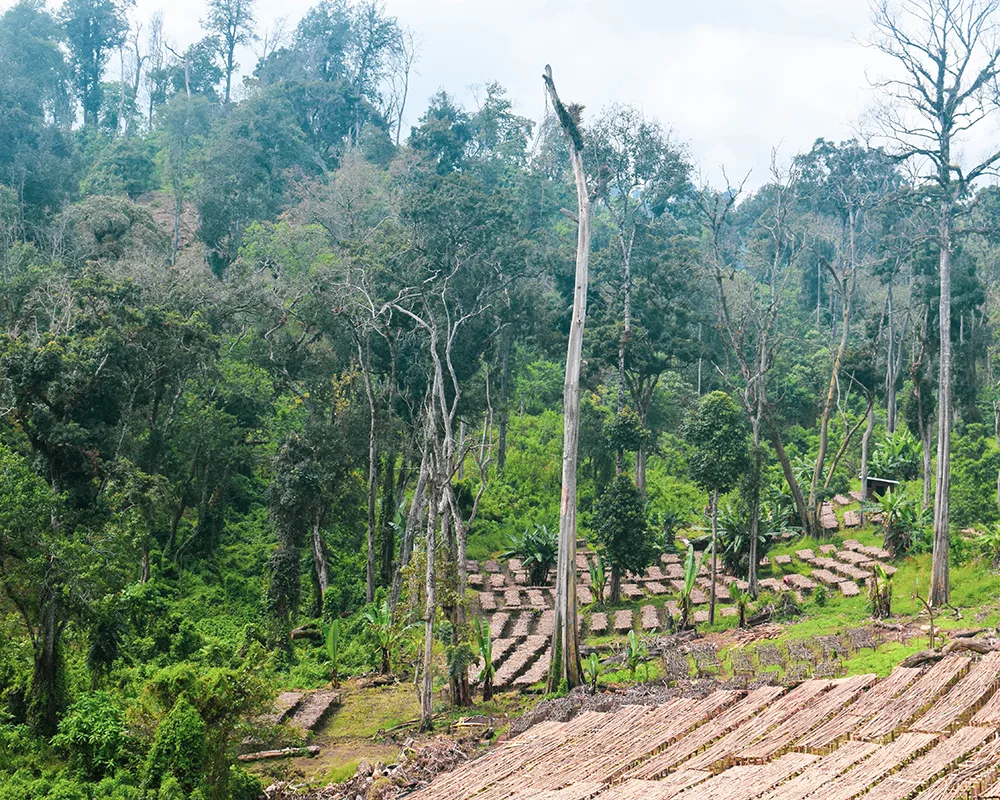
FrontStreet Coffee: Sidamo · Huakui 8.0 Coffee Beans Country: Ethiopia Region: Sidamo · Guji Region Altitude: 2250–2350 meters Variety: Local Native Heirloom Processing Method: Sun-dried⟧Flavor: Floral, jackfruit, dried fruit, apricot, juicy
For professional coffee knowledge exchange and more coffee bean information, please follow Coffee Workshop (WeChat public account: cafe_style)
For more specialty coffee beans, please add the private WeChat of FrontStreet Coffee: kaixinguoguo0925
The above content is compiled by CoffeeHunters, a coffee news website.


