







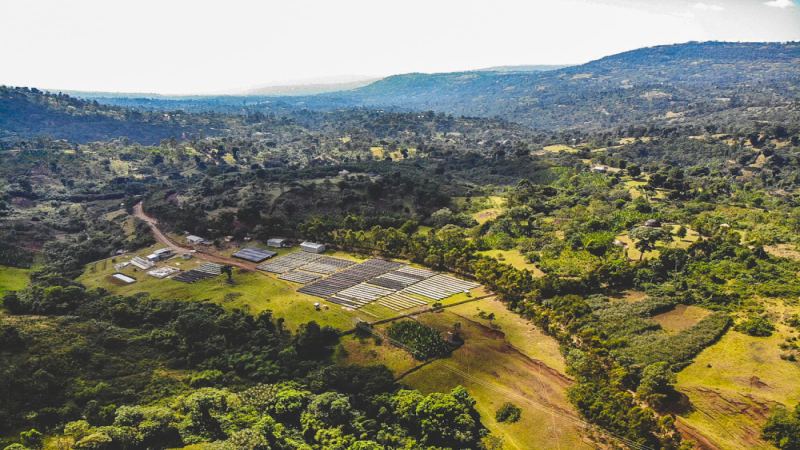
What is Yirgacheffe, and how does it relate to Sidamo and Hambela?
Hambela is a sub-region of Guji in Ethiopia's Oromia State, named after the area where the coffee grows, while Huakui is the Chinese trade name for natural-process lots from the Buku Abel processing station. Guji was part of the Sidamo producing region until 2010, when the Ethiopia Commodity Exchange listed it separately. Sidamo sits in southern Ethiopia and is known for citrus acidity, berry notes, and elegant sweetness.
Guji lies southeast of Yirgacheffe, and Hambela faces Yirgacheffe's Kochere across a plateau roughly 3,200 meters high and about 30 kilometers wide, bordering Shakiso, Uraga, and Kercha. The first Huakui appeared in 2017 as a TOH green bean competition champion lot, and a new version has been released most years since, with the 2024 harvest sold as Huakui 8.0.
Huakui coffee beans have remained popular since their debut in 2017, but many people are unclear about the origin of their name and their producing region. Starting from the terroir conditions of Ethiopia's Sidamo and Guji regions, this article sorts out the administrative affiliation and geographical features of the Hambela sub-region, recounts how the 2017 TOH green bean competition champion lot came to be named Huakui, and explains that only the natural-process lots from the Buku Abel processing station deserve this title. It also compiles the roasting parameters, cupping flavors, and brewing suggestions for Front Street Coffee Huakui 8.0, and reviews the flavor differences among Huakui versions over the years and their causes.
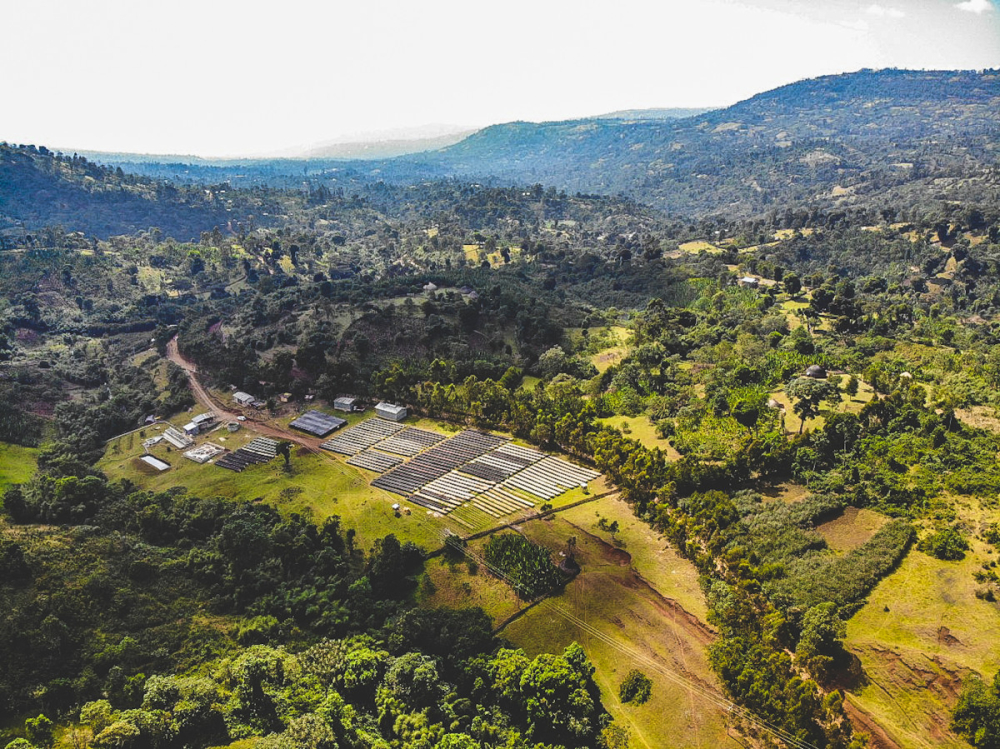
Sidamo is located in southern Ethiopia and is known for its bright citrus acidity, berry notes, and pleasant elegant sweetness, making it one of Ethiopia's most representative specialty coffee regions.
When talking about Sidamo coffee, one cannot avoid a bean called "Huakui." Since coming to market in 2017, Huakui coffee beans have had a large following. Front Street Coffee (FrontStreet Coffee) has continuously sold this Front Street Sidamo Huakui coffee bean since 2017, and Huakui basically releases a new version every year. For example, the 2024 harvest Huakui was named Front Street Ethiopia Huakui 8.0.
The origin of the name "Huakui"
If you pay a little attention, you will notice that the Chinese name and English name of the bean "Huakui" do not correspond—the Chinese name is "Huakui," while the English name is mostly written as "Hambella," which translates literally as "Hambela."
What is the reason for this difference?
Hambela is actually named after this coffee's producing region. It belongs to a sub-region under the Guji region and is administratively under the Oromia State. To the west, Hambela faces Yirgacheffe's Kochere across high mountains, with a plateau about 3,200 meters above sea level and about 30 kilometers wide lying between them. To the southeast and north, it is adjacent to other Guji sub-regions: Shakiso, Uraga, and Kercha.
The Guji region was once classified as part of the Sidamo coffee producing region until 2010, when it was separately listed as a new producing region by the Ethiopia Commodity Exchange (ECX). This region is located southeast of Yirgacheffe, with complex terrain where high mountains, valleys, and plains are interwoven. The soil in the area is fertile black soil (Vertisol), with a soil layer nearly two meters thick, and an average altitude of more than 1,800 meters. The significant temperature difference between day and night brought by the unique terrain provides a good terroir foundation for the local production of high-quality specialty coffee.
In 2017, Ethiopia's DW Green Bean Company submitted its coffee beans to the TOH (the Taste Of Harvest) green bean competition hosted by the African Coffee Association. A natural-process lot from the Buku Abel processing station won the TOH Ethiopia championship with its rich strawberry and cream aroma. This lot of green beans was subsequently introduced by a green bean trader in Beijing, and because of its championship status, it was given the name "Huakui."
In the same year, Li Jianfei from Beijing used this Huakui coffee to compete in the 2017 World Brewers Cup China region and ultimately won second place, further increasing Huakui's visibility. At that time, the Gesha variety dominated the competition stage, and almost all contestants chose Gesha, yet this heirloom variety from Ethiopia defeated many Geshas to take second place (of course, achieving a good ranking cannot be attributed solely to Huakui's quality, but Huakui's own good quality was undoubtedly one of the important factors). Therefore, it is not surprising that everyone regarded Huakui as a coffee comparable to Gesha.
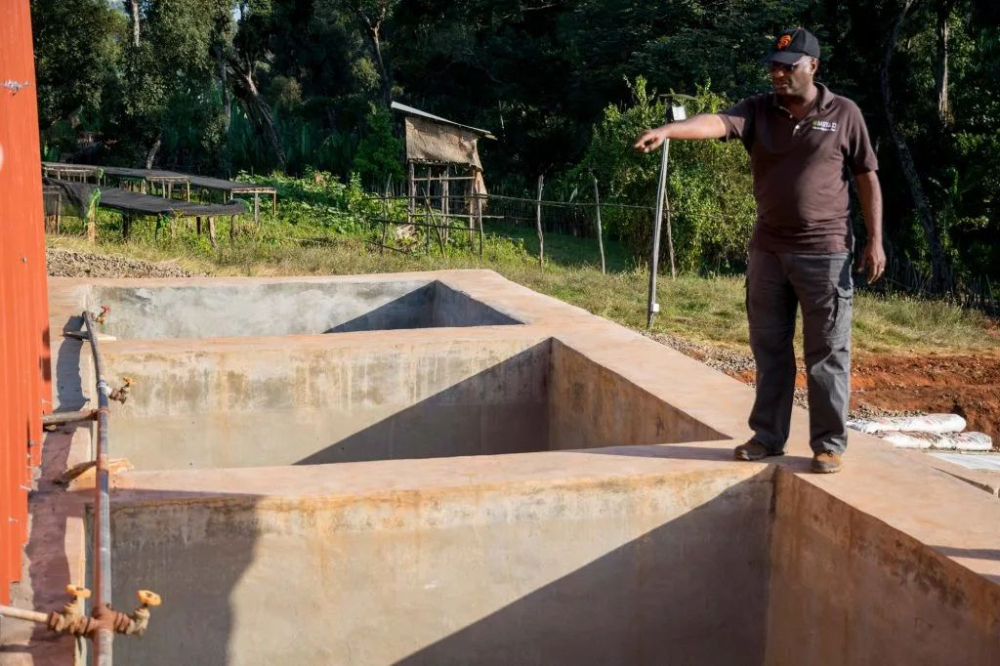
Afterward, DW Company successively added processing stations in Dimtu, the core production area of Hambella, including "Buku Abel," "Buku Saysay," "Haro Soresa," and "Tirtiro Goye," with an annual coffee output of about 1,100 tons. From the perspective of growing regions and processing stations, among these estates and processing stations, only the natural-process coffee beans produced by the "Buku Abel" processing station are qualified to be called "Huakui."
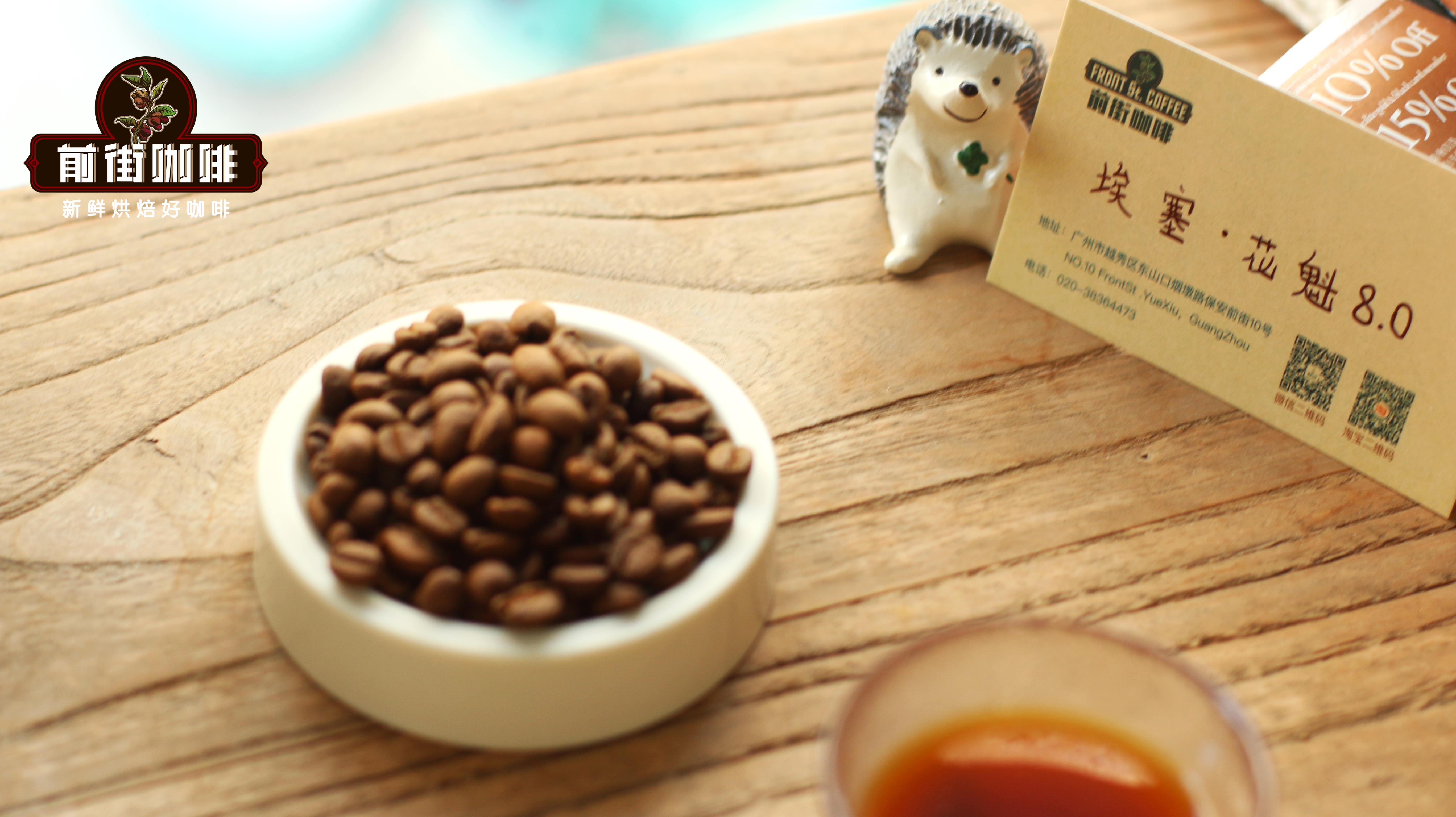
Front Street Coffee (FrontStreet Coffee) Ethiopia Sidamo Natural Huakui 8.0
Region: Sidamo Guji producing region
Altitude: 2250-2350m
Variety: local heirloom varieties
Processing method: natural process
Front Street Coffee (FrontStreet Coffee) roasting parameters
In order to highlight the floral-fruity character and aroma of this Front Street Sidamo Natural Huakui, Front Street chose a medium-light roast. By extending the dehydration phase to lock in the coffee's aroma, beans were charged at 175°C. At the turning point of 1 minute 32 seconds, the temperature was 96.2°C, with a gas setting of 120 and airflow of 3, allowing the drum to heat evenly. At 6 minutes, it reached the yellowing point and entered the Maillard phase, with the gas increased to 140. At 9 minutes 50 seconds, first crack began. Beans were dropped 1 minute 40 seconds after first crack, with a drop temperature of 196°C.
Front Street Coffee (FrontStreet Coffee) cupping flavors
Front Street Coffee (FrontStreet Coffee) brewing suggestions
Brewing equipment: HARIO V60
Parameters: 15g coffee / 1:15 / 90°C
Grind size: medium-fine grind (78% passing through China standard No. 20 sieve)
Method: First bloom with 30g of water for 30 seconds, then pour directly from the center to 125g and then in stages. After the coffee bed appears, pour water to 225g. After the coffee bed appears again, remove the dripper. Total extraction time is 2 minutes 00 seconds.
Flavor: citrus acidity, full berry juice body, lemon black tea tea-like quality, lasting sweetness.
Why does Huakui taste different every year?
Looking back at the cupping flavors of Huakui over the years compiled by Front Street Coffee (FrontStreet Coffee):
[Huakui G1] Smooth, passion fruit, fermented wine aroma, jackfruit, strawberry.
[Huakui 2.0] Overall clean, more prominent berry aroma, with nutty notes, richer mouthfeel.
[Huakui 3.0] Light strawberry jam, black tea tea-like quality, sweetness with a relatively short finish.
[Huakui 3.1] Floral, cream, tropical fruit, caramel, lasting sweet aftertaste.
[Huakui 4.0] Citrus acidity, full berry juice body, lemon black tea tea-like quality, lasting sweetness.
In fact, Huakui coffee is far from the only one whose flavor fluctuates year by year; the vast majority of coffees show similar situations. The reason is that coffee is ultimately a plant and an economic crop. Factors such as climate, planting soil, fertilization conditions, and rainfall in a given year all affect coffee yield and quality to varying degrees; and the technical methods and attention to detail in subsequent processing also influence the final flavor of the finished product. Therefore, it is entirely normal for Huakui coffee's flavor to show slight differences each year.
In addition, picking and sorting are also reasons for batch differences. If you observe carefully, you can find that the 2017 Huakui coffee beans varied in size (this is one of the characteristics of Ethiopian coffee beans, partly due to the coffee grading system based on defects, and partly because of the wide variety of heirloom varieties). By the second year's Huakui 2.0, the bean size had become more uniform, while today's Front Street Sidamo Huakui 8.0 beans are even smaller. Just from the appearance of the coffee beans, one can also see how it differs from previous years.
This year, Huakui's changes do not stop there. Washed Huakui coffee beans and black honey processed Huakui coffee beans have even appeared on the market, making the coverage of the name Huakui more diverse.
For more specialty coffee beans, please add the private WeChat of Front Street Coffee (FrontStreet Coffee), WeChat ID: kaixinguoguo0925
The above content is compiled by CoffeeHunters, a coffee news website.


