







What links geisha coffee, Yirgacheffe, and Huakui beans?
Ethiopian coffee, not geisha coffee, is where most drinkers start. Yirgacheffe was once part of Sidamo and became famous through washed processing, showing clean floral and citrus notes. Huakui, from Sidamo, won the 2017 TOH competition with strawberry cream flavor, starting the yearly Huakui X.0 naming tradition.
Panama geisha coffee sits at the opposite end, priced as a luxury, while Ethiopian beans stay affordable and serve as everyday staples. The two regions differ in cup too: Yirgacheffe is praised for a clean mouthfeel and white florals, Sidamo for rich berry acidity. Roast profiles and cupping scores separate Huakui 6.0 further.
Ethiopian coffee has always been the go-to entry point for coffee lovers, with Yirgacheffe and Sidamo being especially well-known. Yirgacheffe was once part of the Sidamo production region, but later became famous in its own right due to the introduction of the washed processing method, known for its fresh and bright floral and citrus notes. The Huakui coffee beans from the Sidamo region, on the other hand, won the 2017 TOH competition with their rich strawberry cream flavor, thus starting the annual iterative "Huakui X.0" naming tradition. This article will sort out the relationship and differences between Yirgacheffe and Huakui coffee beans, explain in detail the roasting and taste characteristics of Huakui coffee beans, and share Front Street Coffee's cupping performance and brewing suggestions for Huakui 6.0, taking you through a comprehensive understanding of these two Ethiopian star coffee beans.
There is a coffee origin that almost every person who has just come into contact with coffee will hear about. Compared to the expensive Jamaican Blue Mountain, Ethiopian coffee, with its affordable price and richly layered aroma, has naturally become the entry choice for many coffee lovers, and is often the top pick as an everyday staple bean.
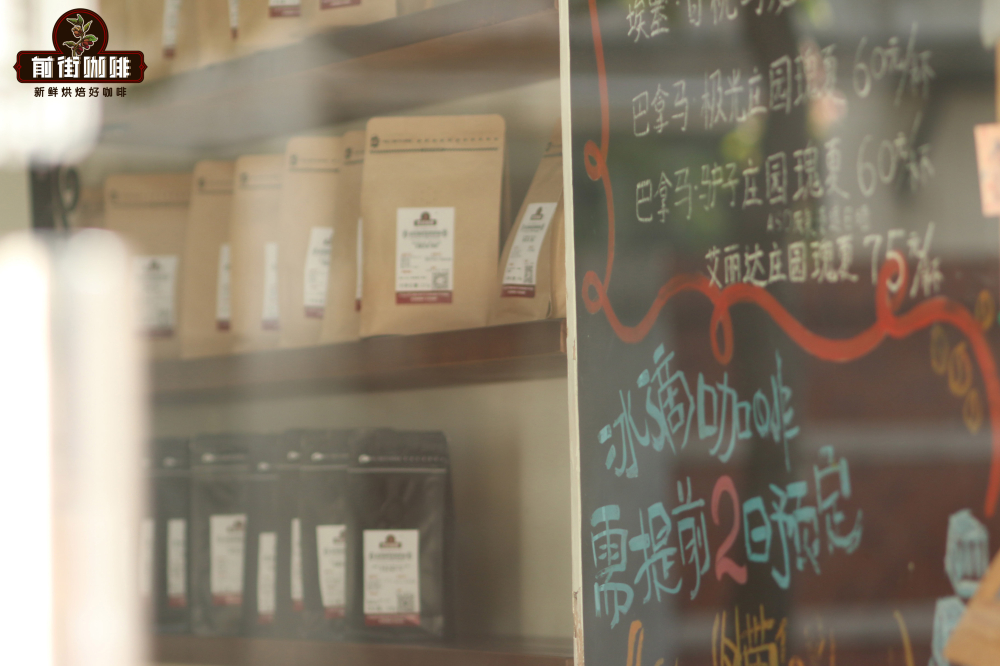
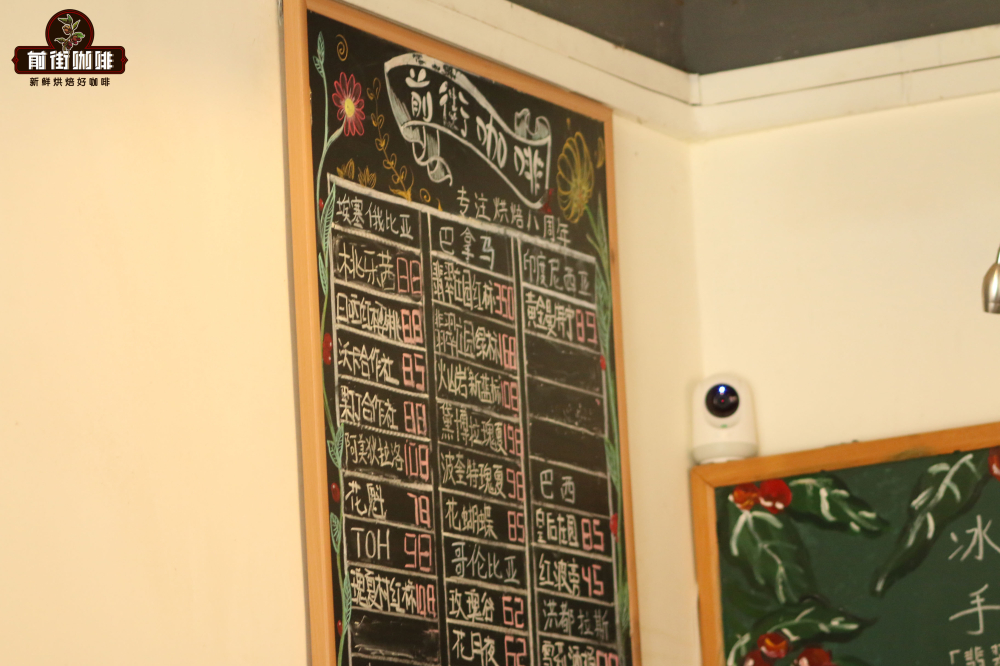
Similarly, compared to Panama Geisha, which is known as the nobility of coffee, Front Street Coffee often encounters customers asking: Do you have Yirgacheffe or Sidamo beans? As the third wave of specialty coffee continues to advance, coffee beans from these two regions, Yirgacheffe and Sidamo, have almost become standard offerings in every independent cafe. On the blackboard at Front Street Coffee listing nearly fifty kinds of coffee beans, they each occupy their own dedicated section.
Friends who have tried Yirgacheffe and Sidamo should still vividly remember the differences between the two. Yirgacheffe is usually praised for its clean and transparent mouthfeel and delicate white floral notes, while Sidamo has won over a group of seasoned coffee fans with its rich berry acidity and aroma.
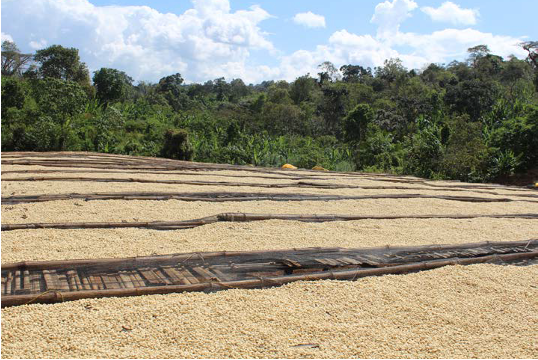
Interestingly, the Yirgacheffe region was once part of the Sidamo region. In the 1970s, the Ethiopian government introduced the washed processing method from Central and South America in order to improve the quality of the country's green coffee beans. After the coffee cherries were selected, the skin, pulp, and mucilage were thoroughly washed clean, and then evenly spread on raised beds for sun drying.
Because the excess sugars and other substances in the skin and pulp no longer participated in the processing, the parchment beans dried faster and could ultimately present the aroma of the coffee beans themselves more clearly, showing a bright and uplifting flavor direction. In this way, the characteristics of Yirgacheffe coffee were discovered by the world, and that delicate white floral note quickly became popular throughout the coffee community, to the extent that some people in other regions even falsely claimed to be growing Yirgacheffe. Before long, Yirgacheffe became independent from Sidamo and established its own style, and Yirgacheffe-style coffee then swept the world, becoming a classic passed down by word of mouth among many coffee lovers.
After Yirgacheffe made its name, many familiar processing stations also emerged there, such as Worka, Gotiti, and Konga. Although Yirgacheffe's overall flavor is fresh and bright, each processing station has its own character. Take Gotiti on Front Street Coffee's bean list as an example. For this washed coffee bean, Front Street captured citrus notes, a faint white floral aroma, and a refreshing green tea-like tea body during cupping.
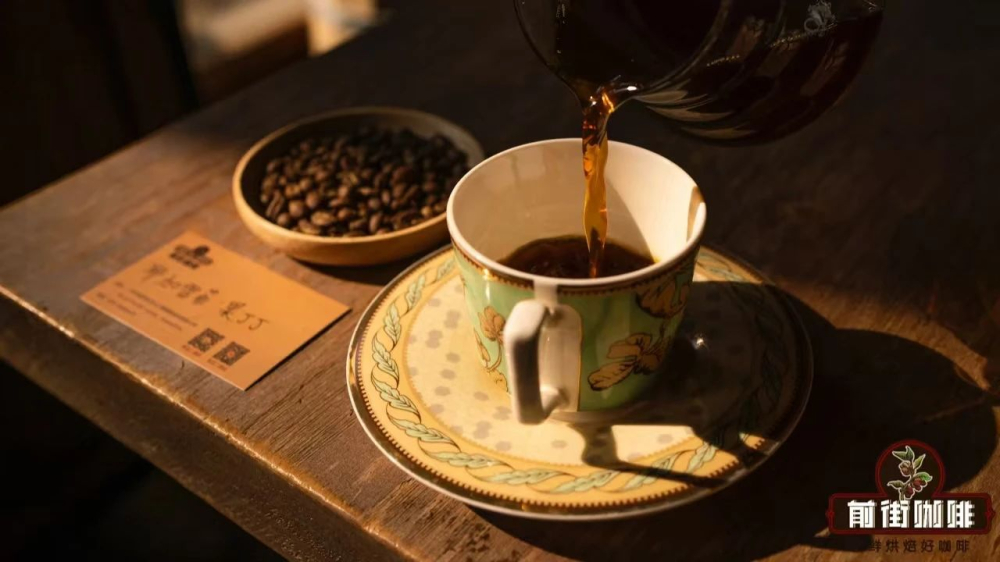
Compared to refreshing Yirgacheffe, some friends prefer Sidamo coffee beans with a wild berry and cream profile. Among the many beans from the Sidamo region, the Huakui coffee beans listed by Front Street Coffee are a Sidamo coffee that has attracted much attention from coffee lovers for many years.
Huakui coffee beans come from the Hambela sub-region of the Sidamo region, which is the sub-region with the highest growing altitude in Ethiopia, facing the Kochere sub-region of Yirgacheffe across the mountains. Under mild temperatures and the careful tending of local growers, Huakui coffee beans are sweet and tart, with a delicate mouthfeel. Friends who often buy Ethiopian coffee beans should know that Ethiopian beans are usually named after their origin or processing station. But Huakui coffee beans clearly come from the Hambela sub-region, so why are they called Huakui?
In 2017, the Ethiopian green bean company DW sent a naturally processed coffee bean from the Buku Abel processing station in Hambela to compete in that year's TOH competition. With its rich strawberry cream flavor, it won over the competition judges and took the championship in the natural group of the Ethiopian region in the 2017 TOH competition.
The Beijing green bean merchant Hongshun introduced the same winning batch of natural champion beans into the mainland Chinese market. After tasting it, they named this coffee bean "Huakui," meaning the foremost of a hundred flowers, hoping that one day this bean would become as famous as Geisha. In the same year, a competitor used Huakui coffee beans as competition beans for a brewing competition. At that time, Panama Geisha coffee's exquisite flavor captivated batch after batch of coffee connoisseurs, and Geisha coffee beans swept through major coffee competition venues. Competitor Li Jianfei used Huakui coffee to compete and won second place in the China region of the World Brewers Cup, giving Huakui coffee beans a wave of popularity.
Unlike coffee beans such as Gotiti, Huakui coffee changes its name every year. Last year it was clearly Huakui 5.0, so why all of a sudden is the whole world asking about Huakui 6.0 coffee beans?
The Huakui IP is properly operated by Hongshun Coffee. Since Huakui coffee beans won the TOH natural championship in 2017, it has now launched its sixth-generation product. 2017 was the first generation of Huakui, 2018 was Huakui 2.0, 2019 was Huakui 3.0, 2020 was Huakui 4.0, 2021 was Huakui 5.0, so 2022 is naturally Huakui 6.0. It can be seen that Huakui coffee has followed the "Huakui X.0" naming method for many years.
In previous years, Front Street Coffee would launch the new-season Huakui coffee beans as early as possible. This year, Front Street Coffee also obtained a batch of Huakui 6.0 coffee beans from Hongshun Coffee. However, when Front Street Coffee received Hongshun's Huakui 6.0 green coffee beans, it found that many of the green beans had irregular shapes, such as flat beans and shell beans, and other green beans with unplump appearance. Before roasting this batch of Huakui 6.0, Front Street Coffee's roaster removed 20% to 30% defective beans before starting to roast. After Front Street Coffee's barista received the freshly roasted Huakui Coffee 6.0, a random sample of 15 grams could still yield quite a few irregular coffee beans, far more than in previous years.
Front Street Coffee cupped this Huakui 6.0 and found that its berry, honey, and passion fruit flavors were obvious, with a prominent sweetness.
However, because the defect rate of this batch of Huakui 6.0 was really too high, Front Street found another batch of Huakui coffee beans processed in the new season through the Hambela Buku processing plant. The new-season Huakui coffee beans listed by Front Street are also from the Hambela region and processed by the Buku processing plant. The beans are plump and similar in appearance to Huakui coffee beans from previous years.
Front Street also cupped this newly listed new-season Huakui coffee bean and found that this Huakui has citrus, honey, and grapefruit flavors, with a slight orange blossom aroma and a very strong juicy quality.
In order to highlight the bright and uplifting acidity of Ethiopian coffee, Front Street Coffee generally uses a medium-light roast for coffee beans from Ethiopia. As the roast level trends lighter, when the coffee beans are ground into powder and brewed, the dissolution rate of flavor substances slows down. In order to fully extract the ideal flavor, Front Street Coffee recommends the following brewing plan:
Dripper: Hario V60
Water temperature: 91 degrees Celsius
Dose: 15 grams
Coffee-to-water ratio: 1:15
Grind size: 80% passing through a Chinese standard No. 20 sieve
The coffee beans shipped by Front Street are freshly roasted within 5 days, and by the time they arrive, 4 to 7 days of resting have already passed. However, after roasting, coffee beans contain plenty of carbon dioxide gas inside the bean body, which suppresses the extraction of flavor substances by water during brewing and can also give the coffee a "harsh" sensation. Therefore, Front Street Coffee recommends performing a bloom during brewing.
First pour 30 grams of hot water to bloom for 30 seconds, then pour from the center with a thin stream while slowly circling to 125 grams. When the water level in the dripper drops to the point where the coffee bed is about to be exposed, continue circling and pouring to 225 grams. The total extraction time is about 2 minutes.
For more coffee bean information, please follow Coffee Workshop (WeChat public account cafe_style)
For professional coffee knowledge exchange, please add WeChat ID kaixinguoguo0925
The above content is compiled by CoffeeHunters, a coffee news website.


