







Search Results for: Flavor Perception Training
Is a coffee tasting cup worth buying? Does a aroma cup provide any real help in enhancing aroma? Training ideas for sensory perception of pour-over flavor
Coffee drinkers often run into a question: those uniquely shaped tasting cups—do they really help us better perceive flavor, or are they just a waste of money? This time, Front Street will start with the origins and design logic of tasting cups, breaking down clearly the reasons why a cup affects taste and smell. It will also discuss whether aroma cups are actually useful, and how we can train our flavor perception in everyday pour-over brewing. If you've ever stood indecisively in front of a row of cups, or want the pour-over in your hands to taste more layered, this article will offer some practical reference. [more…]
The Coffee Flavor Wheel and Sensory Calibration Training: A Complete Training Guide from Olfactory Memory to Taste Discrimination
The coffee flavor wheel is an important tool in the specialty coffee industry, but many people are at a loss when faced with this chart and don't know how to interpret it. This article systematically sorts out the development background and practical value of the coffee flavor wheel, and provides an in-depth explanation of specific methods for sensory calibration training—from the daily accumulation of aroma memory to the dual perception mechanism of taste buds and mouthfeel in taste discrimination. Only by building a personal flavor memory bank through scientific training can you truly understand a cup of coffee. The article also introduces the working principles of the tongue's two types of receptors, as well as the material basis behind smoothness and astringency. If you want to improve your tasting ability, this training method is worth studying repeatedly. [more…]

Only tasting bitterness in your coffee? Master this sensory training method to easily distinguish the flavor differences between different coffees.
Many people drink coffee every day, yet they can only ever taste bitterness and find it hard to distinguish the flavor differences between different beans. In fact, tasting ability is not innate—through scientific and systematic sensory training, everyone can gradually discern the unique tastes of coffees with different roast levels, from different regions, and processed by different methods. This article will share a practical set of tongue training methods, from buying coffee and brewing comparisons to recording taste impressions, to help you gradually improve your sensitivity of taste and smell. It will also remind you of precautions during training, such as keeping your nasal passages clear and the importance of quitting smoking. As long as you keep practicing, you will find that the world of coffee is far richer and more wonderful than you imagined. [more…]

SCA Specialty Coffee Flavor Wheel User Guide: How to Interpret It Correctly and Download High-Resolution Images
The coffee flavor wheel is an important tool for coffee enthusiasts and professionals in sensory training, but the prerequisite is that one must correctly master its method of use. The most commonly used version at present is the one released by the SCAA in 2016, and many coffee training institutions use it as sensory teaching material. Front Street uses this flavor wheel as a blueprint and introduces how to understand and digest it from four aspects: do not blindly follow the flavor wheel, seek flavor relationships from the three-ring structure, use colors for association, and observe the density details among categories. Although understanding the flavor wheel cannot make you immediately taste all flavors, it can help you systematically sort out the connections among various flavors in coffee, and then by tasting more in correspondence with the flavor wheel, gradually step into the door of coffee flavor sensory perception. [more…]
Why Is Coffee Floral Aroma So Hard to Detect? Explaining the Causes of Floral Aroma, Three Major Aroma Types, and Sensory Identification Training Methods
Many coffee enthusiasts, when brewing beans with prominent floral and fruity notes, can capture the floral aroma right from the grinding stage, but some people are never able to perceive this flavor. Where exactly does the floral aroma in coffee come from? Why are some people sensitive and others dull to it? Starting from Front Street's brewing experience, this article sorts out the compound sources of floral aroma and the influence of roasting, introduces the three major floral aroma categories in the coffee flavor wheel—delicate/fresh, subtle/elegant, and muted/heavy—along with their representative flowers, and shares a practical method for practicing floral aroma recognition with the help of sinus perception, to help you more accurately capture that fleeting fragrance in coffee. [more…]

A Guide to Improving Coffee Flavor Perception: A Complete Analysis from Using the Flavor Wheel to the Mechanisms of Aroma Discrimination
The world of coffee flavor is richly layered, but many people can only taste sourness and bitterness, struggling to capture those stunningly delicate aromas. To truly appreciate the value of an expensive cup of coffee, you need to systematically train your flavor perception. From the perspective of Front Street, this article breaks down the composition of coffee flavor—how taste and aroma combine—explains in depth the chemical makeup and volatile characteristics of coffee aroma, and introduces the two mechanisms by which the human body perceives aroma: orthonasal and retronasal olfaction. At the same time, the article details how to use the Super Clear Flavor Wheel to make abstract flavors concrete, and how to gradually build a personal aroma memory bank by drinking more, smelling more, and feeling more, ultimately improving your precision in discerning coffee flavors. [more…]
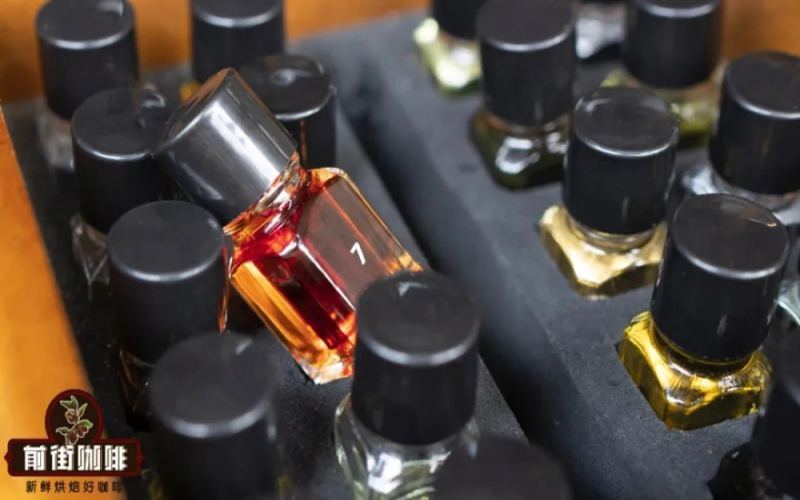
Is the aroma kit worth buying? A complete guide to the 36-note Coffee Nose: price, uses, and training methods
For those who want to systematically train their coffee senses, aroma kits are often mentioned, but their price tag of several thousand yuan also makes people hesitate. This article focuses on the 36-note "Coffee Nose" kit, introducing the origins and evolution of aroma kits, their use in SCA courses, and detailing the specific flavors in the four major categories: enzymatic, caramelization, dry distillation, and defective. It also shares methods of use, from memorizing by category and group blind testing to mixed blind testing, helping beginners calibrate their sense of smell and taste. At the end, Front Street also offers rational advice: an aroma kit is not a necessity—smelling more, drinking more, and feeling more is what really matters. [more…]

Why can unsweetened black coffee taste sweet? Analyzing the factors that influence coffee sweetness and perceived sweetness
Many people, upon first hearing a barista say "this coffee is very sweet," will look utterly confused: there's clearly no sugar added, so where does the sweetness come from? In fact, when coffee people talk about "sweetness," they mean two dimensions—sweetness level and sweet perception. Sweetness level depends on variety, cultivation, processing method, and roast degree, while sweet perception is a comprehensive experience produced by aroma and taste working together. During roasting, a large amount of coffee's sugars have already been broken down and transformed, and the sweetness we perceive often needs to be amplified through aroma associations and taste contrasts. This article will break down, one by one, the factors affecting coffee's sweet expression, and offer practical suggestions for training yourself to capture sweet perception. [more…]
Coffee Flavor Map | How Can Coffee Beginners Train and Build Their Coffee Sensory System? Are Aroma Kits Helpful for Coffee Flavor Tasting?
As coffee has gradually become more widely recognized, specialty coffee promotion in cafés has emerged in response, and we too have begun tracing things back to their roots—we have come to treat coffee as culture. The rise of specialty pour-over coffee undoubtedly reflects the demands of the market and the needs that cafés have identified. Café counters have also begun to lower their "status," no longer featuring the early design of a bar raised a foot high. [more…]
Coffee Flavor Tasting | How Can Coffee Novices Build Their Coffee Sensory System? How Should Coffee Beginners Train Their Coffee Senses Daily?
Coffee today is no longer just a "functional drink" used to wake you up; it is also a medium that holds a wealth of experiences. Thanks to the spread of the concept of specialty coffee, which has brought about a leap in coffee quality, we can now taste the terroir of different places through a single small cup of coffee. For example, [more…]
From Smell to Touch: A Practical Path to Systematically Building Your Personal Coffee Sensory Skills
Coffee tasting goes far beyond taste—it is a coordinated experience of sight, hearing, touch, smell, and taste. This article starts from the interactive setting of a specialty coffee shop and delves into how to train and build your own coffee sensory system through daily accumulation and professional tools. You will learn how smell pulls on taste memory, how the tongue distinguishes the five basic tastes, how touch perceives body and smoothness, and how to use aroma kits such as the 36-aroma coffee nose and the 100-flavor flavor map for deliberate practice. Whether you are a coffee enthusiast or a professional, this method can help you read the flavors in the cup more clearly, making every tasting more enjoyable and more precise. [more…]
Does pour-over coffee have a bitter taste? Exploring coffee flavor evaluation methods through the SCA sensory course
When many people first encounter pour-over coffee, the two questions they ask most often are: what does it actually taste like? Is it very bitter? In fact, the perception of coffee flavor is far more complex than we imagine. The SCA Coffee Sensory Skills course tells us that most of flavor comes not from taste, but from smell. Starting from this angle, this article shares how to improve your ability to identify coffee flavors through everyday training, including practical methods that use fruit memories to assist tasting. At the same time, the article also mentions Front Street Coffee's related products and recommendations. [more…]

Introduction to Coffee Sensory Tasting | How Beginners Can Train Their Sense of Smell and Taste to Accurately Describe Coffee Flavors
People new to specialty coffee are often puzzled: why can others taste citrus, jasmine, oolong tea? Can a cup of coffee really have so many flavors? In fact, the key to identifying coffee flavors lies not in the taste buds, but in the sense of smell. This article will take you from the principles of sensory perception to understand how the taste buds and orthonasal and retronasal olfaction work together, introduce tasting dimensions such as aroma, sweetness, acidity, mouthfeel, flavor, aftertaste, and balance, and offer sensory-training methods that beginners can put into practice—building a flavor memory bank, making good use of the coffee flavor wheel, exercising associative thinking, accumulating through more exchanges, and paying attention to diet and upkeep. The article also combines examples from Front Street Coffee to help you build your own sensory system step by step. [more…]
Building Coffee Sensory Skills from Scratch: A Practical Training Path for Specialty Pour-Over Single-Origin Tasting and an Analysis of SCA Courses
Specialty coffee has developed into a complete knowledge system spanning everything from cultivation and processing to roasting and brewing, and tasting is an indispensable part of it. When faced with professional courses such as Q-Grader and SCA sensory tasting, how should beginners choose? This article offers practical training advice on three levels—accumulating experience through drinking more, distinguishing tastes before discussing flavor, and understanding how flavor is composed—to help coffee lovers gradually build their own flavor memory bank through everyday drinking and describe a cup of coffee's taste and aroma as accurately as a professional. [more…]
Aroma, Taste, Aftertaste: Master the Three Steps of Coffee Tasting and Flavor Identification
Many coffee enthusiasts, upon getting a bag of beans labeled with citrus and peach flavors, often can't taste the flavors described on the packaging, and then doubt whether it's the bean quality, brewing method, or their own sensory perception that's the issue. In fact, the same cup of coffee can be described differently by different people, which is closely related to individual dietary culture, regional background, and taste memory. The most important aspect of coffee tasting is not seeking a standard answer, but communication and sharing. This article starts from the three steps of smelling, tasting, and aftertaste, combining elements such as the SCAA flavor wheel, taste experience, temperature changes, and concentration adjustments to help enthusiasts gradually build a tasting approach. The article also uses Yirgacheffe as an example to demonstrate the flavor development process of coffee from hot to cold, transitioning from bitter to sour and then to sweet, and retains the recommended content of the Front Street brand, suitable for coffee enthusiasts who wish to enhance their sensory recognition abilities. [more…]
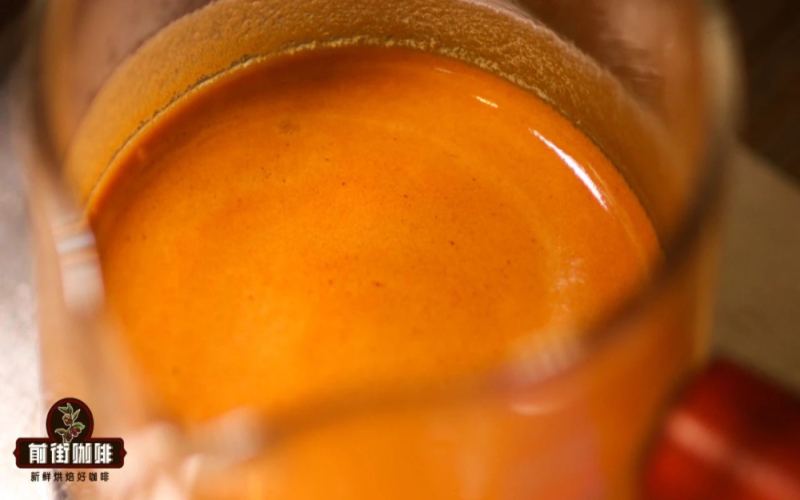
A Comprehensive Guide to the New SCAA Coffee Flavor Wheel: From Sour, Bitter, Sweet, and Salty to 85 Flavor Layers
The update to the coffee flavor wheel has made the tasting system more complete, but many people still feel confused when faced with descriptions like citrus, berries, and nuts. In daily brewing, Front Street Coffee recommends beans from different regions based on guests' taste preferences, while accurately identifying flavors requires systematic training. This article starts with the four major taste spectrums—sour, sweet, bitter, and salty—and, combined with the complete classification of the new flavor wheel, interprets one by one the specific expressions of floral, fruity, herbal, nutty and cacao, sweet, spice, sour and fermented, alcoholic fermentation, roasted, and other categories, helping coffee enthusiasts build a clear framework for flavor perception. [more…]
Coffee Roasting Practical Insights: How Cupping Became a Core Skill and Essential Course for Roasting Coffee
Want to learn coffee roasting? Why is the first step not touching a roasting pan but practicing cupping? Starting from the apprenticeship experience of a seasoned roaster, this article sorts out the key role of cupping in green bean purchasing, roasting curve setting, and flavor judgment, while reviewing the shifts in China's roasting market over more than two decades and how the concept of specialty coffee has slowly seeped into consumers' awareness. The article also weaves in the philosophy of consistent output and real data on customer cultivation, and includes product recommendations from Front Street Coffee, making it suitable reading for every enthusiast who takes coffee beans seriously. [more…]

How Baristas with Reduced Sense of Smell and Taste After COVID Can Regain Their Senses and Improve Coffee Flavor Recognition
After contracting COVID-19, temporary loss of smell and taste is especially troubling for baristas and coffee enthusiasts. Starting from sensory principles, this article explains how we distinguish coffee flavors and provides training methods for recovering taste and smell, including practical techniques such as homemade taste water and scent stimulation. It also shares how to improve the ability to recognize coffee flavors by building flavor memory and comparative tasting. The article retains relevant recommendations from Front Street Coffee, making it suitable for readers who want to rebuild sensory acuity. [more…]
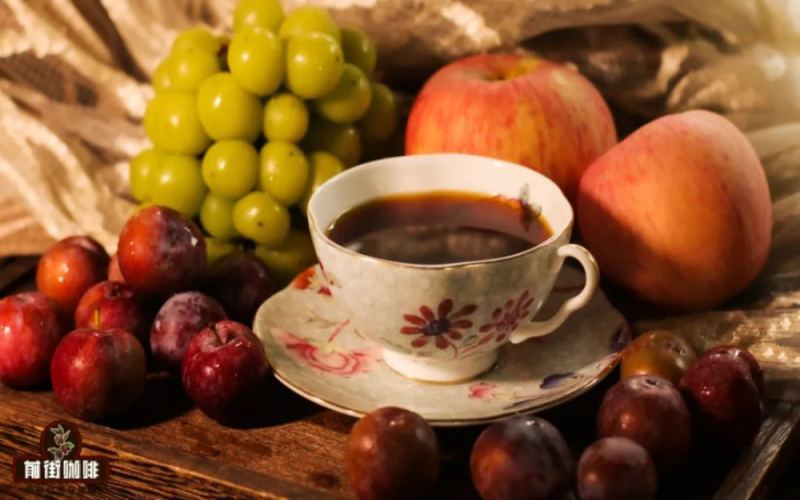
Where Does Coffee Flavor Actually Come From? Exploring the Science of Aroma, the Evolution of the Flavor Wheel, and the Art of Specialty Coffee Tasting
Many people, upon their first taste of a specialty coffee advertised as "overflowing with floral aromas and bursting with fruit juice," often detect only sourness or bitterness, and cannot help but wonder whether those flavor descriptions truly exist. Starting from the scientific principles of taste and smell, this article explains the origins of coffee flavor—the tongue can only perceive five basic tastes: sweet, sour, bitter, salty, and umami, while the concrete flavors we experience, such as strawberry or citrus, are actually associations produced when aroma compounds are captured by the olfactory sense through the nasal cavity and combined with taste. The article also traces the evolution of the coffee flavor wheel from 1995 to 2016, explaining how flavor descriptions became the communication standard for specialty coffee, and points out that there is no shortcut to improving flavor identification ability—it can only be achieved through repeated sensory training and accumulated experience. [more…]
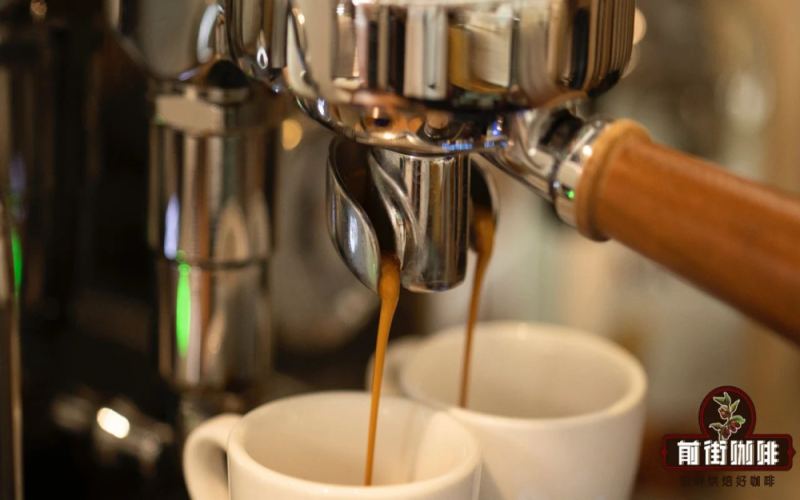
Espresso Crema | What Is Crema in Espresso? Does Crema Affect the Flavor and Mouthfeel of Espresso?
A deep understanding of the essence of crema will be of great help to baristas in making a delicious espresso. Today, the instructor of the Chongqing Barista Coffee Training Course will give you a detailed analysis of crema to help you understand espresso and improve your coffee-making skills. In searching for a cup that is not bitter and has excellent flavor, a rich [more…]