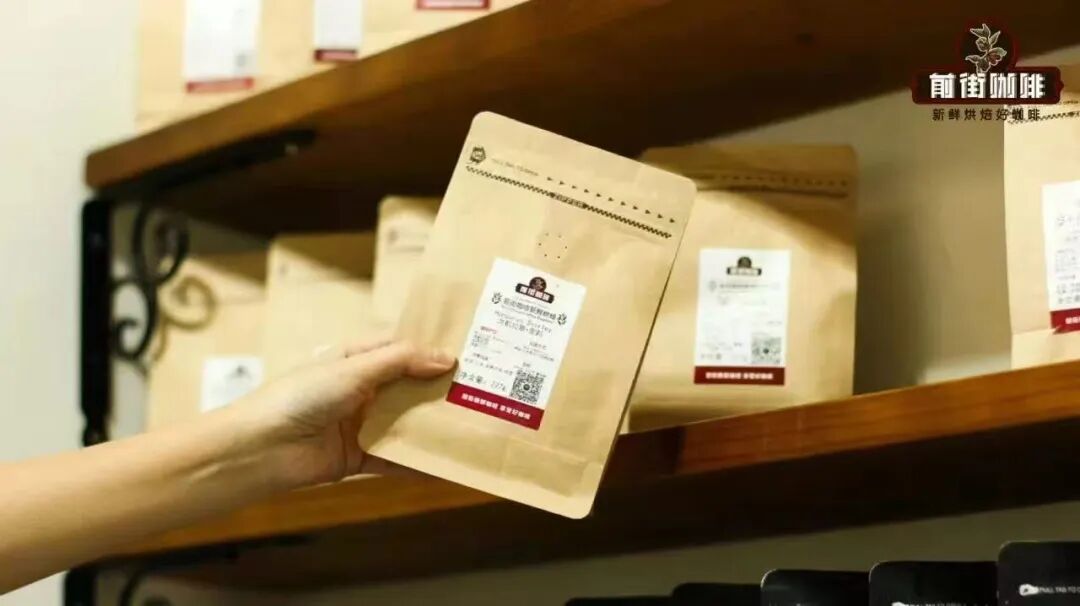
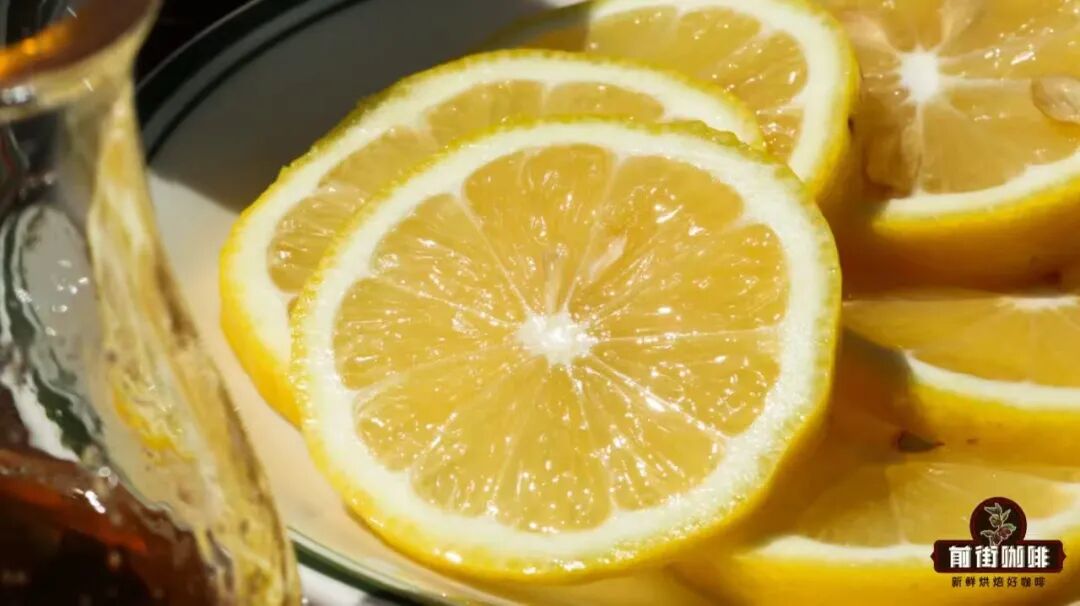
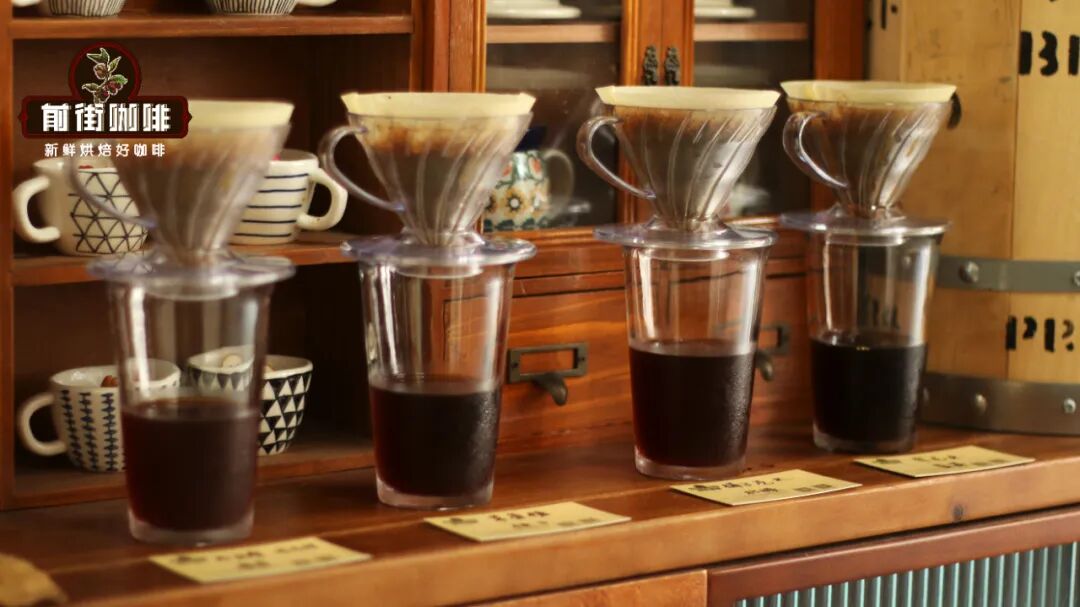
Nowadays, coffee is no longer just a "functional drink" used to wake you up—it is also a vessel that holds a wealth of experiences. Thanks to the widespread popularity of the concept of specialty coffee, which has brought about a leap in coffee quality, we are now able to taste the terroir of different places through a tiny cup of coffee. Flavors like sweet orange, citrus, and berries that customers and baristas chat about at the bar are exactly the flavor characteristics we taste from coffee.However, "tasting" is not an innate ability. Without learning and training, most people can only taste sourness, sweetness, bitterness, and saltiness in coffee. Beyond that, things like white floral notes and various fruit flavors are nothing but hallucinations after eating mushrooms~Although not knowing how to taste is not necessarily a bad thing, once we have learned to taste, the pleasure a cup of coffee brings multiplies exponentially. So today, Front Street would like to briefly share with you how to train and build your own sensory system, and then how to use this system to taste a cup of coffee in greater detail~(Actually, this applies not only to coffee but also to wine and tea)How do you build your own coffee sensory system?The main reason many friends cannot taste coffee flavors at the beginning is that they treat all flavor perception in coffee as the work of taste. But in reality, most of the "tastes" we experience in daily life are actually "aromas" captured through the sense of smell. Not only that, some flavor expressions require the mouthfeel perceived through touch to establish their "image."And this is not Front Street exaggerating. Numerous studies have long confirmed that each of our senses directly affects the taste we perceive. Besides taste, smell, and touch, even hearing and sight actually influence flavor. So if we want to fully taste a cup of coffee and directly identify its flavors, we need to engage all the senses during the tasting process.Here is an example Front Street often uses: when we eat a strawberry, we taste "strawberry flavor"; when we eat an apple, we taste "apple flavor." Althoughwe taste the food's flavor through the act of "eating," this experience is not brought about solely by the sense of taste in the mouth—it also involves the sense of smell mentioned earlier by Front Street.This is because our sense of taste mainly perceives the five basic tastes: "sour, sweet, bitter, salty, and umami," while so-called signature flavors like "strawberry flavor" and "apple flavor" are largely composed of complex aromas released after the food is chewed. These aromas are captured by our sense of smell through the nasal passage in the mouth, and then combined with taste, they form "strawberry flavor" and "apple flavor." If we pinch our nose while tasting to prevent the aromas from being captured by smell, then due to the lack of olfactory perception, we will be unable to quickly identify exactly what we are chewing.From this example, we can understand that when tasting food, smell is just as important as taste, and the same principle applies to coffee tasting. So if we want to taste rich floral and fruity notes from coffee, then besides taste, we also need to engage other senses to experience the cup together.But! Mere perception is not enough. For flavors that do not exist in our memory, even if we perceive them from coffee, we cannot associate them. The reason coffee connoisseurs can quickly identify rich floral and fruity notes from coffee is not just because they perceive these aromas from the coffee, but also because their brains store memories corresponding to these aromas.It is said that memory is the persistence of the mind in time. In the process of tasting coffee, whether it is sensing, identifying, evaluating, or even comparing and judging, all require the support of memory, especially for aromas.If we want to quickly taste and identify a certain flavor from coffee—for example, tasting "strawberry flavor" in coffee—then our minds must first have "strawberry flavor" stored in them.Because aromas are volatile substances, without shadow or form, neither visible nor touchable. If we want to leave an impression of them in our minds, then we can only imprint memories of them in our brains through constant exposure and constant perception. And this is what Front Street often mentions: eat more, smell more, feel more.But everyone should note that the composition of a single scent is not singular. For example, the "strawberry scent" we smell when we lean close to a strawberry is composed of a great many volatile aromas combined together, while the "strawberry flavor" we capture from coffee may only be part of the combination that makes up "strawberry scent." This is why even though many people have eaten strawberries, it is still hard for them to taste strawberry flavor from coffee. They always feel the flavor is very familiar, yet cannot recall what it is.But if you have a deep enough impression of a certain flavor, such as strawberry, then it is often easy to taste strawberry flavor from coffee with a little prompting from others. Because with others' hints, you will call up your memory of "strawberry," recall its aroma, then compare it one by one with what is expressed in the coffee, and finally activate the association of strawberry flavor through the matching of some element. The flavor descriptions on coffee bean packaging serve exactly this guiding role.Besides smell and memory, taste is of course equally important. When we put food into our mouths and push it down to the throat, although it is only a short "journey" of 10 centimeters, it is an important path for capturing flavor, because flavor perception depends on the tongue. Different areas of the tongue have different sensitivities to different tastes, and through the taste buds distributed across the tongue, we perceive various flavors.The flavors perceived through the taste buds on the tongue are directly transmitted to the brain, recorded and stored, so that when we associate something, we can directly recall its taste. For example, lemon—whenever Front Street mentions it, the first thing that comes to mind is its intense sourness.So if we want to better experience a cup of coffee, then when tasting we should not be in such a hurry to swallow. First let the coffee linger briefly in the mouth, allowing every area of the tongue to fully capture and analyze its taste: Is it bitter? Sour? Salty? Sweet? How sour is the sourness? How bitter is the bitterness? More sour or more sweet? Sour first then sweet, or bitter first then sweet? After fully analyzing, we then swallow.And in this process, until after swallowing is finished, the aroma of the coffee will always fill the mouth and nasal cavity, so during this period we must also simultaneously perceive the coffee's aroma. Especially after swallowing, we can clearly feel the large amount of aroma released as the coffee liquid passes through the throat—obvious and prominent.Next to share is touch! Front Street often says that besides taste and aroma, the mouthfeel and temperature of food are also very important, and these experiences all come from the sense of touch. When tasting coffee, what we mainly perceive is the "body" of the coffee after it enters the mouth. Is this cup of coffee as light and thin as water, or as thick and viscous as cream?Different mouthfeels bring us different associations and different experiences. Here Front Street gives an example: when a cup of coffee with sweet-sour taste and rich fruity aroma has a thick mouthfeel, we may be more likely to associate it with "fruit juice"; while if its mouthfeel is lighter, we may be more likely to associate it with "fruit tea." Coffee's mouthfeel is affected by many factors, such as brewing or the extraction method. This has been shared in Front Street's previous articles, so I will not elaborate further here. In short, once everyone has grasped the influence of the senses on coffee tasting, all that remains is to eat more, smell more, and feel more in daily life. And there are also products specially developed for this on the market—aroma bottles. Through aroma bottles, we can carry out more in-depth training. It is just that, well, their prices are not exactly "beautiful"... So Front Street still recommends that everyone accumulate more in daily life to improve their own sensory system~
 The above content is compiled by CoffeeHunters, a coffee news website.