







Do Coffee Tasting Cups Really Improve Flavor Perception?
Coffee tasting cups can genuinely assist tasting, so they are not simply a gimmick, though they do not change the coffee itself. Research published before 2020 found that drinking the same coffee from differently designed cups produces noticeably different impressions, with the difference coming mainly from the cup's shape and the coffee material it is made from.
What changes is not the liquid but the aspects a drinker notices: a light-roast coffee may seem acidity-forward, sweet and full-bodied from one cup, and different from another. Aroma cups work on the same principle. Perception can also be trained during everyday pour-over brewing by paying attention to shape coffee and repeated comparisons.
People who drink coffee often encounter a question: do those uniquely shaped tasting cups really help us better perceive flavors, or are they just a waste of money? This time, Front Street will start from the origins and design logic of tasting cups, break down the reasons why cups affect taste and smell, and also discuss whether aroma cups are actually useful, as well as how we can train our flavor perception skills during everyday pour-over brewing. If you've ever stood hesitating in front of a row of cups, or want to make the pour-over in your hands taste more layered, this article will offer some practical reference.
A while back, a regular customer raised a question: why doesn't Front Street use dedicated tasting cups? In his view, wouldn't tasting cups better present the flavor profile of a bean? Could it be that this thing is just a gimmick?
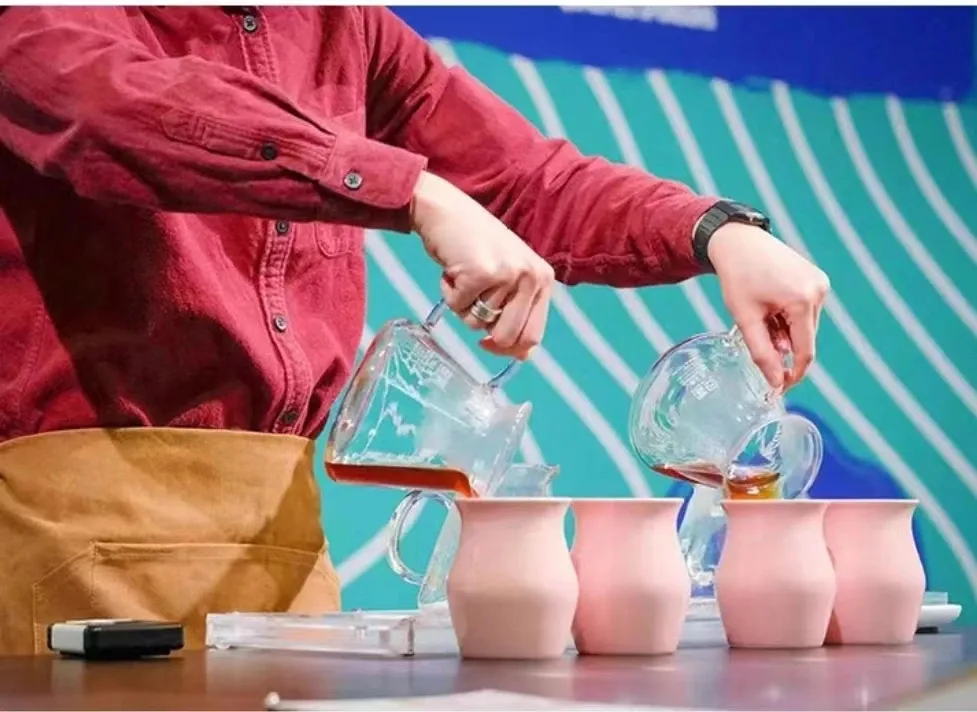
Many friends are probably still unfamiliar with tasting cups, so Front Street will give a brief background first. Coffee tasting cups are a type of specialized vessel that only gradually became popular in recent years, and from material selection to cup shape, everything is designed around the goal of "better facilitating coffee tasting."

Although they are a new thing in the coffee world, looking at the alcohol industry, tasting cups already appeared in the twentieth century. Moreover, to highlight the character of different drinks, the cups are adjusted according to the type of alcohol and the brewing ingredients.
Are tasting cups really an IQ tax?
Back to the very first question: are tasting cups an IQ tax? If we set the price factor aside first, the answer is no, because this type of cup really does assist tasting.
As early as before 2020, quite a few papers on tasting cups already pointed out that cups affect our tasting process. Drinking the same cup of coffee from differently designed cups produces very different impressions—and this principle applies not only to tasting cups, but to all cups.
The key to these differences lies mainly in the cup's shape and the material used.
But one thing needs to be made clear: what the cup changes is not the coffee itself, but the aspects we focus on during tasting. For example, if there is a cup of light-roast coffee in front of you, drinking it from cup A may make you feel acidity dominates, sweetness comes later, and body is relatively high; switching to cup B, the impression may become sweetness first with acidity secondary, and the mouthfeel may seem lighter.
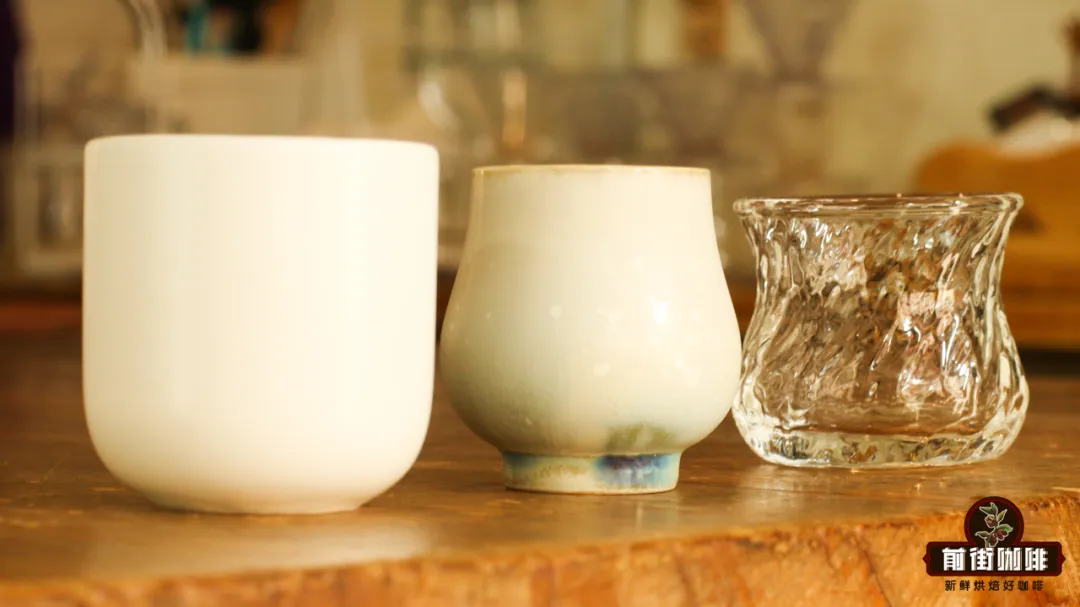
The reason cups can influence our perception is twofold: one is material, and the other is shape. They affect us during coffee tasting on both the physical and psychological levels.
How do cups interfere with the senses?
The factors that cause psychological effects mainly include the cup's material, weight, thickness, and color.
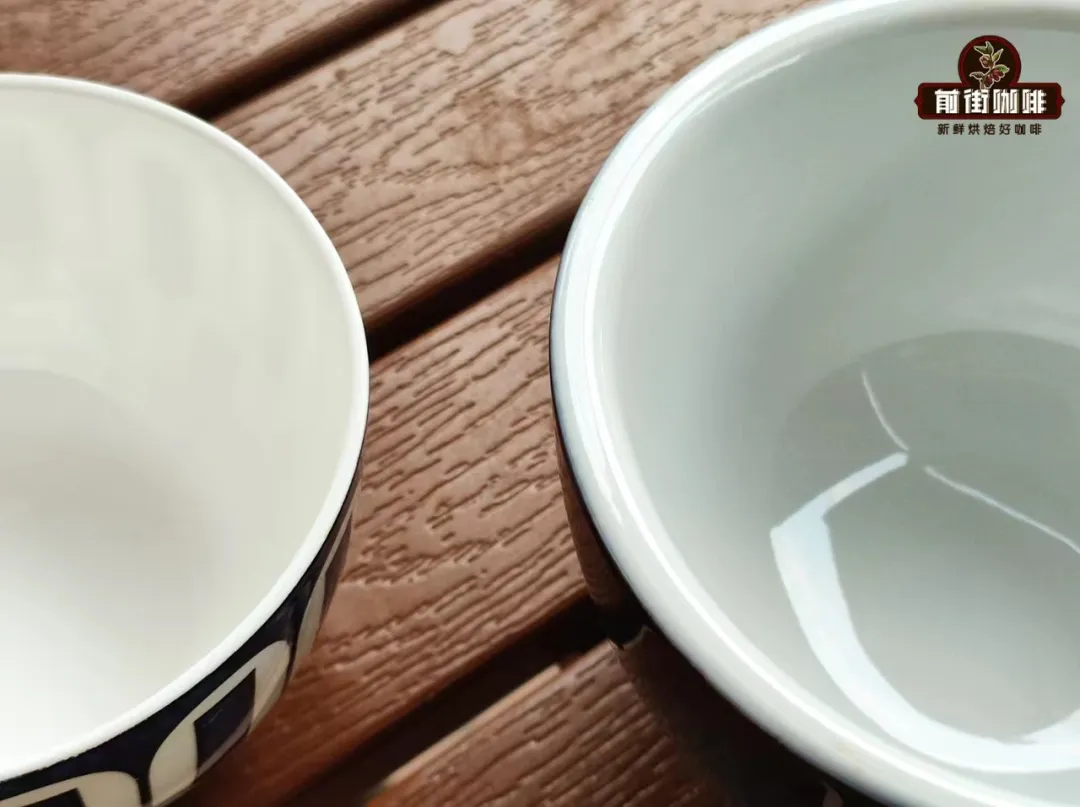
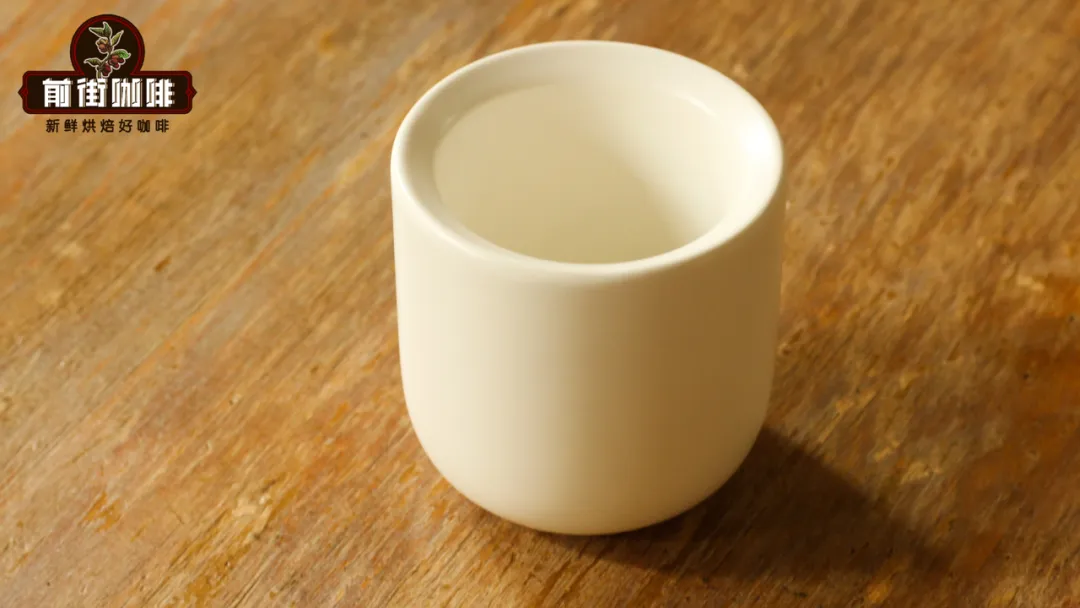
Let's start with material. Common coffee cup materials on the market currently include plastic, ceramic, glass, metal, and so on. The tactile sensations brought by different materials vary greatly; some feel smooth and delicate, while others are relatively rough.



The above content is compiled by CoffeeHunters, a coffee news website.


