







Which adjectives for coffee come from smell, taste, and touch?
Tasting coffee well means separating what each sense contributes. Smell pulls up taste memory, the tongue sorts the five basic tastes, and touch registers body and smoothness. Training these channels deliberately, rather than relying on taste alone, lets drinkers describe a cup with more consistent and useful words.
Daily practice can be structured with tools such as the 36-aroma Le Nez du Café kit and a 100-aroma coffee flavor map. In the café, dry aroma often shows jasmine, rose, and lemon notes first; aroma also reaches the nose from the mouth during tasting. Memory supplies the adjectives for coffee that make those perceptions readable.
Coffee tasting goes far beyond taste; it is a coordinated experience of sight, hearing, touch, smell, and taste. This article starts from the interactive scenes in specialty coffee shops and deeply analyzes how to train and build your own coffee sensory system through daily accumulation and professional tools. You will learn how smell pulls taste memory, how the tongue distinguishes the five tastes, how touch perceives body and smoothness, and how to use smelling bottles such as the 36-aroma Le Nez du Café and the 100-aroma Coffee Flavor Map for deliberate practice. Whether you are a coffee enthusiast or a professional, this method can help you read the flavors in the cup more clearly, making every tasting more interesting and more precise.
The spread of coffee knowledge has gradually expanded specialty coffee at the store level, and people have also begun to look back and treat coffee as a culture.
The popularity of hand-brewed specialty coffee has exactly echoed market demand and the needs of store operations. The bar no longer clings to the old layout of "bar height of one chi," but actively lowers its height and adds seating so that customers can watch the brewing process up close. Baristas have also changed from being silent to being warm and talkative, actively communicating with guests. Come, first smell the dry aroma; prominent jasmine, rose, and lemon notes rush forward. Then guide the guest to taste it: what do you feel when it enters your mouth? What is in this cup of coffee? Guests often surprise you by telling you what they tasted and what they associated with it. This kind of back-and-forth interaction is very interesting. Loyal customers not only support you themselves, but also bring friends to learn together.
We often think that tasting food depends on taste, but in fact some aromas are perceived after entering the mouth when they flow back from the oral cavity to the nasal cavity, and some come from the mouthfeel captured by touch. Research also confirms that sight, hearing, touch, smell, and taste—each sense affects our judgment of flavor.
Memory is the continuation of the mind in time. In the process of tasting, whether it is perception, discrimination, appraisal, or comparative judgment, none of it can happen without the participation of memory.
Although we do not need to receive rigorous training like a cupper, we can at least try to smell the coffee with our nose before taking the first sip. This is because when tasting food, smell and taste are equally important, just as food always seems bland when you have a stuffy nose from a cold.
Aroma is a volatile substance, invisible and colorless, impossible to touch or see; you can only get close to it and feel it. Remembering the smells of the surrounding environment is a practice that needs to be accumulated slowly in daily life. Usually, consciously remember the smells around you: asphalt roads, gardens, woods, the spice jars in the kitchen, the wet market, and so on. The purpose of this practice is to roughly classify various aromas—floral, fruity, nutty, balsamic, burnt, and so on—and ultimately understand the common characteristics of each category of smell.
The aroma given off by freshly brewed coffee is the first thing felt when tasting. Smelling with the nose can capture coffee's ever-changing scents. In a cup of coffee, one can often smell floral notes, fruity acidity, earthy herbal notes, caramel, and various other aromas; this is exactly where coffee's charm lies.
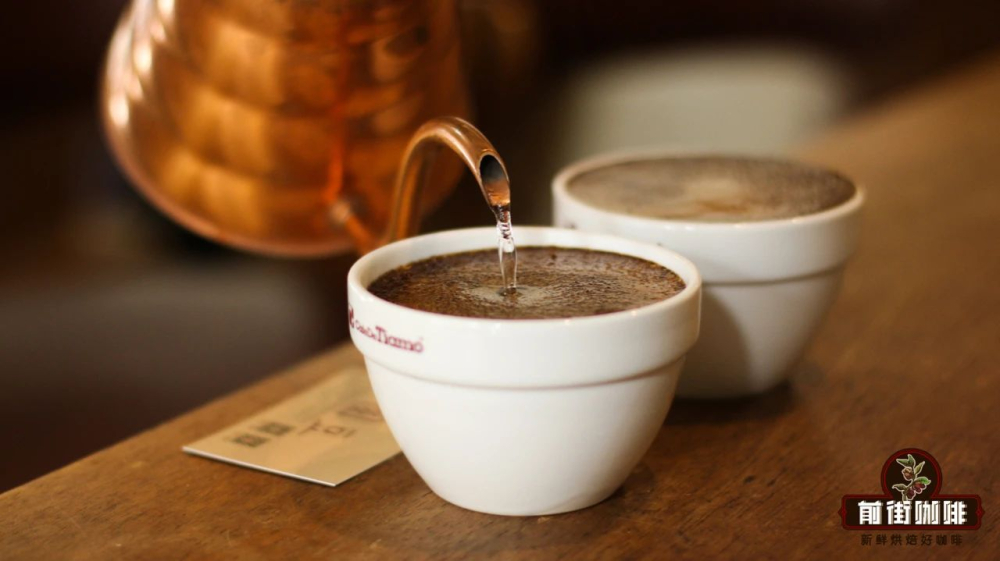
Smell drives related tastes. For example, if you smell berries and caramel, then the corresponding flavor substances must exist in the cup, and what it tastes like becomes clear. Conversely, why has a prominent cupping flavor disappeared? Why is the aroma so weak? Why is the taste in the cup not as satisfying as expected? Why have the charming floral and fruity notes vanished? At this time, you need to activate your olfactory memory bank and think about what should be in it and what kind of roasting expression you want to create; it all depends on your olfactory memory to guide you.
Everyone knows that the Maillard reaction during roasting causes coffee molecules to begin to degrade, polymerize, and volatilize. The aroma contains a large number of flavor substances, so we sample constantly and rely on sight and smell among the senses to adjust the roast.
Sometimes you notice a very familiar taste but cannot say what it is. Isn't that frustrating? If at this time you open your olfactory memory and combine it with taste, doesn't it become much easier?
For example, when you smell durian, if you have eaten it, taste memory will automatically activate. Smell is enough to drive taste memory, and taste can also be driven by taste itself; it all depends on your memory and the information presented in the cup, because smell and taste interact.
The purpose of taste training or memory training is to improve our ability to discriminate.
Keep drinking, keep remembering; this requires a process of accumulation. So-called accumulation is actually a hard training process, investing a large amount of money and time; only quantitative change can bring qualitative change.
Taste is one of our most important senses for tasting food. From the moment food enters the mouth to when it is pushed into the throat, this short journey of just ten centimeters nonetheless governs the important path for perceiving the flavor of food.
The perception of taste depends most on the tongue. The four basic tastes include bitter, salty, sour, and sweet. Different areas of the tongue have different sensitivities to taste, and taste buds distributed across the tongue each perceive various flavors.
The taste buds on the tongue can quickly connect the food passing through with the brain, recording and storing all tastes, so that even when thinking of a certain food, one can recall its taste. This is the reason for "looking at plums to quench thirst."
So when drinking coffee, do not rush to swallow. First keep the coffee in the front of the oral cavity and let the detectors on the tongue analyze the different tastes: sour, sweet, bitter? What kind of sourness is it? Sour first then sweet, or bitter first then sweet?
Then let the coffee aroma diffuse and bloom in the mouth and nasal cavity. After swallowing, you can experience the afterkick released as the coffee liquid flows through the throat, as well as the aroma remaining in the mouth. As saliva is swallowed, you will also feel the lingering finish surging up from the throat.
We often use some adjectives to describe food: crisp, tender, viscous, bouncy, silky. Besides sour, sweet, bitter, and spicy, we also care about the sensations of the tongue, lips, and teeth; this is the mouthfeel of food. At the same time, the tongue also perceives the temperature of food. Both mouthfeel and temperature experiences come from touch, including astringency, numbness, and spiciness, which are also a kind of touch.
When drinking coffee, we feel the "viscosity" after the coffee enters the mouth, including a thin, water-like lightness or a thick mouthfeel. Some coffees feel more "full-bodied," while others are as smooth as silky satin.
Different brewing methods also affect coffee's viscosity. For example, in pour-over coffee, the filter paper filters out coffee oils, making it taste lighter and thinner; when tasting espresso, one can feel a heavier oiliness.
Daily taste and smell training can be done by eating more fruits and smelling fruit aromas. If you want to train your taste more deeply, you can use aroma bottles and freshly ground coffee powder to compare dry aroma, wet aroma, and flavor. Smelling too many aroma bottles can also make you dizzy, so you can first smell the lid, then smell the oil, sway left and right to let the nasal cavity fully feel the aroma, and smell comparatively; this can better deepen your ability to distinguish. However, no matter which kind of aroma bottle, diligent practice will certainly improve olfactory discrimination.
At present, there are two mainstream aroma bottle sets on the market: one is the 36-aroma Le Nez du Cafe made by the French company Edition Jean Lenoir (literally translated into Chinese as Coffee Nose), and the other is the 100-aroma Coffee Flavor Map produced this year by Korea's Scentone.
First, here is the Le Nez du Cafe coffee nose.
36-aroma coffee aroma bottle set:
1. Enzymatic
(Fruit): Lemon, Apple, Apricot
(Vegetable): Potato, Cucumber, Garden Peas
(Floral nectar): Coffee Blossom, Tea Rose, Honeyed
2. Sugar Browning
(Four nuts): Roasted Almonds, Roasted Peanuts, Roasted Hazelnuts, Walnuts
(Three desserts): Caramel, Black Chocolate, Vanilla
(Two meal items): Toast, Fresh Butter
3. Dry Distillation
(Seasonings): Pepper, Coriander Seed, Clove-like
(Beverage ingredients): Black Currant-like, Maple Syrup, Malt
(Herbal processing): Roasted Coffee, Pipe Tobacco, Cedar
4. Aromatic Taint
(Wet and fishy): Earthy, Straw, Medicinal
(Dry and pungent): Rubber, Leather, Smoke
(Pleasant aromas): Coffee Pulp, Basmatic Rice, Cooked Beef
100-aroma Coffee Flavor Map
Coffee Aroma Kit T100, also called Coffee Flavor Map, first appeared at the 2016 SCAA exhibition.
1. guava 2. mangosteen 3. mango 4. banana 5. coconut 6. passionfruit 7. watermelon 8. papaya 9. tropical fruit
10. pineapple 11. melon 12. pomegranate 13. lychee 14. aloe 15. strawberry 16. blueberry 17. raspberry 18. cranberry 19. blackberry
20. acerola 21. acai berry 22. blackcurrant 23. white grape 24. muscat 25. grape 26. lemon 27. orange 28. lime 29. citron(yuja)
30. grapefruit 31. Chinese pear 32. apple 33. Chinese quince 34. cherry 35. dark cherry 36. peach 37. plum 38. apricot 39. jujube
40. hazelnut 41. walnut 42. pine nut 43. almond 44. peanut 45. pistachio nut 46. sesame 47. red bean 48. malt 49. scorched rice
50. roasted coffee bean 51. caramel 52. brown sugar 53. honey 54. maple syrup 55. milk chocolate 56. dark chocolate 57. mocha 58. cream 59. butter 60. yogurt
61. cheddar cheese 62. pine 63. crataegus 64. basil 65. thyme 66. earl grey 67. rose 68. jasmine 69. acacia
70. elderflower 71. lavender 72. bergamot 73. chrysanthemum 74. hibiscus 75. eucalyptus 76. cinnamon 77. vanilla 78. nutmeg 79. clove
80. cardamom 81. star anise 82. cumin 83. black pepper 84. garlic 85. ginger 86. soy sauce 87. mustard 88. mayonnaise 89. pumpkin
90. tomato 91. cucumber 92. mushroom 93. taro 94. kudzu 95. ginseng 96. paprika 97. musk 98. amber 99. smoke 100. savory beef
The above content is compiled by CoffeeHunters, a coffee news website.


