








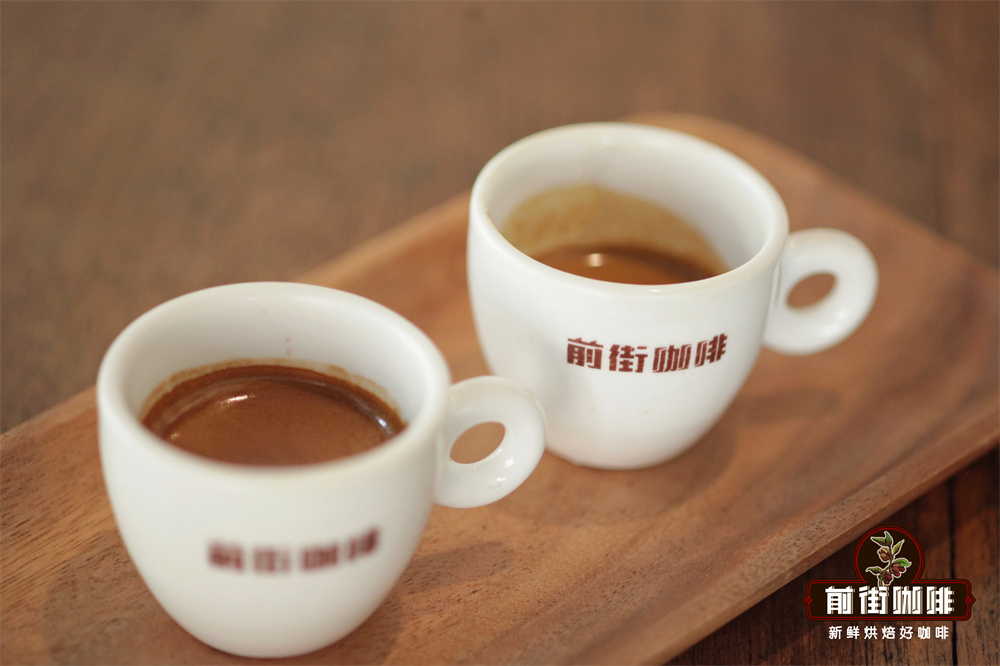
A deep understanding of the essence of crema will be of great help to baristas in making a delicious espresso. Today, the instructor of the Chongqing Barista Coffee Training Course will give you a detailed analysis of crema to help you understand espresso and improve your coffee-making skills.
In the pursuit of a cup of espresso that is not bitter and has excellent flavor, you may encounter bad espresso every day, andcoffee cremais a very important indicator among them. Whether you go to a shop to drink it or make it yourself at home, an espresso with a thick, dark brown crema is what we all pursue.

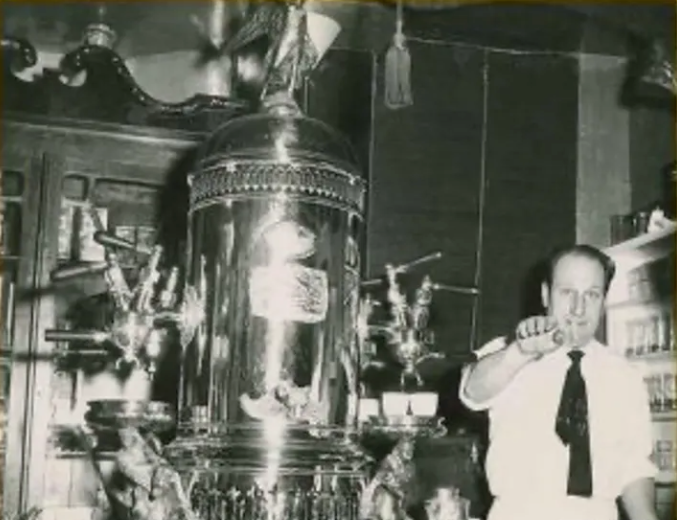
Espresso covered with a layer of crema was first made in coffee bars and is now generally considered to be credited to Achille Gaggia (the first Italian to design a coffee machine that provided truly high pressure). In fact, if you have seen advertising posters for coffee machines before World War II, such as the very classic Victoria Arduino poster, you will see that the espresso in the picture has almost no crema, just a cup of black liquid. Gaggia's "Crema Naturale" coffee machine used a lever piston, and it changed the perception of espresso of all mainstream coffee drinkers, and of course the first to be affected should have been Gaggia himself.
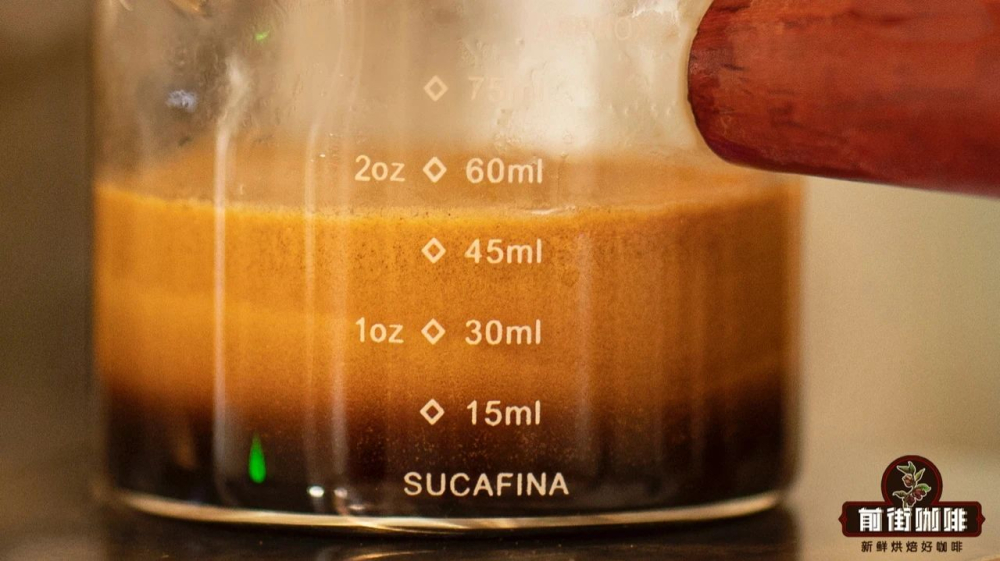
Nowadays, when it comes to the definition of espresso, there is no lack of description about crema. Illy Cafe, in many senses, has become an industry standard setter, and their definition of espresso is as follows:"Espresso" is a multiphase beverage that can be made simply from roasted and ground coffee powder and water. On the surface of the espresso is a layer of foam composed of tiny bubbles, and the surface has a special pattern like the stripes on a tiger's tail. Beneath the foam is a solution containing emulsified tiny oil droplets, dissolved sugars, acids, protein-like substances, caffeine, and suspended bubbles and solids.
(Emulsification: the action by which one liquid is uniformly dispersed as extremely small droplets in another liquid that is immiscible with it. Emulsification is a liquid-liquid interface phenomenon. Two immiscible liquids, such as oil and water, separate into two layers in a container, with the less dense oil on top and the denser water below. If an appropriate surfactant is added and the mixture is stirred vigorously, the oil is dispersed in the water to form an emulsion, and this process is called emulsification.)
(Phase state: that is, the state of matter (or simply phase, also called physical state), referring to a set of states possessed by a macroscopic physical system. Matter in one phase has a single chemical composition and physical properties (such as density, crystal structure, refractive index, etc.). The most common states of matter are solid, liquid, and gas, commonly known as the "three states of matter.")
What iscoffee crema? Why does crema disappear?
A series of complex chemical changes occur during the coffee roasting process, producing a large amount of carbon dioxide. Most of the carbon dioxide will be naturally released during the storage of roasted coffee beans, but a considerable amount of carbon dioxide will still remain within the cell walls.
The 9 bar pump pressure is most relevant to emulsifying the insoluble oils in coffee. In fact, water pressure has another effect, which is to make water become supersaturated with carbon dioxide, increasing the solubility of water for carbon dioxide, thereby dissolving many times more carbon dioxide than under ordinary natural atmospheric pressure. This is also why thousands of tiny bubbles form when hot water passes through the coffee puck.
The formation of the foam layer requires bubbles, as well as compounds or particles that like to surround these bubbles to make the bubble structure stable and more elastic. The coating effect of these chemical components involves surfactants. Bubble formation is mainly related to melanoidins. Melanoidins are the collective name for a series of compounds formed during the coffee roasting process, and scientists still know very little about them.
The reason proteins and melanoidins can coat bubbles is that they have components that are repellent to water, also known as hydrophobic. Therefore, they approach gas rather than water. Because of their hydrophobicity, these substances are ultimately adsorbed onto the bubbles, forming a bubble layer.There are also other hydrophobic substances in coffee: fats/oils. The oils here are separated because "fat" is the solid form of oil, and both forms coexist in coffee.
The reasons leading tocoffee cremadisappearing include fats/oils and gravity. Surfactants dissolve in water, and gravity pulls down the coffee substances present in the foam layer, and at the same time this pulls on the substances covering the bubble surfaces, causing the bubbles to become fragile and lacking in elasticity, and finally to burst quickly. The speed at which the foam layer disappears mainly depends on how quickly gravity takes effect. The surface foam of a properly extracted espresso will last longer than that of an under-extracted espresso. This is because the overall composition of a properly extracted espresso is thicker, which can be confirmed by the mouthfeel of the espresso.
The color of coffee crema: what can it tell us?
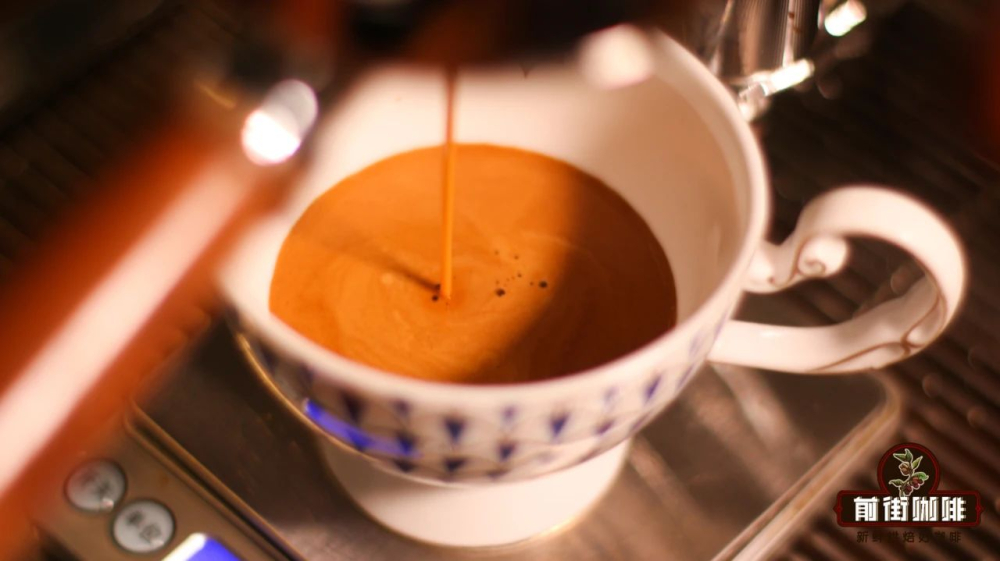
Under normal extraction, crema should appear reddish-brown, but when the crema of an espresso is lighter in color, or when the color is very dark and almost burnt brown, what does that indicate? The answer is partly related to the espresso itself. Because crema is bubbles in the espresso that have encapsulated carbon dioxide, if the foam layer looks very dark, then we can usually also be sure that the color of the espresso liquid itself will also be very dark.
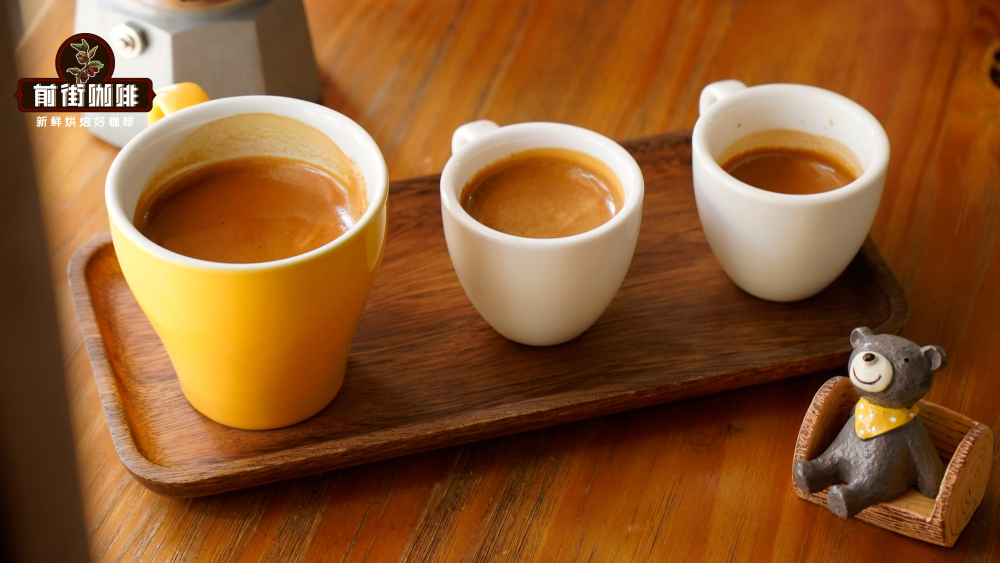
If you want to distinguish differences in the color of the coffee liquid, it is extremely difficult unless it is diluted with water and then compared or observed under a microscope. There is another factor we need to consider: the foam layer refracts light. Therefore, the foam layer will look lighter than the coffee liquid itself, and the finer the bubbles, the more this effect is magnified. In summary, even if the color of the liquid is very dark and its thickness is not as good as that ofespresso, the color of the foam layer on top of this liquid will appear very light.
When makingespresso, espresso obtained with a 15-second extraction time will usually have a very light-colored layer ofcoffee crema. This is because its extraction is insufficient, and the water does not have enough time to extract the soluble substances in the coffee, so it also will not have a viscosity comparable to that of espresso made with a 25-second extraction time. By the same principle, espresso extracted at too low a water temperature will also show light-colored crema, because low temperature makes it difficult to extract the soluble substances in coffee. This also proves from the opposite side that over-extracted espresso shows a darker color than normally extracted espresso, and there will also be a burnt dark outer ring on the surface of the crema.
The above content is compiled by CoffeeHunters, a coffee news website.


