







Search Results for: Flavor Control
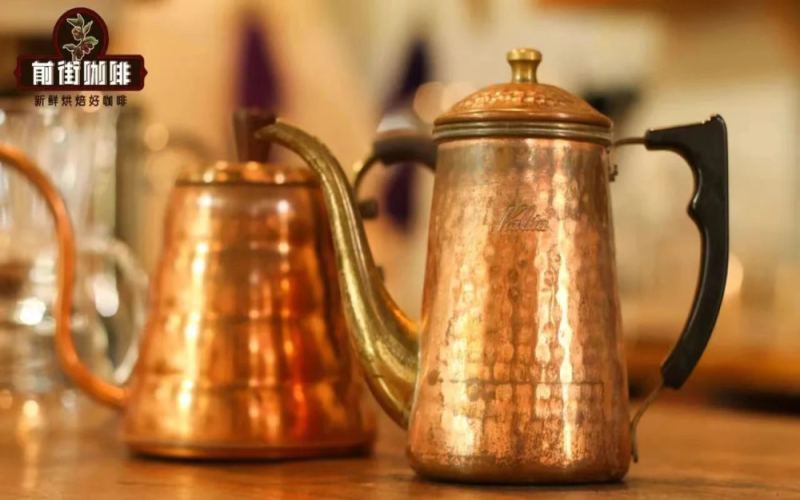
How to Choose the Right Pour-Over Kettle for Your Home Coffee Corner? A Comprehensive Guide from Temperature Control and Spout to Material
Creating a coffee corner at home—a handy pour-over kettle often determines how smooth your brewing experience will be. Faced with the dazzling array of options on the market, everything from temperature-controlled versus non-temperature-controlled, spout shape, body capacity, handle design, to material differences will affect water flow control and ease of use. This article will systematically sort out the key dimensions for choosing a pour-over kettle, helping beginners and advanced enthusiasts find the one that suits them best, and also includes Front Street Coffee's recommended flavor progression for beginner coffee beans, making it easier to pair your equipment with your beans. [more…]
In-Depth Analysis of Espresso Dose Control: Extraction Adjustment Strategies from Gram Weight Differences to Flavor Balance
Many coffee enthusiasts are intimately familiar with latte art and equipment, yet when it comes to espresso extraction, they often overlook dosing, puck management, and tasting judgment. In fact, dose control is just as critical as grind size adjustment—fluctuations in dose mean that even the most beautiful latte art cannot mask an imbalance in the coffee itself. Starting from the TDS and extraction yield formulas, and drawing on a 2.3-gram dose difference measured on a Mazzer Robur grinder, this article uses charts and data to illustrate the specific effects of dose on concentration, extraction yield, and the balance between acidity and bitterness, and explores approaches to dosing for light-roast espresso. Front Street Coffee also emphasizes the importance of dose consistency in its daily output, and we hope this article offers practical reference for your extraction adjustments. [more…]

A Complete Guide to Water Control Techniques in Pour-Over Coffee: Systematic Training from Flow Rate and Pouring Height to Circular Pouring Technique
The flavor profile of pour-over coffee depends to a large extent on the stability of the pouring. Many enthusiasts plan their brewing parameters in advance, but once they start, the water flow becomes difficult to control, and the final result is left to chance. Drawing on Front Street's practical experience, this article systematically lays out training methods for the fundamental skill of water control, including how to choose and hold a pour-over kettle, the key points for controlling a vertical stream, reference ranges for flow rate and pouring height, and the correct path for circular pouring along with common mistakes. Through progressive practice, it helps you improve your feel for starting and stopping the pour during actual brewing, making extraction more even and the flavor closer to the ideal. [more…]
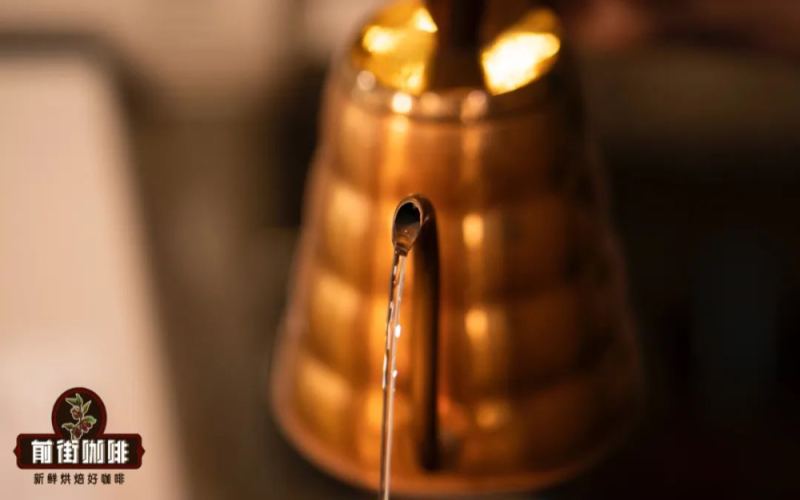
A Comprehensive Guide to Pour-Over Coffee Water Control Techniques: The Difference Between High and Low Flow Rates and Systematic Practice Methods
In the process of brewing pour-over coffee, the key to determining the quality of a cup often lies not in the final shape of the coffee bed, but in whether the brewing parameters match the beans and equipment, and whether the water flow is stable and controllable during pouring. An erratic flow rate or a drifting pour point can lead to problems such as excessive bypass water and uneven extraction. From the perspective of Front Street, this article systematically explains how to choose and consistently practice with a pour-over kettle, and advances water control skills in two stages—fixed-point steady pouring and circular steady pouring—while also explaining the performance differences between large and small flows under different spout diameters, helping coffee enthusiasts find a practice path that suits them. [more…]
A Complete Guide to Choosing a Home Pour-Over Kettle for Beginners: Practical Selection Tips from Temperature Control and Spout to Material
Want to get your hands on a pour-over kettle but feel overwhelmed by the bewildering array of styles on the market and don't know where to start? Actually, choosing a kettle is like a swordsman choosing a sword—a well-suited one can greatly reduce the difficulty of controlling the water flow, letting even beginners brew consistently good-tasting coffee. This article draws on Front Street's hands-on experience to break down the key points of choosing a kettle one by one: the choice between temperature-controlled and non-temperature-controlled models, how the spout shape affects the water flow, the kettle body capacity and handle design, and the trade-offs among materials like stainless steel, copper, and enamel porcelain. At the end, we've also included a flavor sequence of Front Street Coffee beans suitable for beginners to try step by step, helping you sort out your buying logic all at once. [more…]

Luckin's dark chocolate turning cement gray sparks quality control doubts, Year of the Dragon Moutai collaboration debuts at the same time
Recently, Luckin Coffee has once again become a hot topic on social media due to the abnormal appearance of a dark chocolate drink. Some consumers reported that the dark chocolate they ordered for delivery arrived looking like cement gray, and the taste was also disappointing. Netizens have been speculating about the reasons, ranging from insufficient ingredient proportions to operational mistakes by new staff, and even the suspected mistaken use of cappuccino Frappuccino powder. Meanwhile, within less than half a year, Luckin Coffee has once again partnered with Moutai to launch a Year of the Dragon sauce-flavored chocolate latte, sending the topic's popularity soaring. With quality control controversies and co-branded marketing running in parallel, Luckin Coffee's brand management capabilities are facing a test. [more…]
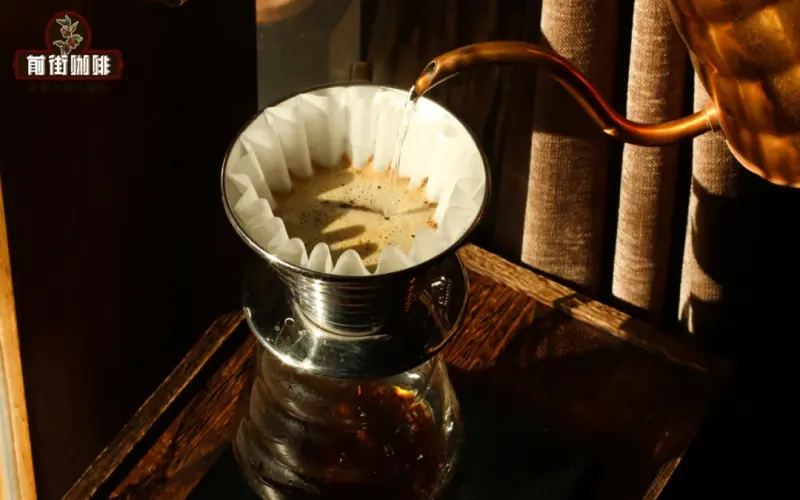
A Complete Guide to Pour-Over Coffee Water Pouring Techniques: A Practical Guide from Water Control Practice to Stable Flow
Beginners just getting into pour-over coffee often find that pouring water is far harder than they imagined—the stream surges and sputters, and their hands shake badly. The state of the coffee bed after brewing directly reflects how evenly the water was poured. Water control is a skill that demands proficiency; only after developing muscle memory and thoroughly getting in tune with your pour-over kettle can you pour exactly as you wish. Normally, a complete novice can master a steady stream after about two and a half weeks of practice, but if you learn a few techniques in advance, you can pour a relatively steady stream in as little as three days. From Front Street's perspective, this article walks beginners through the key points of pour-over kettle spout selection, water volume control, pouring motions, and circular pouring practice, helping everyone avoid detours and quickly improve their brewing and tasting skills. [more…]
From Grinding to Temperature Control: Systematically Master the Seven Core Elements of Stable Espresso Extraction
To consistently make a delicious Espresso at home or in a shop, relying on feel alone is far from enough—you need to understand and control several key variables. This article breaks down the hardware and operational points that affect espresso quality one by one, from grind uniformity, fixed dose, and tamping technique, to brewing pressure, water temperature, extraction yield, and machine materials. Whether you use a flat burr or conical burr grinder, a vibration pump or rotary pump, you can find practical adjustment ideas here. The article also shares Front Street Coffee's practical suggestions on equipment selection and parameter settings, helping coffee enthusiasts avoid detours and make every shot of espresso closer to the ideal state. [more…]
A Complete Guide to Anaerobic Fermentation of Coffee Beans: Processing Fundamentals, Six Key Control Factors, and Practices for Quality Consistency
Fermentation is a core step in coffee processing that shapes flavor direction. It is driven by microorganisms such as yeasts and bacteria, which convert sugars and acids within the coffee cherry into acids and alcohols. Good, controlled fermentation can highlight a coffee's varietal characteristics, while uncontrolled fermentation may bring negative flavors reminiscent of spoilage and spoiled wine. Starting from the basic principles of fermentation, this article sorts out the differences between the two pathways—aerobic and anaerobic—and, around six major factors—coffee cherry quality, cleanliness, oxygen, microorganism and yeast types, time and temperature, and data recording—explains how to improve the consistency and repeatability of fermentation. It also emphasizes that coffee quality is largely fixed during the growth stage, and the role of fermentation is to extract and preserve excellent characteristics rather than to elevate quality out of thin air. The article also introduces Front Street Coffee's ongoing attention to knowledge related to fermentation and processing methods, for the reference of coffee enthusiasts. [more…]

Complete Parameter Analysis of the 4:6 Method for Pour-Over Coffee: Grind Size, Staged Pouring Time, and the Principles of Acidity, Sweetness, and Body Control
The 4:6 method was created by Tetsu Kasuya, and its core idea is to let anyone brew a consistently good cup of coffee. It splits a single pour into five stages: the first 40% of the water governs the flavor direction, while the latter 60% determines the strength of the body. Combined with an extra-coarse grind and fixed intervals, it greatly lowers the barrier to water control. This article lays out the standard parameters of the 4:6 method in full, including dripper choice, coffee-to-water ratio, grind passing rate, water temperature, and pouring rhythm. It also takes a deep look at the logic behind the coarse grind and the 45-second intervals, explains how adjusting the ratio of the early and late stages changes the sweet-and-sour profile, and shows how increasing or decreasing the number of stages lets you control body, helping you apply this method flexibly. [more…]
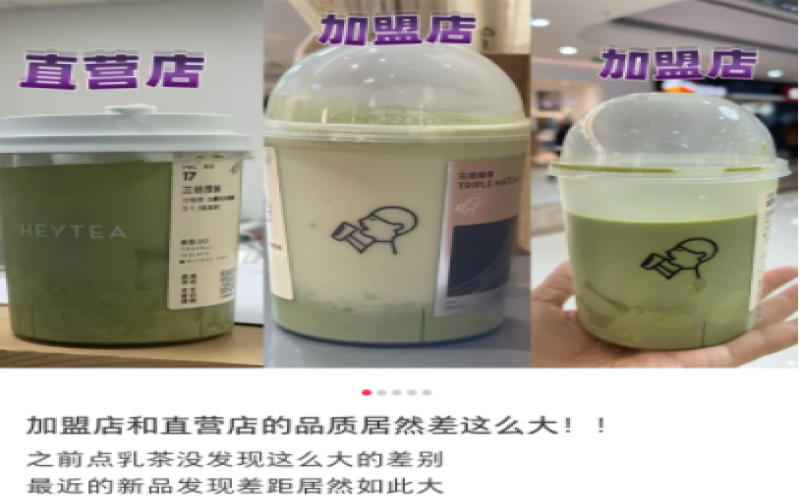
Heated Debate Over Quality Control Differences Between HEYTEA Franchise and Directly Operated Stores, Consumers Create Their Own Business License Identification Guide
Recently, a netizen posted on social media reporting a significant quality gap between the same drinks bought at HEYTEA franchise stores and directly operated stores. Using the "Thousand-Mesh Matcha Triple Thick Matcha" as an example, the customer ordered delivery from a directly operated store; although delivery took over 20 minutes, the drink arrived still hot, with a rich taste and generous toppings. In contrast, at a franchise store for self-pickup, the drink was picked up within three minutes but had a pale color, bland flavor, and scarce toppings. Later, at another franchise store for self-pickup, the volume was actually one-third less, and the chewy texture was poor. The post resonated widely, with netizens complaining about inconsistent quality at franchise stores, which led to a guide for identifying store types through business licenses. The incident reflects the challenges of quality control under HEYTEA's rapid expansion. [more…]
Colombia Monteblanco Pink Bourbon Home Pour-Over Guide: Temperature Control Techniques and Japanese Iced Coffee Parameters Explained
Pink Bourbon is an extremely rare variety in the coffee world. Its cherries turn a unique pink when ripe, and it originates from a cross between Red Bourbon and Yellow Bourbon. Because pink is a recessive gene, this coffee is not only scarce in quantity, but its ripeness is also difficult to judge during harvest, yet its flavor is stunning. This article uses [Front Street Huila Monteblanco Pink Bourbon] as an example to explain in detail the parameters and pouring techniques for home pour-over, including water temperature control, grind size selection, coffee-to-water ratio, and staged extraction rhythm. It also includes a complete Japanese-style iced pour-over method to help you reliably recreate at home this rare bean's green grape juice, berry, and floral flavors. [more…]
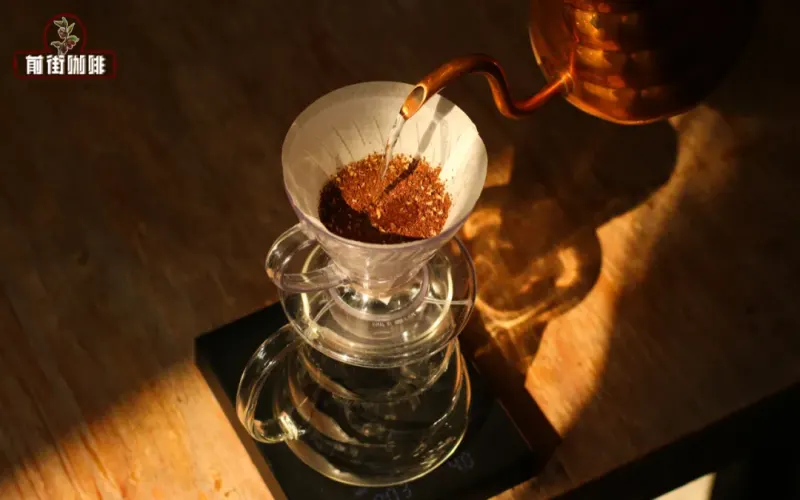
The Clever Cup's Water Control Valve Trick: Locking in Hot Water for Even Blooming — Pour-Over Operation and Parameters Shared
That small water-control valve on the Clever Cup can actually help us do quite a lot. By opening and closing the valve or adjusting how far it's closed, we can flexibly control the coffee's extraction method and the flow rate, and it can even help beginners pull off operations that are normally difficult—like a "perfect bloom." This article revolves around the principles of blooming and the choice of water volume, analyzing the uneven saturation problems that tend to occur with traditional blooming, and explaining how the Clever Cup uses its valve to lock hot water inside the dripper to achieve immersion-style blooming. Then, using Front Street Coffee's Grana Geisha as an example, it shares a complete three-pour brewing process to see whether a 30-second immersion bloom actually leads to over-extraction. [more…]
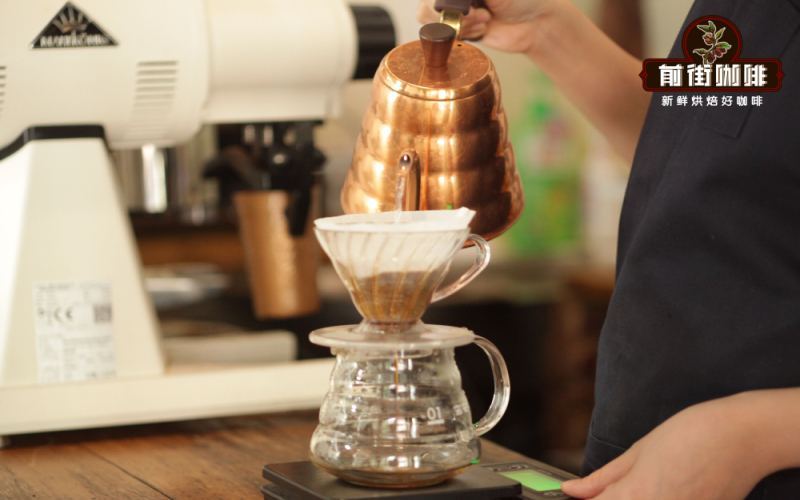
How Long Should Pour-Over Coffee Extraction Take? A Flavor Control Guide for 15g Coffee: 1:50 to 2:30
How long should you brew pour-over coffee for the best taste? This is a question many enthusiasts agonize over again and again. Using a size 01 dripper and 15 grams of coffee as the baseline, this article gives the optimal extraction window of 1 minute 50 seconds to 2 minutes 30 seconds, and starting from the principles of coffee extraction, explains how brew time affects the dissolution of flavor compounds, as well as what taste profiles under-extraction and over-extraction each produce. It also breaks down how three key variables—grind size, dripper type, and pouring technique—specifically affect the flow rate, helping you control timing more consistently in your daily brewing and make a well-balanced cup of good coffee. [more…]
Why Does Cold Brew Coffee Take 8 Hours? An Analysis of the Extraction Principle and Key Points of Drip Rate Control
Cold brew coffee is often served in limited quantities at cafés, precisely because its production cycle usually exceeds eight hours. This type of coffee, which originated in Europe and gets its name from the Dutch invention of a distillation apparatus, is also called Dutch Coffee, distilled coffee, or water-drip coffee. It relies on condensed natural osmotic water pressure to let cold water drip through the coffee grounds one drop at a time, continuously extracting at a low temperature of about 5°C for several hours. The flavor of the finished product varies depending on the roast level, water volume, water temperature, drip rate, and grind coarseness. It has a rich, smooth, and refreshingly icy taste, making it the foundation for drinking straight in summer or for making iced coffee. Front Street Coffee's cold brew recipe also emphasizes the coordination between drip rate and grind. Below, we'll break down its extraction principles and time control. [more…]
Front Street Colombia Red Wine Processing Method Explained: Key Points of Red Honey, Natural, and Washed Processing and Fermentation Control
This article focuses on a Colombian red wine process coffee bean launched by Front Street Coffee, providing a detailed introduction to its complete process from depulping and washing to 20.6 hours of fermentation in a no-water fermentation tank and then 10 days of sun drying on raised beds, and sorting out core information such as producing region, estate, altitude, bean variety, and cupping. It also compares the flavor differences between acetic acid fermentation and lactic acid fermentation, explains the distinction between traditional manual operation and controllable fermentation methods in terms of quality stability, and offers grinding size recommendations using the Yangjia Little Pegasus grinder as a reference, so coffee enthusiasts can adjust flexibly according to actual brewing conditions. [more…]
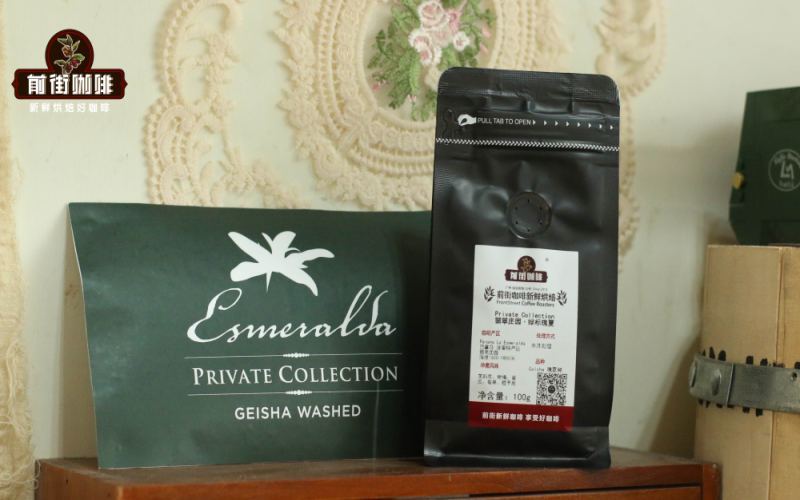
Front Street Emerald Estate Red Label Geisha Roasting Guide: How to Release Tea Notes and Floral Aromas Through Profile Control
Geisha coffee from Panama's Emerald Estate has always been renowned for its refined floral aroma and tea-like character, and Front Street Coffee's Emerald Red Label Geisha is a higher-tier representative among them. To preserve and highlight these signature flavor characteristics as much as possible during roasting, precise control is needed over the charge temperature, heat intensity, airflow damper, and key milestones such as dehydration and first crack. This article will break down the roasting process of Front Street Coffee's Emerald Red Label Geisha in detail, from charging at a drum temperature of 150°C to dropping at 189.5°C, explaining the adjustment logic at each stage step by step, and providing a complete description of the dry aroma, wet aroma, and palate flavors, to help coffee enthusiasts understand how to fully release the tea-like character and floral notes through the roasting curve. [more…]
The Complete Guide to Buying a Dripper: The Profound Impact of Cone Shape, Internal Ribs, Hole Design, and Material on Extraction Flow Rate and Temperature Control
Faced with drippers of all shapes and sizes on the market, friends new to pour-over coffee are often baffled by names like V60, Kono, and Origami, along with materials such as ceramic, resin, and metal. This article starts from the fundamental structure of the dripper, breaking down what the cone shape, internal ribs, bottom hole, and construction material each mean. You'll come to understand that these designs ultimately point to two core factors: flow rate and temperature control, and grasping the differences in thermal conductivity and specific heat capacity can help you match a more suitable dripper to your brewing method. Front Street Coffee takes you through the principles so you no longer follow trends blindly, and find that perfect cup of coffee of your own. [more…]
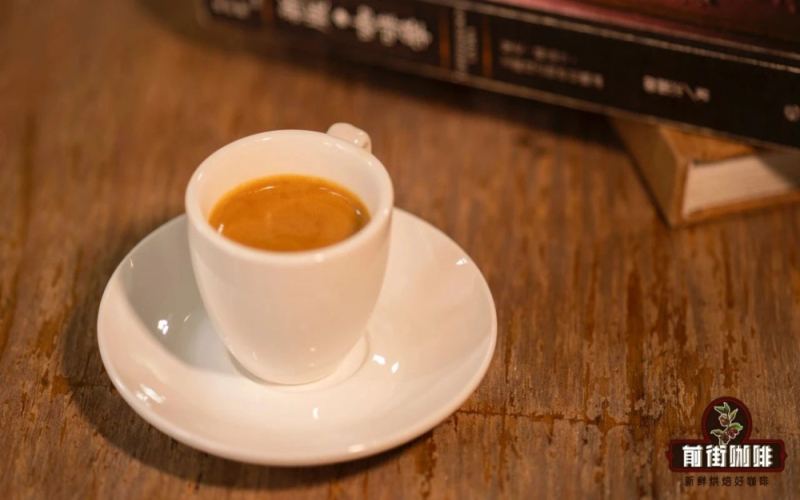
How to Choose Beans for Single-Origin Espresso (SOE)? Medium Roast Control and Three Flavor Recommendations
SOE stands for Single Origin Espresso, referring to espresso made from beans of a single origin, and it has gained great popularity in specialty coffee circles in recent years. However, SOE beans are quite particular about roast level: roasting too dark wears away the origin's flavors, while roasting too light makes it hard to balance body and consistency, so a medium roast becomes the sweet spot. This article first clarifies the definition of SOE and the roasting approach, then, based on three stylistic directions—floral and fruity, fermented and winey, and rich and full-bodied—introduces the origin background, processing methods, and flavor performance of three beans: Front Street Coffee Strawberry Claw, Front Street Coffee Blackberry, and Front Street Coffee Brazil Queen's Estate, to help you find the cup that suits you. [more…]
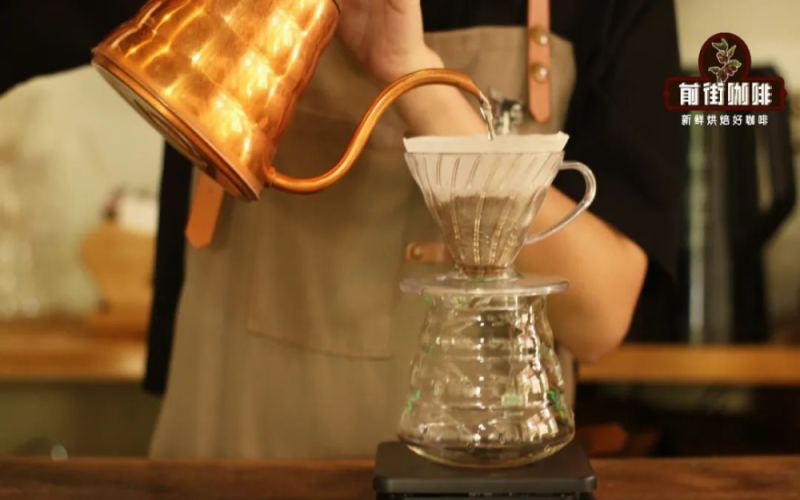
A Complete Tutorial on Brewing Single-Origin Pour-Over Coffee at Home: Practical Key Points from Equipment Preparation to Extraction Control
To make a delicious single-origin pour-over coffee at home, what you need to master is not only the operational steps, but also an understanding of the equipment, parameters, and extraction logic. Starting from the production experience of Front Street Coffee, this article systematically sorts out the key factors in pour-over coffee, including equipment preparation, dripper selection, grinding and water temperature control, coffee-to-water ratio, and extraction time, and uses Yirgacheffe Kochere as an example to fully demonstrate the three-pour brewing process. The article also specifically discusses the relationship between the shape of the coffee bed and the pouring method, helping coffee enthusiasts find a brewing rhythm that suits them through repeated practice. [more…]